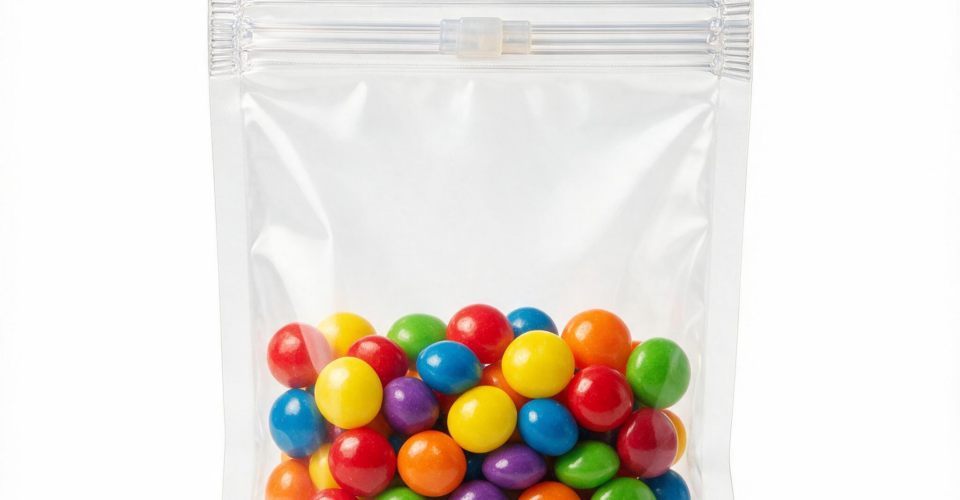
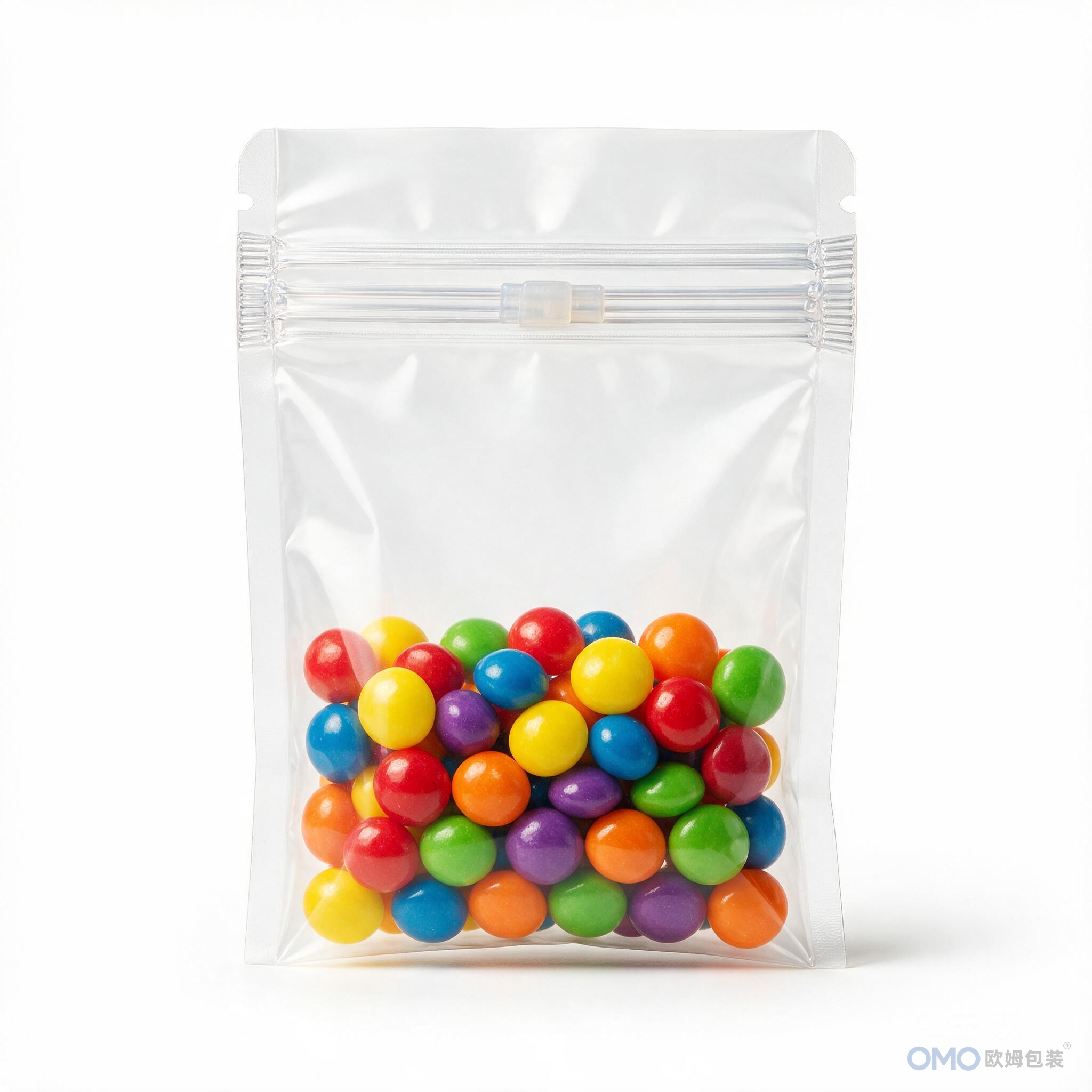
Zipper pouches are one of the most common pouch types in daily packaging. From office stationery to food snacks, zipper pouches have won wide adoption for their repeated open-close convenience. But the seemingly simple zipper pouch has much to consider in material selection, zipper type and manufacturing process. From structure to buying, this article gives you a complete explanation ofzipper pouch zipper pouches in every aspect.
1. Zipper pouch structure and working principle
The core component of a zipper pouch is the zipper strip at the mouth. The strip consists of two interlocking male-female profiles — a male strip (ridge) and a female strip (groove). Pressing embeds the male into the female to seal; pulling apart separates them. By structure, zippers fall into three main types:
(1) Press-to-close zipper: the most common zipper type, engaging the male and female strips by finger pressure. Simple to operate with a clear tactile feel — the “click” tells consumers the seal is secured. Press-to-close zippers are low-cost and mature in process, widely used for snack packaging, frozen vegetable bags and more.
(2) Slider zipper: opened and closed by a small slider, working like a garment zipper. Slider zippers seal better and open/close more smoothly with less effort — ideal for elderly consumers with weaker finger strength or packaging needing frequent opening. Premium tea and coffee pouches mostly use slider zippers.
(3) Male-female zipper: similar in principle to press-to-close, but with larger, thicker profiles and stronger engagement. Male-female zippers seal better than press-to-close, suiting packaging with higher sealing requirements such as pet food and dry goods. The drawback: pressing requires more force.
Whatever the type,zipper pouch zipper pouch sealing performance depends on the combination of zipper profile mold precision and material formulation. A high-quality zipper pouch keeps sealing well even after hundreds of open-close cycles.
2. Zipper pouch materials and specifications
Zipper strips are usually made of LDPE (low-density polyethylene) or LLDPE (linear low-density polyethylene), whose flexibility and elastic recovery best suit repeated zipper opening. The pouch body material, however, is chosen flexibly by product needs:
(1) PE single-layer zipper pouches: the most economical choice — pouch body and zipper both PE, fully recyclable. Suitable for short-term storage of dry goods, stationery, hardware parts, etc. PE single-layer zipper pouches have average barrier and are not for foods needing long-term freshness.
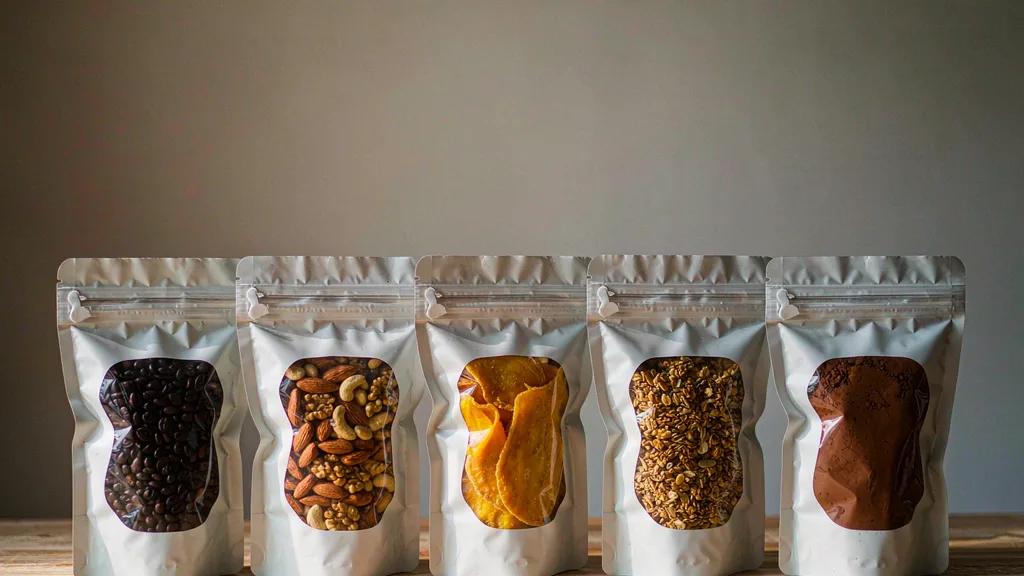
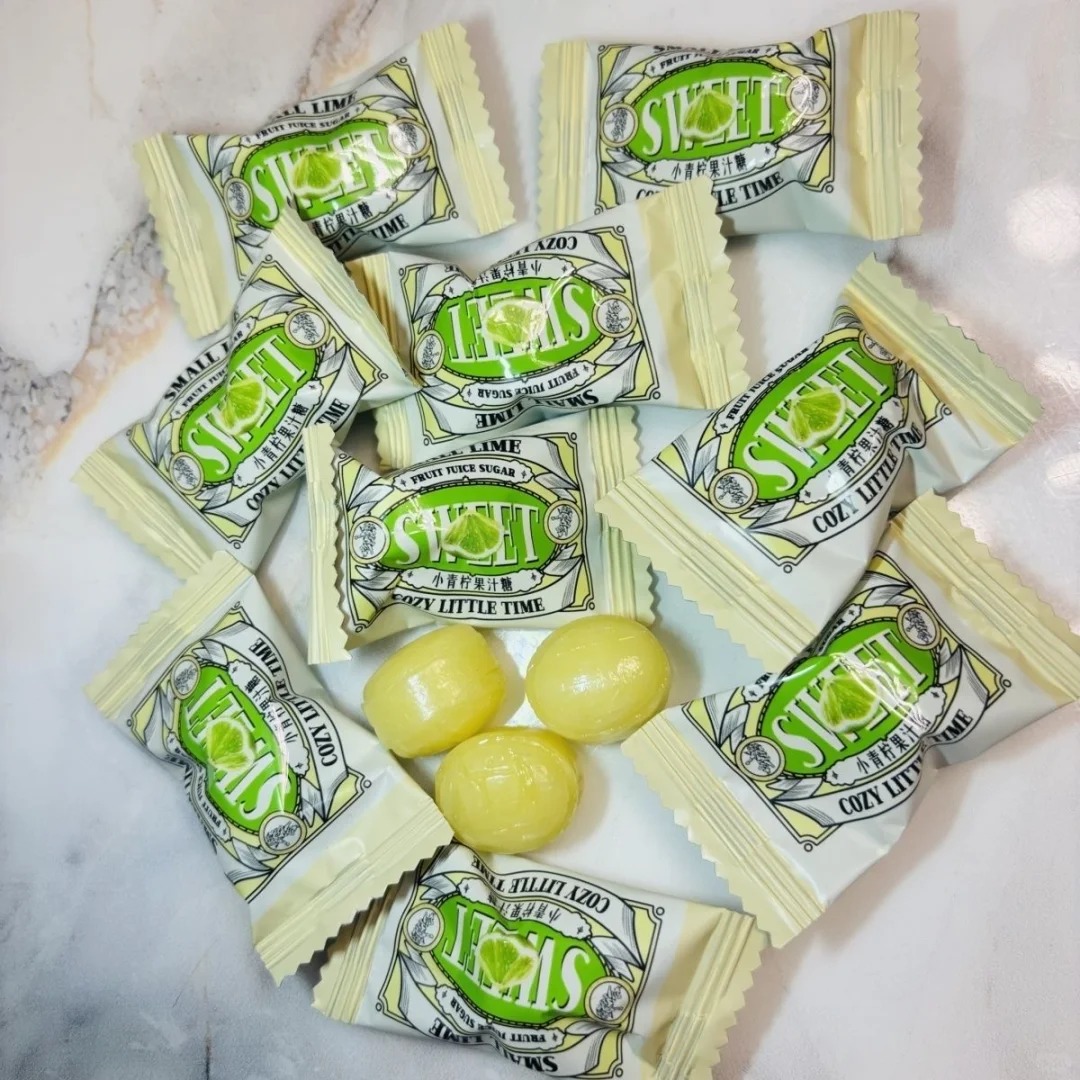
(2) PET/PE laminated zipper pouches: the PET outer layer provides good strength, transparency and print quality; the PE inner layer handles heat sealing and zipper bonding. This laminate combines display and function — currently the most common zipper pouch type in food packaging. Many nuts, candies and biscuits use it.
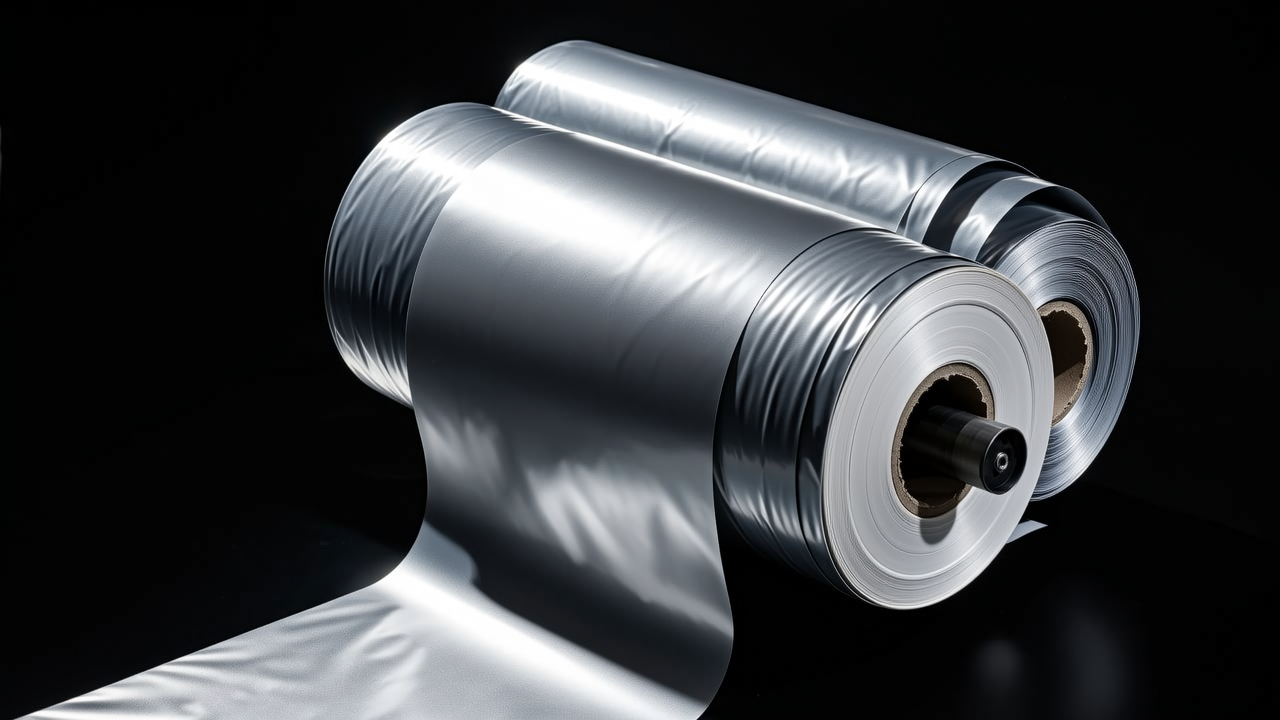
(3) Foil-laminated zipper pouches: adding an aluminum foil layer to the PET/PE structure greatly boosts barrier performance. These zipper pouches suit high-barrier products such as coffee beans, tea and spices, effectively preventing oxidation and aroma loss. Regardingstand-up pouch zipper pouches, for more material options you can refer to ourComplete Guide to Stand-Up Pouches。
For specifications, zipper pouch thickness, width and opening position are customized per packaging capacity, product form and packaging equipment. Generally, zipper widths run 50-150mm and pouch thickness 60-120μm.
3. Zipper pouch applications
Zipper pouches have extremely wide applications; here are several typical fields:
Food packaging: the largest market for zipper pouches. Nuts, candies and jerky in snacks; bread and biscuits in bakery; vegetables and seafood in frozen foods; plus tea, coffee and milk powder — all widely use zipper pouch packaging. The resealable function lets consumers take portions at a time, keeping the remainder fresh.
Home & personal care products: laundry pods, dishwasher tablets, bath bombs and other home & personal care products commonly use zipper pouches. The zipper allows sealing after each use, preventing moisture and clumping.
pet food: large packs of cat food, dog food and pet treats widely use zipper pouches. Since opened pet food is consumed over a long period, zipper sealing effectively preserves crispness and flavor.
Industrial and office: electronic components, hardware parts, stationery and more also use zipper pouches heavily. Transparent PE zipper pouches make contents easy to identify and categorize.
OMOPACK professionally produces all kinds of zipper pouches — from press-to-close to slider, from PE single-layer to multi-layer laminates — with small-batch customization supported. Welcome to contact our technical team for samples and quotes.
Consult Now ->4. Key points for buying zipper pouches
When buyingzipper pouch zipper pouches, these quality indicators deserve close attention:
1. Zipper engagement force: engagement force must be neither too high (hard for consumers to press) nor too low (weak sealing). Qualified zipper pouches should have engagement force between 10-30N. Values outside this range suggest problems with mold precision or material formulation.
2. Zipper fatigue life: whether sealing performance degrades after repeated opening is the core indicator of zipper pouch quality. Quality zipper pouches should withstand 100+ open-close cycles without noticeable sealing loss.
3. Zipper-to-pouch bonding strength: the heat seal between zipper strip and pouch body is the weakest point of a zipper pouch. Insufficient bonding strength separates the zipper from the body, scrapping the package. Qualified products must have zipper heat-seal strength no less than 80% of the body seal strength.
4. Seal integrity testing: fill with water and invert to check for leaks — the simplest, most direct seal check. Industrial production typically uses vacuum decay or dye penetration methods for batch testing.
5. Food safety compliance: for food packaging, zipper materials must meet food contact material standards. PE itself is safe, but confirm the color masterbatch and additives in the zipper comply with standards such as GB 9685.
5. Common questions in zipper pouch customization
During zipper pouch customization, buyers often encounter these questions:
Q1: Can the zipper be placed anywhere on the pouch?Theoretically the zipper can go anywhere near the mouth, but the most common position is 10-30mm below the top. Too low reduces effective capacity; too high makes opening awkward.
Q2: What is the typical MOQ (minimum order quantity) for zipper pouches?Because zippers require tooling, the standard press-to-close zipper MOQ is usually 5,000-10,000 pieces. For small-batch trials, choose sizes that share standard molds to lower the MOQ. For morepackaging customization details, refer to our packaging customization process guide.
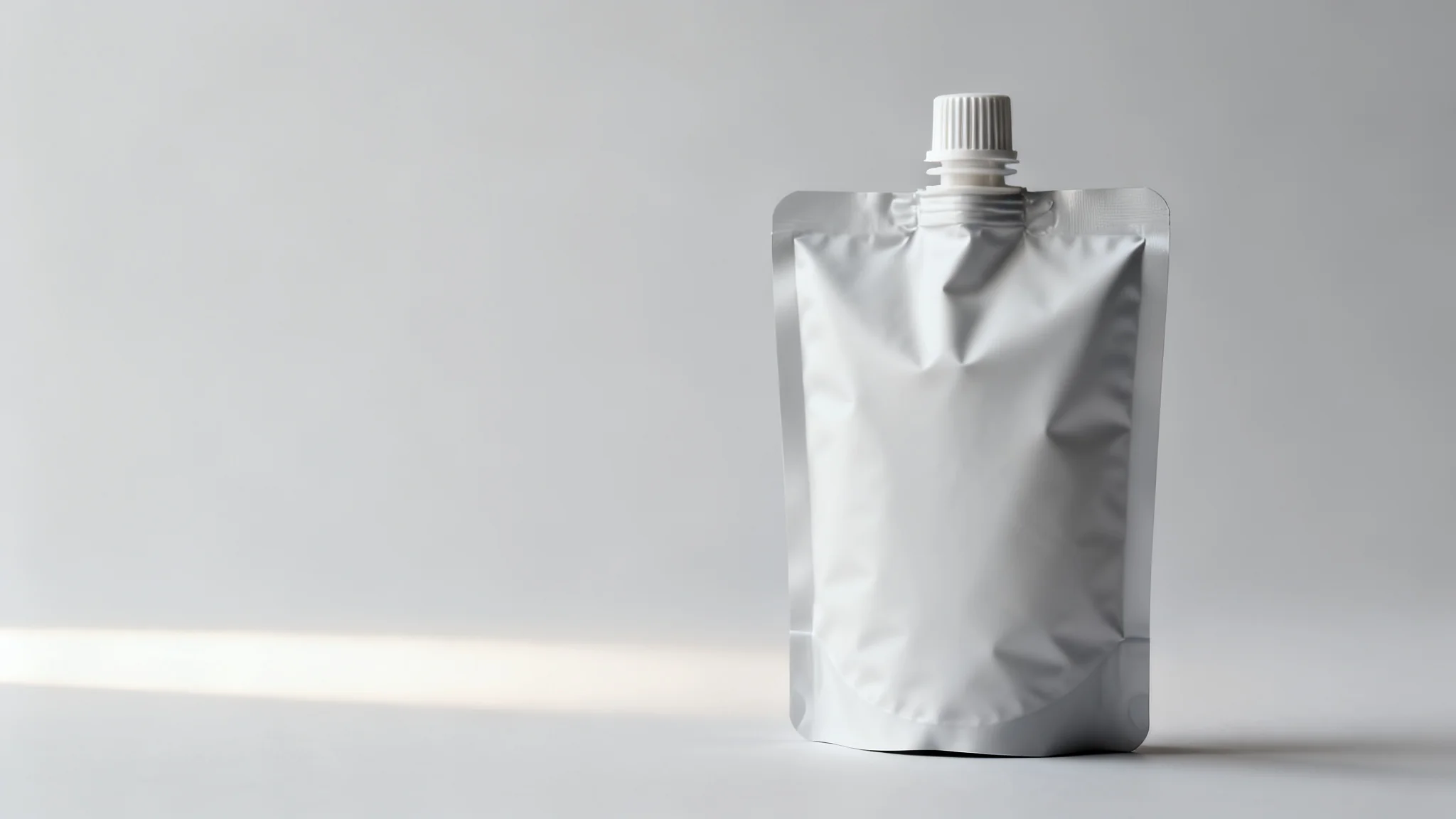
Q3: Can zipper pouches hold liquid products?Ordinary press-to-close zipper pouches cannot hold liquids — liquid seeps through the zipper gap in transit. For liquid packaging, choose slider zipper pouches or a dual-seal design combining zipper + heat seal.
OMOPACK offers zipper pouch customization from artwork to finished delivery, backed by 15 years of industry experience. Contact us now for free sampling!
Free Sampling ->zipper pouch zipper pouches may seem simple, but every detail — from zipper mold precision to body material selection — affects the final user experience and freshness. We hope this article helps you make wiser decisions in buying and customizing zipper pouches. For any questions, feel free to contact the OMOPACK professional team at any time.