Frozen Food Packaging Solutions
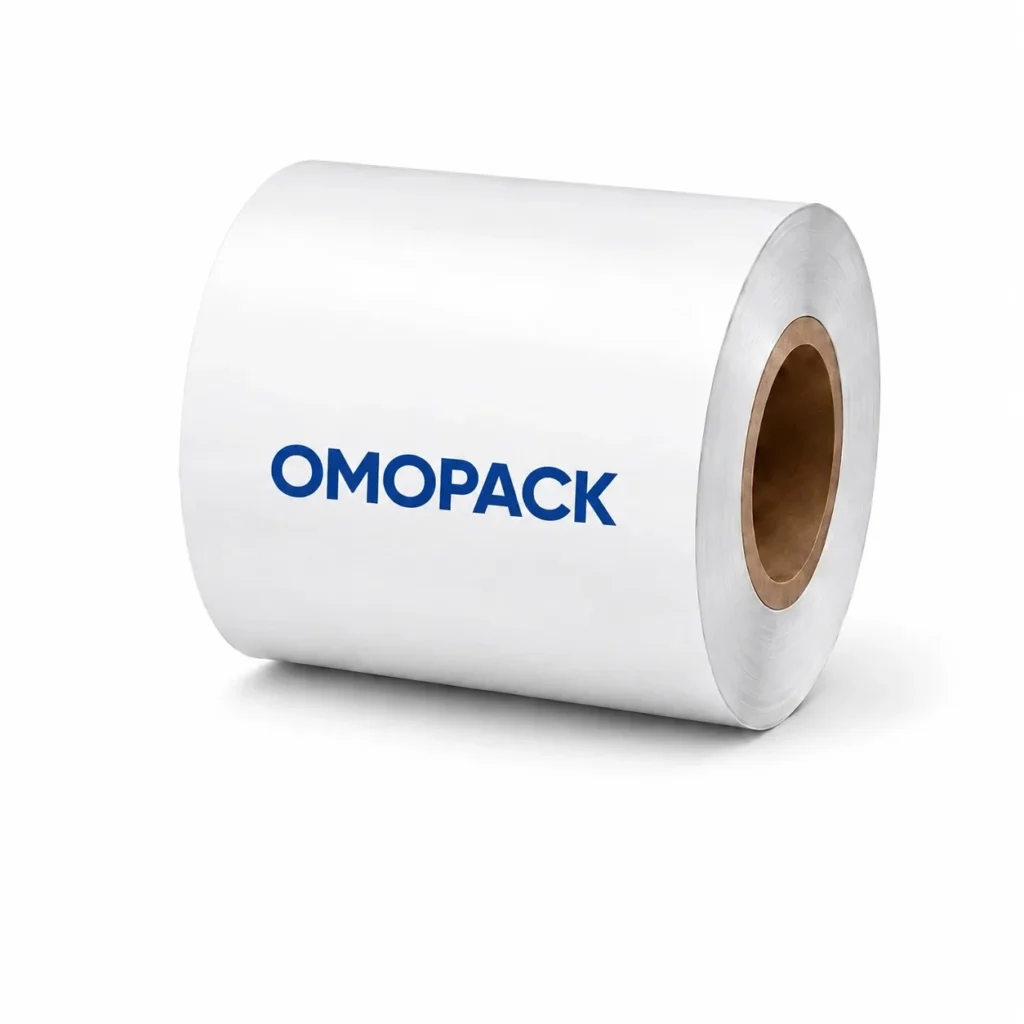
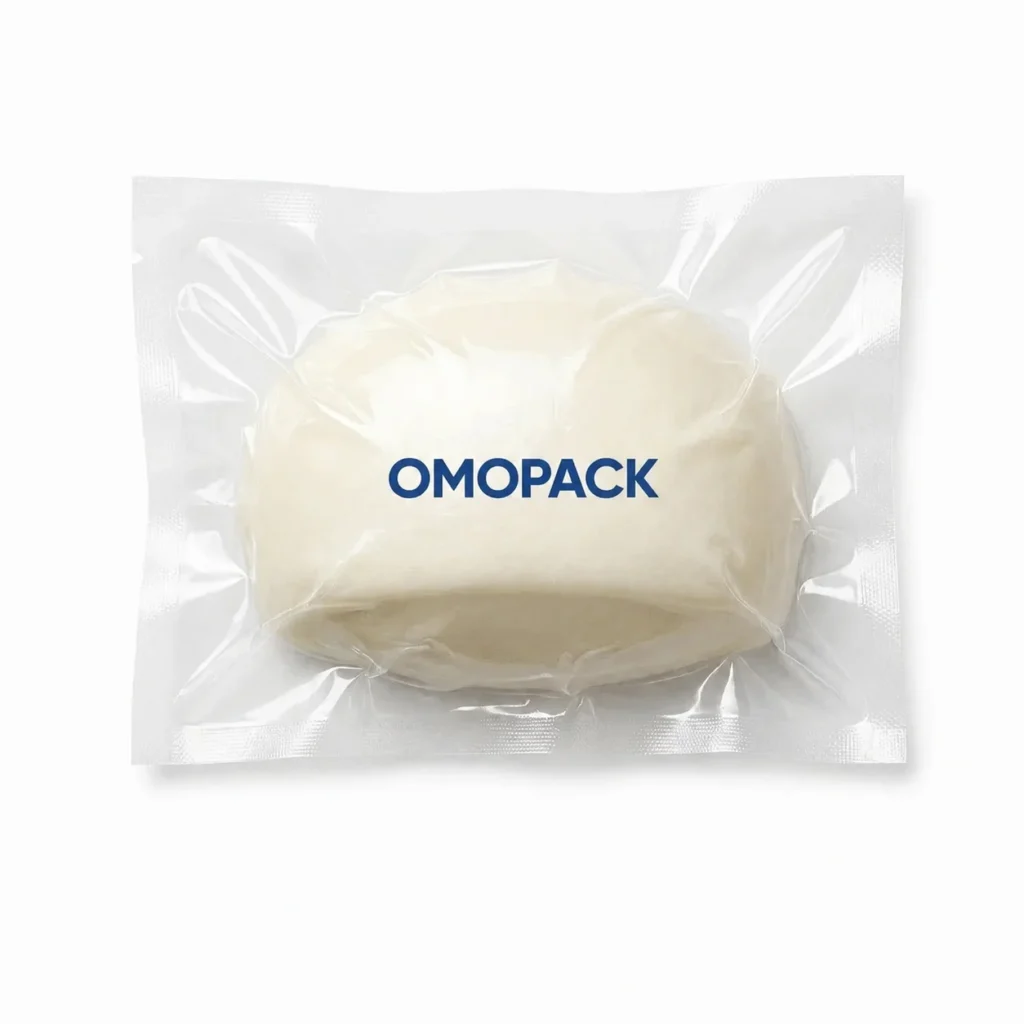
Frozen food packaging for quick-frozen products, frozen meat and seafood, prepared meals and cold-chain needs. Our flexible pouches and films combine low-temperature durability, reliable seals and barrier protection to help keep product quality stable during storage, distribution and retail.
Key Packaging Challenges for Frozen Foods
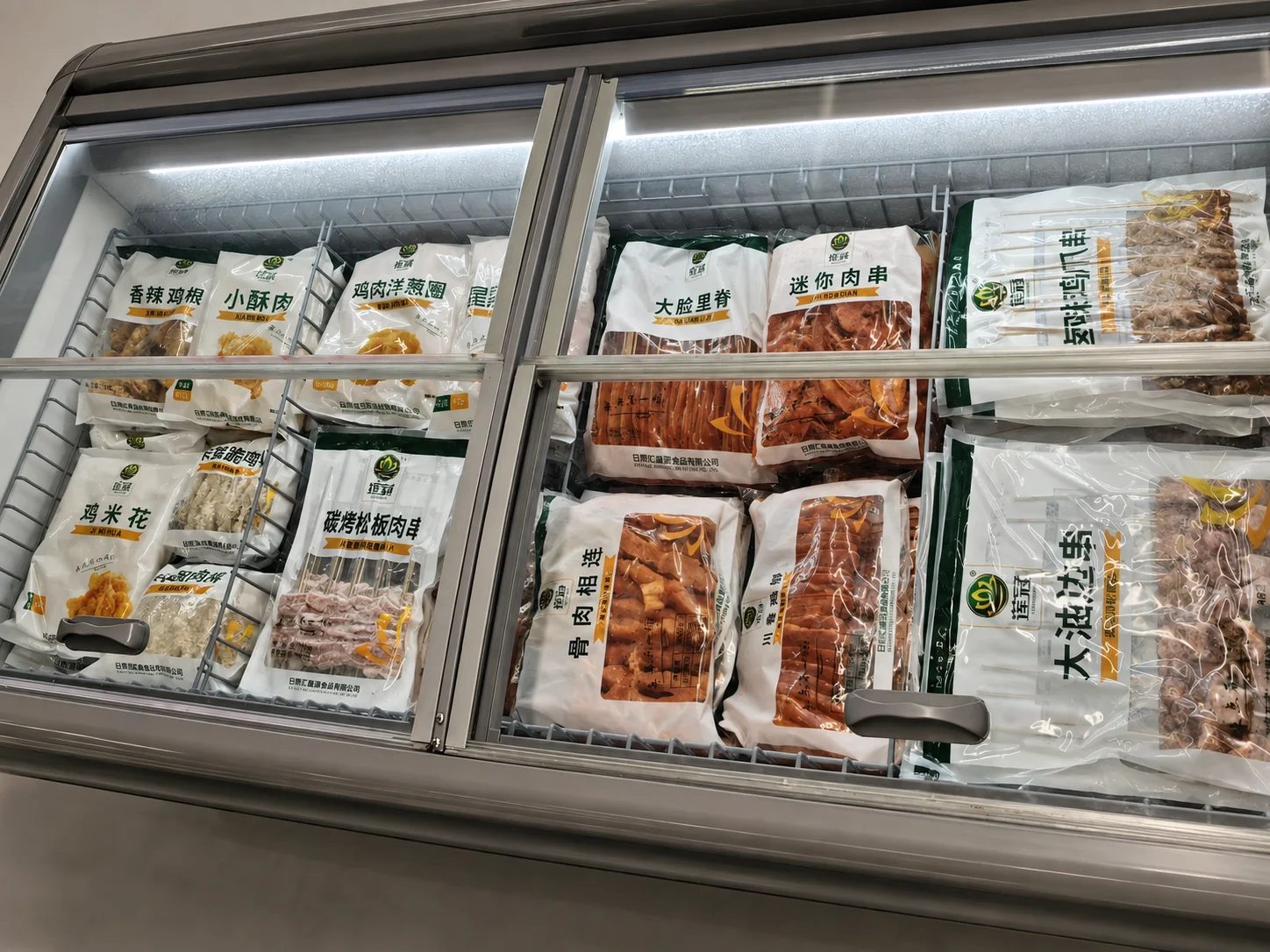
Frozen products face low-temperature brittleness, seal instability, and changes in product quality during storage and transit. Engineered film structures improve low-temperature durability and help maintain product quality throughout the cold chain.
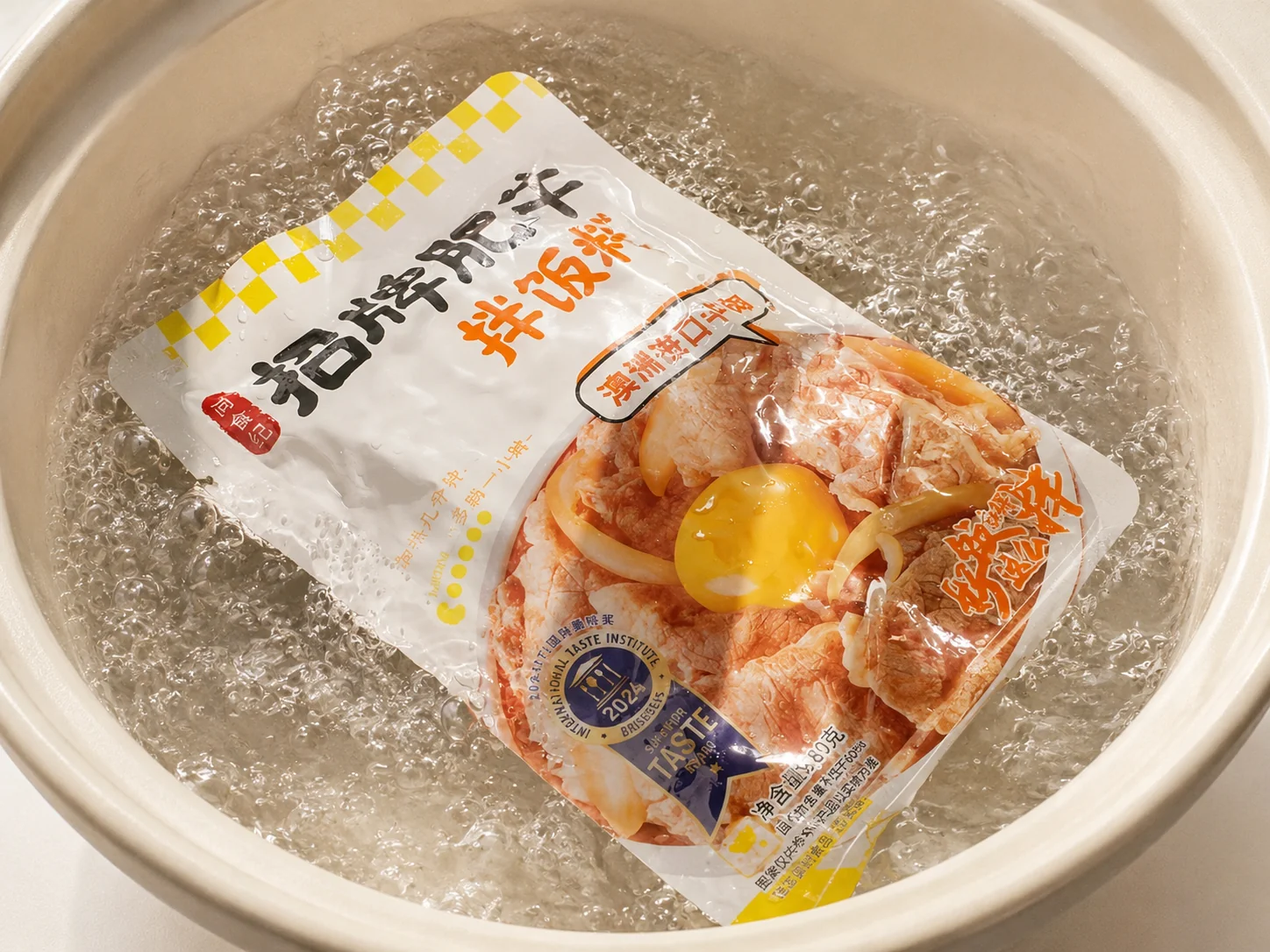
Prepared meals, meal kits, and seasoned foods are often heated before serving. Their packaging must support frozen storage and the specified heating process, with material structures selected and validated for the actual processing conditions.
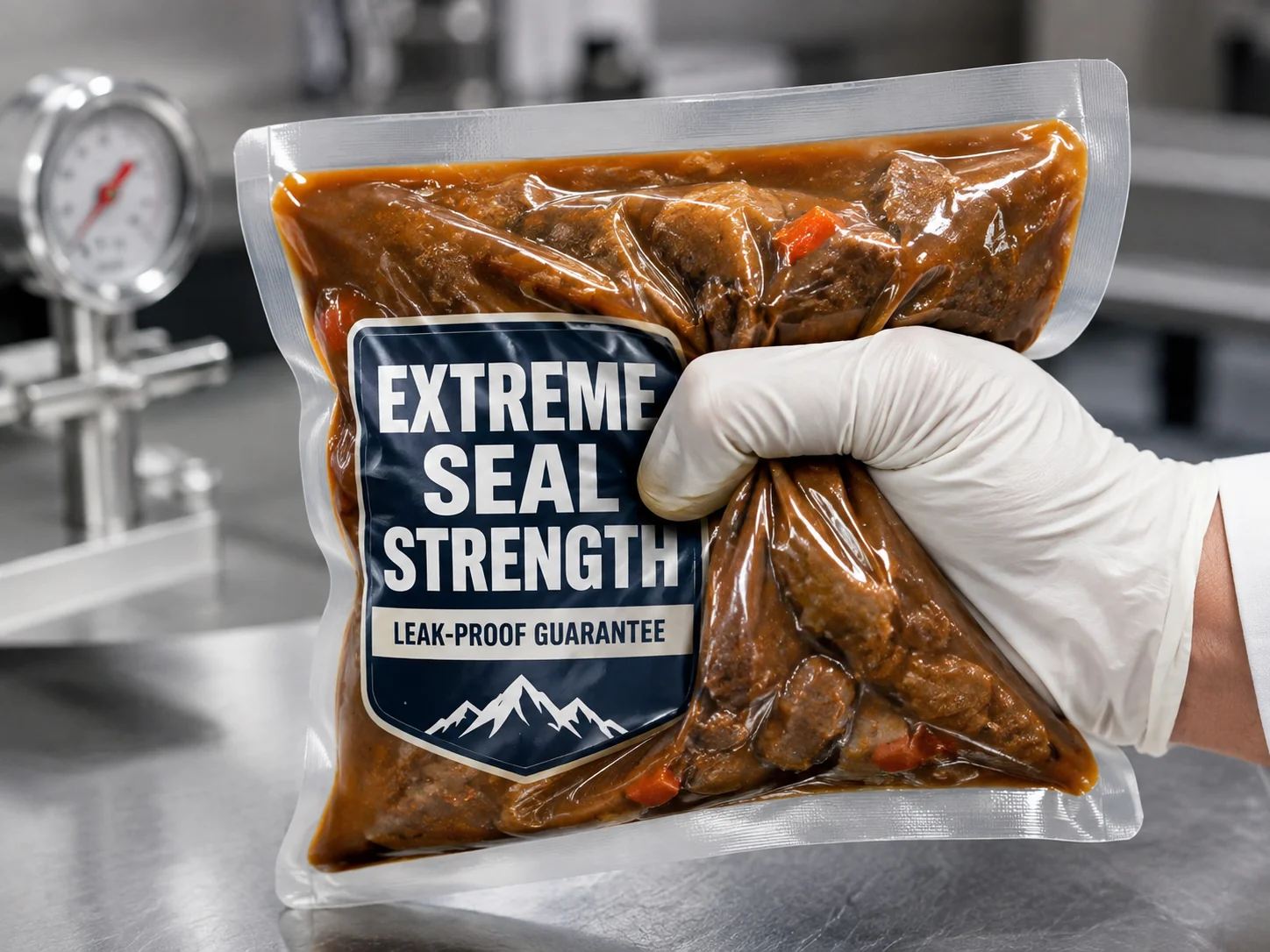
Frozen foods with broths, sauces, or oils require reliable sealing performance. Reliable heat sealing helps reduce the risk of leakage and film damage during transport, handling, and pallet stacking.
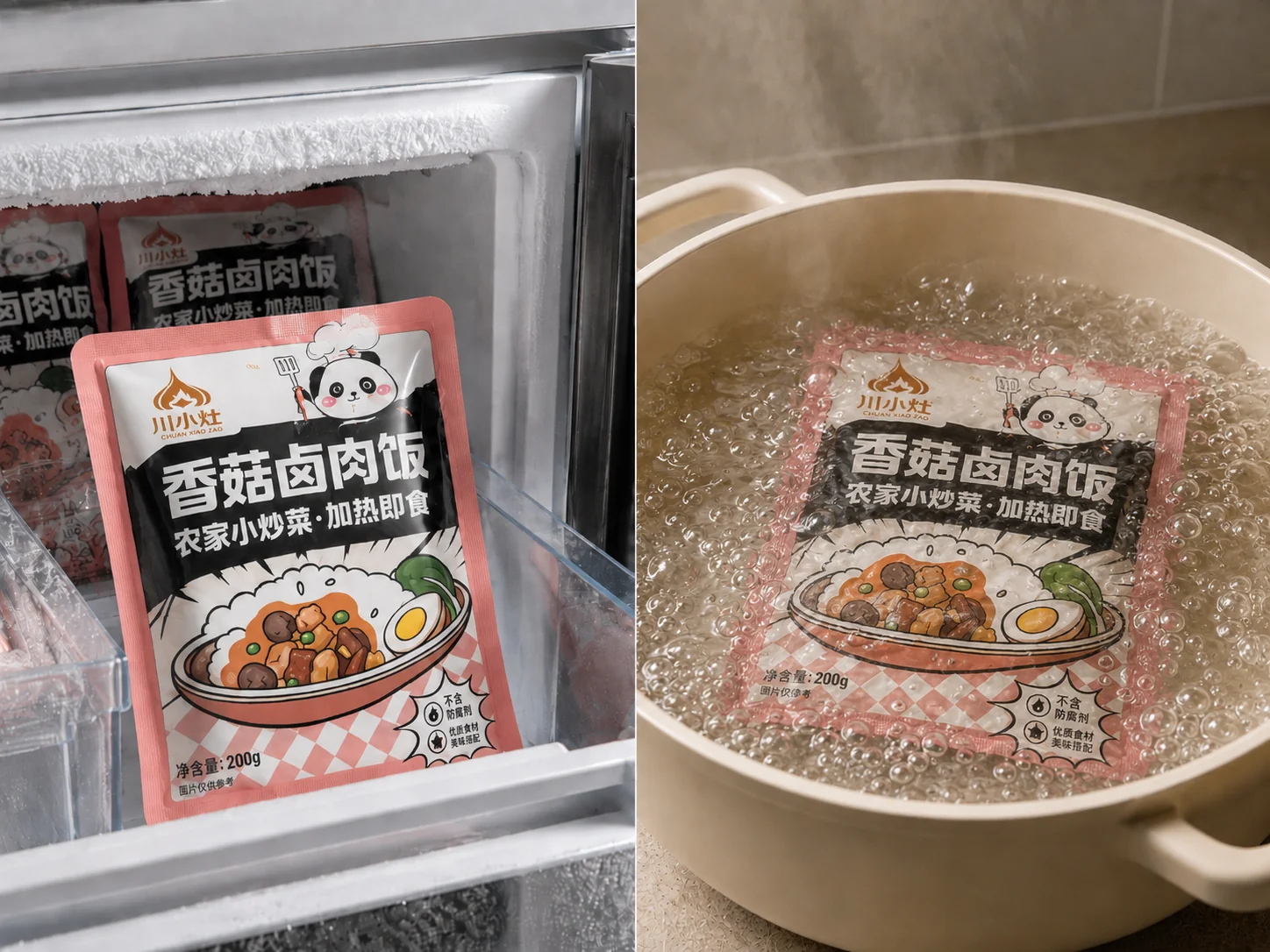
Frozen products move through freezing, storage, thawing, heating and occasional re-sealing from production and distribution to consumer use. Structures are chosen to maintain reliable performance across the intended handling and use conditions.
Recommended Packaging Structures
We recommend material structures based on the product, filling process, storage conditions, and intended application.
| Product Type | Recommended Material Structure | Key Packaging Benefits |
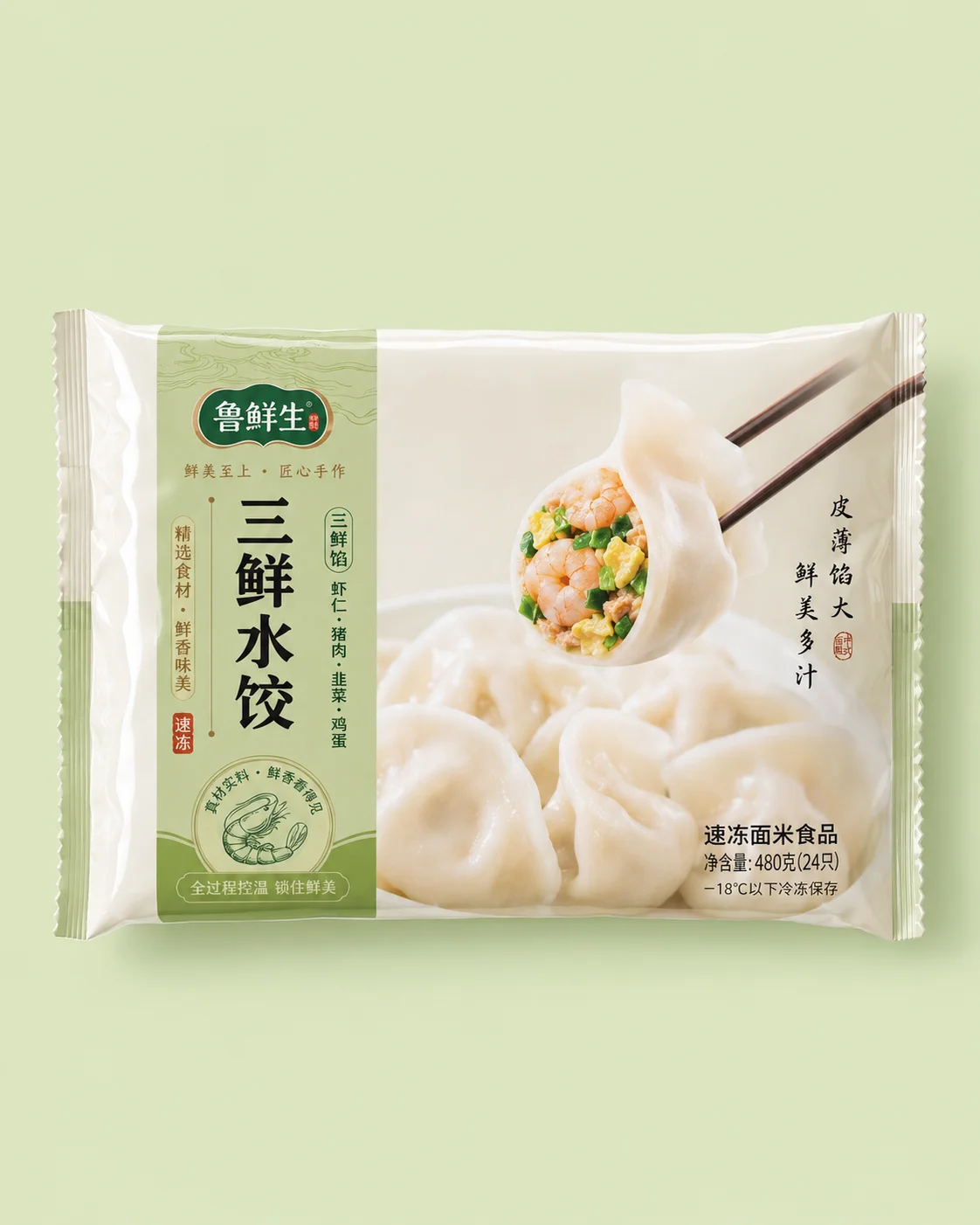
| Frozen Dumplings, Buns & Noodles | PET/PE, PET/PA/PE | Good low-temperature durability, impact resistance, and protection during handling |
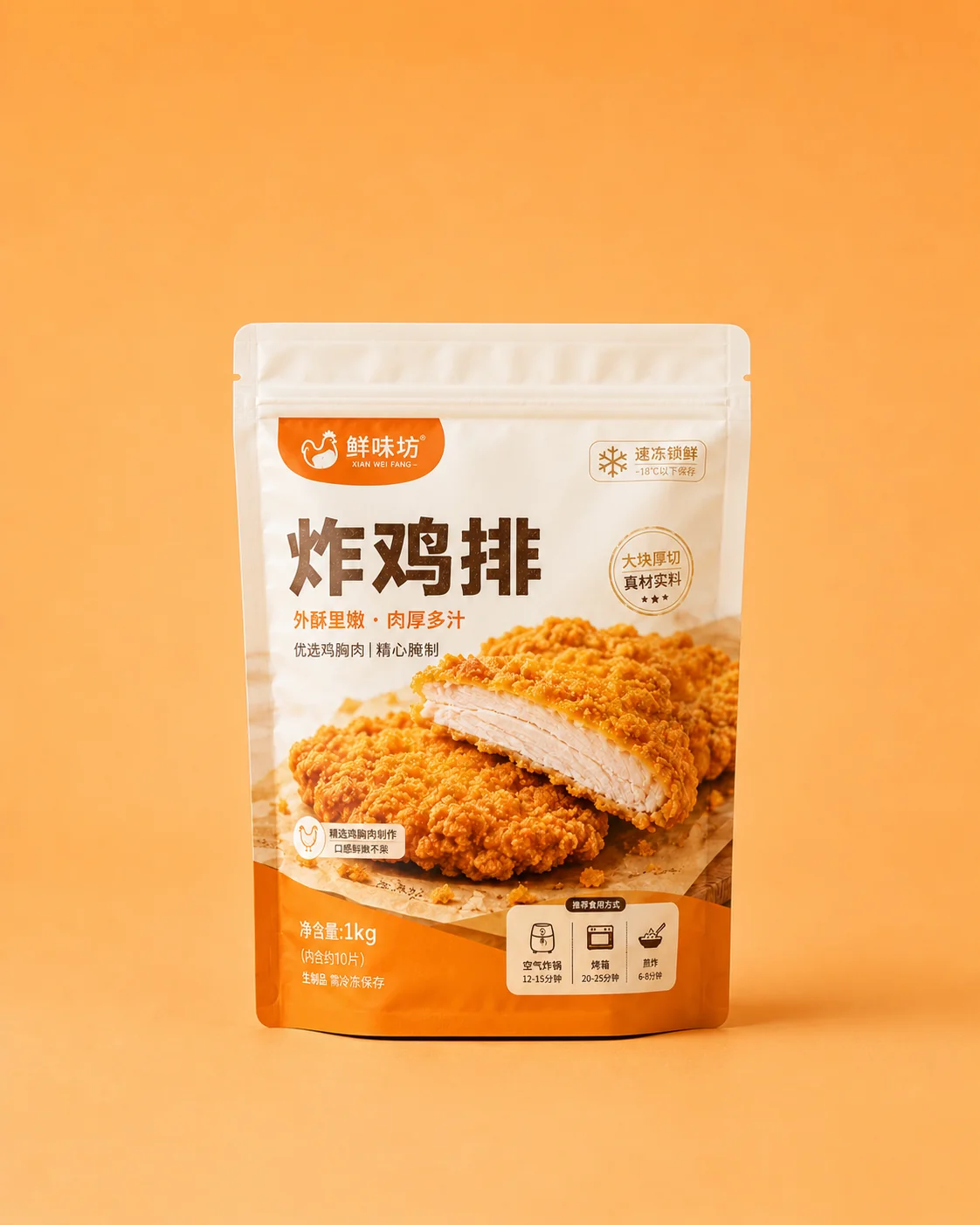
| Frozen Meat & Seafood | PET/PA/PE, PET/PE | Strong oxygen barrier, reliable sealing, and puncture resistance |
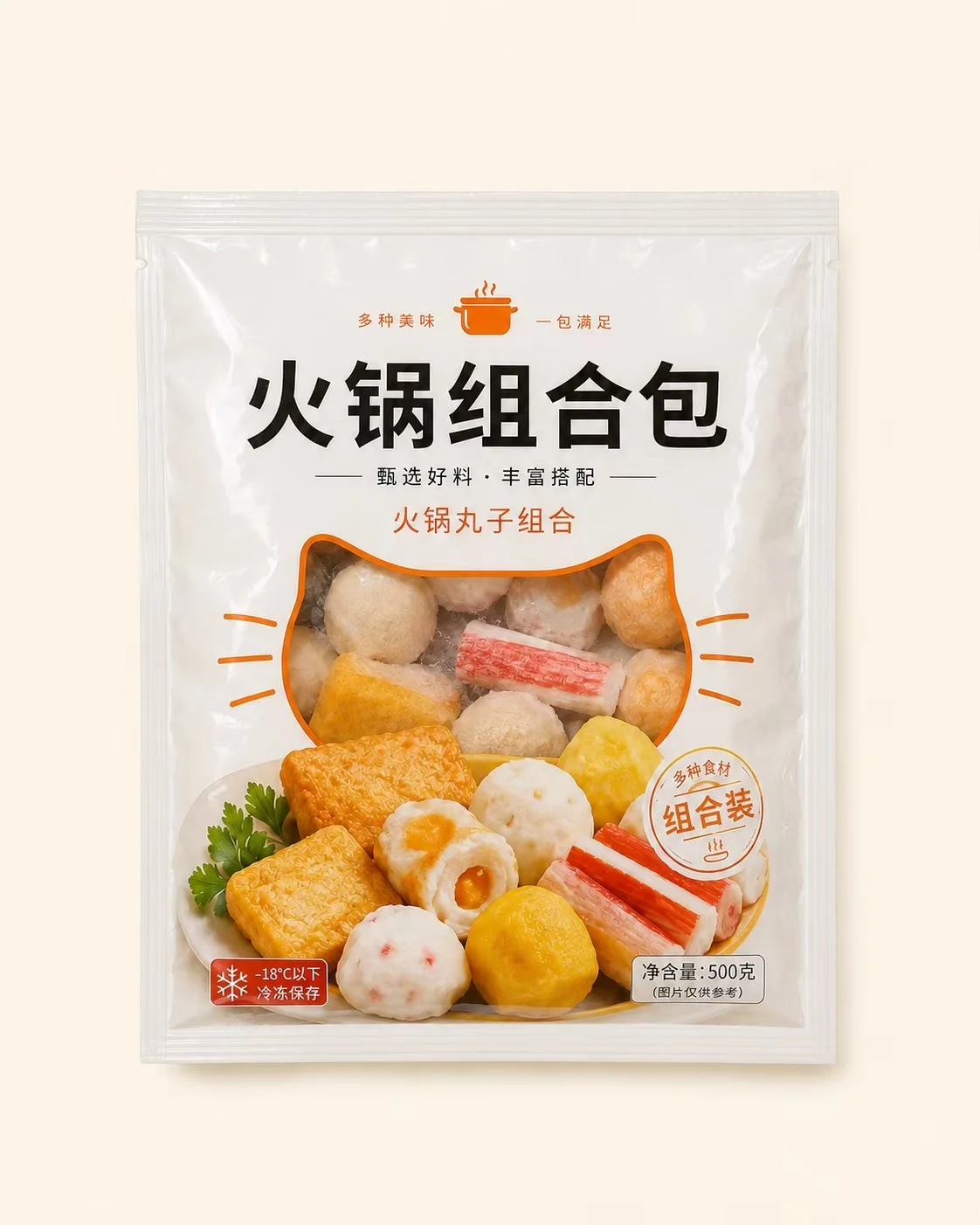
| Hot Pot Ingredients | PET/PE, PET/RCPP, PET/AL/RCPP | Oil resistance, dependable sealing, and compatibility with heat-processing applications |
| Ready Meals & Cooking Packs | PET/AL/RCPP, PET/PA/RCPP | Suitable for retort processing, with excellent heat resistance and barrier performance |
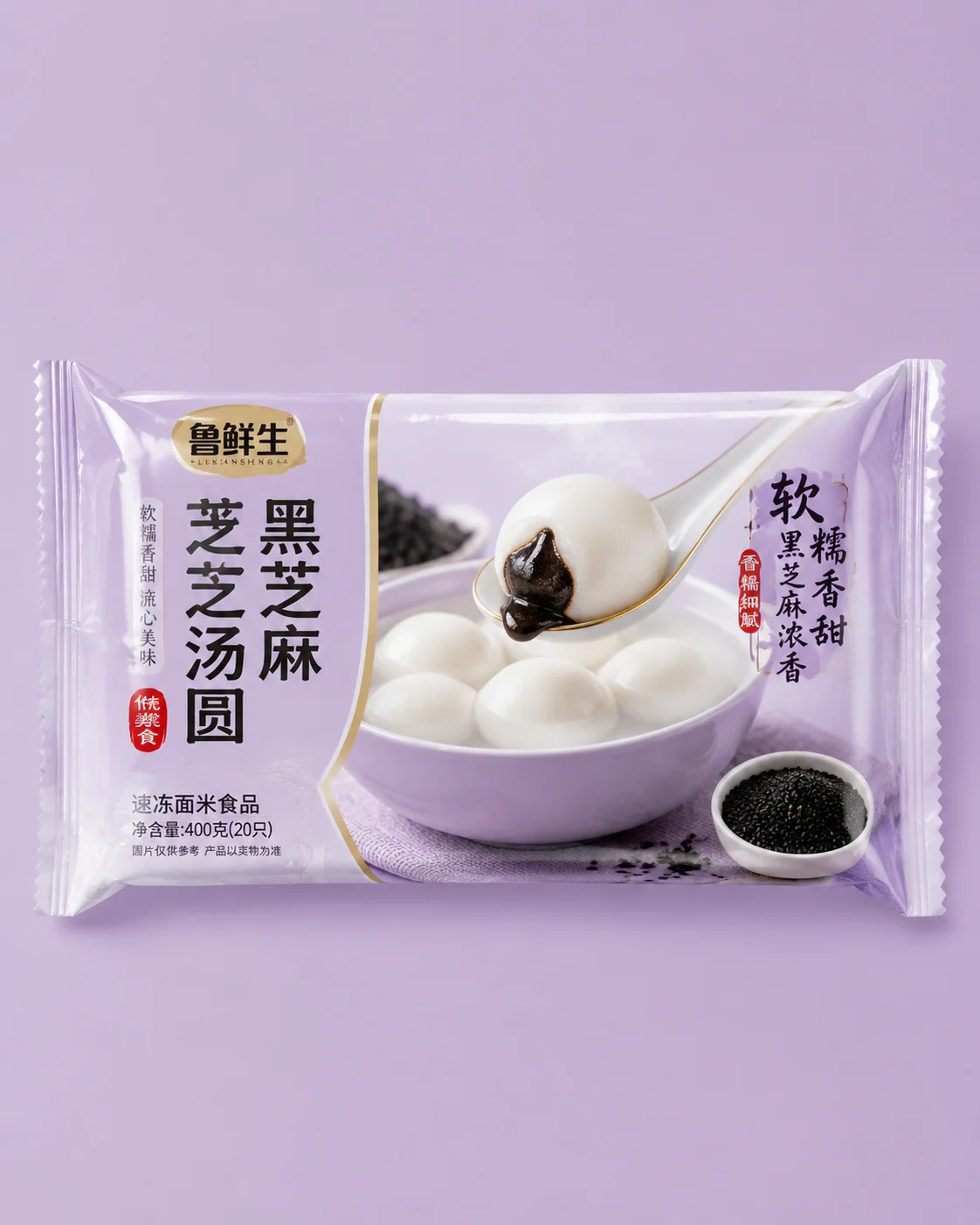
| Ice Cream & Frozen Desserts | BOPP/PE, PET/PE, PET/VMPET/PE | Moisture and oxygen protection to help preserve texture and product quality |
| Frozen Fruit & Vegetables | PET/PE, PET/EVOH/PE | Moisture protection and barrier performance that help maintain color, appearance, and quality during frozen storage |
| Sustainable Packaging Options | Mono-PE, MDO-PE/PE, PE/EVOH/PE | Designed for mono-material recycling while balancing barrier performance and recyclability goals |
Each product requires a different balance of barrier performance, seal integrity, and packaging structure.
Packaging Features for Frozen Foods
Resealable Zipper
For frozen foods used over multiple servings, a resealable zipper lets the pouch be reclosed after opening, limiting air and moisture contact with the remaining contents between uses.
Rounded Corners
Rounded corners help lower the risk of impact damage to the pouch during transport and storage, reducing the chance of film damage at the pack edges.
Easy-Open Tear Notch
An easy-open tear notch provides clean, tool-free first opening, making frozen packs simpler and faster to access.
Clear Product Window
Partial clear areas let shoppers view frozen fruits, vegetables and quick-frozen products before buying, while the surrounding barrier film continues to meet cold-chain protection needs.
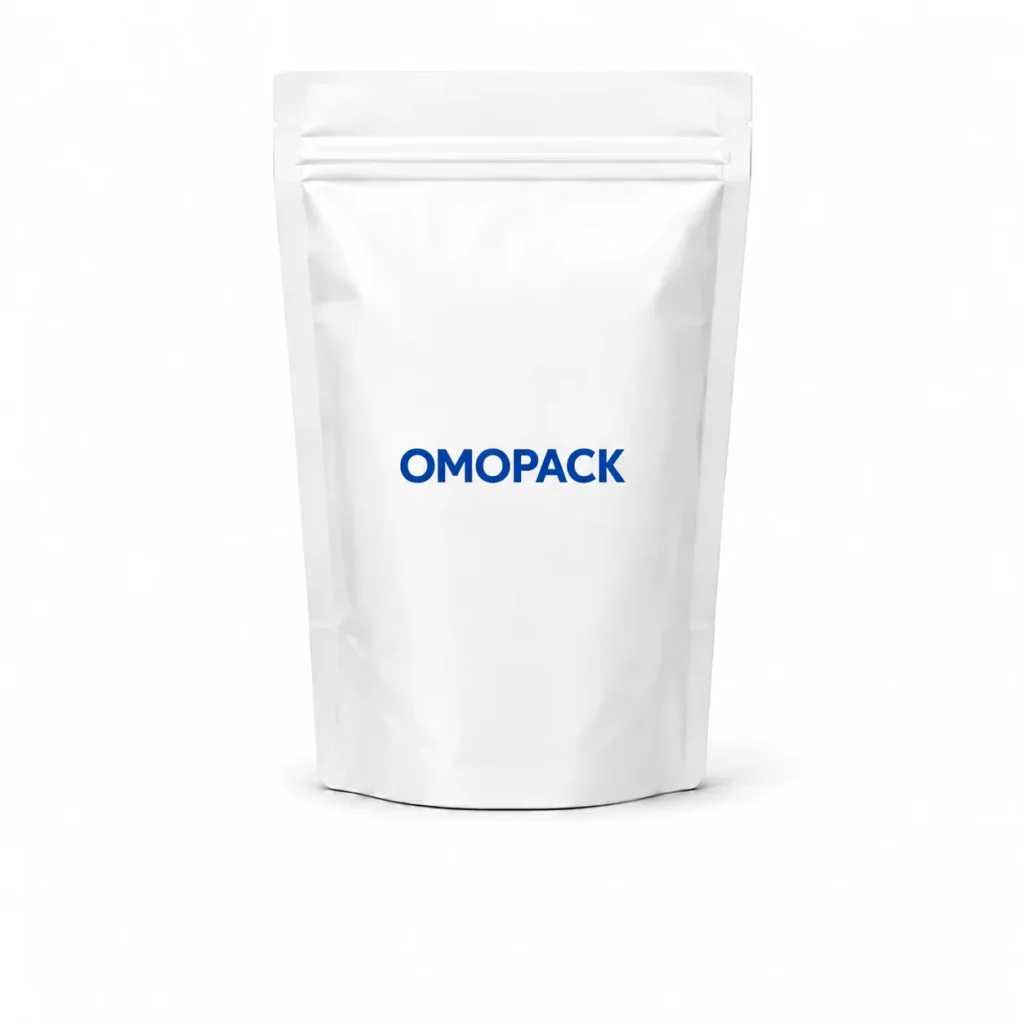
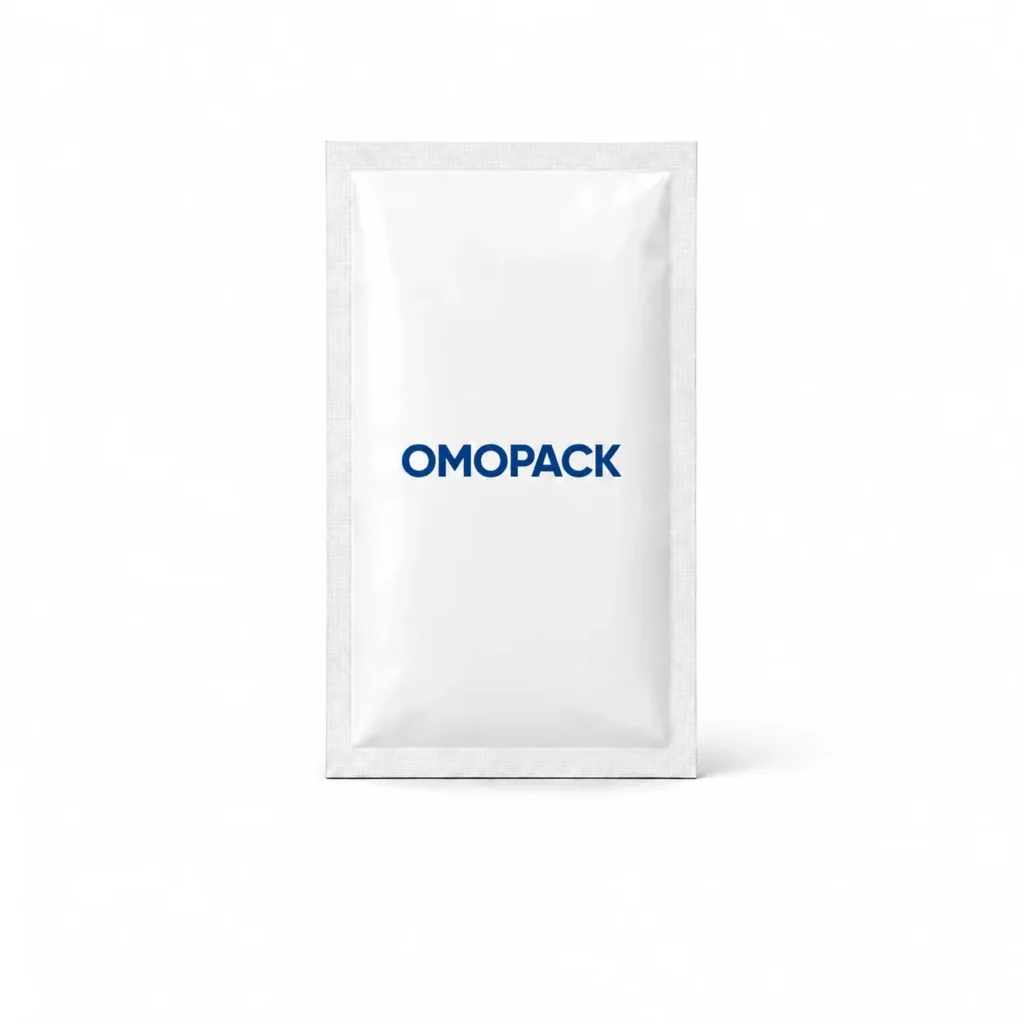
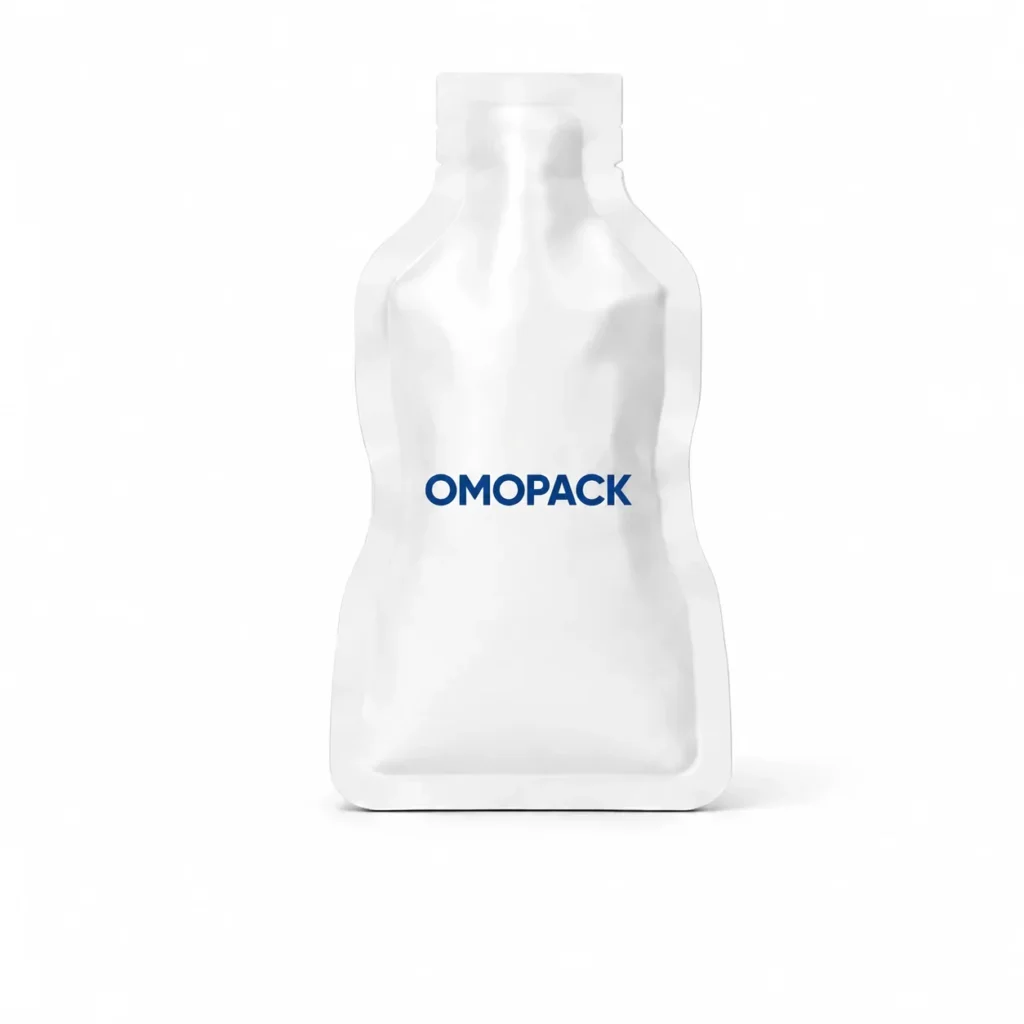
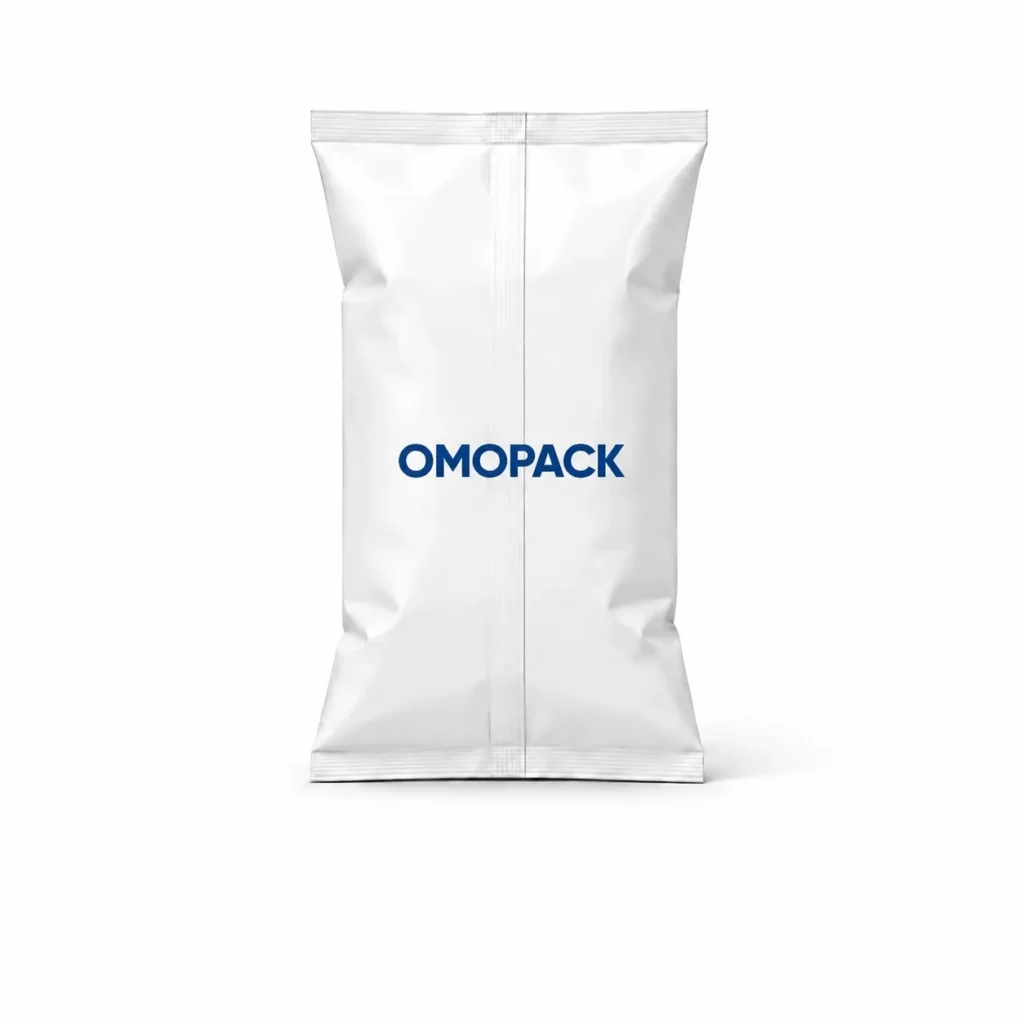
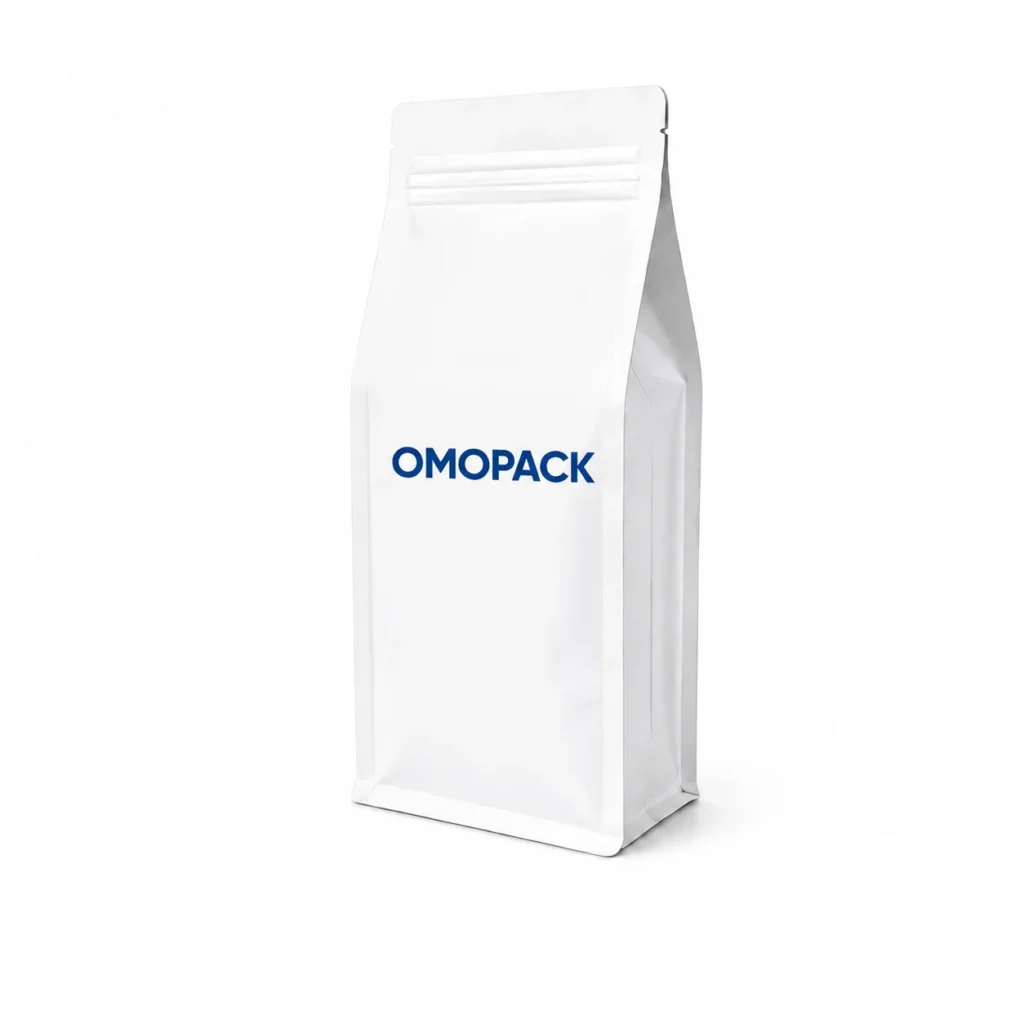
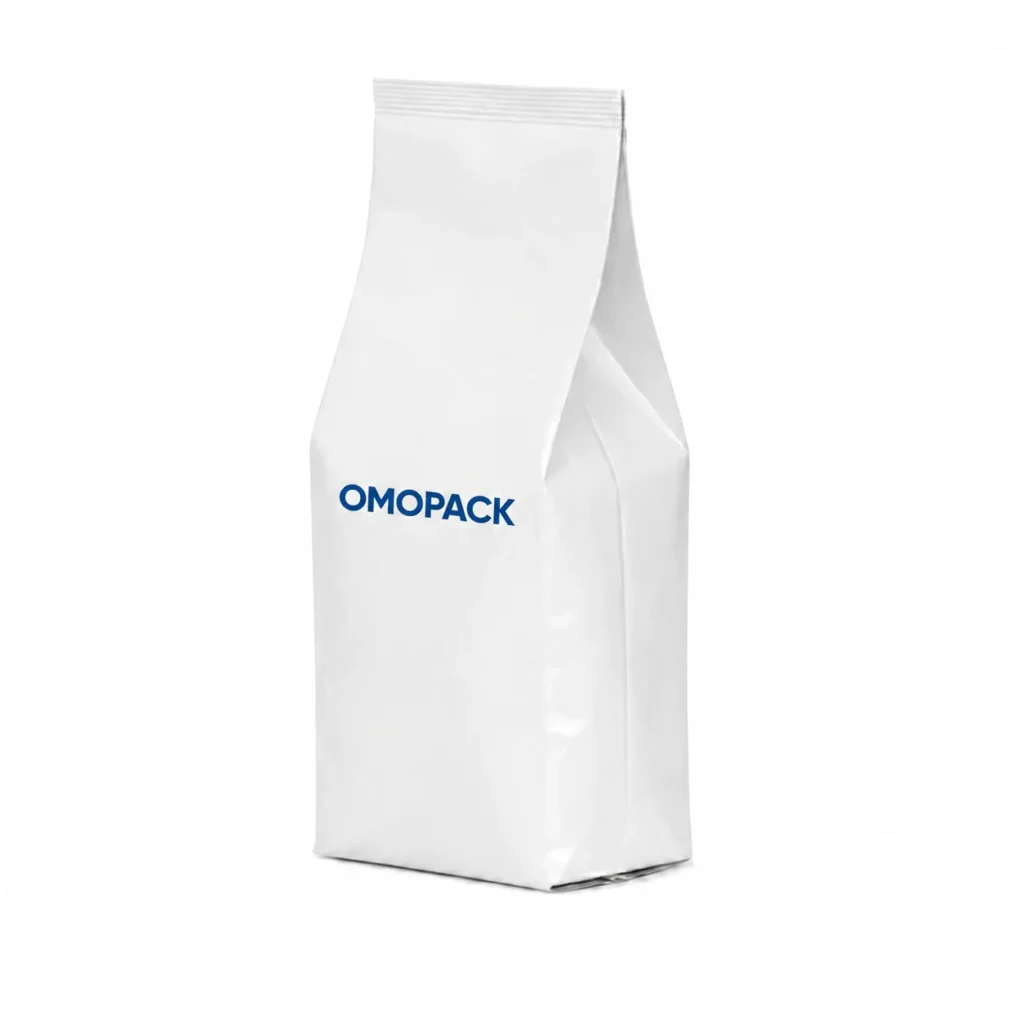
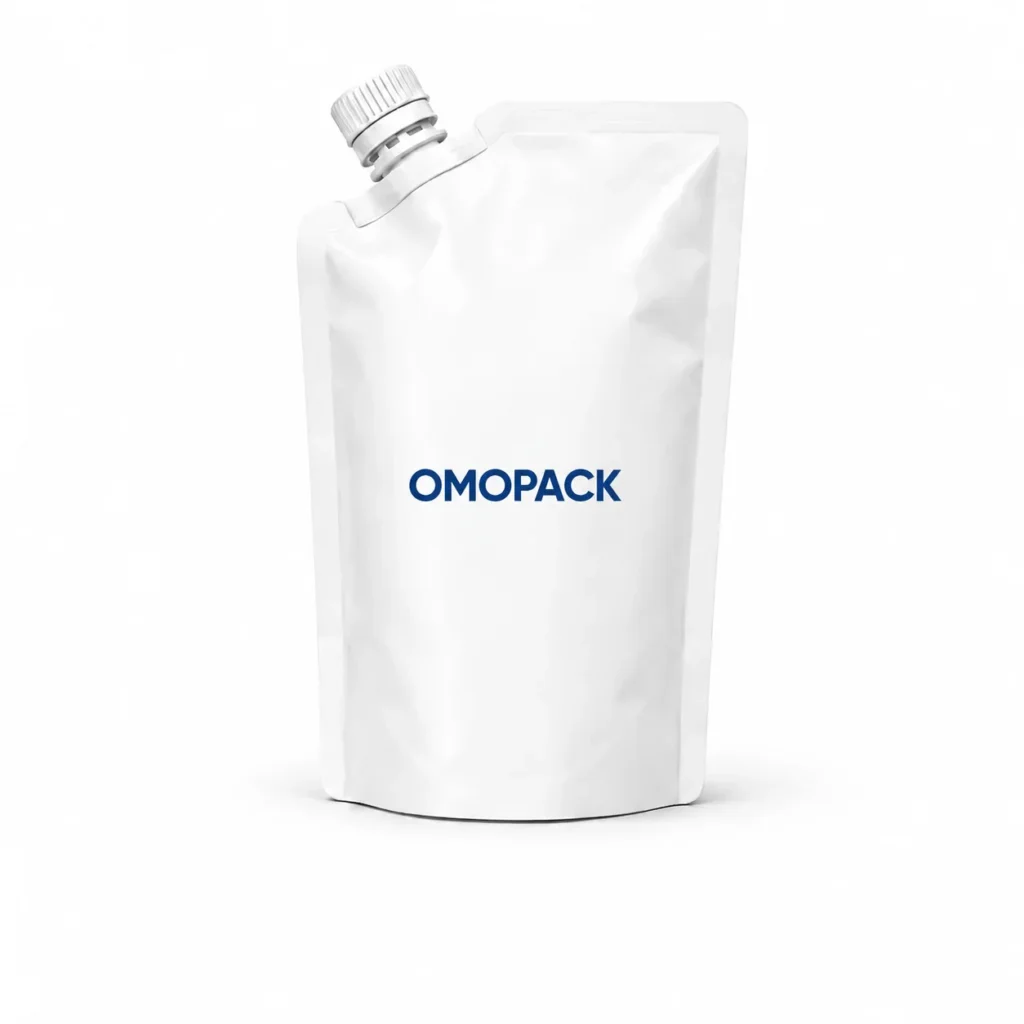
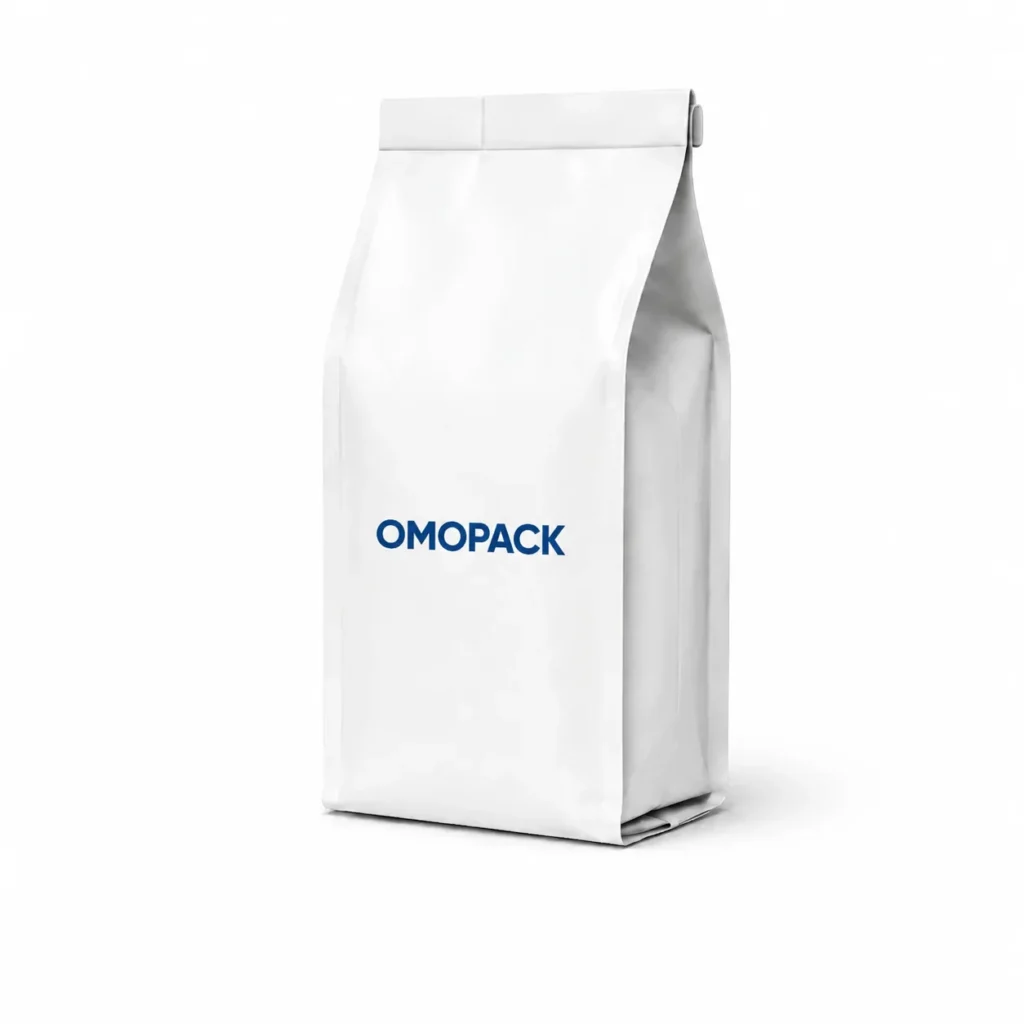
Recommended Pouch Formats for Frozen Foods
Choose the pouch format that best fits your product, filling process and retail requirements.
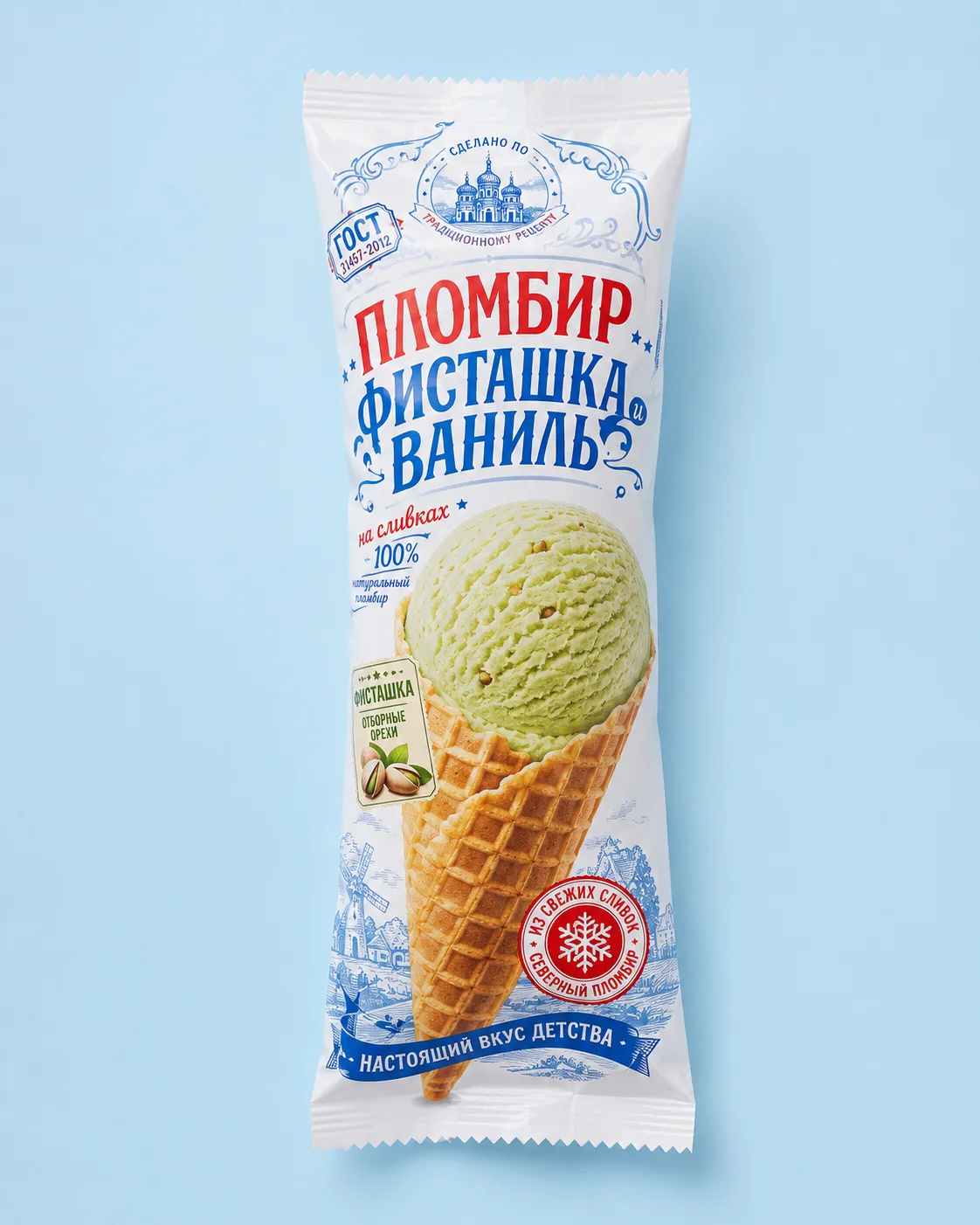
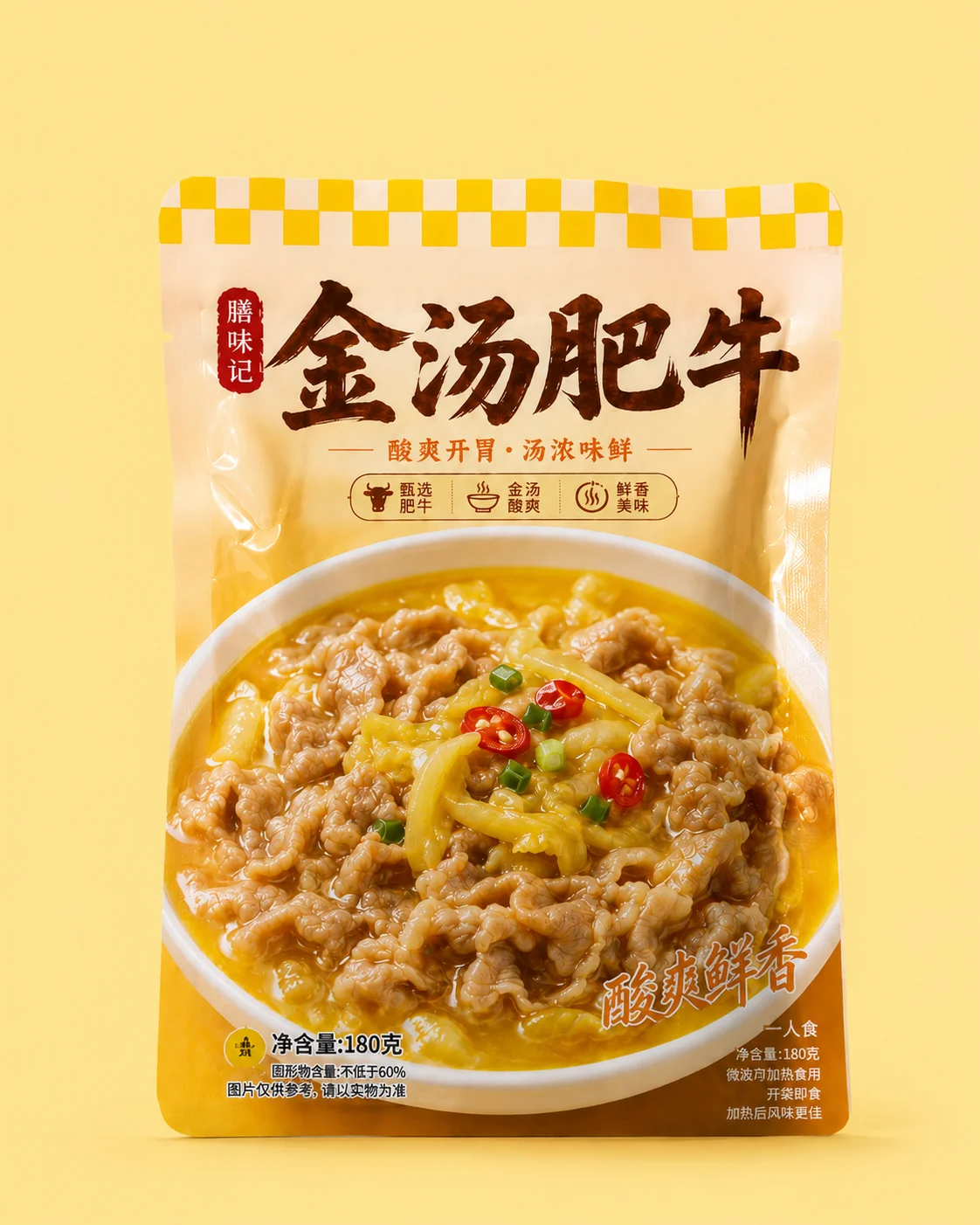
Frozen Food Packaging Examples
Frozen Food Packaging FAQs
Can frozen food packaging meet heating or cooking requirements?
Yes. For prepared meals and meal kits that need heating, packaging is chosen according to the processing method so it can stand up to steaming, reheating and other use steps while remaining stable during handling.
What properties does frozen food packaging need?
Frozen food packaging generally needs low-temperature resistance, reliable sealing, puncture resistance and good barrier performance to handle the different demands of frozen storage, cold-chain transport and end use.
Why are frozen food packages prone to breakage or leakage?
Low temperatures can make some films less flexible, and compression or impact during transport, along with product oils and liquids, can sometimes cause breakage or seal failure. The film structure should be matched to the product characteristics.
Can frozen food packaging prevent freezer burn and moisture loss?
Yes. Barrier film structures help limit moisture exchange, reducing moisture loss and changes in texture and product quality during frozen storage and helping the product keep its taste and texture.
What is the difference between prepared-meal packaging and ordinary frozen food packaging?
Besides frozen storage, some prepared foods are also thawed, reheated or cooked before use, which places higher demand on the packaging’s temperature resistance, sealing and overall stability. These factors should be matched to how the product is actually processed and consumed.
Custom Packaging Solutions for Your Products
We are a custom flexible packaging manufacturer serving the food, beverage, home & personal care, beauty and pet industries. From structural design and material selection to printing and finishing, we work with brands to deliver packaging that protects their products and presents them well in the market.
Mobile:
Whatsapp:
176-0225-9808
139-3270-8858
Company Address:
Yuqiao Town Economic Development Zone, Dongguang County, Cangzhou City, Hebei Province, China
Business Email:
service@omopack.com