
Vacuum Pouch Packaging
Vacuum pouch packaging removes air before the pouch is heat-sealed, reducing residual air and helping protect freshness and product stability during transport.
What Is Vacuum Pouch Packaging?
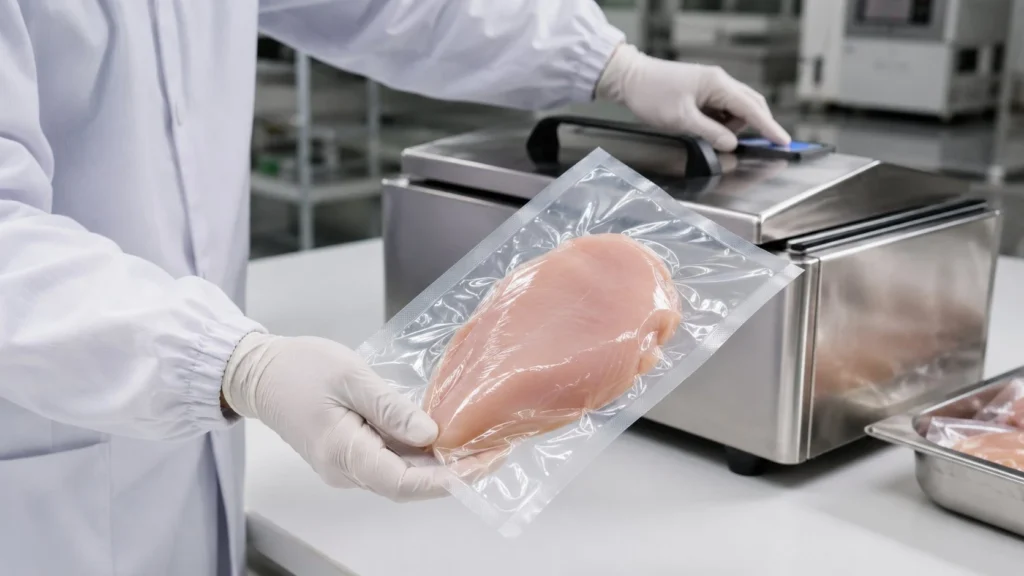
A vacuum pouch, also commonly called a vacuum bag, is a laminated flexible package designed for use with vacuum packaging equipment. During packaging, the product is placed in the bag, the air is extracted with a vacuum device, and the bag mouth is then heat-sealed to create a sealed state.
Compared with ordinary food bags, vacuum pouches require greater attention to seal integrity, puncture resistance, low-temperature adaptability and a form-fitting effect. After vacuuming, the bag clings tightly to the surface of meat, fish, cooked food or frozen food, forming natural wrinkles and a fitted texture that helps reduce residual air and improves product stability during refrigeration, freezing, transport and sale.
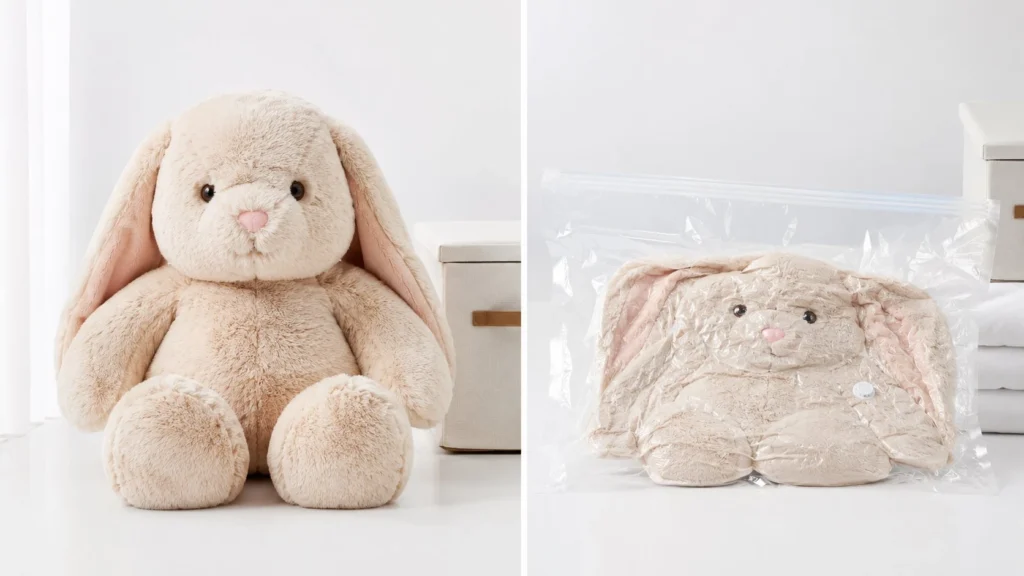
Advantages Of Vacuum Pouch Packaging
Reduced Air Exposure For Better Freshness Protection
By reducing residual air inside the pouch, vacuum pouches limit the food’s exposure to oxygen, helping slow oxidation, odor transfer and moisture loss — ideal for meat, fish, deli, braised food and prepared meals.
Form-Fitting Packaging For Clear Product Visibility
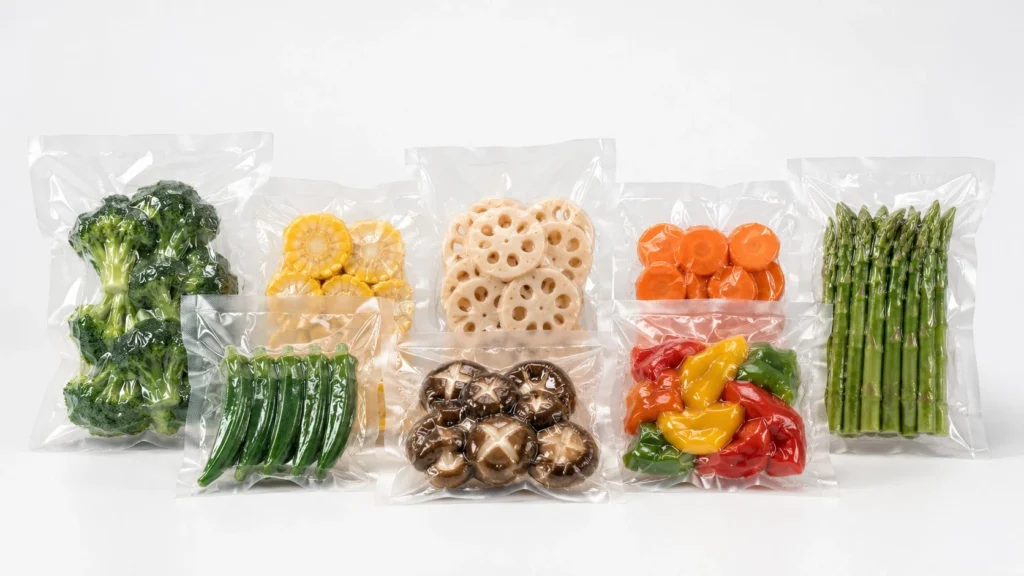
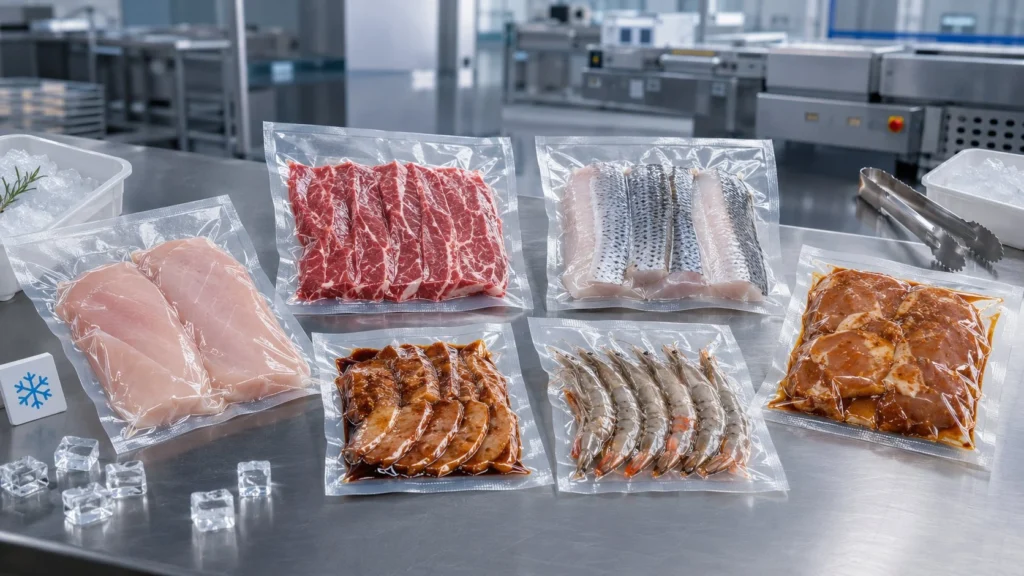
After vacuuming, clear vacuum bags hug the contents tightly so consumers can see the product directly — ideal for chicken breast, steak, fish fillets, seafood, corn segments, lotus root slices and lemon slices that showcase raw ingredient quality.
Puncture-Resistant For Meat And Fish
Meat, fish, seafood and bone-in foods can put stress on or puncture the packaging. Vacuum pouches can use puncture-resistant laminates such as PA/PE, PET/PA/PE and PET/NY/PE for better toughness and transport stability.
Suitable For Refrigerated And Frozen Transport
Vacuum pouches can be made with laminates selected for low-temperature applications, including chilled foods, frozen meat, frozen seafood and e-commerce cold-chain delivery.
Flexible Options For Different Production Needs
Vacuum pouches work with manual, semi-automatic and automatic vacuum packaging equipment. Width, height, thickness and material structures can be customized to suit product requirements, from small production runs to large-scale food manufacturing.
Vacuum Pouch Packaging Specifications
The following are common technical parameter ranges for vacuum pouch packaging and can be adjusted to suit specific product requirements:
| Parameter | Specification / Options | Description |
|---|---|---|
Size Specifications | ||
| Bag Size | Width: 60–400 mm Height: 100–600 mm | Custom sizes available for meat, seafood, prepared meals, frozen food and other products |
| Bag Thickness | 70–200 μm | Selected according to product weight, puncture resistance and storage requirements |
| Pouch Type | Three-Side Seal, Quad Seal, Open-Mouth Vacuum Bag, Vacuum Roll Film | Selected according to filling method, packaging equipment and production requirements |
| Materials | ||
| Standard Vacuum Materials | PA/PE, PET/PA/PE | Suitable for transparent vacuum packaging of meat, seafood, cooked food and frozen food |
| Puncture-Resistant Materials | PET/NY/PE, PET/PA/PE | Recommended for bone-in meat, seafood and harder products |
| High-Barrier Materials | PET/AL/PE, PET/AL/NY/PE, PET/VMPET/PE | For enhanced oxygen, moisture, light and aroma protection |
| Printing & Finishing | ||
| Printing | Gravure / Digital / Partial Printing | Custom logos, product information, barcodes and other graphics available |
| Print Colors | 1–10 Colors | Full or partial printing available while retaining transparent display areas |
| Surface Finish | Clear, Gloss, Matte, Metallized, Foil | Selected according to product display, branding and barrier requirements |
| Optional Features | ||
| Functions | Tear Notch, Rounded Corners, Puncture Reinforcement, Freezer Suitability | Optional features available according to product and storage requirements |
| Commercial Information | ||
| MOQ | Digital: 500–1,000 pcs Gravure: 5,000–10,000 pcs | Final MOQ depends on size, material, thickness and printing process |
| Sample Lead Time | 3–7 Days | For confirming size, material, sealing and vacuum performance |
| Production Lead Time | 10–25 Days | Depends on order quantity, material availability and production schedule |
| Customization | Custom Size, Material & Printing | Produced according to artwork, samples, product dimensions and packaging requirements |
Products Suitable For Vacuum Pouch Packaging
Meat Vacuum Packaging
Vacuum bags suit chicken breast, steak, pork, lamb, bone-in meat and chilled fresh meat. The clear film directly displays the meat, and after vacuuming the bag hugs the contents, helping minimize residual air.
Fish And Seafood Packaging
Fish fillets, shrimp, crab, shellfish and frozen seafood can use vacuum bags. Since seafood edges, bones and shells may cause puncture risk, puncture-resistant laminates with increased thickness are recommended.
Cooked And Marinated Food Packaging
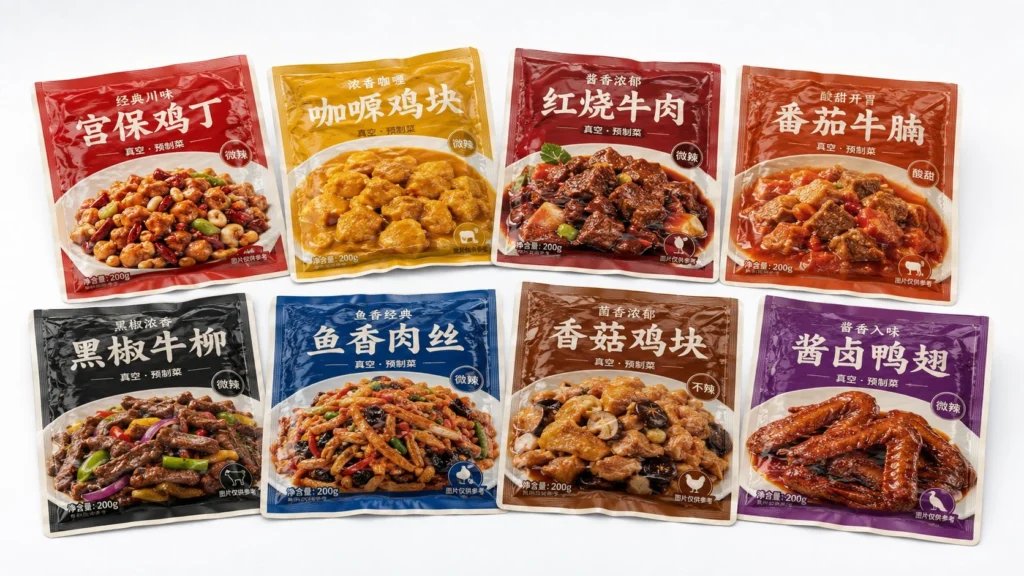
Braised beef, marinated meat, sausages, ham, cooked chicken breast and prepared meals can use vacuum bags. Depending on shelf life and display needs, clear film, foil film or metallized laminates are available.
Fruit, Vegetable And Prepared Ingredient Packaging
Corn segments, lotus root slices, lemon slices, bamboo shoots, mushrooms and semi-prepared ingredients can use vacuum bags, suiting food processors, central kitchens and cold-chain distribution.
Vacuum Rollstock For Automated Packaging
For batch production in food factories, vacuum packaging roll film can be used with automatic packaging equipment to improve efficiency. Roll film can be customized by equipment width, package size, film thickness and printed design.
Vacuum Pouch Packaging Cases
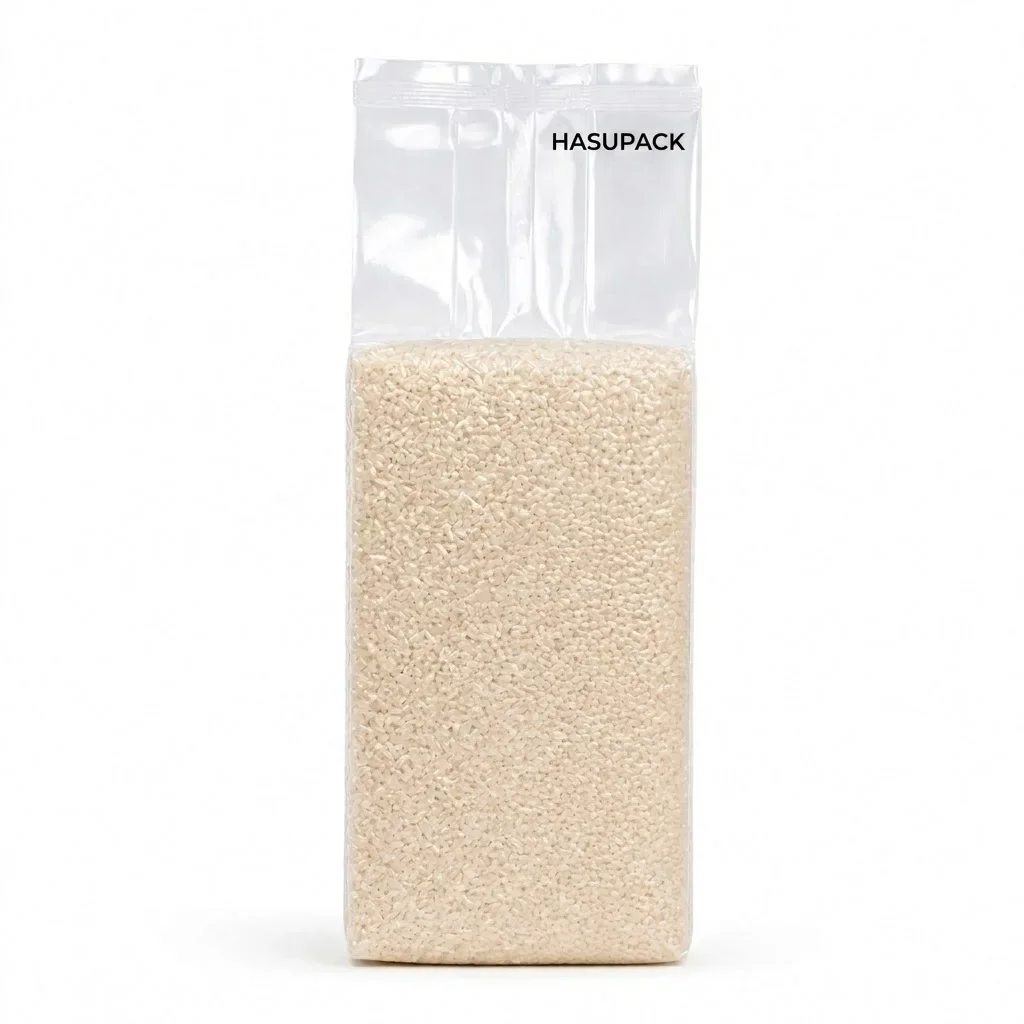
Transparent Food Vacuum Pouch Customization: Vacuum Brick Pouch Manufacturer for Rice, Grains and Dried Goods
了解详情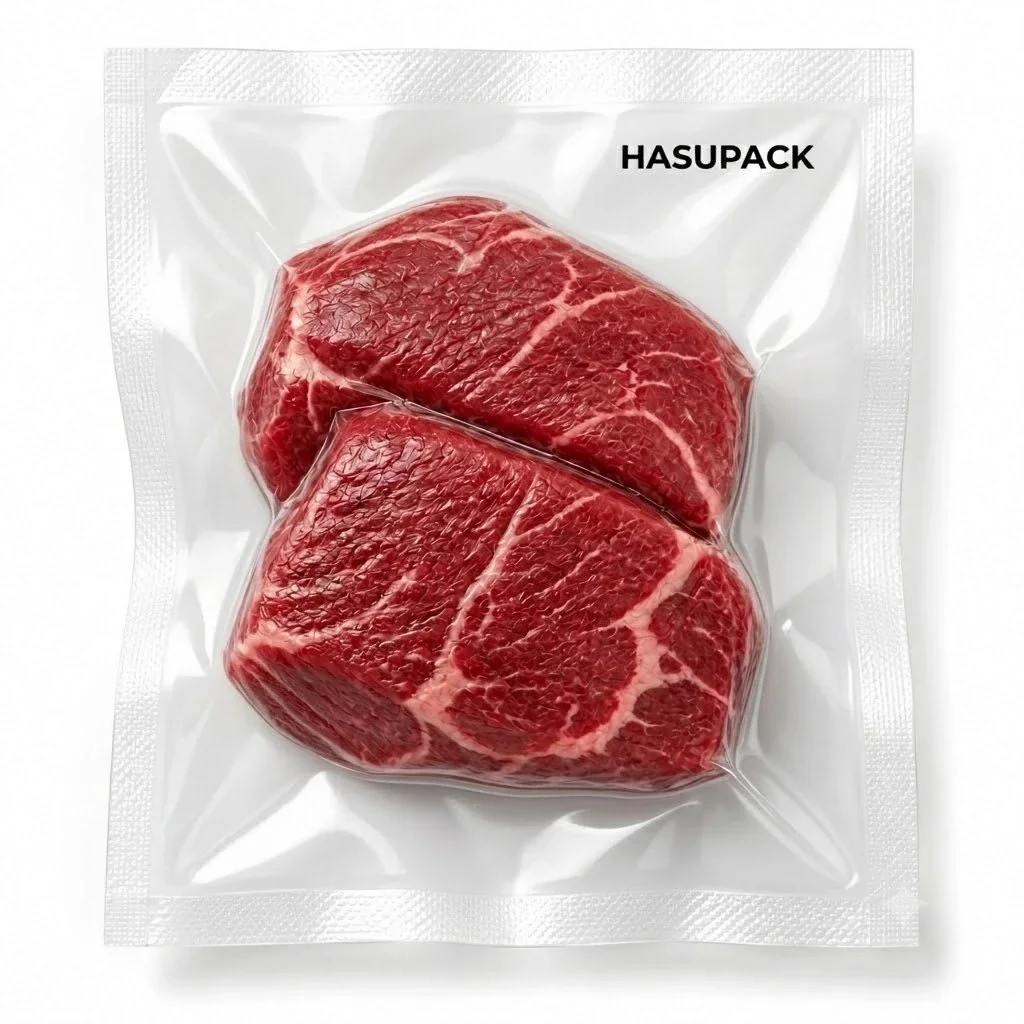
Meat Vacuum Pouch Customization: High-Barrier Freshness Pouches for Beef, Chicken and Frozen Seafood
了解详情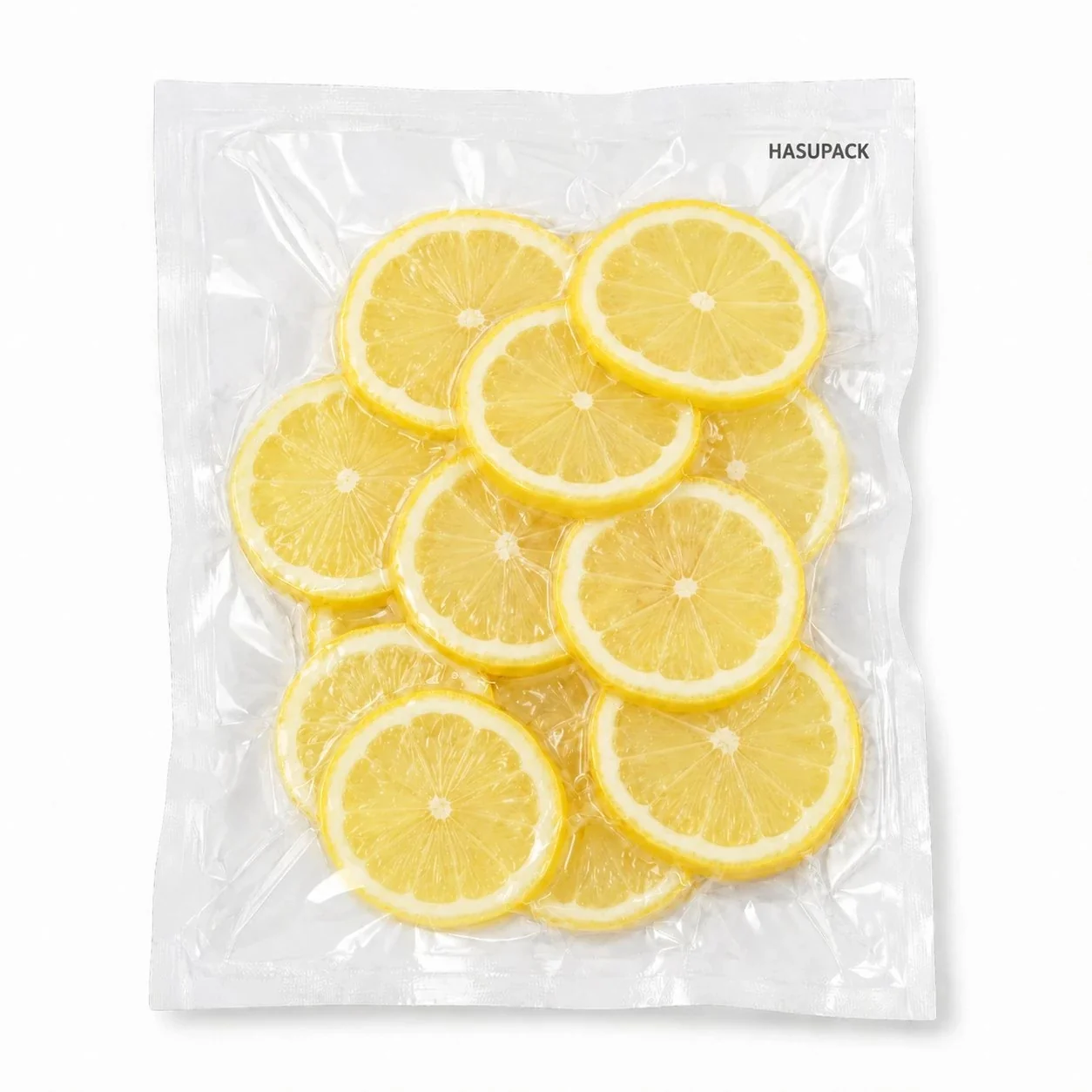
Fruit Slice Vacuum Pouch Customization: Food-Grade Transparent Vacuum Pouch Manufacturer for Lemon Slices and Vegetable Slices
了解详情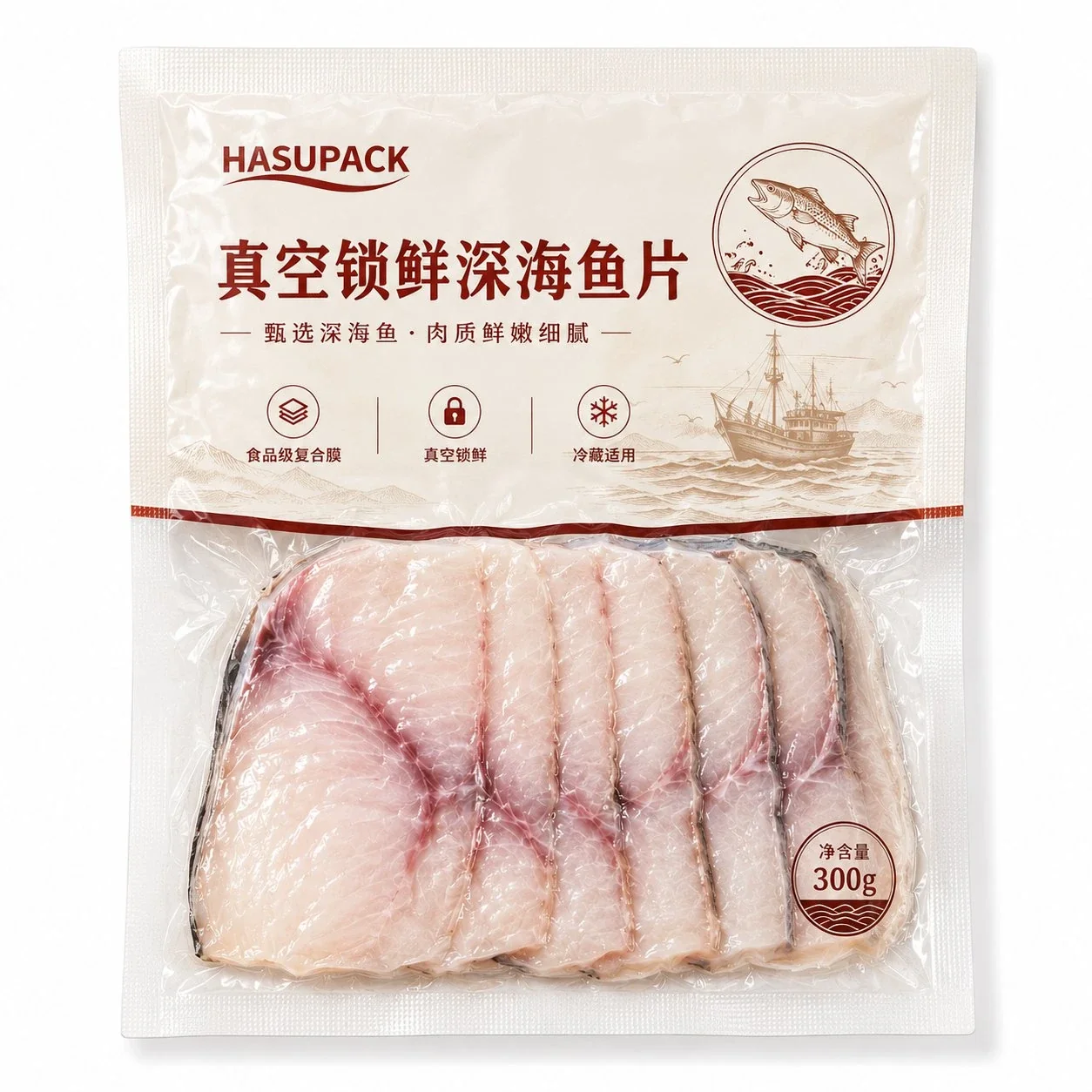
Food Vacuum Pouch Customization: Freezer Pouch Manufacturer for Fish Fillets, Seafood, Deli Meat and Fresh Meat
了解详情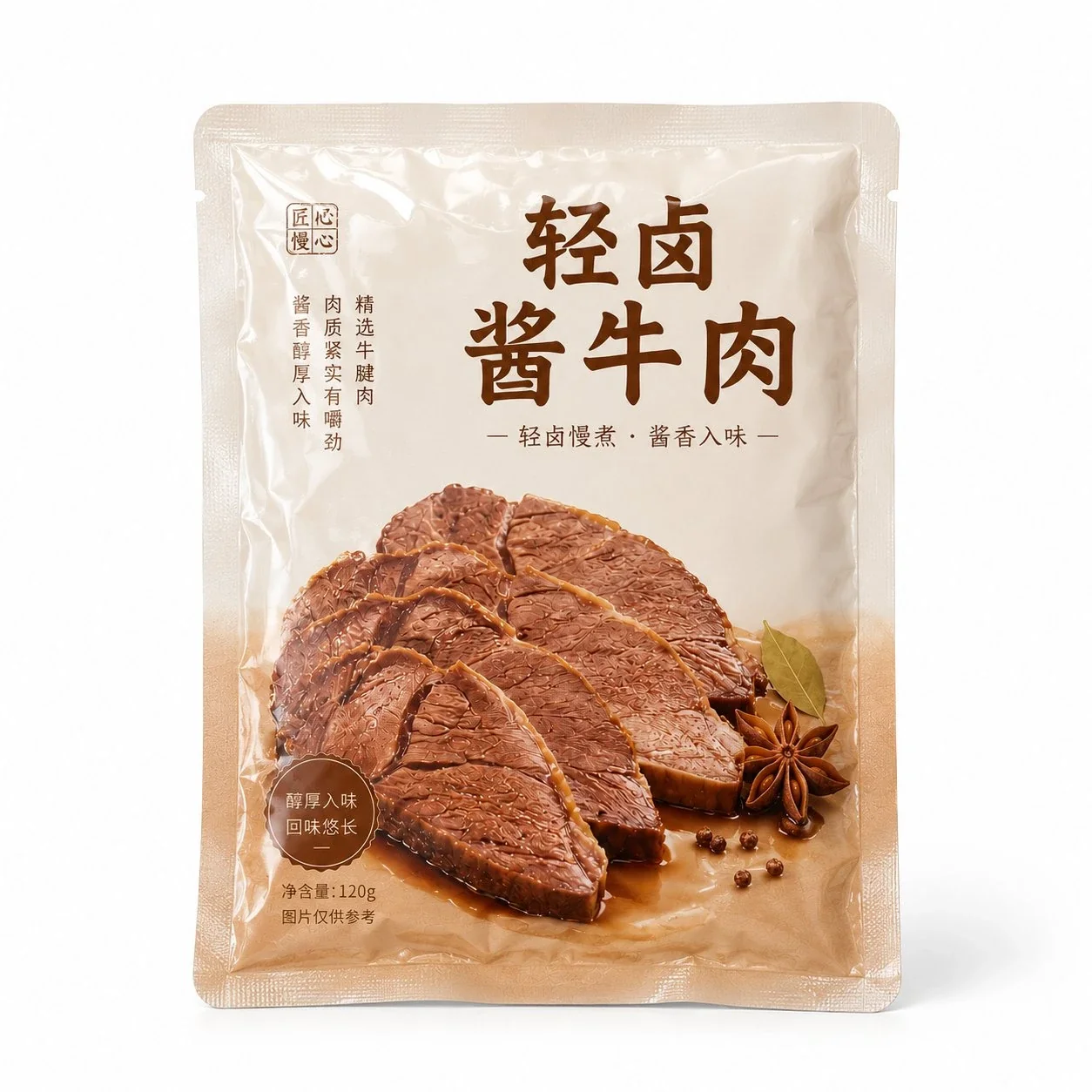
Braised Beef Vacuum Pouch Customization: Food-Grade Three-Side Seal Pouch Manufacturer for Deli Meat Products
了解详情