Spouted pouches are stand-up packs with an injection-moulded fitment welded into the top seal, and they earn their place with liquids that people pour, squeeze or drink straight from the pack. The format is not a single product. Fitment diameter, spout position, cap style and film structure are four separate decisions, and each one follows the liquid rather than the shelf. This page covers the types of spouted pouches used for liquids, where each belongs, and the choices that decide how cleanly the pack runs on a filling line.
Key Takeaways
- Fitment diameter is set by how the liquid flows, not by the nominal pack size.
- Spouted pouches suit liquids poured and closed again over several uses; a single-use portion is usually better in a sachet.
- Fitment, cap and film structure all touch the top seal, so settle them before artwork is finished.
Which liquids belong in a spouted pouch?
Products that pour at room temperature and are used over several sittings are the natural fit: fruit juices and nectars, drinkable yoghurt, smoothies, sauces and dressings, honey and syrups, liquid detergent and hand soap. The common thread is a consumer who wants a controlled pour and then wants to close the pack again.
Thin, clear liquids behave differently. Water-like products flow fast enough that a wide opening can splash on release, so a smaller orifice and a narrower shoulder usually work better. Thick products with suspended pieces, such as a sauce carrying herbs or fruit pulp, need the opposite: a larger opening so solids pass without clogging the pour. This applies to beverage, dairy and household liquid lines alike, and it is the first thing to settle before anything else is specified.
Which fitment diameter suits the product?
Fitments are grouped by orifice diameter, and the right size follows how easily the liquid moves. Thin products such as juice and milk-based drinks generally run through smaller orifices, while thick sauces, purees and pastes need a wider opening so a squeeze actually empties the pack. Doubling the diameter does not simply double the flow, because the pressure a consumer can apply through a flexible body is limited.
A practical way to set the size is to fill a sample by hand and time how long the pack takes to empty under a normal squeeze. If it feels slow, move up one size before moving to a softer film, since a wider opening is the cheaper correction. Fitment material matters too. Fitments are usually moulded in HDPE or PP, and the choice has to stay compatible with the pouch sealant layer so the welded joint is sound.

Concept packaging visual generated for editorial use. Not a customer project, not a tested structure.
How spout position changes handling
Fitments sit either centred on the top seal or offset towards one shoulder. A centre spout keeps the pack symmetrical and is the usual choice for shelf-facing litres of juice or detergent. A corner or offset spout lets the pouch drain when tipped, which matters for viscous sauces where a straight vertical squeeze leaves product behind.
Position also interacts with the filling line and the cap. An offset fitment takes up seal area on one shoulder, so the usable print panel narrows. On an in-line filler the fitment orientation has to be repeatable, because a capping head cannot index a spout that arrives at a random angle. Settle position early, since it is welded in the same sealing station as the body seam.
Pouch body formats built around a fitment
Not every pouch accepts a fitment equally well. Stand-up pouches with a folded base are the most common body for spouted packs, because they hold the pack upright on a shelf while the spout stays at the top. Flat-bottom and quad-seal bodies give a squarer, firmer silhouette that suits larger volumes and a more premium shelf presence.
For refill and industrial volumes, a spouted pack can also be built as a pillow or side-gusset body with the fitment welded into a formed shoulder. These run faster and use less film, but they do not stand unaided. Where resealing matters more than pouring, compare the options in this article on spout pouch fitment selection before the format is fixed.
Does the cap decide how long the pack stays usable?
Caps matter more than they look. A hinged or flip-top cap lets a consumer open and close the pack with one hand, which suits drinks and body-care refills used in a shower. A plain screw cap seats a little more positively on a wide orifice and is the usual choice for sauces that sit capped in a fridge between uses.
Neither cap creates a long-term hermetic closure across months of intermittent use, and no cap compensates for a film that does not protect the liquid. Treat the cap as a handling feature and the film as the protection, then confirm both on a filled sample rather than on an empty pouch.
Matching the film structure to the liquid
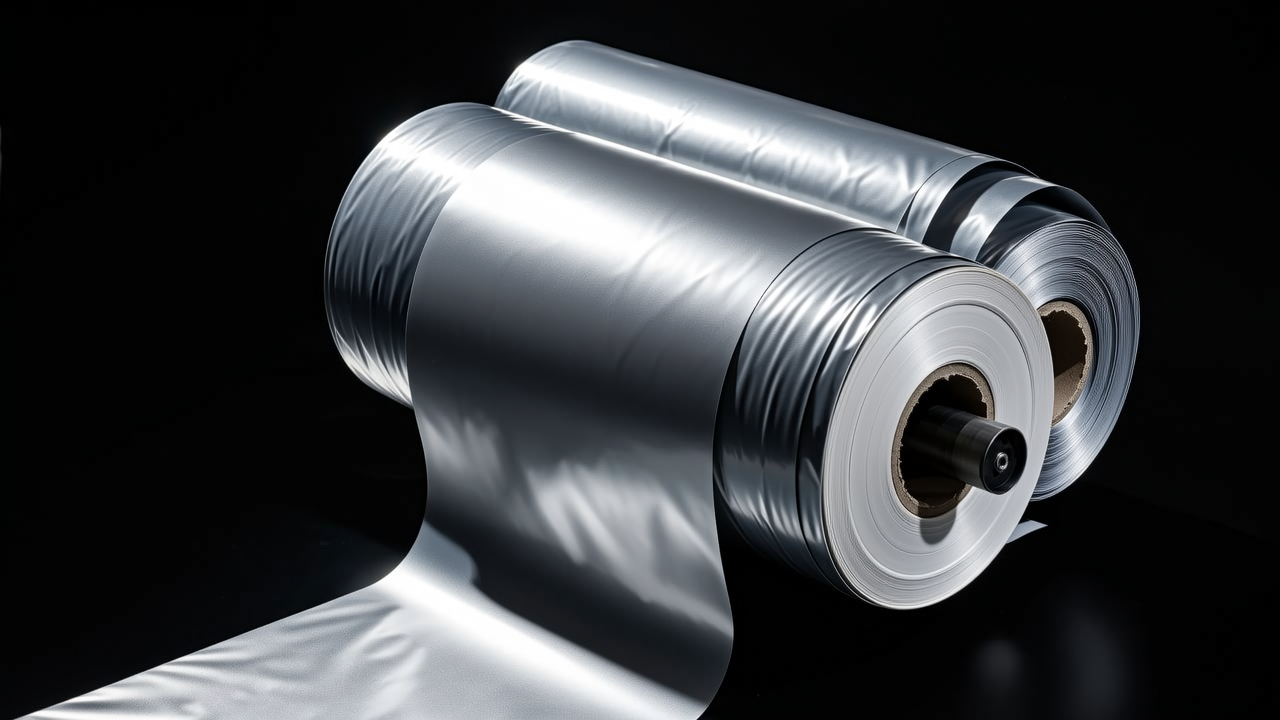
The pouch body carries the barrier duty, and the requirement comes from what the liquid is sensitive to. Light-sensitive and oxygen-sensitive products, including many juices and dairy drinks, are candidates for a metallised or foil-bearing structure, while products that mainly need mechanical strength and a clean seal can start from a simpler clear laminate.
Seal strength at the fitment is the point most often underestimated. The welded joint between a rigid fitment and a flexible film is the highest-stress area of the pack, and it is the joint that fails first in a drop. ASTM F88/F88M, the standard test method for seal strength of flexible barrier materials, is the reference worth asking for when fitment seals are checked rather than assumed.
Ordering checklist before tooling is ordered
- Target fill volume, and the maximum volume the pack must hold without straining the base seam.
- Orifice diameter, spout position and cap type, agreed as one group rather than separately.
- Liquid viscosity and any solids, with a filled sample timed for pour rate.
- Film structure and the expected use period, written down rather than implied.
- Filling machine type, nozzle clearance and the fitment orientation the capper expects.
- Artwork zone, because the fitment footprint reduces the printable panel.
When a spouted pouch is the wrong format
A spouted pouch is a poor answer for a product that must hold internal pressure, and for a portion used only once. Carbonated drinks need a container that resists carbonation pressure, which a flexible body with a screw cap does not provide. Single-serve liquid portions are handled faster and at lower material cost in a stick pack or a flat sachet.
The format is also a weak choice when the pack must survive very rough distribution without a secondary carton. A rigid fitment sitting on a flexible body concentrates impact at one point, so a corrugated tray or shipper is normally part of the design rather than an afterthought.
Filling line fit and fill volume
Fill volume is not the flat pouch dimension. Base gusset width and pack width act together, and a wider base adds both standing stability and film consumption. Confirm the target volume with a filled water test before committing to a die, because a pouch that looks correct flat can bulge or lean once the liquid is inside.
On the line itself, the two features that cause most trouble are fitment feeding and cap torque. Hand-fill runs tolerate more variation than an automatic capper, which needs a consistent spout height. For brands moving a range of sauces or refills, a custom sauce spout pouch built to one fitment platform is easier to run than several unrelated designs, and the wider category is covered under liquid beverage packaging.
Conclusion
Spouted pouches work when the fitment, cap, body and film are chosen as one system around a specific liquid. Start from flow behaviour and the number of uses, set the orifice and position next, then fix the film structure and confirm it on a filled sample. Nothing here fixes a standard for a particular product, so the pour rate, seal strength and drop performance of the final pack still have to be verified on your own liquid and your own line before the design is frozen.
Frequently Asked Questions
Are spouted pouches suitable for carbonated drinks?
Usually not. A flexible pouch closed with a screw cap does not resist internal carbonation pressure the way a rigid bottle or can does, and the base seam is the area most likely to be stressed. The format is meant for still liquids that are poured or squeezed. If a lightly carbonated product is being considered, the pressure has to be tested on the actual film and fitment combination rather than assumed from the pouch shape.
Can one spout design run on both a manual and an automatic filler?
Possibly, but the fitment has to be specified with the machine in mind. Automatic capping heads need the spout to arrive at a repeatable height and angle, while hand filling tolerates more variation. A design that suits a manual bench can index badly once it reaches an in-line capper. Ask for the filling and capping equipment to be described before the fitment is frozen, then confirm on a trial run.
What decides the maximum fill volume of a spouted pouch?
Gusset width and pack width decide it together, not the flat panel measurements alone. A wider base supports more liquid and gives a steadier stance, but it also consumes more film and changes how the pack sits once filled. The reliable way to set a volume is a filled test on a sample, checked for bulge, lean and base seam stress rather than calculated from flat dimensions.
Do spouted pouches need a different film from a plain stand-up pouch?
Often yes, because the fitment area demands a sealant that bonds properly to a rigid plastic part during welding. A film that seals cleanly pouch-to-pouch may not weld to a fitment at the same temperature. The outer print layer and barrier layer are usually unchanged. Deal with the sealant question first, then choose the barrier structure around how sensitive the liquid is to light and oxygen.