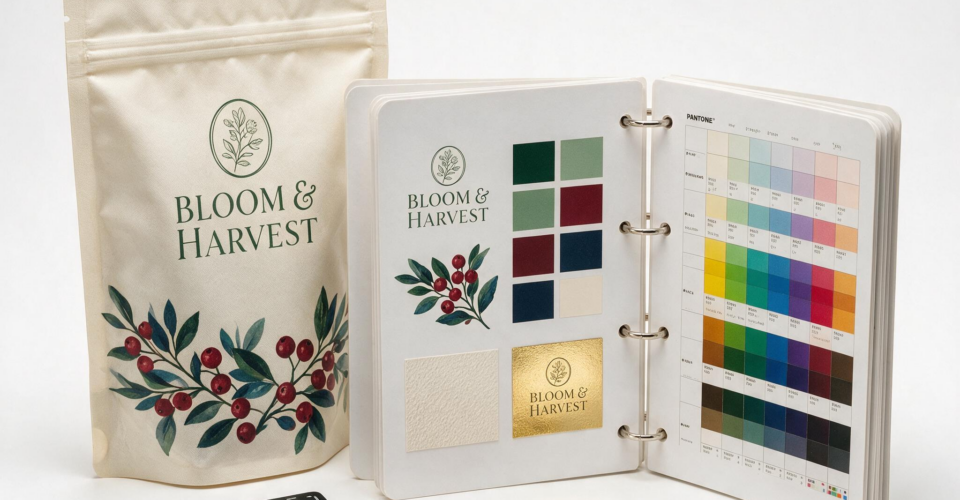
For packaging buyers and product managers, the most tense moment in new product development is when the design is finalized and mass production is about to start. To rush the schedule or save upfront budget, many brands skip packaging sampling entirely, or order production directly from a 2D flat rendering.
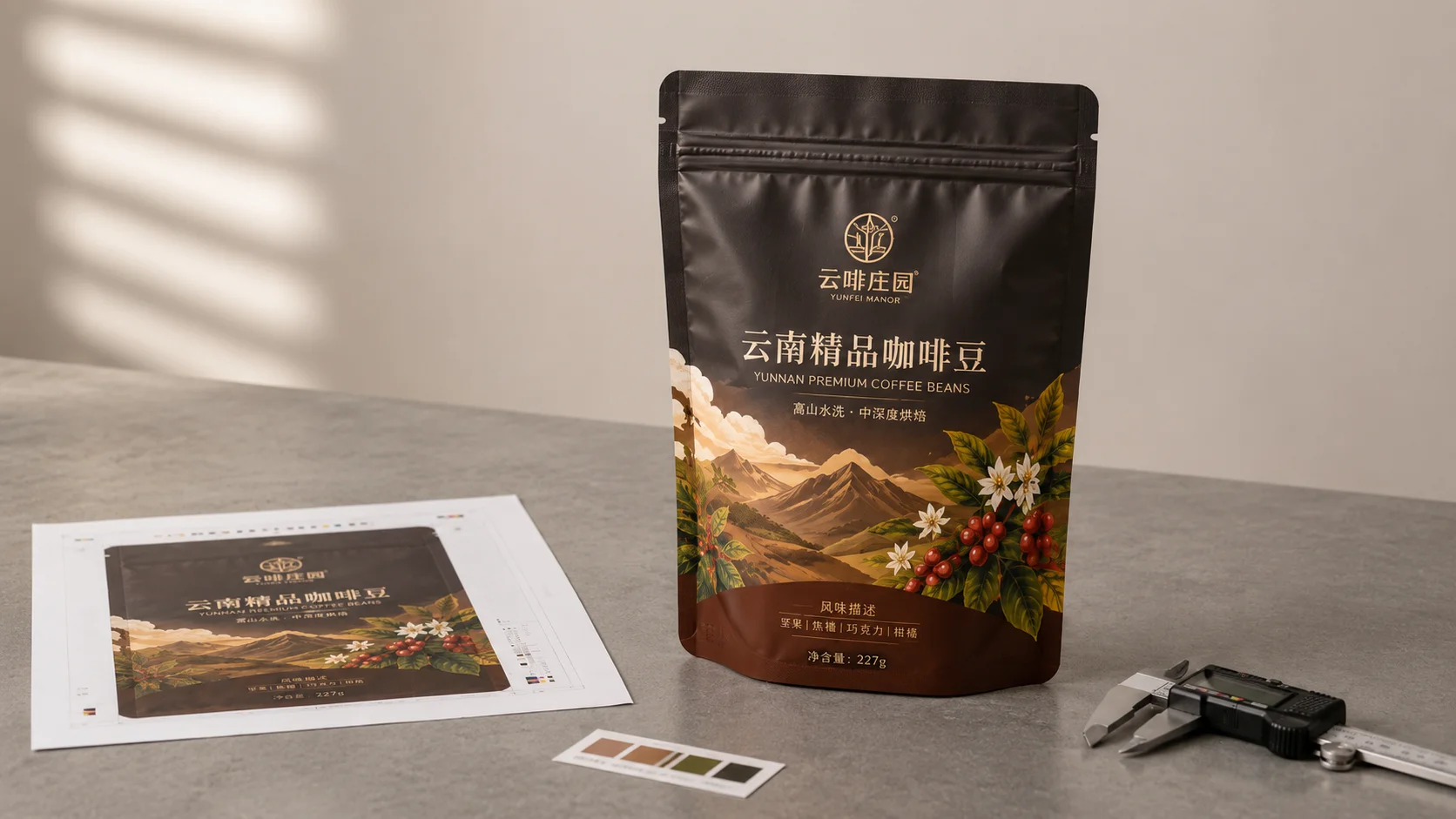
The result: packaging materials that never underwent rigorous validation go straight to the machine, often triggering disastrous consequences:
-
Inaccurate size and structure alignment: the finished pouches turn out 5% smaller in capacity than expected, the product cannot be filled at all on the automatic line, and the whole batch of material is scrapped.
-
Severe color deviation: the sophisticated Morandi tones on screen turn into a cheap plastic-looking palette on the actual film, completely failing brand QC.
In industrial manufacturing,samples and prototyping is not a process that can be compressed — it is the only “mine detector” before mass production.Before the final decision, producing physical samples and 3D interactive prototypes, validating smart material applications, structure and dimensions, and matching colors rigorously — that is the mature way to protect brand supply-chain profits.
3D Interactive Prototypes and Physical Samples: How They Help Brands Avoid “Not Matching the Sample”
Traditional flexible packaging sampling is slow and costly, forcing customers to choose between “looking at flat renderings” and “directly tooling a sample”. Modern packaging sampling systems solve this pain point completely by combining digital and physical sampling.
-
Digital validation with 3D interactive prototypes: before physical sampling, brands can rotate the 3D interactive prototype 360 degrees in the digital model, preview the packaging’s visual performance under different lighting, and even simulate how full the pouch looks after filling. This cuts upfront communication costs by over 50% and ensures the design concept translates seamlessly into physical structure.
-
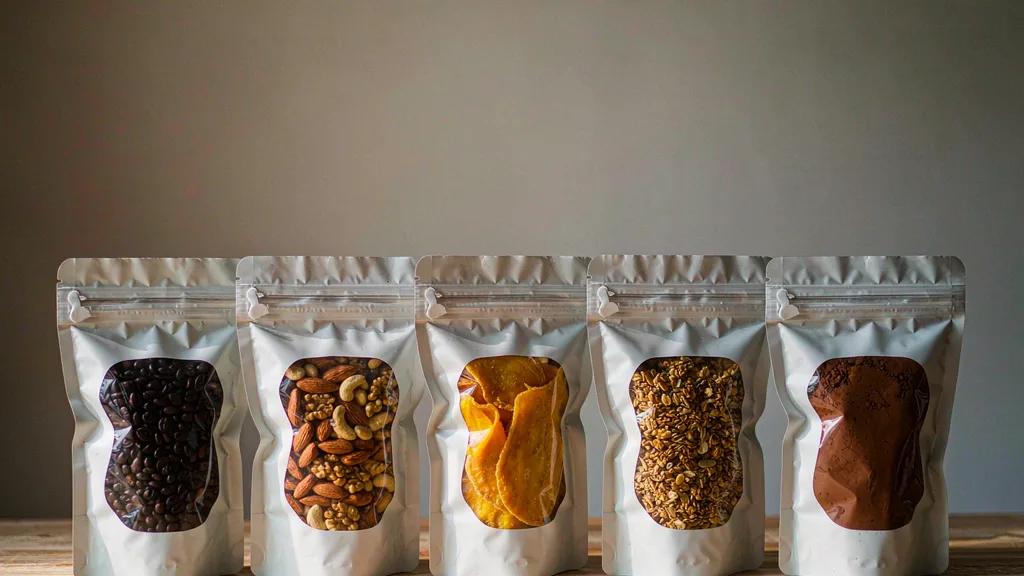
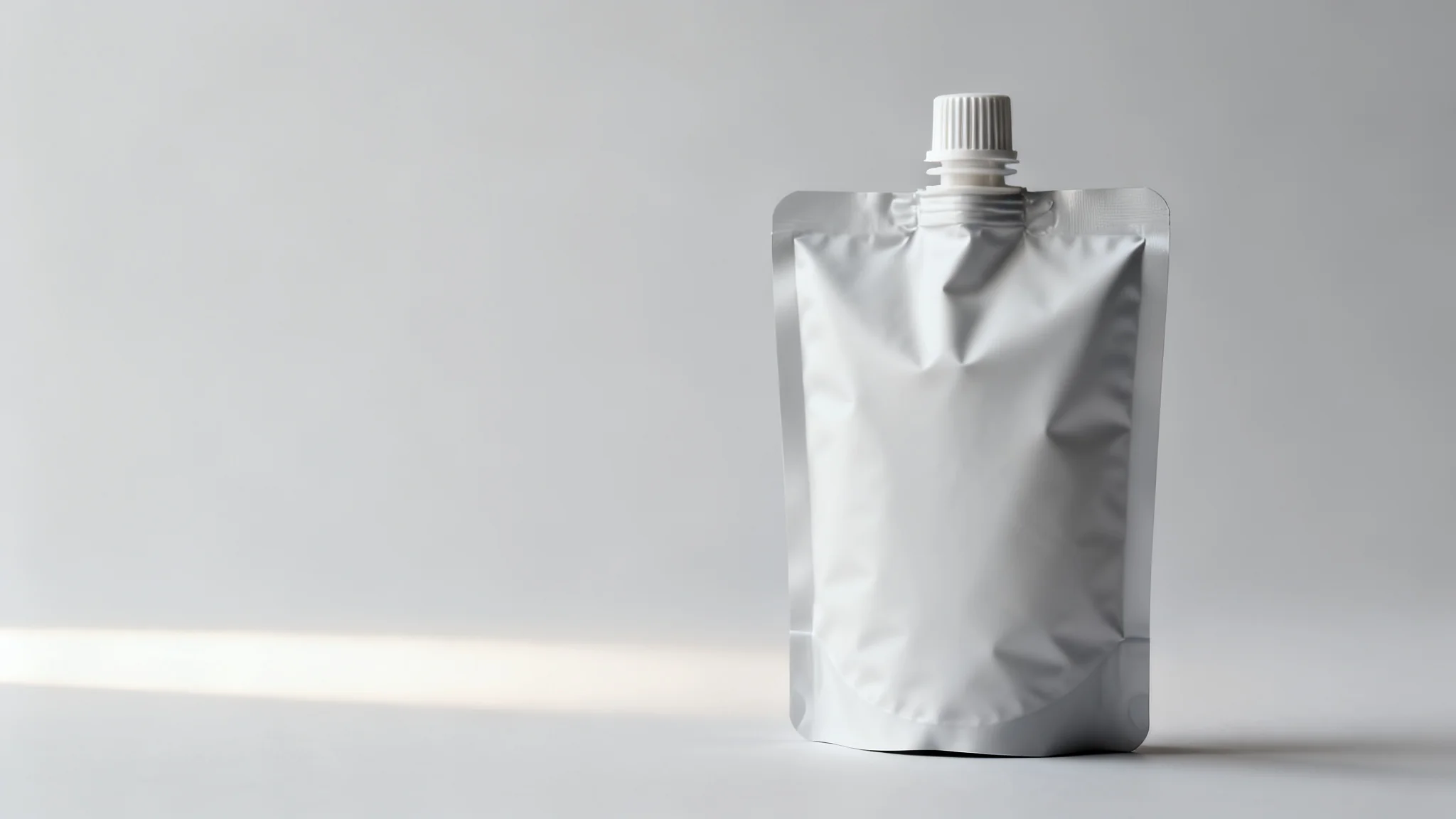
Structural and dimensional validation of physical samples: with the physical sample in hand, product managers can take it directly tofactory production line equipment for real-machine filling and sealing tests. Whether heat-seal margins are sufficient, whether the bottom gusset unfolds flat, whether spout or zipper leak-proofing meets standards — these core process indicators get micron-level precision correction at the sampling stage, holding mass-production scrap rates at extremely low levels.
Smart material application and color matching: making the “look” land 100%
Beyond the hard indicators of size and structure, the sampling stage’s core task is solving how “texture” and “color” actually land.
-
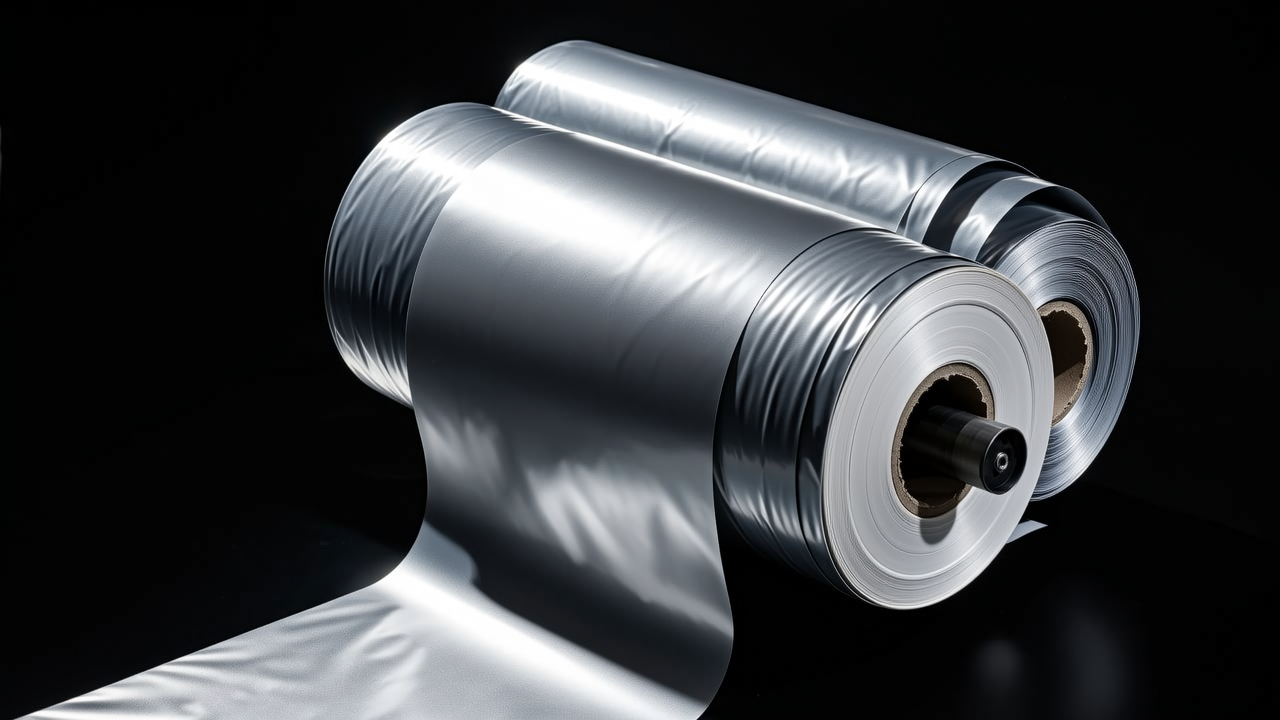
Precise application of smart materials: different products have vastly different barrier, light-blocking and moisture-resistance requirements. At the sampling stage, engineers test different lamination structures based on product characteristics (dry rice, paste-form home & personal care, high-oil snacks). Through samples, you can genuinely feel the material’s thickness, flexibility and stiffness, ensuring mass-production material fits the use scenario perfectly.
-
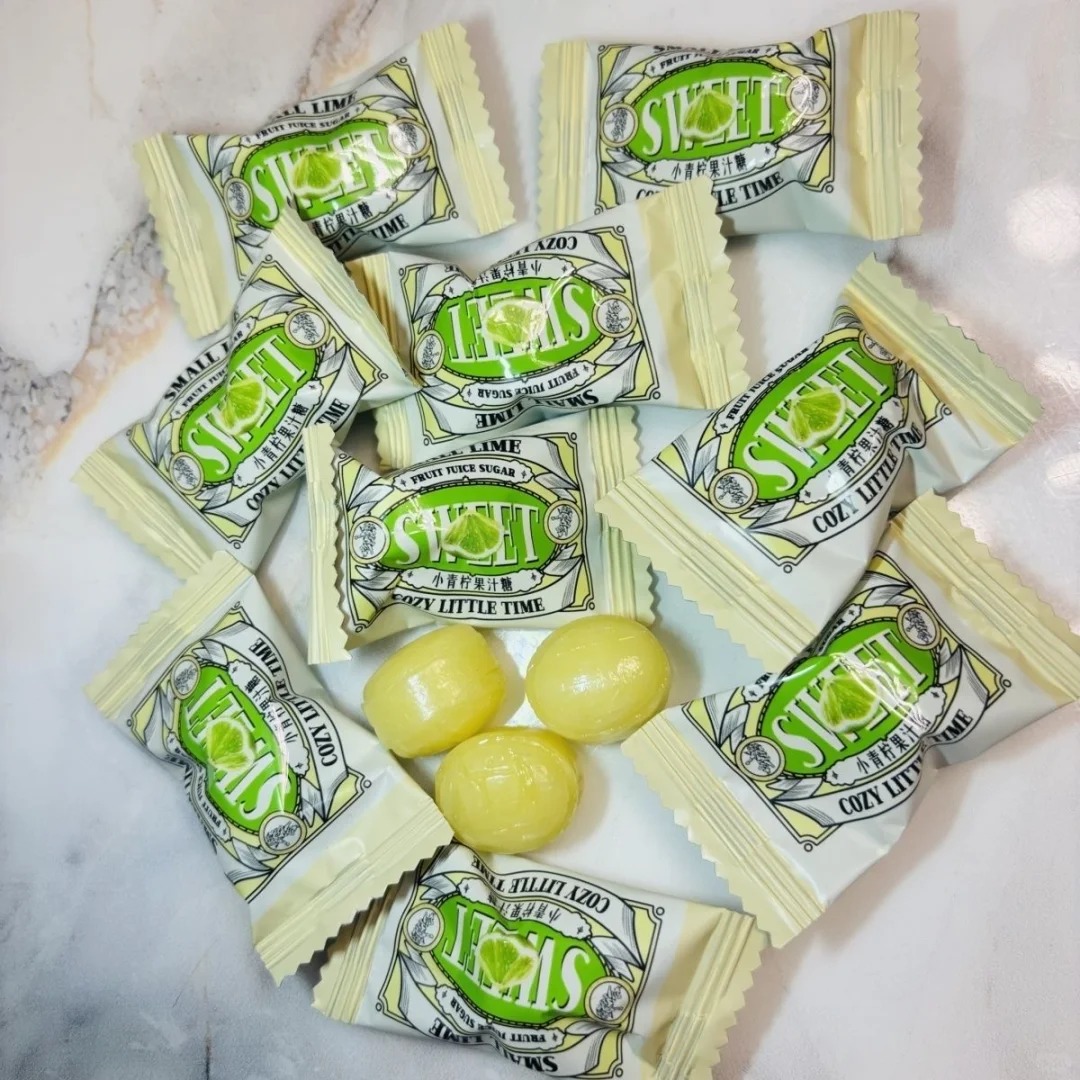
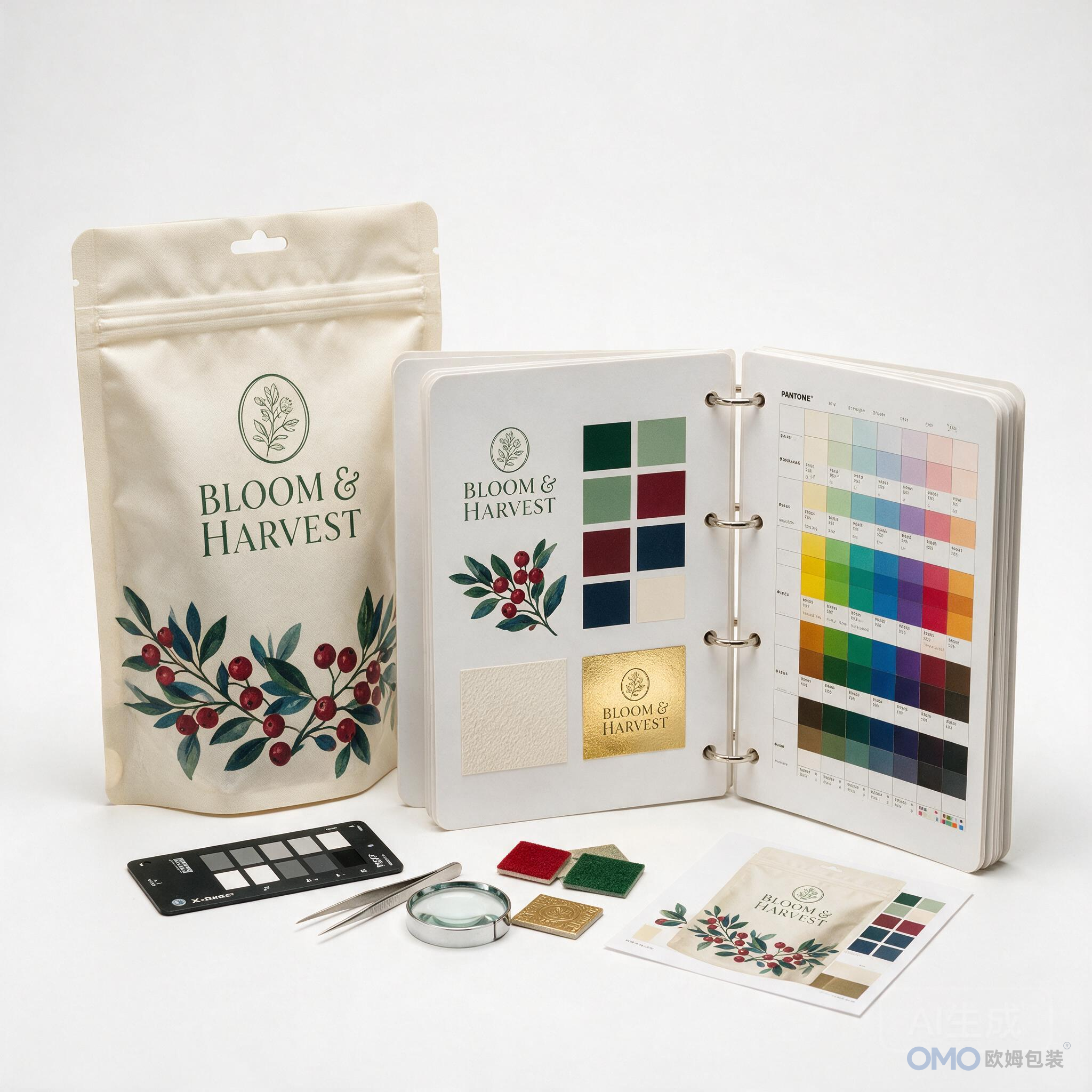
Rigorous sampling and color matching: ink renders completely differently on different substrates (kraft paper, matte film, aluminum foil). Ordinary sampling deviates easily. Professional color matching uses standard light booths and spectrophotometers to hold print color deviation within an industry-leading low range, ensuring “the sample IS the mass production” and building standardized, highly recognizable visual assets for the brand.
OMOPACK: integrated sampling and validation assurance before mass production
In OMOPACK OMOPACK modern factory, we adhere to every detail of lean manufacturing. We refuse to let sampling become mere formality — instead, we treat it as the core defense line of ourpackaging strategy consulting, structural engineering refinement, packaging and graphic design integrated chain:
-
3D prototypes and rapid sampling: based on your product parameters, quickly produce 3D interactive prototypes and physical blank samples, helping you complete an initial size and capacity assessment in record time.
-
Rigorous physical testing: in a clean modern workshop, we run multi-dimensional aging and pressure tests on samples — drop resistance, compression, seal integrity — eliminating jam and leak risks on high-speed lines in advance.
-
Mass-production-grade color calibration: color matching uses the same sampling process standards as mass production, ensuring the “sealed sample” you finally approve is the perfect product delivered at scale.
Attractive packaging catches the eye; reliable structures protect your margins. Before the final go-ahead, let a set of rigorous samples provide the firmest foundation for your supply-chain decision.
🎁 Exclusive Offer · Start Your Safe Mass Production
If you are about to launch a new product, or your existing packaging is facinglarge color deviation, imprecise dimensions, material mismatches, or high mass-production waste and other issues, welcome to contact OMOPACK team。
We now offer you a free packaging structure diagnosis and 3D prototype/color matching sampling plan. Just provide your design intent or product parameters, and our packaging process experts will give you one-on-one systematic sampling and optimization advice to help your new product roll into smooth, stable mass production!