
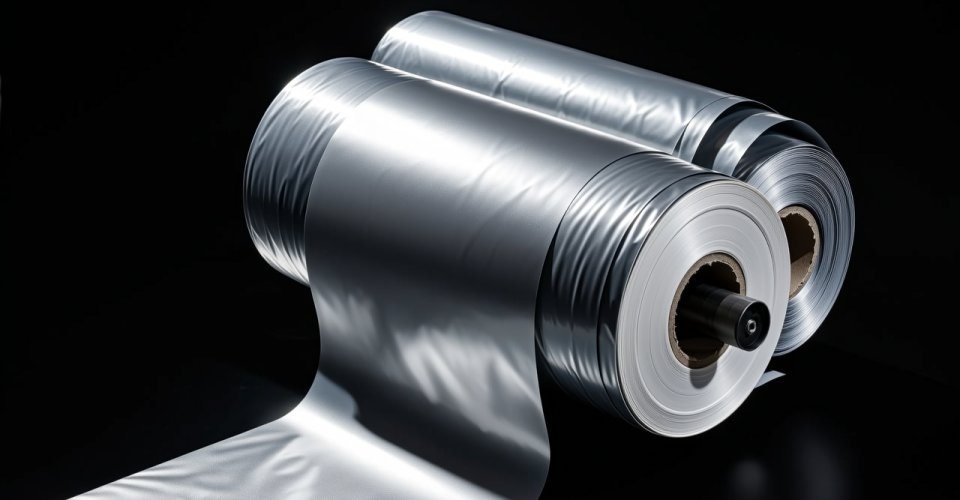

Wet lamination is one of the oldest and most reliable ways to combine paper, aluminum foil and film into a single flexible structure. If you have ever handled a tea sachet, a candy wrapper or a blister backing card, you have touched a wet laminated material. This guide explains how wet lamination works, which substrates suit it, the process controls that decide quality, and how it compares with dry and solvent-free lamination.
How Wet Lamination Works
Wet lamination follows a simple sequence: coat, combine, dry. The first substrate, almost always paper, picks up a layer of water-based or solvent-based adhesive from the coating roller. While that adhesive is still wet, the web is nipped against the second substrate, typically aluminum foil or a plastic film. The combined web then travels through a drying tunnel where the carrier liquid evaporates, and finally it is rewound.
The name comes from the fact that bonding happens while the adhesive is still wet. Because the carrier has to escape through the structure, at least one substrate must be porous or breathable. Paper meets that requirement naturally, which is why paper-foil structures almost always use wet lamination. Compared with dry lamination, which removes the solvent before the webs are bonded, wet lamination uses far less adhesive and produces a flatter paper surface.
Which Substrates and Products Suit Wet Lamination
Common combinations include paper to foil, paper to PE film and paper to metallized film. Typical end products are tea bags, candy wrappers, cigarette cartons, blister backing cards and small printed packs that need both stiffness and print quality. The paper supplies stiffness and a printable surface, while the foil supplies barrier. Together they deliver shelf presence and a workable shelf life.
When the inner layer has to be heat sealable, a PE or CPP layer is added. Wet lamination handles the paper-to-foil bond, while the sealant layer is applied by extrusion lamination or by a dry bond.
Process Controls That Decide Quality
Adhesive coat weight comes first. Too little and the bond fails in patches; too much and the web will not dry, leaving odor and blocking problems. Drying is second: tunnel temperature and airflow have to be graded along the web so the carrier escapes without curling or cockling the paper.
Tension control is third. Paper and foil stretch differently, so mismatched tension shows up as curl or wrinkles, and the effect gets worse as the rewind gets tighter. Fourth is ambient humidity; keeping relative humidity between 55% and 65% makes drying predictable.
Troubleshooting Common Defects
Bubbles, delamination and curl cover most wet lamination problems. Bubbles usually point to uneven coating or insufficient surface treatment, so check corona treatment and adhesive mixing first. Delamination tends to appear where coat weight is low or drying is incomplete, which calls for a review of the coating roller and the tunnel profile. Curl is generally a tension or structure symmetry issue and can be reduced by adjusting the tension ratio or adding a balancing layer.
Paper moisture also matters. Rolls with variable moisture content tend to wrinkle after nipping, so a quick moisture check on incoming stock prevents expensive rework. Peel strength testing principles are the same across processes and are covered in our solvent-free lamination guide.
Wet, Dry or Solvent-Free?
As a rule of thumb, choose wet lamination when a paper substrate is present and appearance plus adhesive economy matter most. Choose dry lamination for all-film structures that need high bond strength and wide material freedom. Choose solvent-free lamination for high-volume food and household packaging where residual solvent limits are strictest. The three processes are not mutually exclusive, and many structures pair wet lamination with an extrusion coating step.
Summary and Recommendations
Wet lamination earns its place through a flat paper appearance, low adhesive consumption and controllable cost. Its constraint is simple: one substrate must be breathable. The quality of the result depends on coat weight, drying and tension, in that order. If you need paper-foil or paper-film packaging, contact OMOpack and we will develop samples against your structure and recommend a process.
For more flexible packaging knowledge, visit OMOpack.com.


