The principle of vacuum packaging: why vacuuming preserves freshness
The core principle is simple: extract the air from the pouch to create a low-oxygen or near-anoxic environment. The freshness effect comes from three aspects:
- Inhibiting microbial growth: most spoilage bacteria and molds need oxygen to grow. After vacuuming, aerobic microbes are significantly suppressed, extending shelf life 3-5 times.
- Preventing oxidative spoilage: food fats oxidize in oxygen, producing rancid off-flavors. The vacuum environment blocks oxygen, preserving the food’s original taste and nutrition.
- Slowing enzymatic reactions: many food enzymes react faster in the presence of oxygen, causing discoloration and off-flavors. Vacuum packaging effectively slows these reactions.
Note that vacuum packaging does not kill bacteria — it only suppresses their growth. Vacuum-packed food still needs refrigeration or freezing. For long-term ambient storage, high-temperature sterilization (e.g. retort pouches) is usually combined to achieve commercial sterility.
Vacuum pouch material selection: comparing different material properties
Vacuum pouch performance depends largely on material selection. Common vacuum pouch materials include:
PA/PE laminates (nylon + polyethylene)
This is the most common vacuum pouch material combination. PA nylon provides excellent puncture resistance and flexibility; PE provides heat sealing. This combination suits most vacuum-packed foods — meat, seafood, cheese and more. PA/PE vacuum pouches handle -20°C to 100°C: freezable and boilable.
PET/PE laminates (polyester + polyethylene)
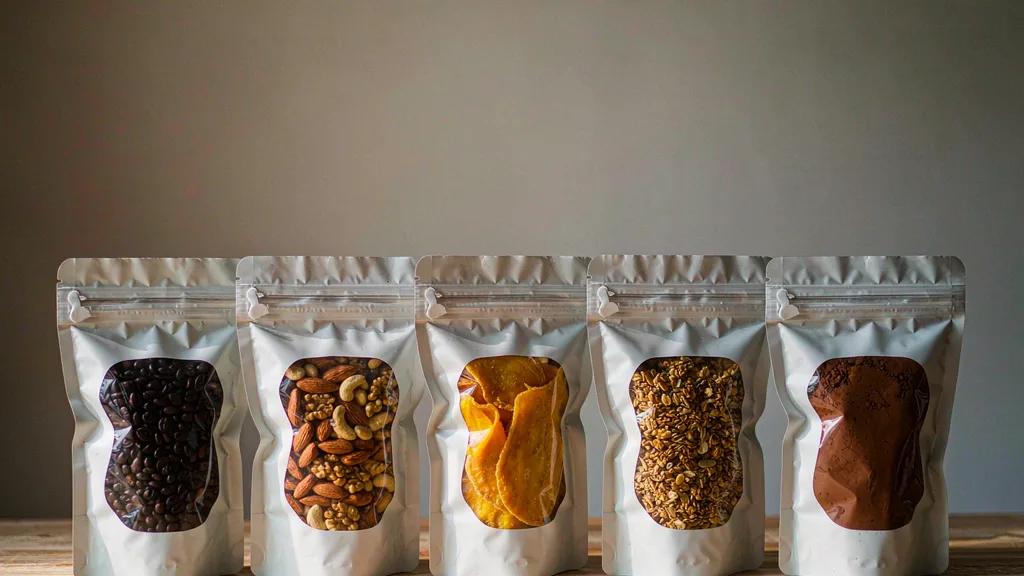
The PET layer offers better transparency and stiffness, suiting scenarios that display the product. But PET’s puncture resistance is below PA, so bone-in or sharp-edged meat packaging needs thicker gauges. PET/PE suits vacuum packaging of dry goods and powders.
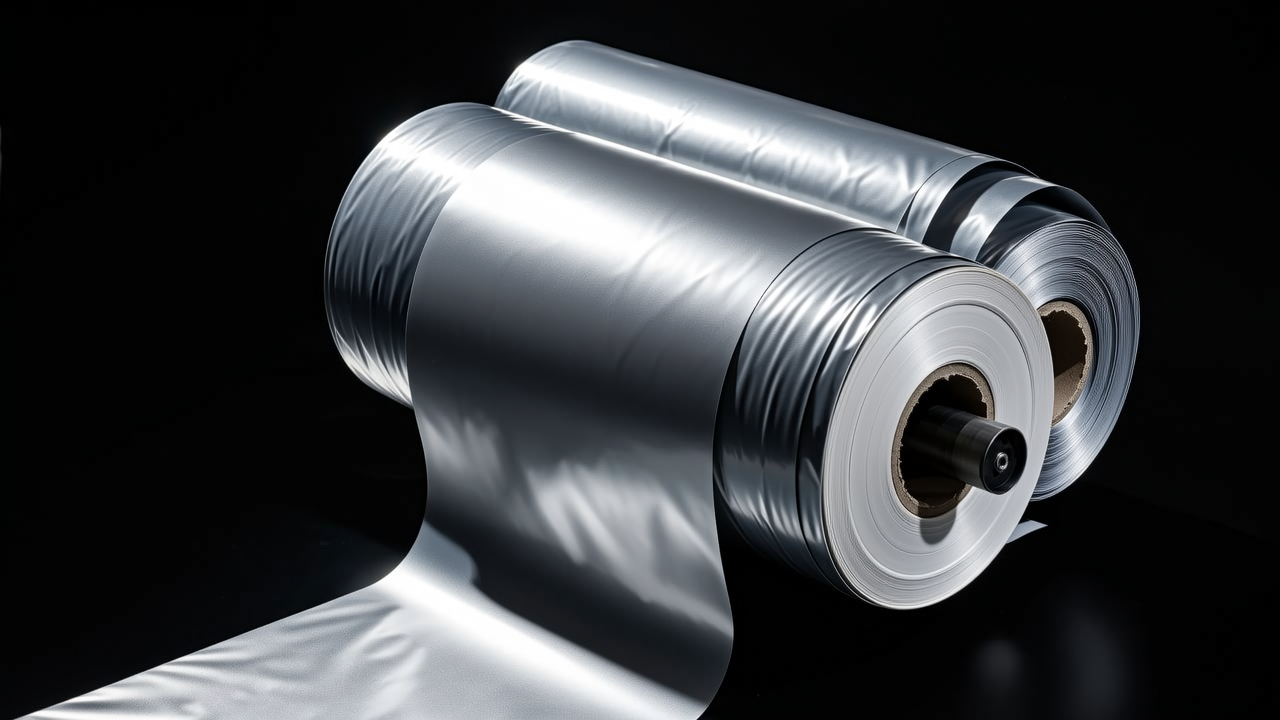
PA/AL/PE or PET/AL/PE (with foil layer)
Adding a foil layer gives vacuum pouches extremely high barrier — light, oxygen and water vapor can barely pass. Suitable for premium foods needing long-term storage: aged ham, high-grade tea, coffee beans and more. But foil pouches are opaque — the product inside cannot be seen.
Food-grade PE single-layer pouches
Household vacuum bags are mostly PE single-layer — the lowest cost, suitable for short-term refrigerated freshness. Barrier is limited, so they are not for long-term freezing or high-fat foods. When buying household vacuum bags, choose thicker versions with better puncture resistance.
Key indicators for buying vacuum pouches
When buying vacuum pouches, evaluate these indicators carefully:
- Oxygen barrier: unit cm³/m²·24h·atm — the lower the value, the better the oxygen barrier. High-barrier vacuum pouches should be below 10
- Water vapor transmission rate: unit g/m²·24h — vacuum pouches for frozen storage need this value as low as possible
- Heat seal strength: peel strength at the seal should be no less than 30N/15mm, ensuring no seal failure during vacuuming
- Puncture resistance: especially when packing bone-in meat, a high-puncture-resistance PA layer is needed
- Temperature range: choose by application — frozen use needs tolerance below -18°C; boiling use needs tolerance above 100°C
Buying advice for vacuum pouches by scenario
Household use
Household vacuum freshness storage splits into two types: short-term refrigerated (vegetables, fruit, cooked food) and long-term frozen (meat, seafood). Choose food-grade PA/PE laminated vacuum pouches, 80-120 microns thick. Roll bags (cut to any length) are more flexible and economical; pre-made bags (fixed sizes) are more convenient.
Food processing companies
Food factories need efficiency and cost in vacuum packaging. High-volume production usually uses roll film, completing bag making, filling, vacuuming and sealing on automatic vacuum packaging machines. For materials: meat processing suggests PA/PE (80-120μm); high-temperature sterilization needs PA/AL/CPP; prepared meals use boil-resistant PA/PE.
E-commerce and express shipping
The key to e-commerce vacuum packaging is preventing bag rupture in transit. Use reinforced PA/PE laminates (100μm+), plus bubble wrap or foam boxes for secondary protection. For frozen food e-commerce, vacuum pouch + insulated box + ice packs is the standard setup. For more e-commerce packaging content, refer to our earlier articleComplete Guide to Stand-Up Pouches and its discussion of logistics packaging.
Common problems in vacuum pouch use
- Pouch re-inflates after vacuuming: usually weak heat sealing or insufficient material barrier. Check the sealing temperature and whether the bag mouth is contaminated with oil.
- Pouch body leaks: possibly micro punctures. For bone-in meat, use a thicker PA layer or wrap the meat in cloth first before bagging.
- Wrinkles at the seal: sealing temperature too high or uneven pressure — adjust the vacuum packaging machine’s heat-seal parameters.
- Pouch turns brittle and breaks after freezing: the material is not low-temperature-resistant. Frozen vacuum pouches must use low-temperature PE formulations.
Latest trends in vacuum packaging
The vacuum packaging industry is moving greener. Mono-material vacuum pouches (all-PE or all-PP) are entering the market — barrier temporarily below multi-layer laminates, but recyclability greatly improved, meeting EU PPWR and similar requirements. Smart vacuum packaging is also under development, embedding oxygen indicators or time-temperature indicators so consumers can judge spoilage at a glance. If you are looking for a vacuum packaging solution for your product, welcome toContact Us for professional advice.
Need custom vacuum packaging?Contact Us, providing full service from material to finished product