What Are PA Nylon Pouches? Uncovering the “Hidden Champion” of Retort Packaging
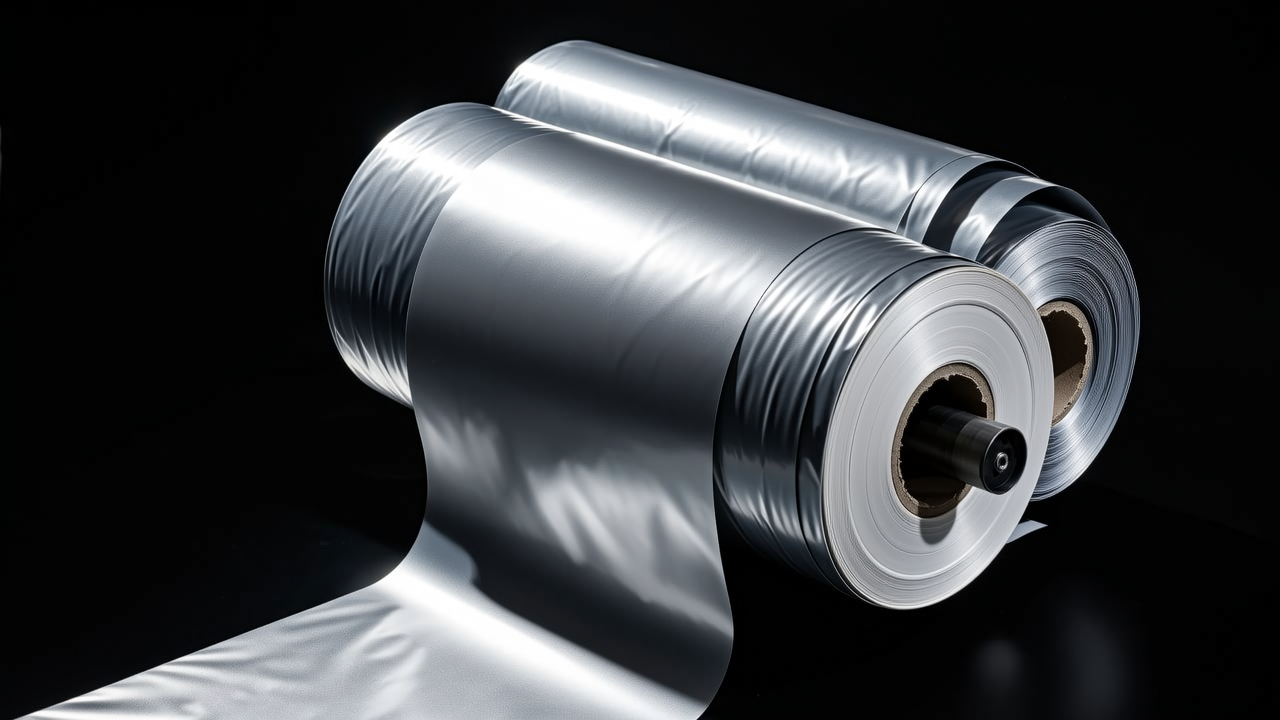
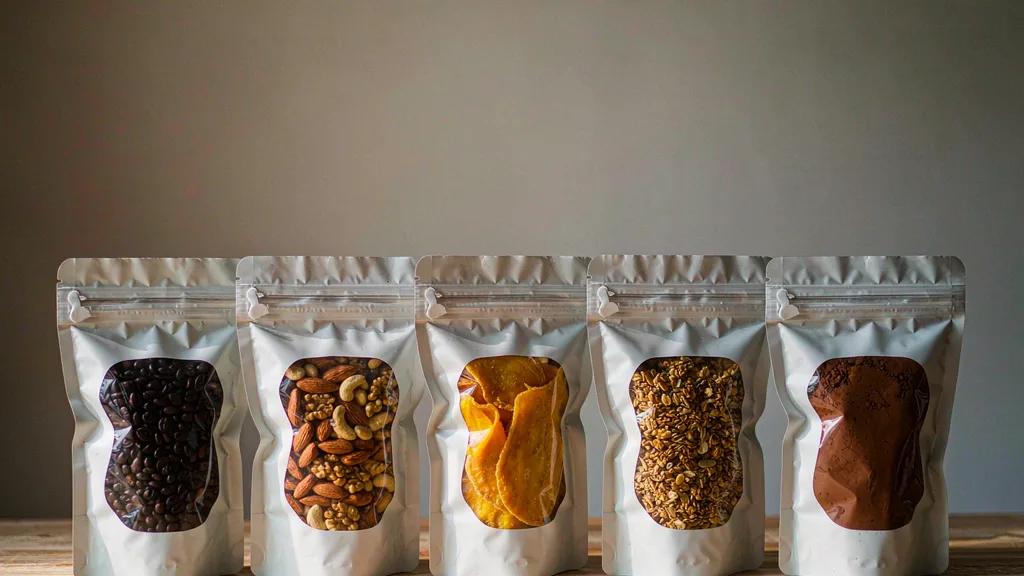
In food flexible packaging, one material is rarely seen directly by consumers yet plays an irreplaceable role behind countless sterilized foods — pouches made from PA (polyamide, commonly known as nylon) film. With outstanding heat resistance, puncture resistance and oil resistance, PA nylon pouches have become the first choice for retort packaging and packaging of foods with bones.
PA nylon pouches‘s core material, polyamide, is an engineering plastic whose molecular chains contain amide groups that form strong hydrogen bonds, giving the material excellent mechanical and heat-resistant properties. In food packaging, the most common nylon grades are PA6 and PA66, with PA6 most widely used for its better processability and cost-performance.
Core advantages and properties of PA nylon pouches
1. Excellent high-temperature performance
In retort processing, food must be sterilized at 121°C or even 135°C. Ordinary PE pouches melt and deform at these temperatures, while PA nylon pouches cope with ease. Nylon film melts at 220-260°C and keeps structural integrity even under retort conditions. This is the key reason PA pouches are the first-choice material forretort pouches.
2. Outstanding puncture resistance
When packaging bone-in meat, seafood and hard ingredients, ordinary pouches are easily punctured by sharp bones or shells, causing vacuum failure and spoilage. PA nylon pouches have 3-5 times the puncture resistance of PE pouches, effectively protecting packaging integrity. When packing ribs, chicken wings, crabs and other bony ingredients,custom pouch manufacturing solutions almost always include a PA layer.
3. Excellent oil and chemical resistance
PA resists oils, animal fats and many chemicals well, suitable for braised pork, marinated products, high-oil sauces and more. PA also withstands organic solvents, so printing and lamination processes are not affected by solvents in inks.
4. Good barrier properties
PA film barriers oxygen, nitrogen and aroma better than PE and PP, second only to EVOH and PVDC. Especially in dry conditions, PA’s oxygen barrier performs well, effectively delaying oxidative spoilage. PA film is often combined with PE, EVOH or foil to formlaminated packaging materials, achieving comprehensive protection.
Common structures and applications of PA nylon pouches
PA/PE structure — retort pouches
The most classic nylon laminate: the PA layer provides heat resistance and puncture resistance, the PE layer provides heat sealing. Widely used for:
- Prepared meal packaging: braised pork, curry rice, ready-to-eat dishes
- High-temperature sterilized foods: eight-treasure porridge, canned soups
- Soft canned foods: ready-to-eat meat and seafood
PA/AL/PE structure — high-barrier retort pouches
Adding a foil layer to PA/PE achieves near-zero oxygen transmission, for premium foods needing long-term storage. Typical applications:
- Military rations, outdoor emergency food
- Premium pet food
- Export food packaging
PA/EVOH/PE structure — transparent high-barrier retort pouches
Where transparent product display is needed, EVOH replaces foil for high barrier. Suitable for:
- Premium meat product display packaging
- imported cheese packaging
- Imported cheese packaging
Nutritional supplement packaging
| Performance indicator | PA nylon pouches | Performance comparison of PA nylon pouches and PET pouches |
|---|---|---|
| Temperature range | -60~200℃ | -70~150℃ |
| Puncture resistance | Excellent | Good |
| Oil resistance | Excellent | Good |
| Transparency | Good | Excellent |
| Heat sealing | requires PE/CPP lamination | requires PE/CPP lamination |
| Cost | Fairly high | Medium |
The comparison shows PA pouches are irreplaceable in high-temperature retort and puncture-resistance applications, but cost more accordingly. Companies should weigh product characteristics and budget to choose the rightflexible packaging material.
Key points in PA nylon pouch production
PA nylon pouch production involves several process steps, a few of which directly determine final quality:
- Film production:PA film is usually made by blown film or cast film processes. Blown PA film has balanced machine/transverse properties; cast PA film has higher transparency. Temperature and cooling speed must be strictly controlled during production to ensure thickness uniformity and performance consistency.
- Lamination:PA and PE layers can be bonded by dry lamination or solvent-free lamination. Since PA is polar and PE is non-polar, dedicated adhesives are required — otherwise delamination occurs easily.
- Pouch making:PA pouches need higher heat-seal temperatures than ordinary PE pouches. Temperature, pressure and time must be precisely controlled to ensure seal strength. Common heat-seal range: 180-220°C.
Incustom flexible packagingThroughout the process, PA’s hygroscopicity deserves special attention. PA absorbs moisture from the air; excessive moisture content causes bubbles, fish-eyes and other defects during processing, so PA film must be thoroughly dried before processing.
How to choose the right PA nylon packaging solution
When choosing a PA nylon packaging solution, evaluate from these angles:
- Sterilization conditions:121°C regular retort or 135°C ultra-high-temperature sterilization? Different temperature ranges demand different PA grades and layer structures.
- Product form:Are there sharp bones or shells? Does the product need light protection? This decides whether a foil layer is needed.
- Shelf-life requirements:Within 6 months or over 1 year? The longer the shelf life, the higher the barrier requirement.
- Packaging format:Vacuum packaging, nitrogen-flush or modified atmosphere? Different formats emphasize different material properties.
- Display needs:Does the product need transparent packaging so consumers see it directly? This decides whether a transparent high-barrier solution is adopted.
If you are looking for packaging for bone-containing foods or retort products, welcome toContact OMOPACK, our technical team can provide professional PA nylon custom packaging based on your product characteristics, ensuring safe storage and quality display.