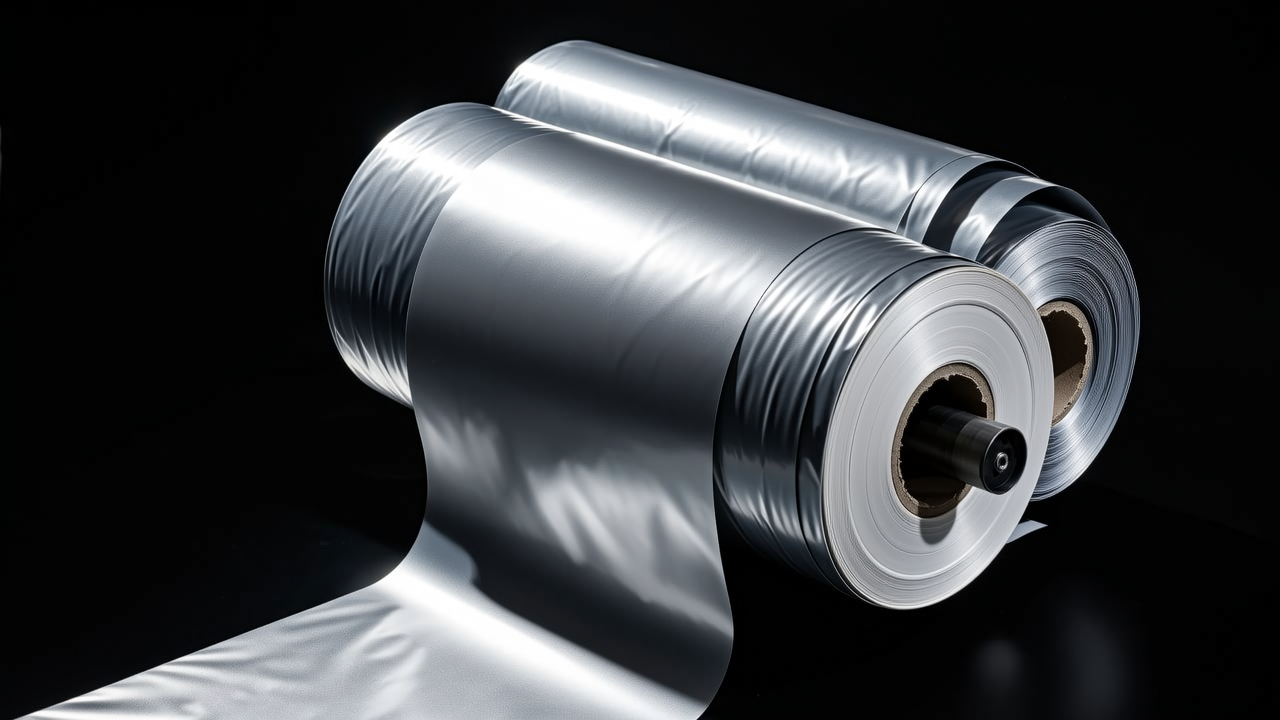
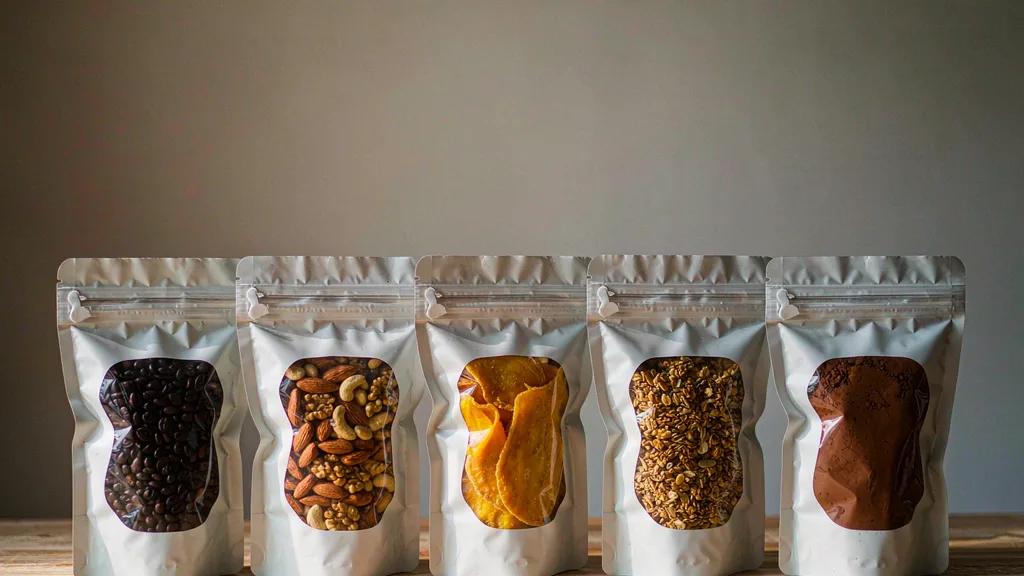
Driven by tightening global environmental regulations and awakening consumer awareness, mono-material packaging is becoming one of the most influential trends in flexible packaging. Mono-material packaging means the entire packaging structure uses a single plastic (all-PE or all-PP structures), rather than traditional multi-material laminates. The driver is a real problem: traditional laminates combine PE, PET, foil, NY and other materials that are hard to separate in recycling, so most flexible packaging ends up landfilled or incinerated.
Mono-material packaging solves the recycling problem at the design source. With a single material, used packaging goes directly into existing plastic recycling streams with no complex separation. This could lift flexible packaging recycling rates far above the current level of under 10%.OMOPACK closely tracksmono-material packaging technology developments and provides brand customers with innovative packaging that balances environmental and use performance.
Technical breakthroughs in mono-material PE packaging
All-PE mono-material packaging is currently the fastest-growing direction. Conventional wisdom held that PE’s barrier could not replace multi-material laminates, but recent materials science breakthroughs are changing that. By combining HDPE, LLDPE and metallocene PE (mPE) in different ratios, plus vacuum-deposited aluminum oxide (AlOx) or silicon oxide (SiOx) coatings, all-PE structures now approach traditional PET/AL/PE laminates in barrier.
On heat sealing, next-generation PE formulations use molecular design for a wider sealing temperature window and higher seal strength, meeting high-speed automatic line demands. All-PE mono-material packaging is already commercial in laundry pod packaging, snack packaging and some dry goods — international brands including P&G and Unilever have launched products in mono-material PE packaging.
Applications of mono-material PP packaging
Complementing the PE approach is all-PP mono-material packaging. PP beats PE in heat resistance — withstanding 121°C retort — so it suits foods needing high-temperature sterilization: ready meals, retort pouches, baby food packaging. All-PP mono-material packaging typically uses BOPP/CPP or BOPP/MPP combinations — BOPP provides mechanical strength and the printing surface, while CPP or MPP provides the seal layer.
PP’s technical challenge is raising oxygen barrier while staying mono-material. Common industry solutions: AlOx or SiOx coatings deposited on BOPP, or high-barrier PP films with special resins. Leading packaging companies in Japan and Europe have already launched all-PP retort pouches tolerating 135°C sterilization — a major milestone for mono-material PP in high-heat applications.
Challenges and limitations of mono-material packaging
Despite bright prospects, mono-material packaging still faces core challenges. First, cost: high-performance PE or PP films and AlOx/SiOx deposition cost more than traditional laminates — a real hurdle for FMCGs with thin margins. Second, the barrier gap: despite major progress, all-PE or all-PP still cannot match foil-containing laminates on oxygen barrier, so for products needing very long shelf life or high barrier (coffee, milk powder, meat), mono-material is not yet a fully mature alternative.
Mechanical performance also needs optimization. All-PE structures are relatively soft, performing below PET/PE laminates on high-speed pouch-making and filling lines; all-PP may turn brittle in the cold, affecting transport and storage safety. Companies switching to mono-material must test and validate thoroughly against product characteristics and actual line conditions.
Development trends and market prospects of mono-material packaging
On policy drivers, the EU PPWR requires all packaging recyclable or reusable by 2030, and China’s updated plastic ban explicitly encourages recyclable designs. These policies will greatly boost mono-material packaging penetration. Smithers market research forecasts the global mono-material flexible packaging market growing 12% annually, reaching USD 18 billion by 2028.
Technologically, the industry is evolving along three axes simultaneously: “higher barrier, lower cost, easier processing”. In coming years we can expect nano-coating technology, bio-based mono-material films and biodegradable mono-material solutions to reach the market. For brands, now is the best time to evaluate and pilot mono-material packaging.
Conclusion
Mono-material packaging is not simply “replacing multiple materials with one” — it is a full-industry-chain upgrade spanning materials science, film processing, pouch-making and recycling systems. When choosing a mono-material solution, brands must work closely with professional packaging suppliers, charting the best transition path per product characteristics, line conditions and sustainability goals. OMOPACK is committed to eco-packaging technology innovation, providing recyclable, high-performance packaging solutions for brand customers.
Learn About Mono-Material Packaging Solutions ->
For domestic market packaging needs, learn about Huasu Packaging