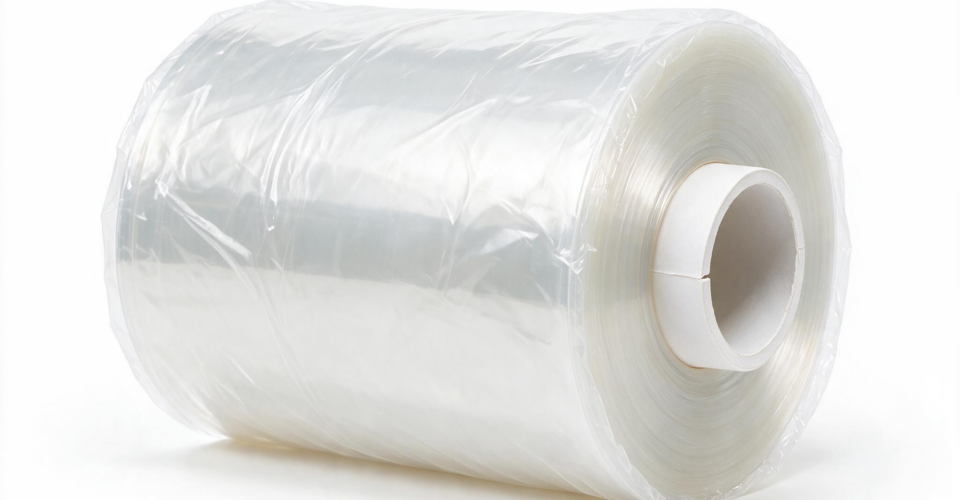
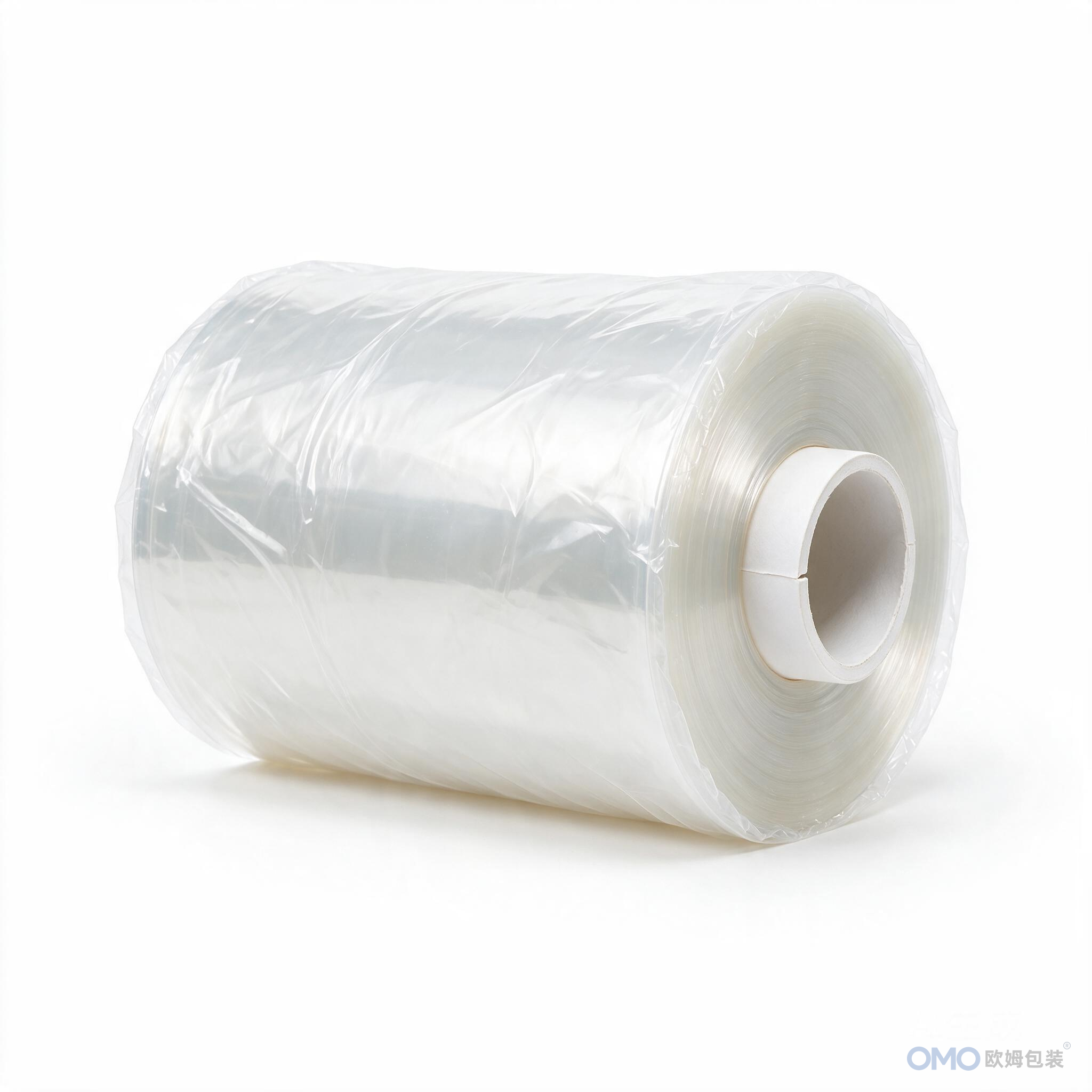
PET is one of the most common plastic materials in food packaging. From the water bottles we touch every day to laminated pouches for premium foods, PET is everywhere. PET pouches and films hold an important position in the food packaging industry thanks to excellent transparency, good mechanical strength and outstanding gas barrier. This article fully explains PET’s properties, applications and selection points.
Basic properties of PET
PET (polyethylene terephthalate) is a thermoplastic polyester formed by polycondensation of terephthalic acid and ethylene glycol. PET stands out with several physical and chemical properties: first, extremely high transparency — light transmittance above 90%, among the best of all common plastics; second, good mechanical strength with excellent tensile and impact resistance, providing reliable packaging protection without extra material thickness; third, outstanding oxygen and carbon dioxide barrier, making it ideal for carbonated drink bottles and vacuum packaging. PET also resists oils, acids and alkalis well, which is why PET pouches perform excellently in oily food packaging.
PET temperature range
PET’s glass transition temperature is about 70-80°C and its melting point about 250-260°C. Ordinary PET film keeps stable dimensions and performance below 70°C but shrinks and deforms in high heat. Plain PET pouches are therefore not suitable for retort packaging. However, special crystallization treatment produces heat-resistant crystallized PET (CPET) that withstands oven and microwave heat. PET also performs excellently in cold — staying flexible and impact-resistant at -40°C — making it ideal for frozen food packaging.
PET pouches in food packaging
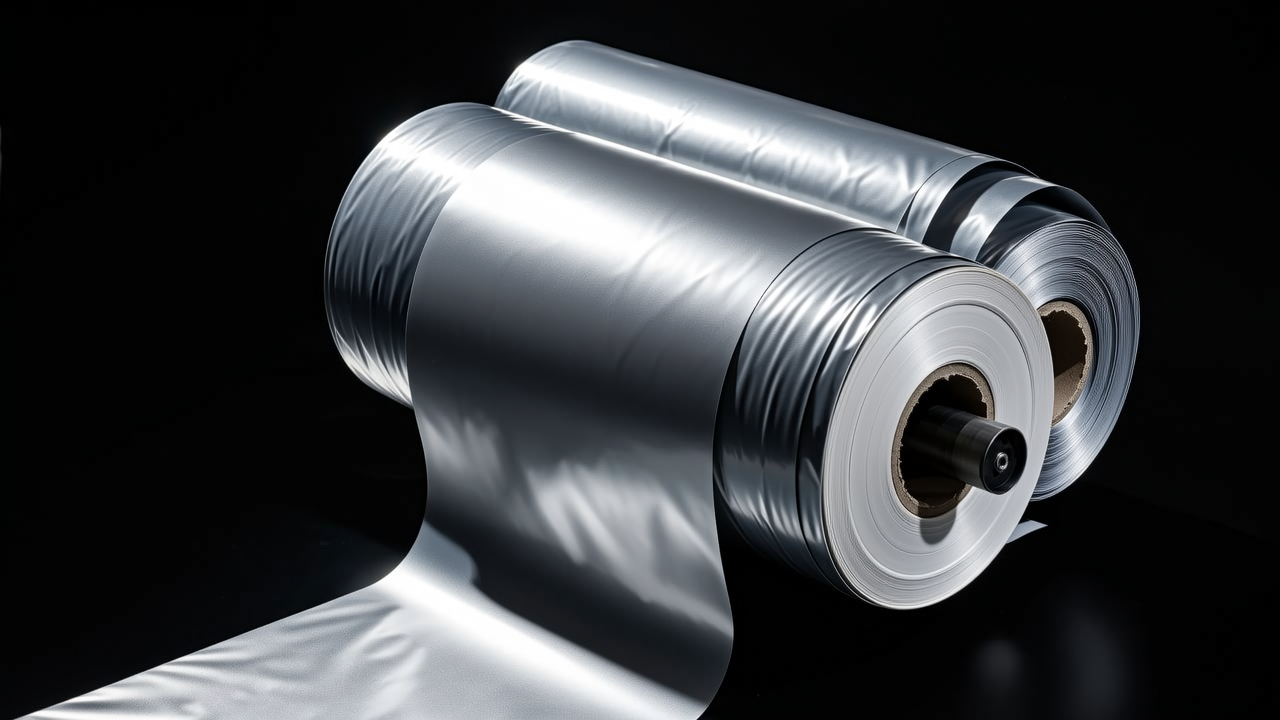
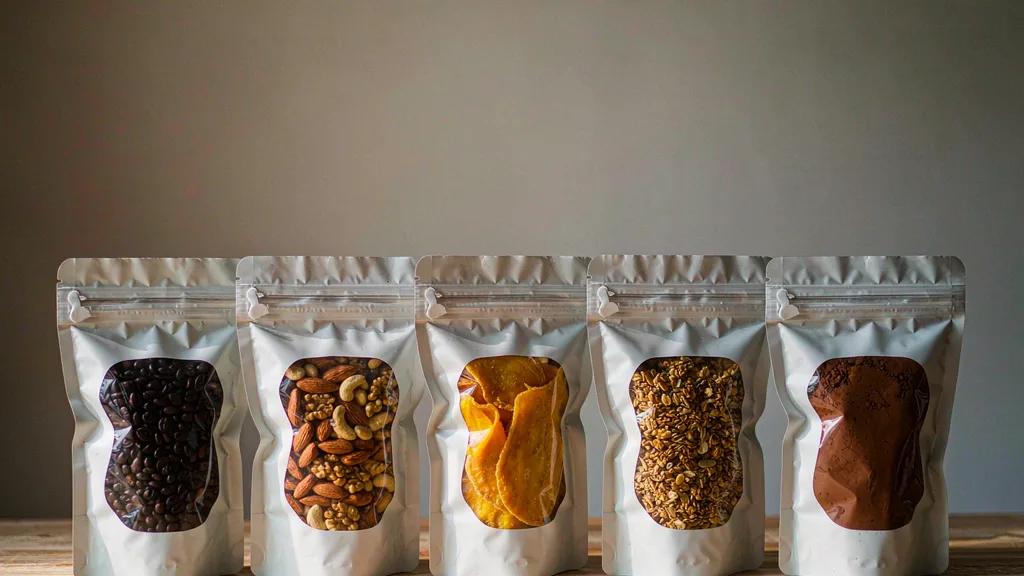
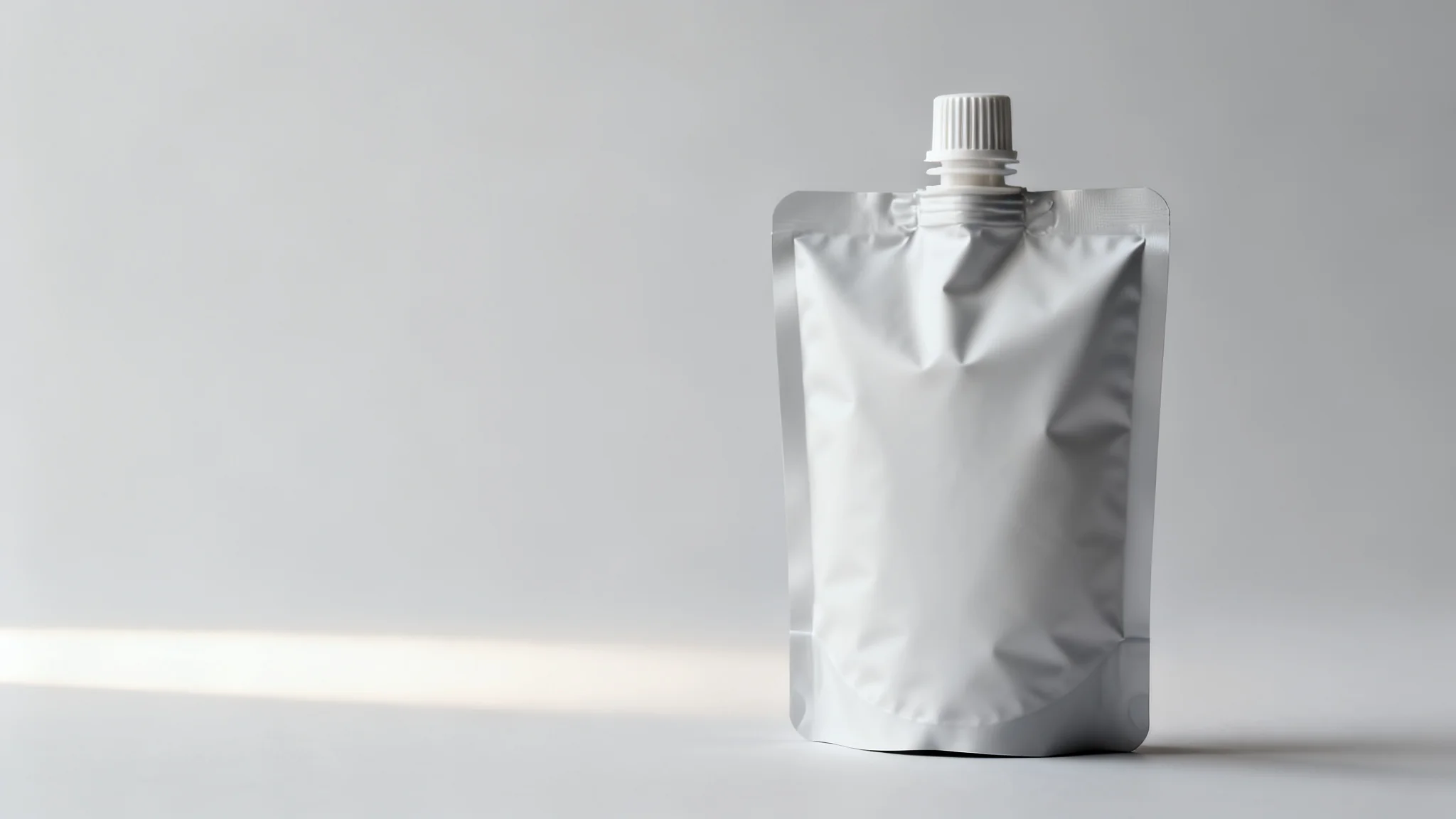
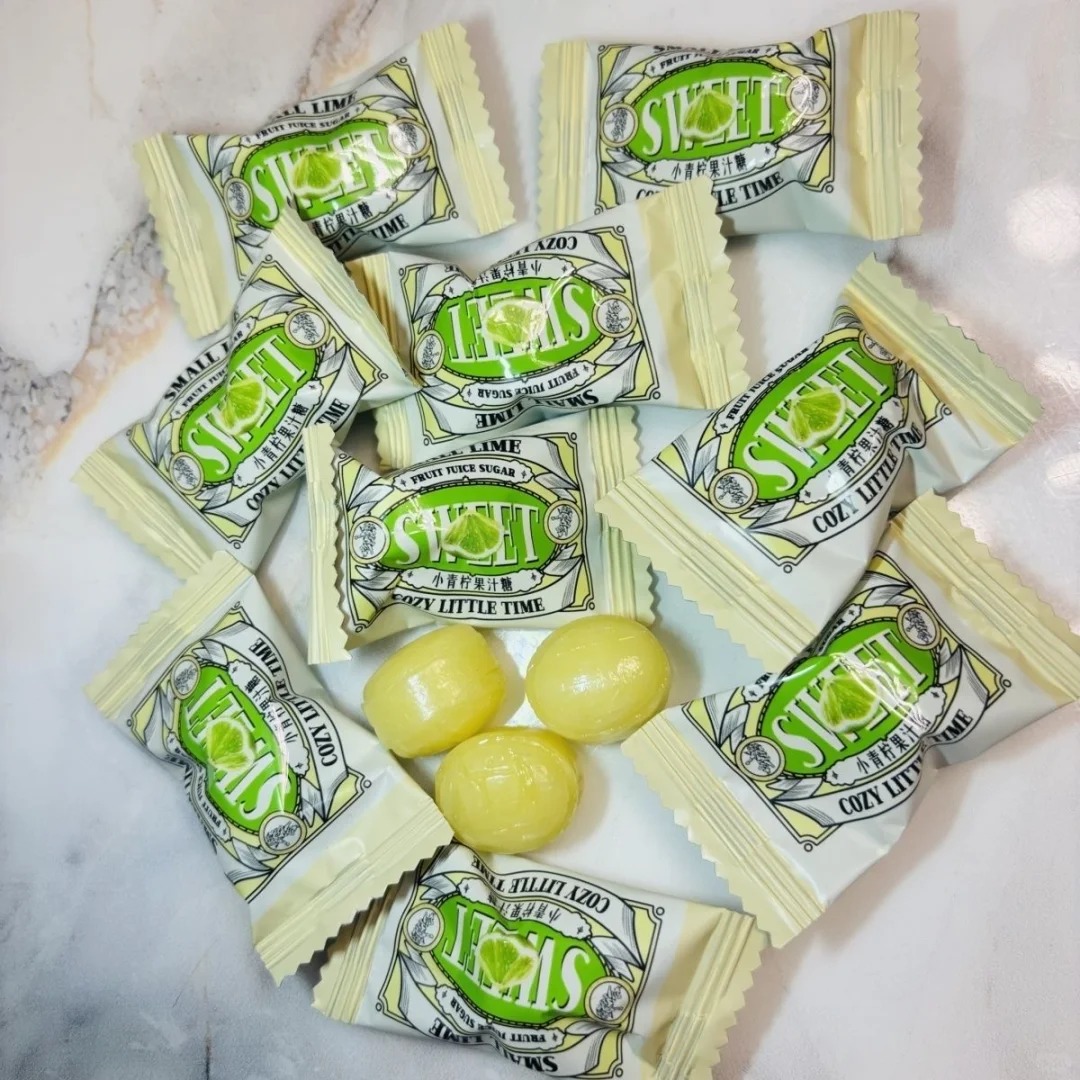
PET pouches and films are widely used in food packaging. The most common role is the outer layer of PET/AL/PE laminates: PET provides printability and gloss, the foil layer provides barrier, and PE provides heat sealing. This structure is widely used for coffee pouches, tea pouches and snack packaging. PET is also common in twist wrapping — its good memory property wraps candy and chocolate tightly. InOMOPACK OMOPACK product lines, PET laminates are among the most in-demand materials, used widely across food packaging scenarios.
PET in beverage bottles and food containers
PET bottles are the most classic application of PET. From 500ml water bottles to 2L carbonated drink bottles, PET has almost completely replaced glass and PVC bottles with its light weight, transparency, impact resistance and impermeability. PET bottle recycling is also the most mature: recycled PET becomes rPET (recycled polyester), used for textiles, carpets and new containers. PET bottles also offer design flexibility — made in all shapes and sizes to meet brands’ differentiation needs.
PET recycling and environmental properties
PET excels environmentally. It is one of the most recycled plastics — global PET bottle recycling exceeds 30%, ahead of other plastic categories. Recycled PET becomes rPET pellets for new food packaging (via FDA-recognized recycling processes) or textiles. PET’s lifecycle carbon footprint is also lower than many other packaging materials: production energy about 1/10 of aluminum and 1/2 of glass. More and more brands commit to at least 50% rPET in their packaging, driving the circular economy.
PET pouches vs. other packaging materials
PET, PE and PP pouches each have pros and cons. PET beats PE and PP in transparency and gloss — the best shelf display. PET’s gas barrier is significantly better than PE and PP, making it the first-choice outer layer for vacuum and gas-flush packaging. PET’s mechanical strength is also higher, reaching the same strength at thinner gauges, helping reduce weight. However, PET seals poorly and cannot be heat-sealed directly — it needs PE or CPP laminated as the seal layer. PET also costs more than PE and PP, so cost-sensitive applications need a balanced trade-off. For more material comparisons, visitStand-up Pouch Material Selection Guide。
PET’s cross-category journey from beverage bottles to food pouches shows its outstanding adaptability and broad application prospects. If you are looking for PET-based food packaging solutions, welcome toContact OMOPACK for professional advice. You can also visit our English official website www.omopack.com to learn more about our global packaging products.