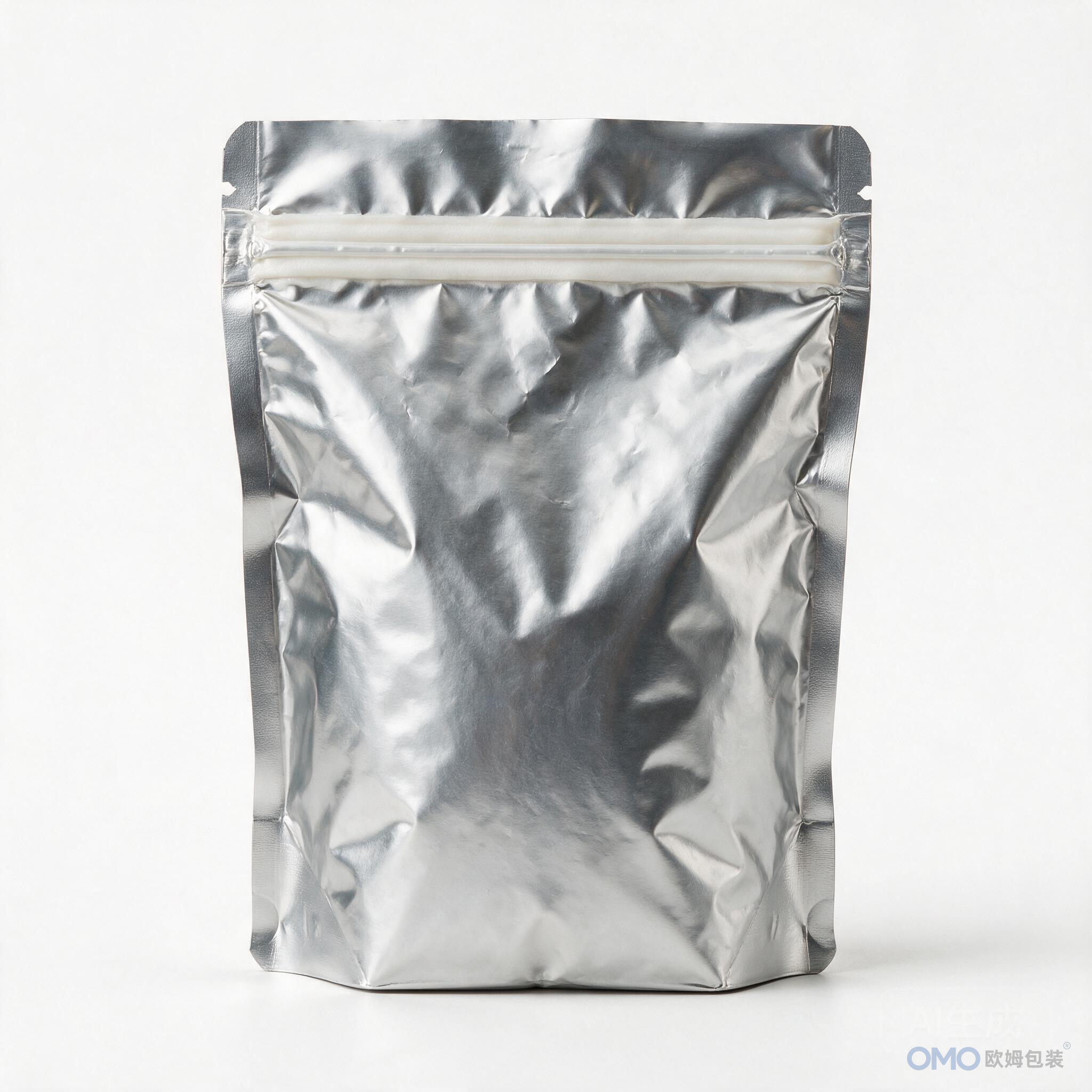
Foil pouches are among the strongest-barrier pouch types in food packaging. From freshness packaging for coffee beans to retort sterilization packaging for high-temperature-cooked food, foil pouches protect quality and flavor with near-perfect barrier. Yet many buyers are unclear about the difference between pure foil and metallized pouches — similar names, but fundamentally different in material structure, performance and applications. This article analyzes foil pouches in depth from multiple dimensions.
The core difference between pure foil and metallized pouches
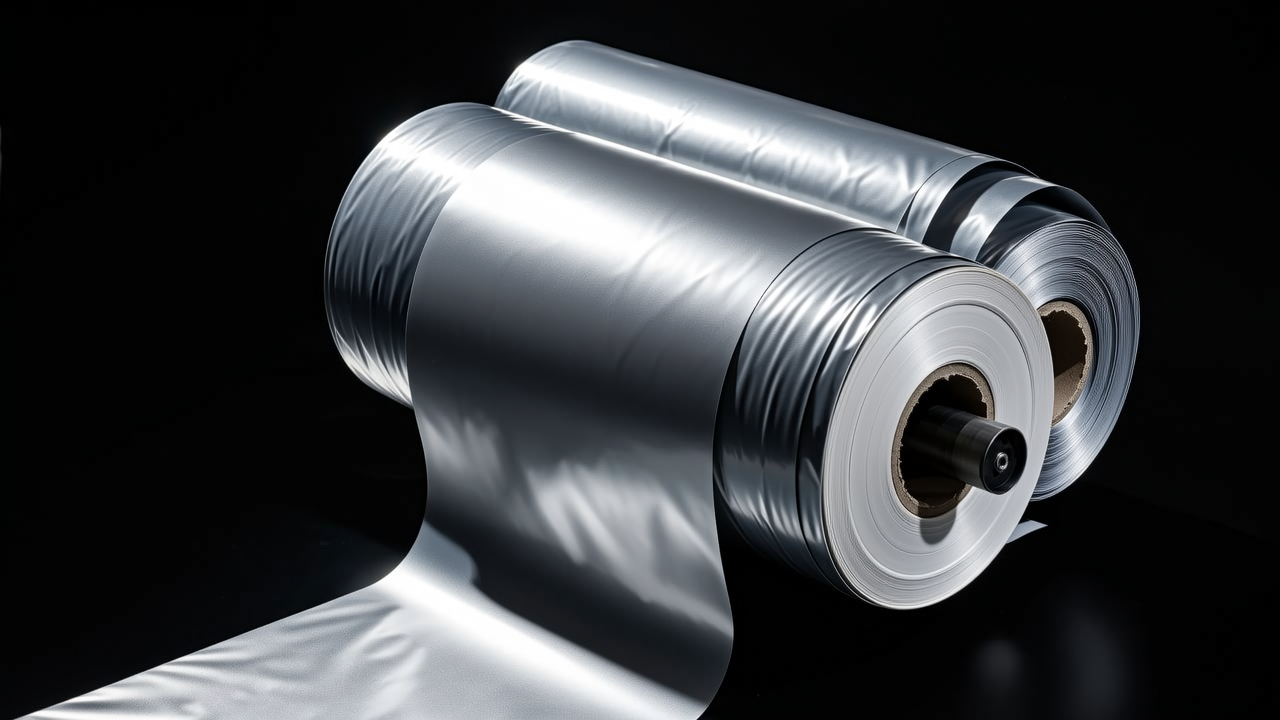
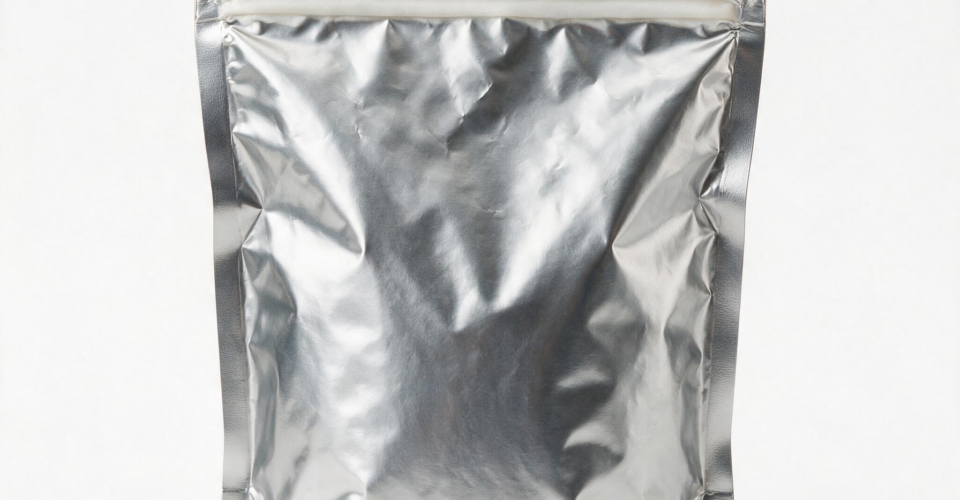
Both contain “aluminum”, but their structures and manufacturing processes are completely different. Pure foil pouches use aluminum foil 6-9 microns thick — a continuous metal sheet produced by repeatedly rolling aluminum ingots, existing as an independent layer in the laminate. Metallized pouches, by contrast, have an extremely thin aluminum layer (about 300-500 angstroms) vacuum-deposited onto PET or CPP film — the aluminum is literally “plated” onto the plastic film surface. This essential difference leads to significant differences in barrier, transparency and cost.
Barrier performance differences
The foil layer of a pure foil pouch is a complete metal sheet blocking nearly 100% of oxygen, water vapor, light and aroma — a true “total barrier” package. Its oxygen transmission rate can go as low as 0 cm³/(m²·24h·atm), indispensable for packaging extremely oxygen-sensitive products like coffee, tea and pharmaceuticals. The metallized pouch’s aluminum layer, by contrast, is very thin with micropores — better barrier than ordinary plastic film but far below pure foil. Metallized pouches typically run 1-5 cm³/(m²·24h·atm), suiting products with medium-to-high barrier needs. InOMOPACK OMOPACK’s product system, we recommend suitable foil or metallized solutions to customers based on their specific barrier requirements.
Foil pouch applications
Foil pouch applications are largely determined by barrier performance. Pure foil pouches appear most often in: coffee bean and coffee powder packaging, where complete light and oxygen blocking keeps coffee fresh; retort food packaging, where the foil layer combines with PA and CPP for a structure that withstands 121°C sterilization; pharmaceutical and health product packaging, meeting strict moisture and oxygen control; and tea packaging — especially high-aroma teas needing foil to prevent aroma loss. Metallized pouches are used more for general snack, cosmetics and home & personal care packaging, which care less about barrier and more about cost control and appearance.
The special role of foil pouches in coffee packaging
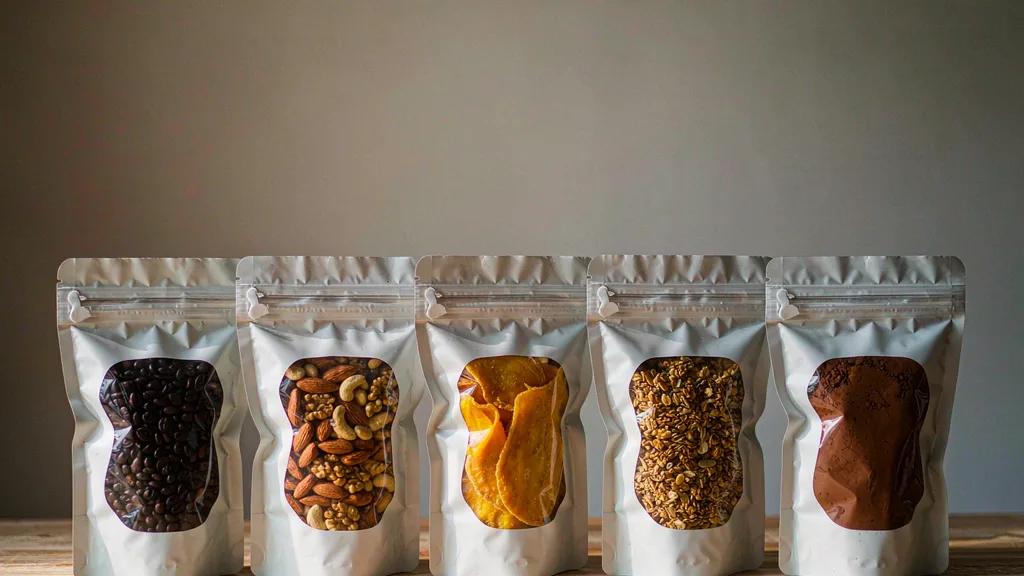
Coffee packaging is the most representative application of foil pouches. Roasted coffee beans keep releasing CO2, while aroma compounds volatilize easily and oils oxidize into off-flavors. A foil pouch with a one-way degassing valve both vents the CO2 and blocks outside oxygen — the best coffee freshness solution. Both pure foil and metallized pouches are widely used for coffee. If you are choosing packaging for coffee products, refer toPET Materials in Food Packaging to understand the function of each layer in a laminate structure.
How to choose foil pouches
When choosing foil pouches, first define the product’s barrier needs. Highly sensitive products (coffee, pharmaceuticals, retort food) warrant pure foil pouches; ordinary snacks and home & personal care can use metallized pouches to control cost. Second, consider the layer count and material combination — common structures are PET/AL/PE, PA/AL/CPP and PET/AL/PA/PE, each with different heat resistance and strength. Third, check sealing performance: the foil layer makes heat sealing harder, requiring the right adhesives and sealing parameters. Fourth, consider the environment: pure foil pouches are hard to recycle because of the foil layer, and metallized pouches, though using less aluminum, are equally hard to separate for recycling.
Environmental challenges and solutions for foil pouches
The environmental challenge of foil pouches comes mainly from their multi-layer structure. The foil and plastic layers in pure foil pouches are hard to separate, blocking entry to traditional plastic recycling. Metallized pouches are similar: the ultra-thin aluminum layer, though tiny in quantity, still degrades recycled material quality. The industry is tackling this from two directions: developing high-barrier coating technology that replaces the foil layer with transparent oxide coatings (AlOx, SiOx) for recyclable, fully transparent high-barrier packaging; and developing chemical recycling that breaks multi-layer structures back into monomer feedstocks. Despite the challenges, foil pouches — thanks to their irreplaceable barrier — will remain the mainstream choice for premium food packaging for a long time to come.
Foil pouches are the “gold standard” of premium food packaging, and pure foil and metallized pouches each have their own scenarios. Choosing the right foil solution means finding the best balance among barrier, budget and environmental requirements. Welcome toContact OMOPACK get a professional custom foil pouch solution. You can also visit our English official website www.omopack.com for more global packaging solutions.