High-temperature packaging materials are among the most technically demanding and widely used functional packaging in the food industry. From 121°C retort sterilization for canned food to ready-meal trays heated directly in microwaves, different high-temperature scenarios impose completely different requirements on packaging materials. This article systematically sorts the categories, selection logic and common misconceptions of high-temperature packaging materials to help buyers decide correctly.
1. High-temperature scenario categories: retort, sterilization and microwave
“High-temperature resistance” in the packaging industry is not one unified metric — at least three scenarios must be distinguished. First, retort: 115°C-135°C, used to sterilize meat, fish and ready-to-eat dishes, requiring the packaging to stay sealed and intact under high temperature and pressure. Second, hot filling and pasteurization: 70°C-100°C, for juice, sauces and the like. Third, microwave heating: temperatures may not be extreme, but materials must withstand localized overheating and release no harmful substances. Different scenarios, completely different material logic.
2. Mainstream high-temperature packaging materials
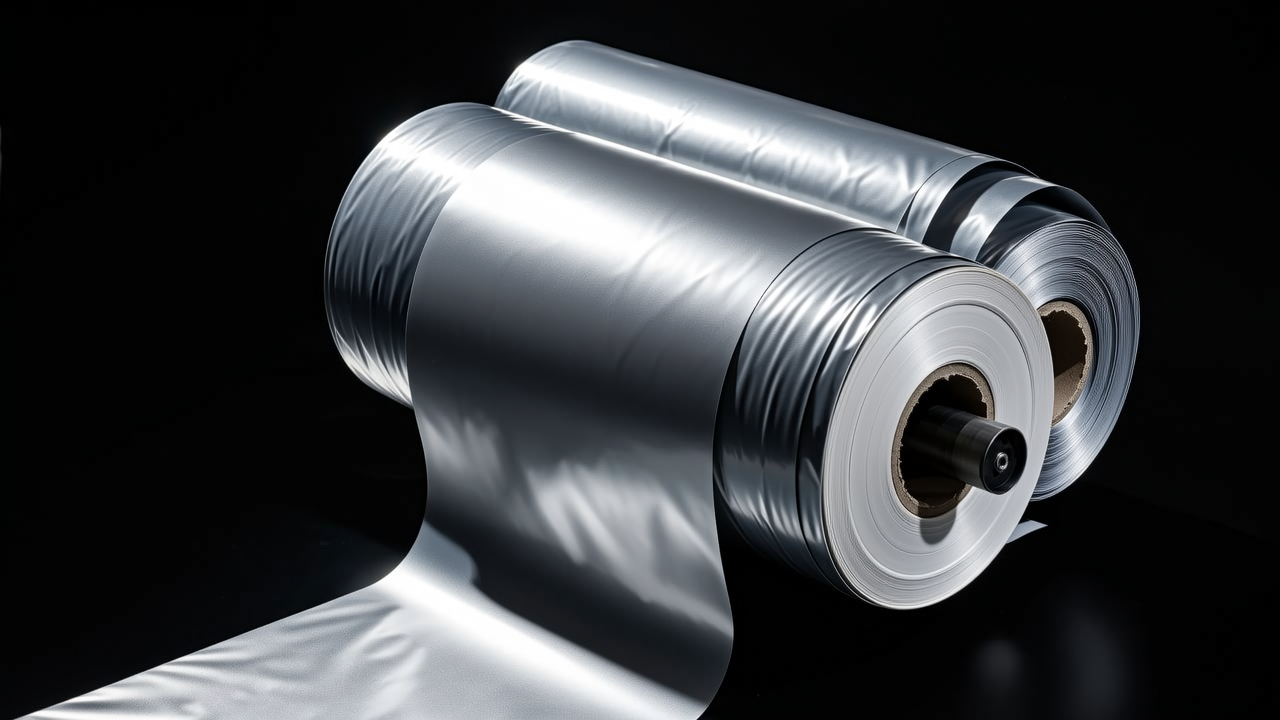
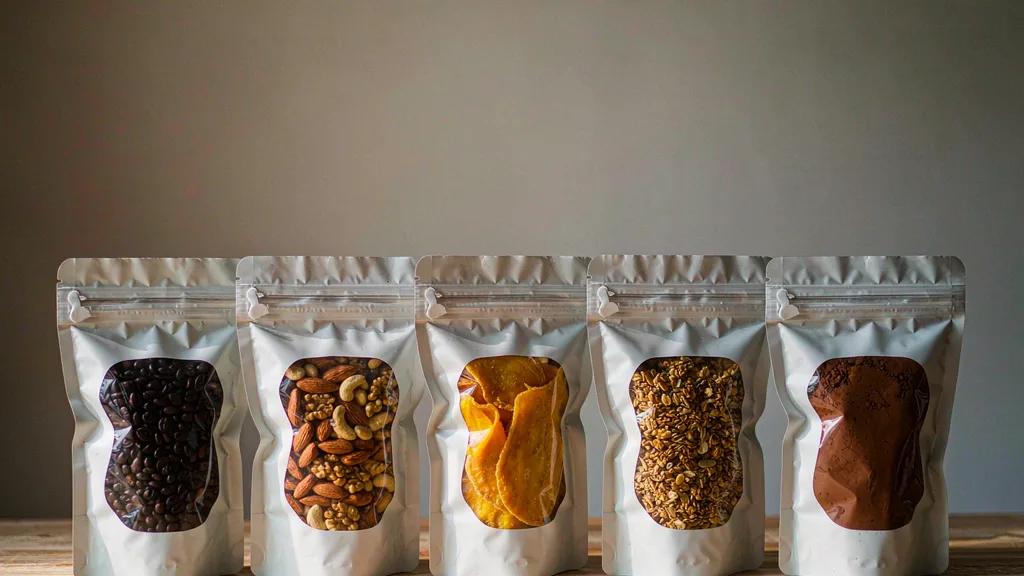
PP (polypropylene) is the most common heat-resistant material — melting point above 160°C, microwaveable, widely used for meal boxes, cups and food pouches; PA (nylon) resists heat and puncture, often laminated with PE for retort pouches rated at 121°C; PET tolerates moderate heat, suiting scenarios below 80°C, and retort-grade PET works in some sterilization processes; foil performs excellently at high temperature, commonly the barrier layer in retort pouches with PP or PA inner layers. Laminates combine layers to satisfy heat resistance, barrier and sealing simultaneously.
3. Material logic for retort pouches
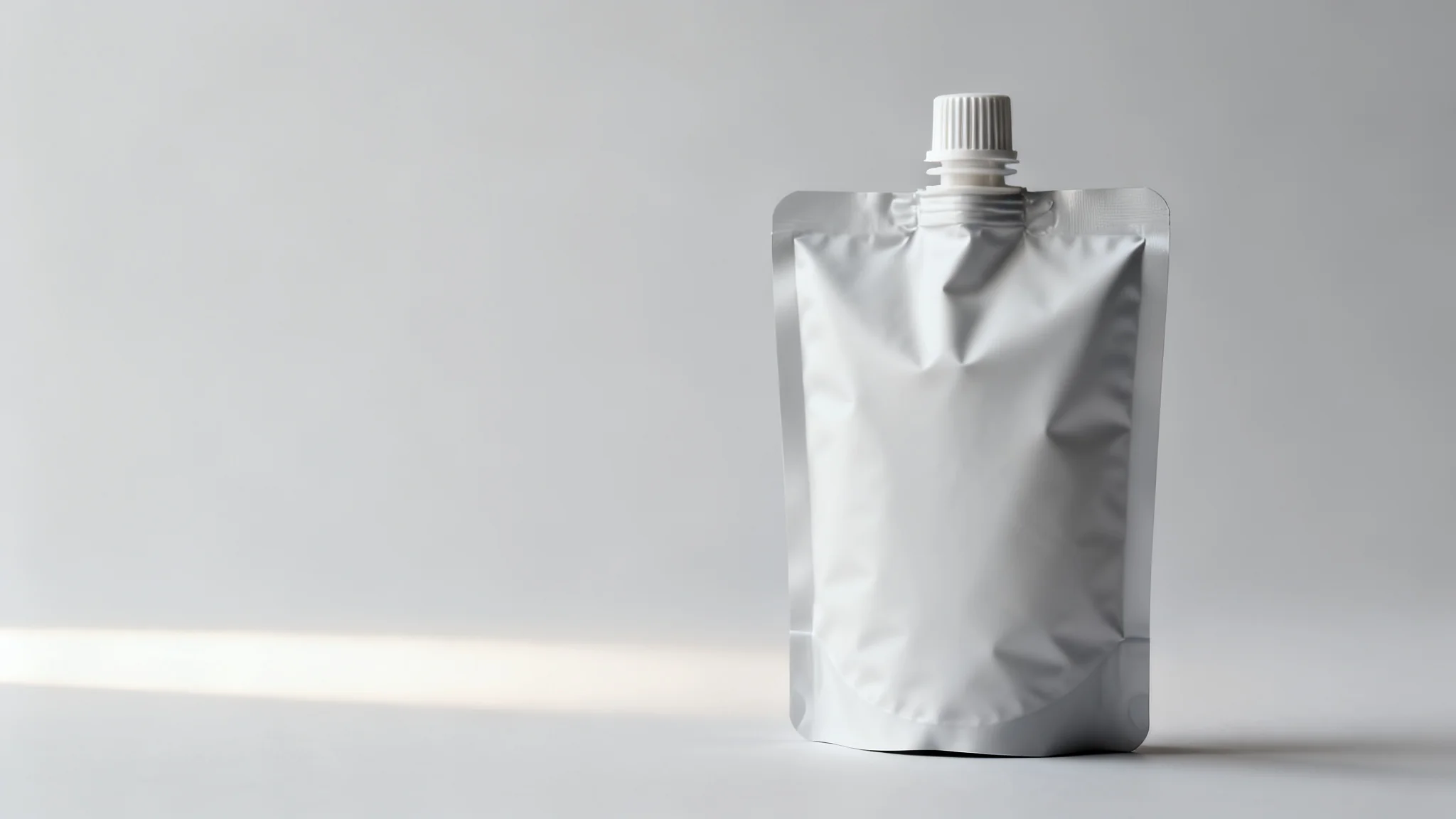
Retort pouches are the typical representative of high-temperature packaging — common structures include PA/PE, PET/AL/PA/PP. The inner layer contacts food directly and must be heat-resistant and safe (PP or heat-resistant PE) while providing heat sealing; the middle layer provides barrier — foil or EVOH effectively blocks oxygen and moisture to extend shelf life; the outer layer provides mechanical strength and printability. More layers and stronger barrier mean higher cost, so choose per shelf-life requirements and budget. For a detailed introduction to high-barrier materials, refer to our earlierPA Nylon Pouch Guide。
4. Special requirements for microwave-heated packaging
Microwave heating differs completely from retort sterilization. Food may locally exceed 100°C in the microwave with fast heating — materials must tolerate instant high heat; metals like foil cannot be used in microwave environments or sparking occurs. Microwave packaging therefore typically uses PP or PET with vent valves or easy-tear openings to prevent excessive internal pressure. A special reminder: ordinary PE cling film may melt in the microwave — choose products marked “microwave safe”.
5. Common misconceptions and buying advice for high-temperature packaging
Misconception 1: all “food-grade” materials resist high heat. Food-grade only means the material can contact food, not that it withstands high temperature. Misconception 2: looking only at the temperature number, ignoring pressure and time. Retort sterilization is a high-temperature, high-pressure environment — heat ratings need margin. Misconception 3: ignoring seal strength. The seal is the weakest point at high temperature; retort pouch seal strength directly determines yield. When buying high-temperature packaging, always request retort test reports from the supplier, confirming no deformation, delamination or leakage at the target temperature and time.
If you are looking for high-temperature packaging production solutions, welcome to contact us — we have mature retort pouch and microwave packaging lines and can customize material structures to your sterilization process.
Want to see the full packaging product line? Welcome to visit our sister siteOM Packaging。