“What is the safest material for food packaging pouches” is one of the most-asked questions from consumers and buyers — and the core question of pouch material selection. As a frontline flexible packaging factory practitioner, I want to correct a misconception first: there is no absolutely “safest” material, only the “most suitable” combination. Safety depends on whether the material itself complies, whether it is produced to standard processes, and whether it matches the food’s actual characteristics. This article explains the safety logic of food packaging materials from a factory perspective.
1. First, understand: what is the safety bottom line for food contact materials
In China, food packaging materials must meet the GB 4806 series standards — the safety bottom line for food contact materials. The standards set strict limits on migration, heavy metal content, additive use and more. A responsible packaging factory requires raw material suppliers to provide declarations of compliance and periodically sends finished products for testing to ensure migration tests pass. When buyers select packaging suppliers, the first thing to request should be these test reports — not just prices.
2. The “safety profiles” of common food packaging materials
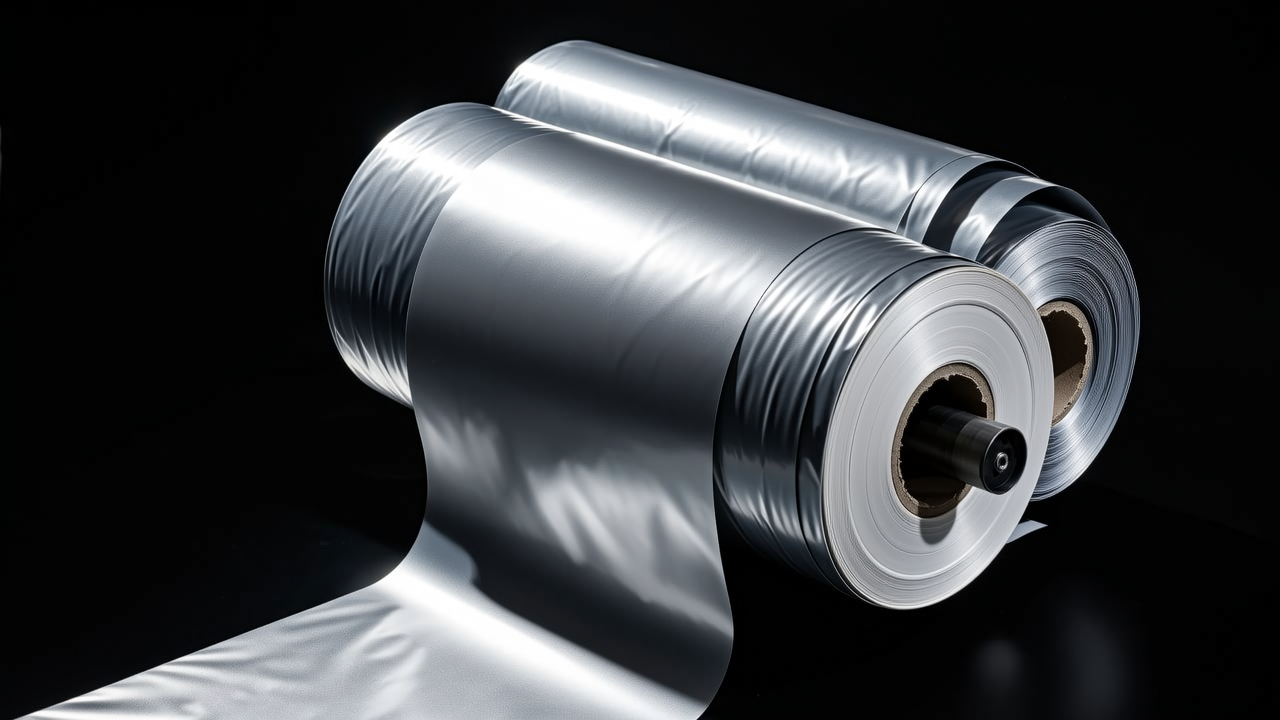
PE (polyethylene) is the most-used food packaging material — chemically stable, acid and alkali resistant, widely used for food bags and cling film; PP (polypropylene) tolerates heat and microwaving, suiting meal boxes and high-temperature packaging; PET (polyester) offers high transparency and good barrier, used for beverage bottles and food trays; PA (nylon) resists puncture and retort, suiting high-temperature cooking pouches; foil has excellent barrier for premium food packaging needing light and moisture protection. All these materials safely contact food when produced compliantly.
3. Three things more critical than the material
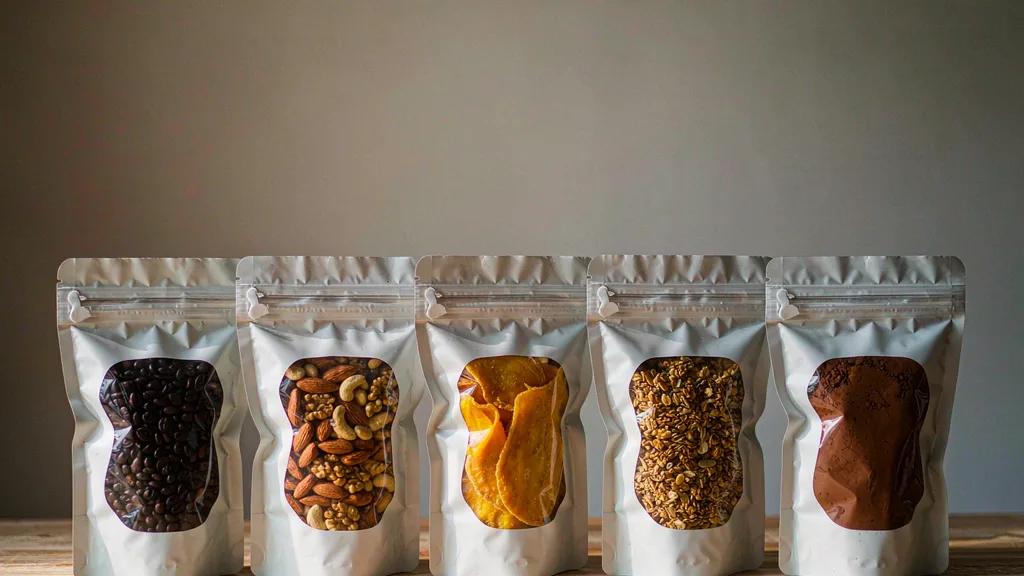
First, printing inks and adhesives must not contact food directly. In laminates, the ink layer needs sufficient separation from the food layer — many factories add a pure PE or PP “safety layer” inside. Second, high-temperature scenarios need heat-resistant materials. Using ordinary PE bags for hot food or microwaving can deform the material or exceed migration limits — switch to PP or dedicated high-temperature laminates. Third, watch recycled material use. Legitimate food packaging must use virgin resin; recycled material brings uncontrollable migration risk — buyers can gate this through test reports and factory qualifications.
4. How to judge whether a supplier is reliable
Check qualifications: food production license (QS/SC) and ISO certifications complete? Check reports: recent food contact material migration test reports available? Check the line: is food packaging produced on separate lines from other products to avoid cross-contamination? Check samples: actually request samples and test — print quality, seal strength and any odor. For the detailed food-grade certification process, see our earlierFood-Grade Certification Guide。
5. One-line summary for buyers
For food pouch safety, material is the foundation, process is the guarantee, testing is the evidence. Instead of agonizing over “which material is safest”, first confirm the supplier has compliance qualifications and testing capability. Choosing a factory willing to put test reports on the table beats choosing any “miracle material”.
If you are struggling with food packaging material selection, welcome to contact us — we provide food-grade flexible packaging customization and can recommend the most suitable material combination for your product characteristics.
Want to see the full packaging product line? Welcome to visit our sister siteOM Packaging。