Infants’ organs are not fully developed, and their immune and metabolic systems are far more fragile than adults’, making them more sensitive to chemicals that may migrate from food contact materials. Choosing the right baby food packaging material is therefore critical, with safety standards far stricter than adult food. Both Chinese national standards and international standards impose extra safety requirements and test items on baby food packaging. Understanding these differences not only helps food companies produce compliantly but is also a basic safeguard for infant health.
Baby food packaging standards are stricter chiefly because risk exposure is relatively greater — infants’ food intake and packaging contact area per kilogram of body weight far exceed adults’, meaning the same migration concentration affects infants far more significantly.OMOPACK has long providedinfant food brands with packaging solutions, backed by deep understanding and hands-on experience of baby food packaging regulations across countries.
Special requirements of Chinese national standards for baby food packaging
In China’s GB 4806 series, food contact materials for infants and young children have dedicated control requirements. Compared with ordinary food contact materials, baby food packaging is stricter in several ways: first, overall migration limits — lower total migration limits for infant food contact materials; second, specific migration — heavy metal limits for lead, cadmium, mercury etc. several times stricter than ordinary food packaging; third, plasticizer (phthalate) testing — infants’ products require plasticizers to be non-detectable, while adult food packaging permits them within limits.
Baby food packaging must also account for the different physiology of newborns (0-6 months) and older infants (6-36 months). GB 4806.13-2023 explicitly sets applicability requirements for infant food contact materials by age group — a granularity absent from ordinary food packaging standards. For infant formula packaging, national standards additionally require that packaging materials release nothing that affects the formula’s nutritional content or flavor.
Comparing EU and US baby food packaging standards
In the EU, baby food packaging must meet both EU 10/2011 and specific requirements for infant food. The EU’s BPA (bisphenol A) ban is the strictest — explicitly prohibiting BPA in baby bottles and infant food packaging. The EU also sets extremely strict limits on aromatic amine migration, primary aromatic amines, N-nitrosamines and other carcinogens in baby food packaging.
The US FDA regulates baby food packaging just as strictly: 21 CFR Parts 175-178 set the indirect food additive requirements for food contact materials. The FDA specifically requires infant formula packaging materials to pass dedicated migration testing, ensuring no harmful substances migrate into the formula during shelf life. Unlike the EU, the US uses a “food additive filing” system — material producers must submit full toxicological data and safety assessment reports to the FDA.
Recommended materials for baby food packaging
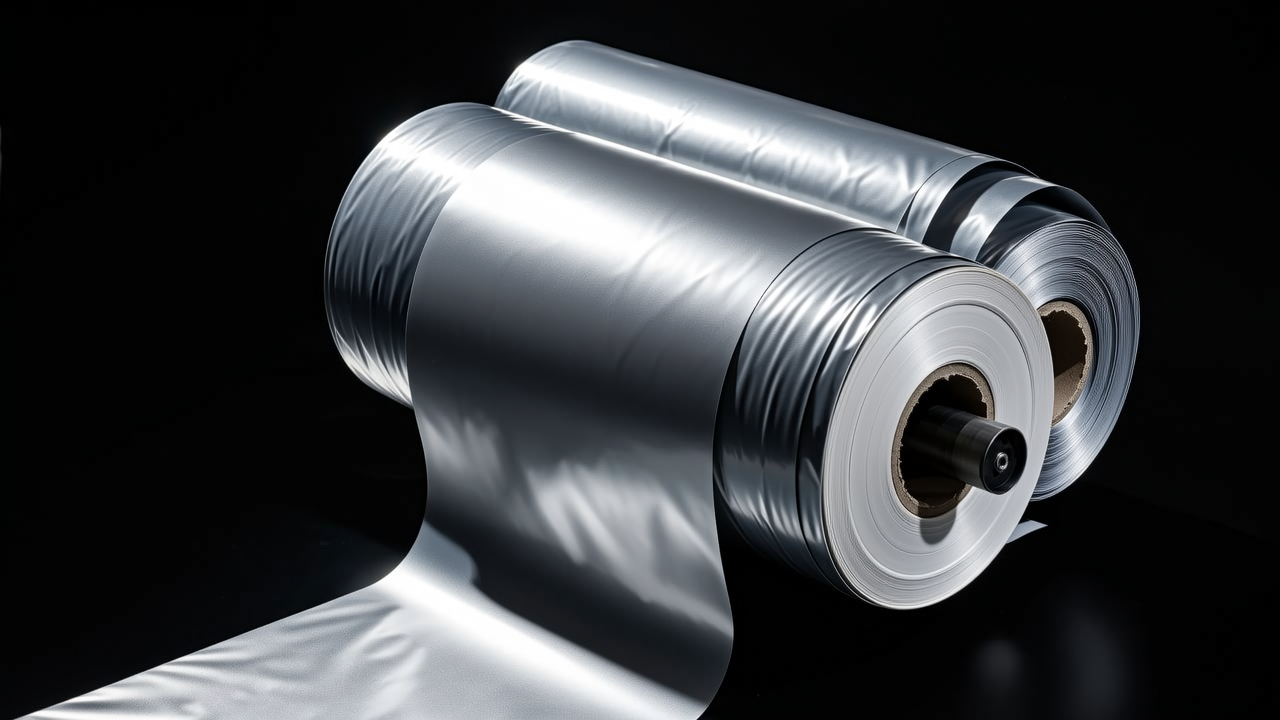
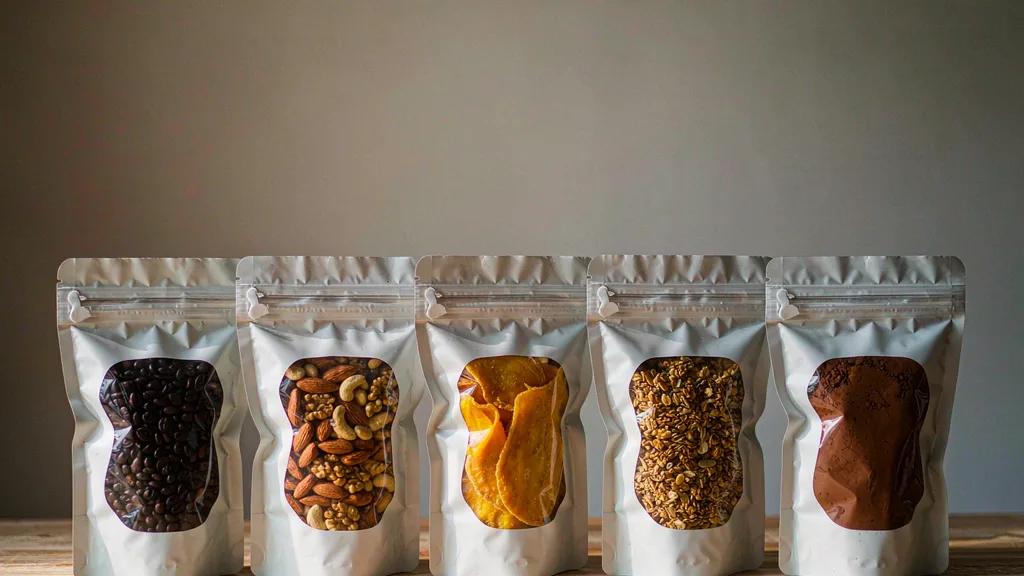
Given these strict safety requirements, baby food packaging material selection demands extra care. Current mainstream solutions: for infant formula, PET/AL/PE multi-layer laminates — the foil layer provides excellent barrier against moisture and oxidation, and the inner PE uses food-grade low-migration resin. For baby puree and baby food, spouted pouches are mainstream — AL/PE or EVOH high-barrier laminates with food-grade PP spouts.
For dry baby foods like baby biscuits and yogurt melts, PP laminates or biodegradable PLA-coated packaging are recommended — safe and eco-friendly. Whichever material is chosen, baby food packaging must pass migration testing at SGS or an equivalent authority, with test reports meeting the GB 4806 series.
Compliance verification methods for baby food packaging
Ensuring baby food packaging compliance cannot rely on suppliers’ quality certificates alone — companies need their own verification process. We recommend a “three-step verification method”: first, supplier audits — require third-party test reports confirming no harmful substances in material composition; second, simulated migration testing — run food simulant migration experiments per GB 31604 to assess whether migration under real use conditions stays within safe limits; third, batch sampling — spot-check key indicators such as solvent residue and heavy metals on each incoming batch.
Baby food brands should also manage production line hygiene, ensuring workshop cleanliness meets GB 12693 (Good Manufacturing Practice for Infant Formula Food). Warehouse conditions for packaging materials also matter — avoid odor absorption or contamination during storage.
Conclusion
Baby food packaging safety standards exceed adult food — the combined result of market demand and regulatory requirements. For brands aiming at the infant food market, selecting and validating compliant packaging materials is a precondition for entering this high-barrier market. OMOPACK has rich baby food packaging production experience, strictly follows international food contact material standards, and provides safe, reliable packaging solutions for infant food brands.
Contact OMOPACK for Baby Food Packaging Solutions ->
For domestic market needs, you can learn about Huasu Packaging