The flexible packaging market for home & personal care products (laundry detergent, shampoo, body wash, etc.) is undergoing unprecedented change. Consumers’ multiple demands for convenience, aesthetics and sustainability are driving home & personal care flexible packaging from single function toward multifunction, intelligence and sustainability. This article explores the latest innovation trends, offering valuable reference for industry practitioners.
Consumer trends driving packaging change
Convenience as the top priority
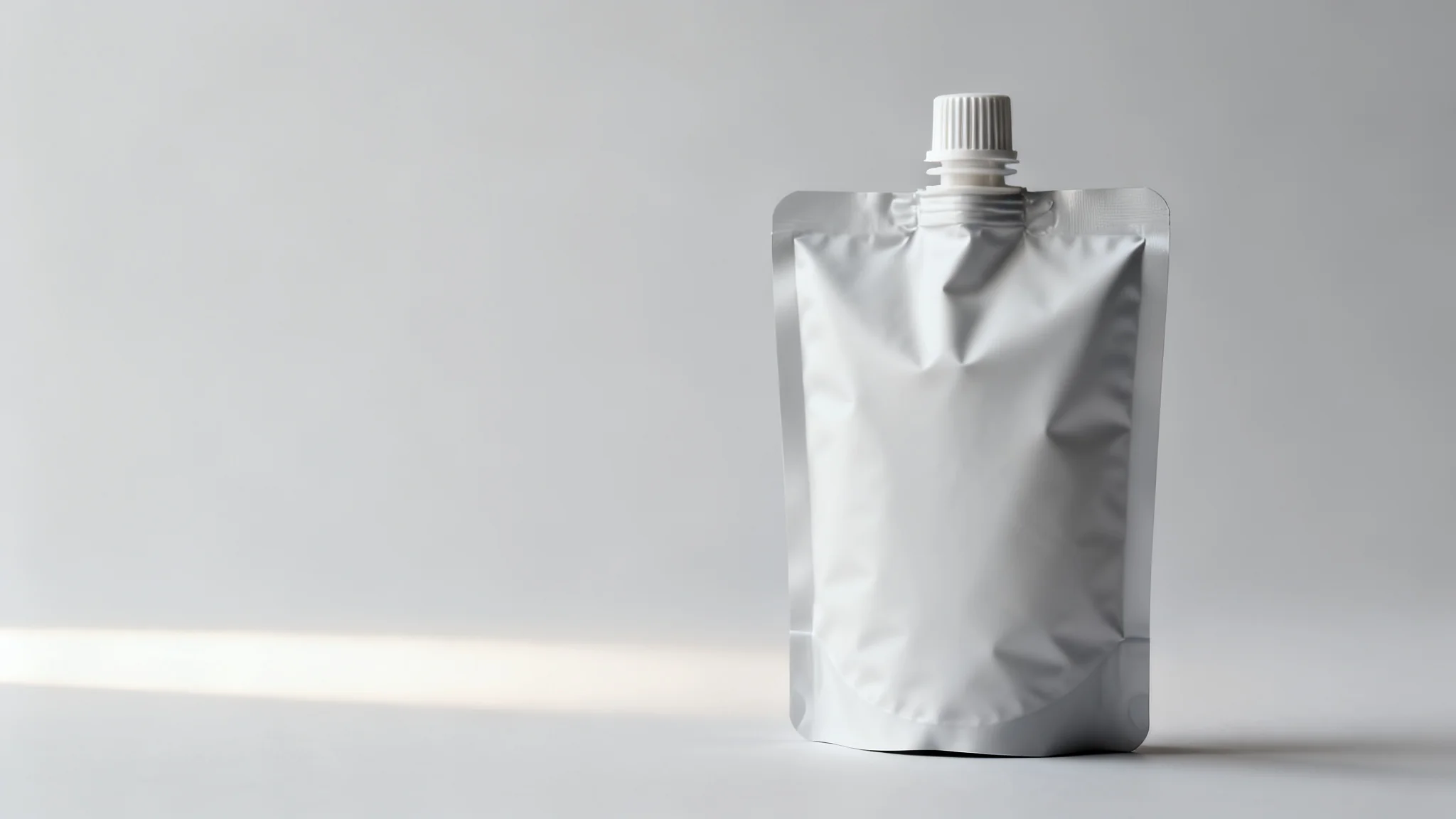
Modern consumers pursue efficient, convenient lifestyles, placing higher demands on home & personal care packaging. Innovative formats — pump-action pouches, stand-up pouches, easy-tear designs — make products more effortless to use. Especially large-capacityrefill designs refills not only lower packaging cost and reduce plastic usage but are also increasingly favored by households.
Visual appeal deciding purchase decisions
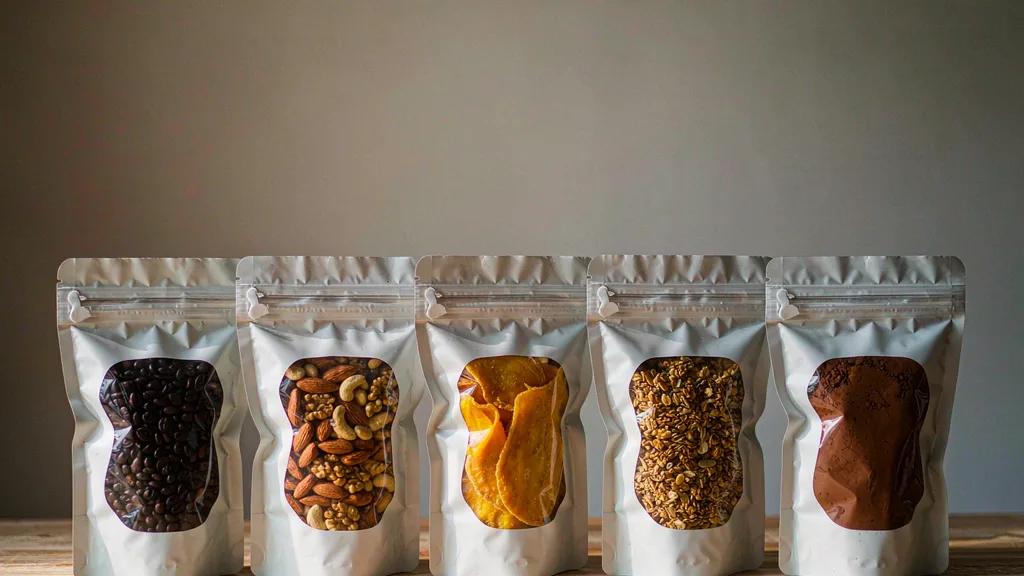
In today’s fiercely competitive home & personal care market, visual design has become a key tool for brand differentiation. High-definition printing, matte-gloss special effects, see-through window designs and more effectively boost shelf appeal. Transparent PET/PE laminate packaging displays the product’s own texture while ensuring sealing and stability.
Functional innovation: beyond just “holding”
High-barrier technology extending product life
Active ingredients in home & personal care products (enzymes, fragrances, whitening factors, etc.) easily degrade under oxygen and moisture. High-barrier flexible packaging — EVOH coextruded films or aluminum oxide coated films — effectively protects actives and extends shelf life. This matters especially for premium skincare and functional home & personal care products.
Anti-counterfeiting and traceability technology
As brand protection awareness grows, more home & personal care companies integrate anti-counterfeiting into flexible packaging. Micro-print text, fluorescent anti-counterfeiting, QR traceability systems — all protect consumer rights and brand reputation. Applying these on flexible packaging requires precision printing and special materials.
The rise of smart packaging
Smart packaging technologies — NFC tags, thermochromic inks — are gaining ground in home & personal care. Consumers tap the package with a phone to get usage instructions, ingredient information and authenticity verification. This interactive packaging experience effectively strengthens brand-consumer engagement.
Sustainable packaging: the only way forward
Source reduction and lightweighting
Cutting material use while maintaining performance is the most direct environmental measure. Through optimized film thickness and improved structural design, home & personal careflexible packaging can achieve roughly 15% to 30% source reduction. Lightweighting also effectively lowers carbon emissions in transport.
Mono-material packaging
Traditional laminates mix many materials and are hard to recycle. In recent years, mono-material solutions (all-PE or all-PP) have become an industry R&D hotspot — keeping necessary functionality while significantly improving recyclability. All-PE laundry detergent refill pouches are already widely used in the market.
Use of recycled materials
Post-consumer recycled plastic (PCR) is steadily expanding in home & personal care flexible packaging. Many well-known brands have committed to using a certain share of recycled material in their packaging. PCR still has room to improve in transparency and performance, but as technology advances, its prospects are very broad.
Production technology innovation: efficiency and quality together
High-speed printing and lamination technology
Advances in gravure and flexo printing have greatly raised production efficiency for home & personal care flexible packaging. Electronic engraving and fully automatic registration systems ensure color consistency and print precision at scale. Meanwhile, solvent-free lamination is cutting VOC emissions in production.
Digital printing enabling personalization
Digital printing technology makes personalized packaging and small-batch production possible for home & personal care brands. Brands can launch limited-edition designs per batch or channel, responding quickly to market shifts and holiday campaigns. This flexibility is especially attractive to small and medium home & personal care brands.
Conclusion
Home & personal care flexible packaging innovation is evolving from single-function needs toward an integrated direction balancing user experience, brand value and environmental responsibility. In materials science, production processes and design philosophy alike, the flexible packaging industry is undergoing profound change. OMOPACK, as a professional flexible packaging solutions provider, keeps tracking frontier technologies and is committed to innovative packaging that combines quality and environmental value. To learn more, welcome toContact Us or visit our sister brand Hasupack.