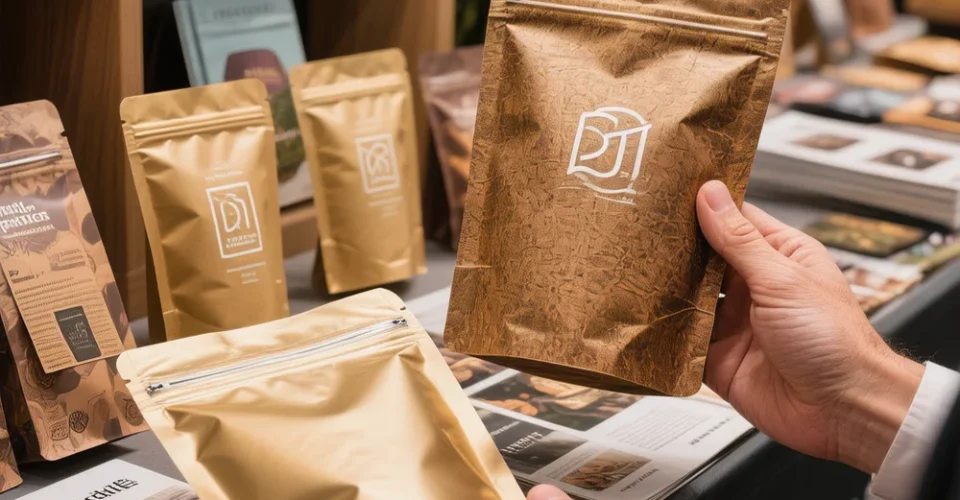
The 2026 interpack China Packaging World (Shanghai) Expo will be held from November 16 to 18 at the Shanghai New International Expo Centre. As the highest-caliber packaging industry event in the Asia-Pacific region, this edition covers an exhibition area exceeding 70,000 square meters, brings together about 970 leading global companies, and is expected to attract over 47,000 professional visitors. For brands in coffee, tea, pet treats, food and beverage and other fields, this expo is an excellent window for spotting packaging trends, optimizing procurement decisions and connecting with global suppliers. From a brand procurement perspective, this article provides a practical industry report and visiting guide.
1. Why should brands pay attention to the 2026 interpack China Shanghai Packaging Exhibition?
First, interpack China is the flagship Asia-Pacific event of the interpack alliance, the world’s top packaging exhibition, sharing more than sixty years of industry resources from Messe Dusseldorf in Germany. This means you can reach the world’s best packaging suppliers in three days without flying to Dusseldorf.
Second, this year’s exhibitors cover the”material R&D — equipment manufacturing — finished packaging — solution implementation — end-user application”full chain. Whether you need to find a new custom coffee pouch supplier, learn about the latest eco-friendly material solutions, or assess small-batch sampling capabilities of digital printing, you can find corresponding resources on site.
In addition, the many forums and business matchmaking events held alongside the expo help brands efficiently obtain industry trend information and connect with target suppliers. According to the organizer’s data, 96% of on-site visitors directly participate in investment decisions, overseas buyers account for 17.5%, covering 122 countries and regions. For more packaging selection knowledge, refer to our earlierplastic packaging selection guide。
2. Highlight 1: GREEN POWER dual-carbon zone — eco-friendly packaging moves from concept to practice
The GREEN POWER dual-carbon new era zone is one of the sections brands pay most attention to at this expo. Previous data shows visitor satisfaction in this zone as high as 97%. For natural agricultural product brands such as coffee, tea and food, eco-friendly packaging has shifted from a marketing concept to a product strategy that must be implemented.
Biodegradable and recycled materials: the physical carrier of brand environmental storytelling
The zone will showcase bioplastics, recycled plastics (PCR), plant fiber molding, reusable circular packaging and other innovative products. For brands, focus on the following directions: first, the latest progress of PCR materials in food-contact applications, which directly determines whether a brand can put”contains XX% recycled material”environmental claims on its product pages. Second, mono-material recyclable structures of all-PE or all-PP, which allow the whole package to be recycled and avoid the”non-recyclable”shortcoming of traditional multi-layer laminates.
Third, the application of compostable packaging materials (such as PLA) in specific scenarios. Although compostable materials are still relatively expensive, they are an effective differentiation point for premium specialty coffee and organic tea brands. To understand the impact of eco-friendly packaging on brand premium, read ourPremium coffee packaging pricing strategy analysis。
3. Highlight 2: intelligent manufacturing zone — the technical infrastructure for small-batch customization
The intelligent manufacturing packaging zone showcases smart packaging equipment from components to complete line solutions. For brands, this zone matters not for buying equipment but for understanding suppliers’ technical capability boundaries — which personalized customization needs are now achievable and which small-batch order thresholds have been lowered.
Digital printing technology: packaging equality for small brands
Upgraded digital printing equipment means suppliers can offer higher print quality at lower minimum orders. For coffee roasting or tea brands just starting out, this means you can get with a 1,000-meter order the print quality that once required 10,000 meters of gravure. More importantly, digital printing supports versioned marketing — the same product can quickly launch limited editions such as holiday or co-branded versions, each printed independently with no extra plate-making cost.
AI smart imposition: reducing material waste and cost
AI smart imposition systems can increase print material utilization by 3%-5%, and this saving ultimately flows into the brand’s procurement cost. When evaluating packaging suppliers at the expo, asking whether they use an AI imposition system is one indicator of their technical level. For digital printing applications in coffee packaging, refer to ourComplete Guide to Custom Coffee Packaging Pouches。
4. Highlight 3: SAVE FOOD zone — freshness technology driving product upgrades
The SAVE FOOD zone, in cooperation with authorities such as the World Packaging Organisation (WPO) and the UN Food and Agriculture Organization (FAO), focuses on solutions that reduce food loss through packaging technology. For food and beverage brands, this zone directly relates to product shelf life and consumer experience.
Modified atmosphere packaging: a powerful tool for extending shelf life
Modified atmosphere packaging (MAP) extends the shelf life of fresh food by 2-3 times by adjusting the gas ratio inside the package. If your brand is expanding into ready-to-eat food, bakery products or prepared dishes, this technology can help you break through the limits of cold-chain delivery radius and expand market coverage.
RFID traceability: the safety endorsement for premium brands
RFID anti-counterfeiting and traceability technology is moving from pharmaceutical packaging into premium food packaging. By integrating RFID into packaging, consumers can scan with their phones to verify authenticity and trace origin information. For brands emphasizing”single-origin””organic certification”, this is an effective technology for building consumer trust in specialty coffee and premium tea. In addition, it is also important to understand hygiene standards for food packaging materials — refer toAnalysis of food packaging materials and sanitary certification standards。
5. Highlight 4: concurrent forums — the best channel for brands to gain industry insights
The many high-caliber forums held alongside the expo are the best channel for brands to obtain first-hand industry information. Here are the three forums most worth attending:
Green Packaging Low-Carbon Pathways Forum
This forum will systematically interpret domestic and international plastic restriction policies, carbon footprint accounting standards and green certification systems. If your brand has export plans, especially to the European market, this forum can help you learn in advance about the PPWR regulation’s mandatory recycled-content requirements for packaging, avoiding products being blocked from target markets due to non-compliant packaging. For detailed information on the EU PPWR regulation, refer tothe European Commission’s official website。
End-Use Packaging Innovation Trends Forum
This forum will share packaging innovation cases in food, home & personal care, pharmaceuticals and other fields. Brands can draw packaging design inspiration and learn about competitors’ latest packaging upgrades. Packaging innovation cases in coffee and tea categories in particular often directly inspire your next-generation product packaging.
Cross-Border Packaging Export Standards Forum
For brands planning to expand overseas, this forum offers the opportunity to directly understand packaging access standards of different countries. Material certifications, labeling requirements and environmental rules for food packaging differ by country; understanding these differences in advance can avoid rework and delays in export.
6. Highlight 5: business matchmaking — practical strategies for efficient brand procurement
This expo introduces”buyer navigation: custom pain-point routes”and”global precision business matchmaking”two services. For brands, using these services wisely can greatly improve expo efficiency.
Pre-expo preparation: define a clear procurement requirement list
Brands are advised to complete the following preparation before the expo: first, sort out the pain points and improvement needs of the current packaging solution (such as cost reduction, better freshness, switching to eco-friendly materials). Second, prepare product samples and existing packaging samples for on-site communication with suppliers. Third, book matchmaking meetings through the organizer to lock in target suppliers.
On-site communication: replace vague inquiries with scenario-based needs
When communicating with suppliers, do not just ask”how much is one pouch”, but describe specific scenario needs. For example:”I have a 250g specialty coffee product that needs to sell through both e-commerce and offline specialty supermarkets, with the goal of raising the retail price from 68 yuan to 98 yuan. What packaging solutions do you suggest?”This scenario-based communication helps suppliers quickly understand your needs and provide more targeted solutions.
7. Practical expo guide for brands
Basic expo information
| Options | Details |
|---|---|
| Full expo name | interpack China 2026 Packaging World (Shanghai) Expo |
| Time | November 16-18, 2026 |
| Venue | Shanghai New International Expo Centre (2345 Longyang Road, Pudong New Area) |
| Exhibition area | 70,000+ square meters |
| Exhibiting companies | About 970 leading global companies |
| Expected visitors | 47,000+ professional visitors |
| End-use sectors | Food, beverages, desserts, bakery, pharmaceuticals, home & personal care, non-food consumer goods, industrial products |
| Official website | www.interpack-cn.com |
Suggested three-day visiting route
Brands are advised to arrange the three days as follows: on day one, focus on the GREEN POWER dual-carbon zone to learn about the latest eco-friendly packaging material solutions, and visit the flexible packaging finished product zone to collect samples. On day two, attend the concurrent forums for industry trends and policy information, and use business matchmaking services for in-depth communication with target suppliers. On day three, visit the intelligent manufacturing zone (to understand supplier technical capabilities) and the SAVE FOOD zone (to learn about freshness technology solutions) to complete your packaging upgrade knowledge map.
Sample collection and comparison tips
Bring a sturdy sample box and label stickers. For every sample you receive, immediately note on the label: supplier name, pouch type, material structure, printing process, special features and contact information. Over three days you may collect dozens of samples; without labels, they will be basically impossible to distinguish back at the office. Also, use your phone to photograph each supplier’s booth and key product information for later price comparison.
8. Summary: the expo is the starting point; implementation is the key
Questions about or need a custom packaging solution? Welcome toContact OMOPACK. We offer one-stop service from material selection and structural design to printing sampling and mass production, and our professional team provides free customization advice.
For related technical articles, refer to the Huasu Packaging knowledge base.