1. Common Compliant Food Packaging Materials and Their Applications
Food packaging is a key barrier safeguarding the safety of food storage, transport and sales, directly affecting food safety and human health. Compliant packaging materials are the foundation of safety, and strict sanitary certification is the guarantee of quality. Understanding the characteristics and applicable scope of common food packaging materials, and knowing food packaging sanitary certification requirements, helps consumers identify safe packaging and helps standardize industry production. The market offers a rich variety of compliant food packaging materials, each with distinct performance, advantages and application scenarios – an important foundation for safe food production.
1. Paper packaging: an eco-friendly, versatile packaging material
Paper packaging is the oldest and most eco-friendly packaging material, including food-grade white paperboard, corrugated board, coated paper and kraft paper. It offers the advantages of being degradable, breathable, printable and low-cost, and is commonly used for dry foods such as bread, pastries, snacks and dried goods. Paper packaging treated with food-grade water- and oil-resistant coatings can also hold fast food and fried foods safely without residue, and it is one of the most versatile food packaging materials on the market today.
2. Plastic packaging: the most widely used food packaging material
Plastic packaging is the most widely used category today. It is highly moldable, lightweight, durable and excellently sealed, with different sub-materials suited to different food storage and packaging scenarios, and safety strictly controlled by national standards. PET offers high transparency and hardness, commonly used for beverage bottles and cooking oil containers; PE is soft, safe and well-sealed, common in cling film and food pouches; PP resists high temperatures and can be used for microwaveable and disposable meal boxes – the only food plastic that can be microwave-heated. All food-grade plastics must meet dedicated safety standards; industrial plastics are strictly prohibited as substitutes to avoid harmful substance migration that could contaminate food.
3. Glass and metal packaging: high-safety, long-lasting fresh packaging
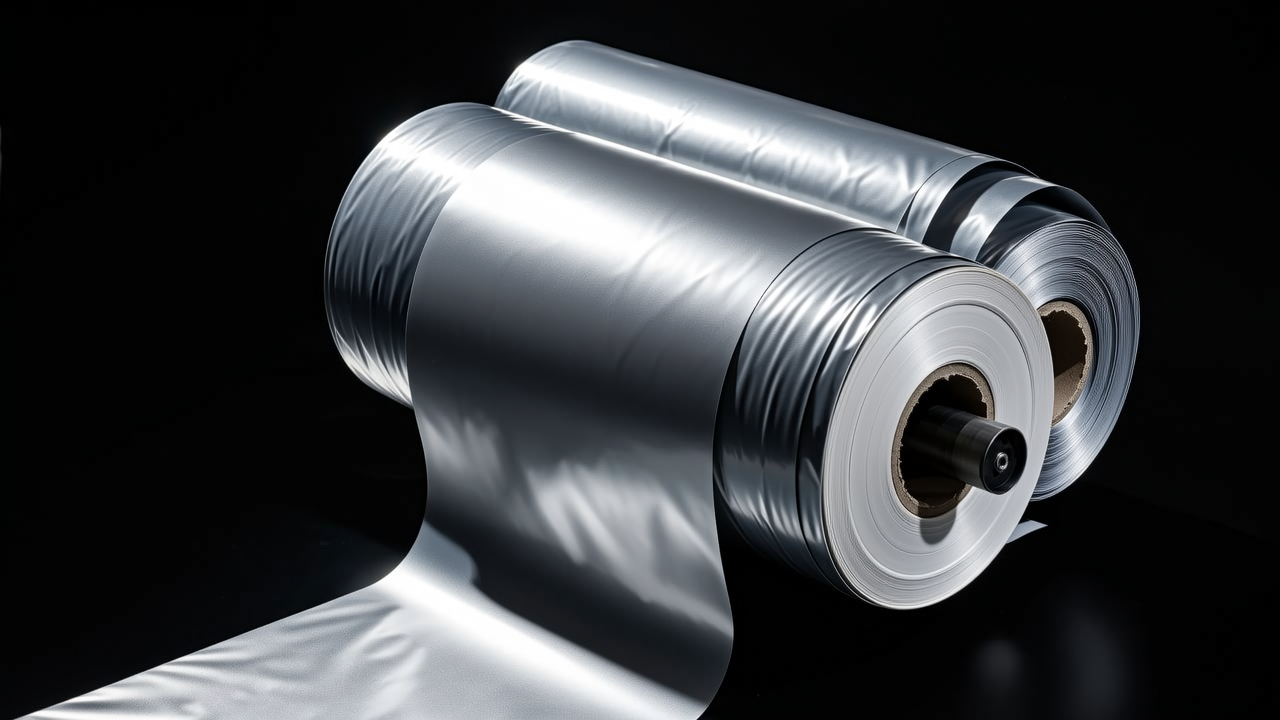
Glass packaging, with its strong chemical stability, no harmful substance release and reusability, is the first choice for premium food packaging. It offers high transparency, corrosion resistance and heat resistance, suits storage and packaging of beverages, sauces, honey and dairy products, preserves original food flavor to the greatest extent, and can be washed and reused repeatedly with extremely high safety. Metal packaging mainly uses tinplate, aluminum foil and stainless steel, providing excellent barrier properties that effectively block oxygen, light and moisture. It is mostly used for sealed packaging of canned food, milk powder and puffed snacks, delivering excellent freshness preservation and greatly extending shelf life.
4. Laminated and edible new packaging materials
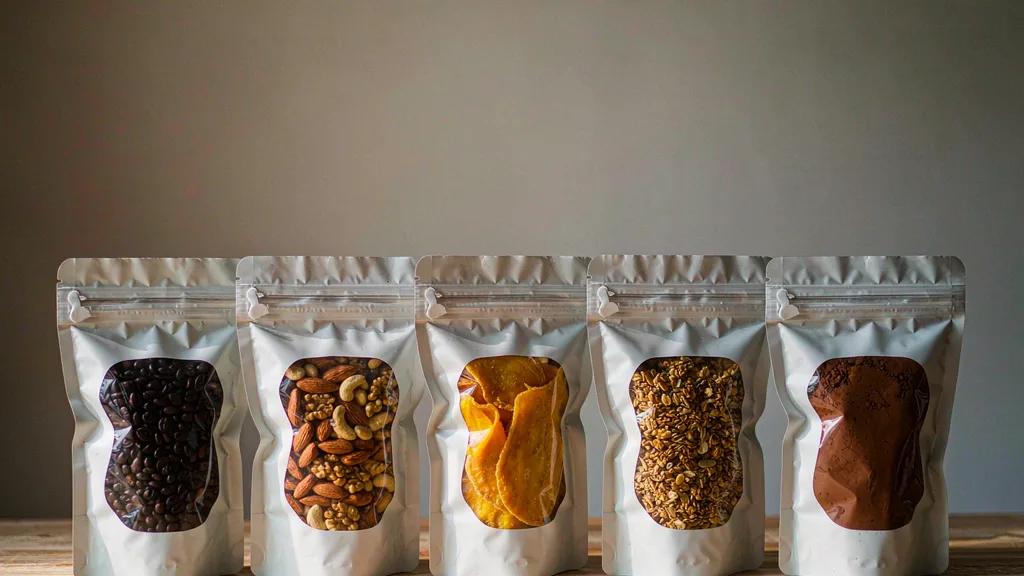
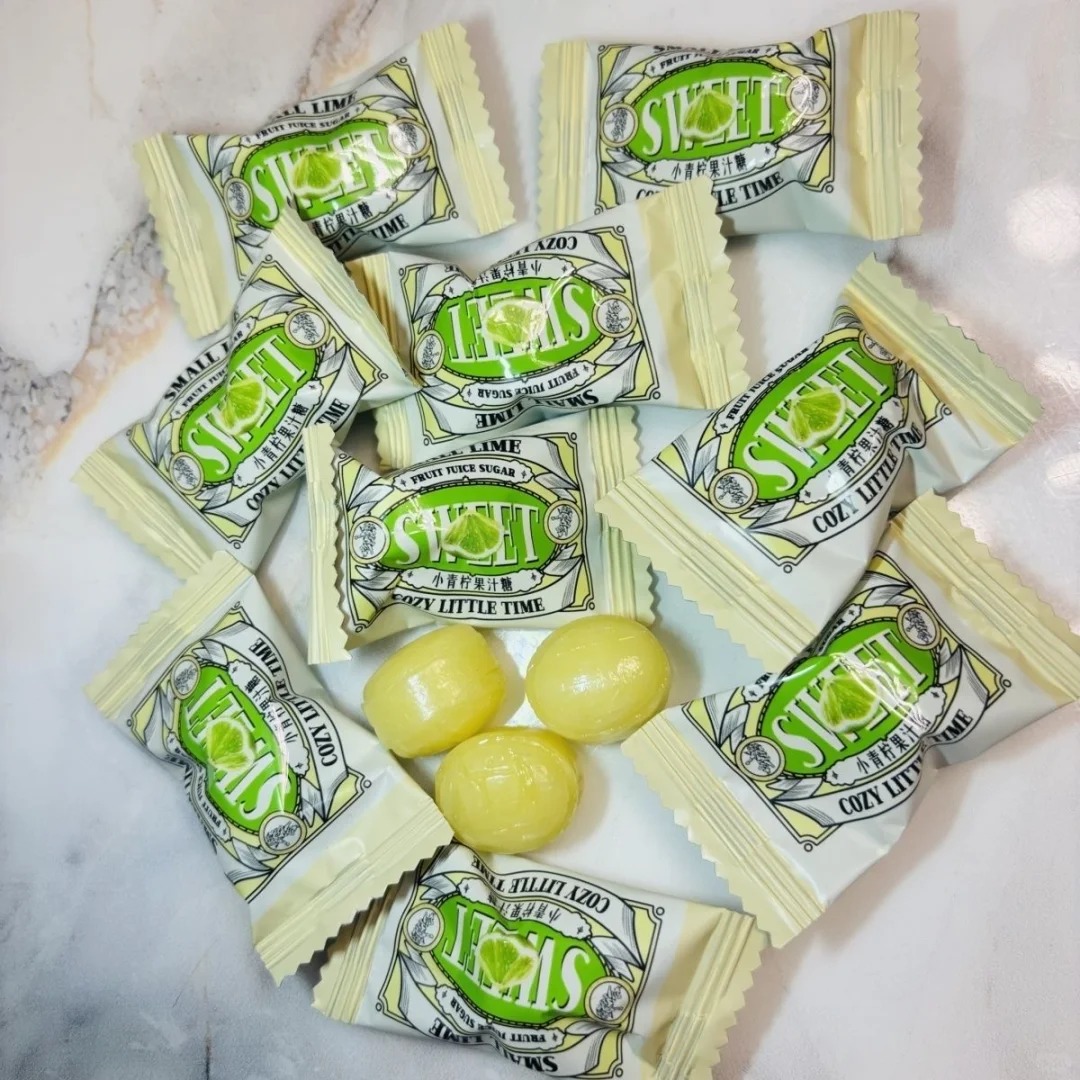
Laminated packaging combines two or more materials, integrating the advantages of each single material to balance sealing, freshness, high/low temperature resistance and leak prevention, meeting complex food storage needs. It is commonly used for vacuum-packed meat, frozen foods and health products, and is one of the mainstream packaging forms of the modern food industry. In addition, as eco-friendly concepts spread, edible starch- and protein-based new packaging materials are gaining adoption. They are green, safe, directly edible and naturally degradable, mostly used for candy wrappers and food freshness films – a development trend for future food packaging.
2. Core Sanitary Certification Standards for Food Packaging
1. Mandatory domestic certification basis: GB 4806 series national standards
Sanitary certification of food packaging is the core checkpoint for packaging safety. China’s food-contact packaging materials primarily follow the GB 4806 series of national food safety standards – mandatory national standards enacted under the Food Safety Law that comprehensively cover all food packaging materials and container categories. Led by GB 4806.1 General Safety Requirements, the series sets dedicated testing and safety rules for plastics, paper, glass, metal and composites, forming a comprehensive, systematic food packaging safety control system and serving as the core basis for compliant market release of all food packaging.
2. Core test items in sanitary certification
Food packaging sanitary certification tests are highly targeted, comprehensively screening packaging material safety hazards to ensure no safety risk after food contact. First, sensory testing requires packaging to be free of odors, impurities, color bleeding and shedding, ruling out basic contamination from appearance and sensory aspects. Second, migration testing strictly controls the transfer of harmful substances from materials into food, preventing excessive heavy metals and harmful organic compounds and avoiding chronic food safety risks. Third, potassium permanganate consumption testing precisely controls the content of organic contaminants soluble in food. In addition, dedicated tests for high-temperature resistance, acid/alkali resistance and permeation resistance are added for plastics, metal and composites to match different food processing and storage scenarios.
3. Food packaging compliance certification requirements
All food packaging sold on the market must complete the full compliance certification process. Products must pass comprehensive testing by authoritative third-party testing institutions and obtain qualified compliance test reports; manufacturers must obtain dedicated production licenses for food-contact materials and hold compliant production qualifications. Qualified products must also clearly mark food-grade identification, applicable standards and material information. Packaging materials that fail GB 4806 certification or lack compliance test reports are strictly prohibited from food packaging production and sale, eliminating the risk of packaging contaminating food at the source and building the first line of defense for food safety.
3. Summary
In summary, food packaging materials are diverse with varying performance, and different materials suit different food packaging scenarios, meeting the diverse needs of food storage, transport and sales. The unified, strict GB 4806 sanitary certification standards build a solid food safety defense. Both manufacturers and consumers must adhere to compliant materials and strictly implement certification testing to effectively protect food quality and safeguard public food safety across the board.
Common Food Packaging Materials and Certification
- PET:Food-safe, transparent, high strength – suitable for beverage and food packaging
- PE:Flexible and durable – suitable for frozen food and daily-use packaging
- NY (nylon):Highly puncture-resistant – suitable for vacuum packaging of bone-in meat
For compliance requirements on food-grade packaging materials, refer to the Huasu Packaging materials guide.
Questions about or need a custom packaging solution? Welcome toContact OMOPACK. We offer one-stop service from material selection and structural design to printing sampling and mass production, and our professional team provides free customization advice.