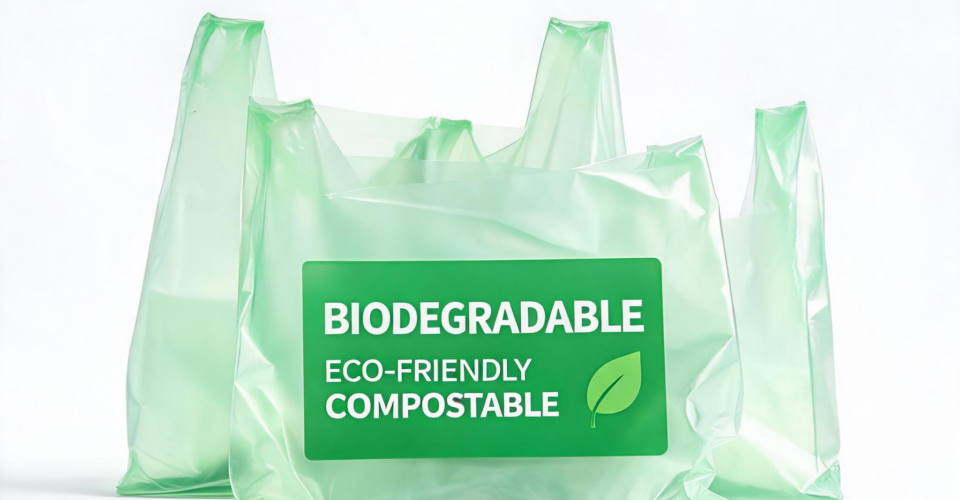
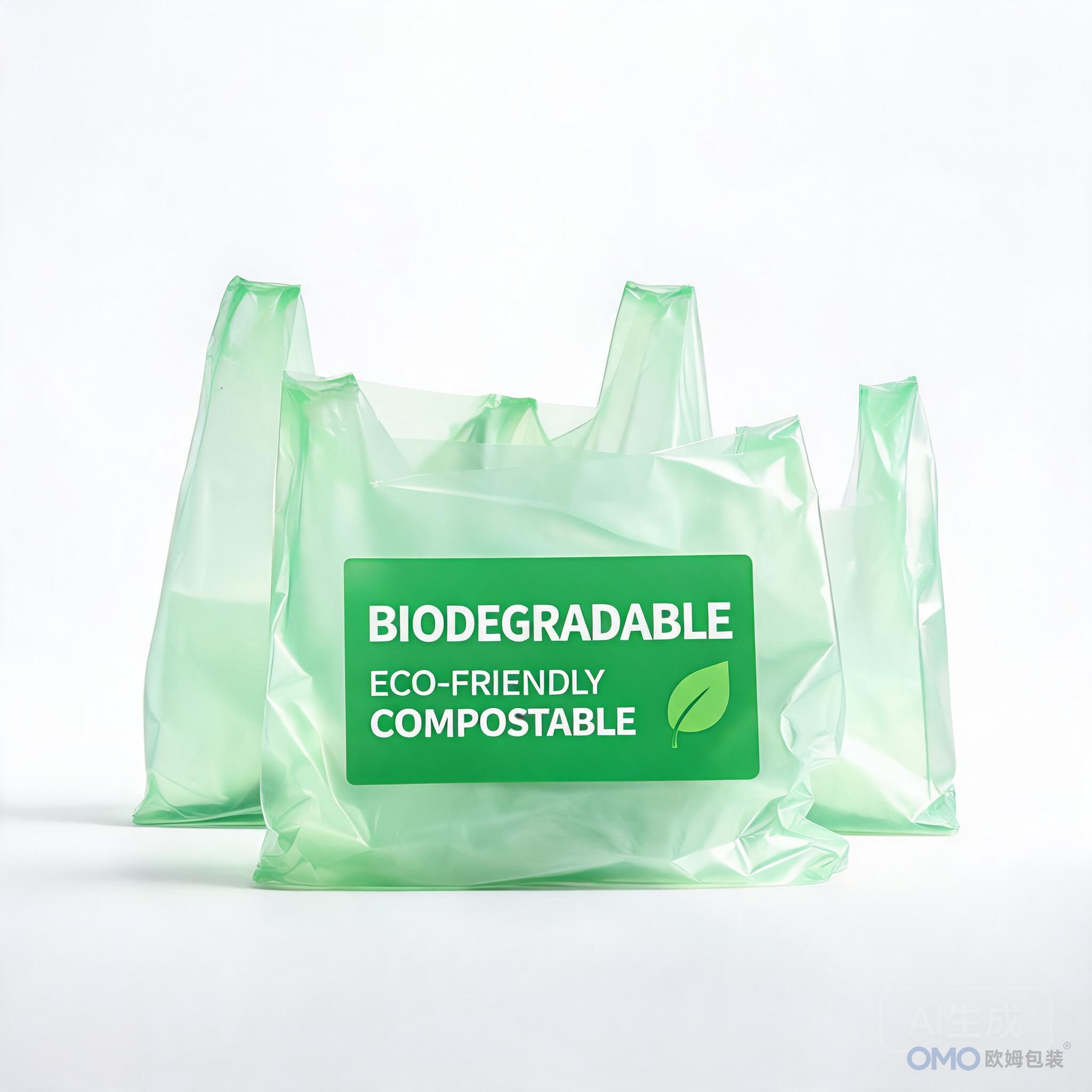
As the plastic ban advances nationwide, “biodegradable plastic bags” have become a buzzword in supermarket, takeout and e-commerce packaging. But the market is a mixed bag: some truly decompose under specific conditions; others are ordinary PE bags repackaged with new marketing language and sold at a premium.How to tell real biodegradable plastic bags from fakes is a question neither consumers nor buyers can avoid. Drawing on frontline factory production and testing experience, this article gives you 5 practical identification methods that need no specialized equipment.
First, understand: what real biodegradable plastic bags are made of
To spot fakes, first know what the real thing looks like. Mainstream biodegradable plastic bags in China, recognized by national standards, are made of PLA (polylactic acid), PBAT and similar biodegradable materials, or blends modified from these two. PLA comes from plant starch (corn, cassava); PBAT is petroleum-based but fully biodegradable polyester. Under specific composting conditions, microbes break both down into CO2 and water. Ordinary PE bags, even with so-called “degradation masterbatch” or made as “photo-oxidative bags”, only fragment into microplastics — they are not actually biodegraded. For basics on degradable materials, see our earlier articleThe Complete Guide to PLA。
5 practical methods: how to tell real biodegradable plastic bags from fakes
Method 1: Check the implementing standard number.The hardest-core rule. Standard-compliant biodegradable plastic bags must print the standard number GB/T 38082-2019 (Biodegradable Plastic Shopping Bags) plus degradation marks like “PBAT+PLA” or “biodegradable”. Bags that only say “degradable” or “eco bag” without a standard number are basically gimmicks.
Method 2: Check the material label.Legitimate products label their main components — PLA, PBAT, PBS and other biodegradable resins. If the label says PE, HDPE or LDPE, no matter how grand the marketing claims, it is not a real biodegradable bag.
Method 3: Smell and feel.PLA/PBAT bags usually carry a faint corn or sour smell, feel soft with a slight roughness, and rustle dully when crumpled; ordinary PE bags feel waxy and smooth and rustle crisply. Not precise, but it quickly filters out obvious fakes.
Method 4: Run a simple burn test.Cut a small strip and light it with a lighter: PE bags drip wax, burn with a blue flame and smell of candle; biodegradable bags burn with a yellower flame, smell like burning paper or charred plants, and leave looser ash. The burn test is only auxiliary — never run large-scale tests indoors.
Method 5: Check the test report.For buyers, the most reliable approach is requiring third-party biodegradation test reports — check that the degradation rate meets the ≥90% requirement and that industrial or home composting conditions are stated. Suppliers who cannot produce reports or refuse to provide testing evidence should be dropped.
3 reminders for buying biodegradable plastic bags
First, don’t just chase low prices. Real biodegradable bags cost far more in raw materials than PE bags — “biodegradable bags” priced well below normal are almost certainly fake. Second, mind the use scenario. Biodegradable bags degrade slowly in dry, cold environments; they suit kitchen-waste and composting bags — don’t expect them to vanish quickly in ordinary landfills. For the environmental truth of biodegradable bags, see our deep analysisAre Biodegradable Plastic Bags Really Eco-Friendly. Third, request and keep certifications. Archive the standard number, test reports and purchase contracts together — a compliance requirement and the evidence if disputes arise.
Summary and Recommendations
To tell real biodegradable bags from fakes, remember one core logic: check the standard, check the material, check the report — all three are indispensable. For consumers, the GB/T 38082 standard number and material label suffice; for buyers, write third-party degradation test reports into your purchasing requirements. Keep your eyes open — don’t let “fake degradable” pollute the environmental cause.
Need compliant eco-friendly packaging? Welcome toContact OMOPACK for consultation. For more industry news, visit the OMOPACK English website.