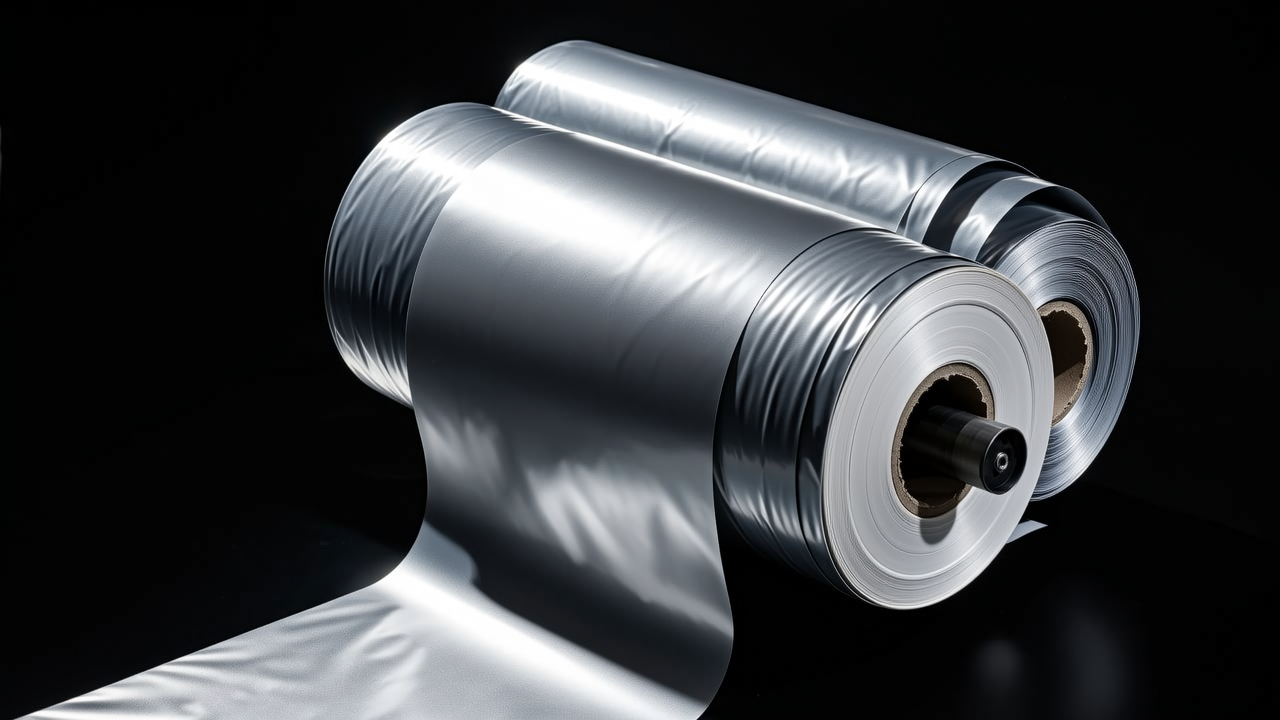
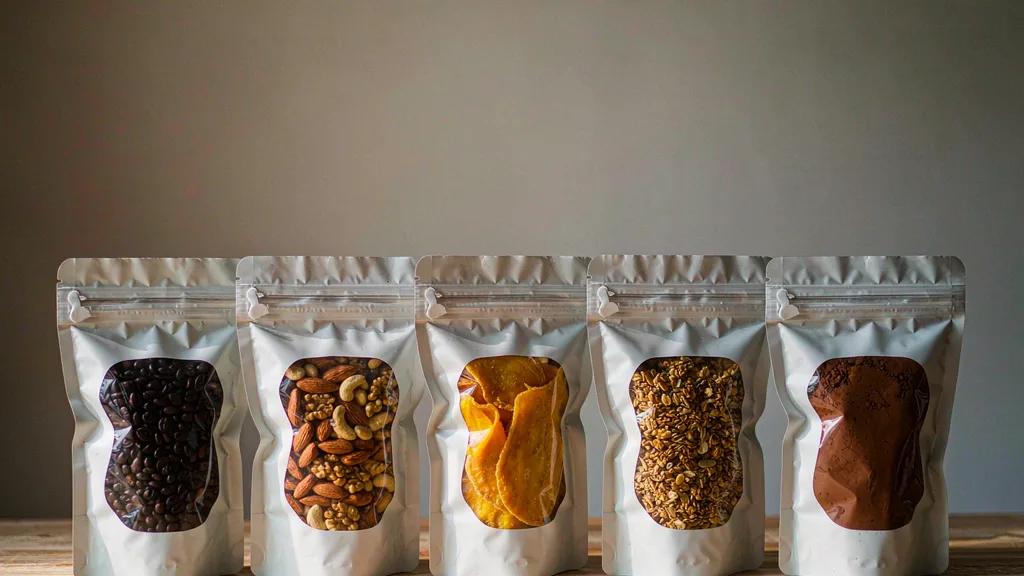
In recent years, “biodegradable plastic pouches” have appeared frequently in news reports and e-commerce packaging options. Consumer environmental awareness keeps rising, and more and more brands are using biodegradable packaging. But as packaging industry practitioners, we are often asked:Are biodegradable plastic pouches really eco-friendly? The answer is not as simple as the ads claim. Froma packaging factory’s perspective, this article rationally analyzes the environmental truth of biodegradable plastics.
Biodegradable plastics are plastics that, under specific environmental conditions, degrade into water, carbon dioxide and biomass through microbial action within a certain time. The most common biodegradable materials on the market include PLA (polylactic acid), PBAT (polybutylene adipate-co-terephthalate) and PBS (polybutylene succinate). However, degradation ≠ eco-friendliness — the real environmental benefit is far more complex than imagined. To learn more abouteco-friendly packaging solutions, contact the OMOPACK team.
What conditions does biodegradable plastic “degradation” require?
Many consumers believe biodegradable pouches thrown into nature will disappear on their own. This is a serious misconception. Most commercial biodegradable pouches need strict industrial composting conditions to fully degrade: temperatures above 50-60°C, humidity maintained at 50-60%, with continuous oxygen and microbes. Only professional composting facilities can provide these conditions.
In natural environments — buried in soil, dumped in the ocean or sent to landfill — biodegradable pouches degrade extremely slowly. Studies find PLA barely degrades in marine environments, showing no significant change after a year in seawater. In landfills, with oxygen starvation and low temperatures, biodegradable pouches can persist for decades like ordinary plastics.
More concerning: biodegradable pouches entering conventional plastic recycling streams actually contaminate them. A typical PET recycling plant processes at about 260°C; biodegradable plastics decompose prematurely at that temperature, degrading the recycled material quality.
PLA, PBAT and PBS: comparing the three mainstream biodegradable materials
Biodegradable packaging materials are not one thing — different materials differ significantly in performance, cost and applications.
PLA (polylactic acid) is currently the most-used biodegradable material, made from renewable resources like corn starch and sugarcane. PLA offers high transparency and good gloss, suitable for transparent pouches and single-use tableware. But its heat resistance is poor — glass transition only about 55-60°C, above which it softens and deforms. PLA is therefore unsuitable for hot-fill or high-temperature packaging.
PBAT (polybutylene adipate terephthalate) is a biodegradable copolyester with good flexibility and processability. PBAT’s mechanical properties approach LDPE (low-density polyethylene), suiting shopping bags and garbage bags. Since PBAT is less transparent than PLA, it is usually blended with PLA to balance performance.
PBS (polybutylene succinate) represents the third generation of biodegradable plastics. PBS has better heat resistance than PLA and a wider processing window, running on conventional blown film and injection molding equipment. However, PBS degrades relatively slowly and costs more than PLA and PBAT.
In practice, commercial “biodegradable shopping bags” usually use a PLA/PBAT blend (e.g. 70% PBAT + 30% PLA), balancing cost, processability and degradation performance to meet use needs.
Carbon footprint assessment of biodegradable packaging
Environmental friendliness is multi-dimensional and cannot be defined simply by “biodegradable”. Evaluating a packaging solution’s eco-credentials requires a full life cycle assessment (LCA) — raw material acquisition, production energy, transport emissions, use performance and end-of-life treatment.
Take PLA: though made from corn (a renewable resource), growing corn needs fertilizer and farm machinery, and processing consumes substantial energy. Some studies suggest that over the full life cycle, PLA’s carbon footprint may actually exceed traditional petroleum-based plastics. Of course, if the electricity mix relies heavily on renewables (hydro, wind), this conclusion changes.
Source reduction and circular use are often more eco-friendly than biodegradation. In order of environmental benefit: Reduce > Reuse > Recycle > Degrade. Biodegradability is just one end-of-life option, not the entire answer to sustainability.
Real cases of switching to biodegradable packaging
We have provided biodegradable packaging transition plans for several food brands. A typical case: an organic snack brand decided to switch all its packaging to biodegradable materials to strengthen its “natural and organic” image. After the switch, these problems emerged:
First, shelf life shortened significantly — PLA’s barrier is weaker than conventional PET, cutting product shelf life from 12 months to 8. Second, packaging cost rose about 40%, ultimately passed to consumers. Third, due to printability differences, color effects and pattern clarity were below traditional materials. The brand finally chose a compromise: keeping PET as the outer layer for printing and barrier, replacing only the heat-seal layer with biodegradable material.
This case shows that while pursuing sustainability, you must also balance packaging functionality and economics. Blind “green switches” can backfire.
How to choose eco-friendly packaging rationally?
For companies considering an eco-packaging transition, we recommend systematic evaluation across these areas:
Define your environmental goals.Do you want to cut the carbon footprint? Improve consumer favorability? Or meet regulatory requirements? Different goals call for completely different solutions. If the goal is EU compliance, focus on EPR and packaging tax requirements rather than simply switching to biodegradable materials.
Assess product suitability.Consider the product’s shelf-life requirements, storage conditions and use scenarios. Short-shelf-life, ambient-storage products are better candidates for biodegradable packaging; long-shelf-life, high-temperature-storage products should prioritize high-performance conventional materials.
Consider mono-material solutions.Over the full life cycle, recyclable mono-material packaging (all-PE or all-PP structures) may outperform biodegradable packaging environmentally. Mono-material packaging circulates through conventional recycling systems, needing no dedicated composting facilities.
Run small-scale pilots.Before a full switch, run small-scale tests on selected product lines, collect consumer feedback and evaluate quality stability before deciding.
There is no one-size-fits-all answer in eco-packaging — only the most suitable solution. As packaging industry practitioners, we are responsible for giving customers complete information and helping them find the best balance between sustainability and function.
Need eco-packaging consultation? OMOPACK offers professional biodegradable and mono-material packaging solutions, helping you balance sustainability and business goals.
Contact the OMOPACK Team Now > | EN: View Our Solutions