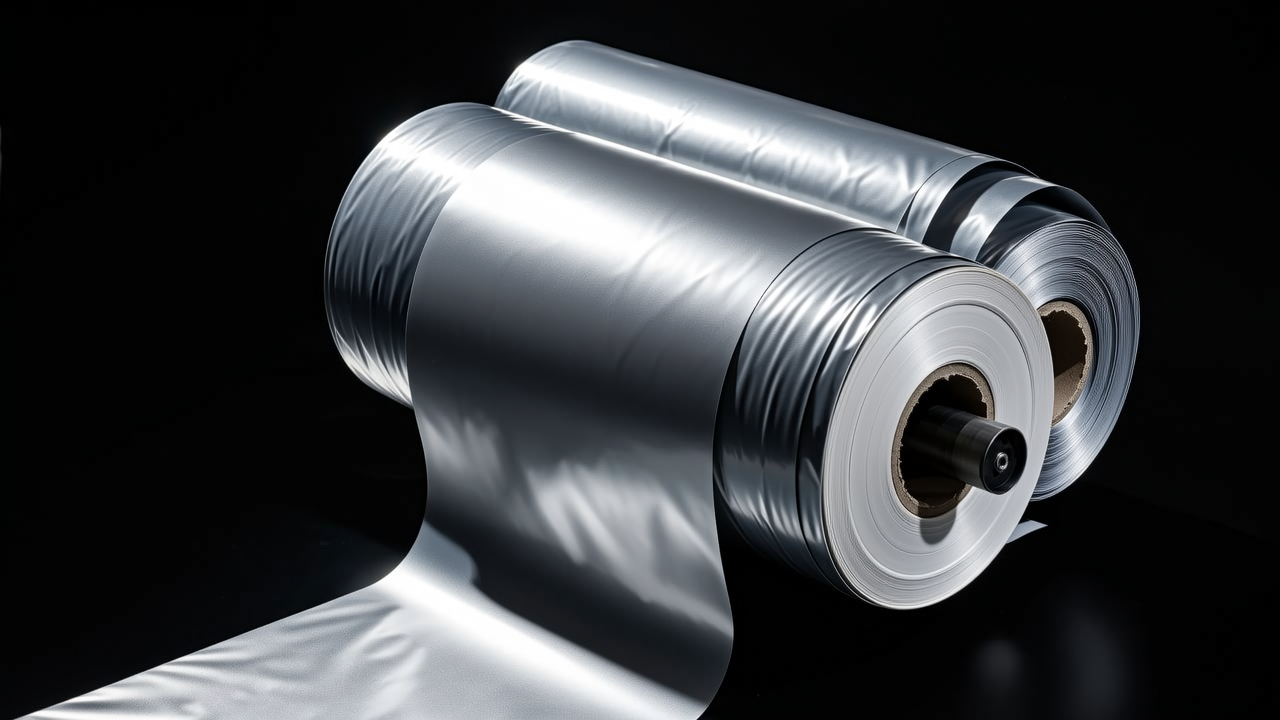
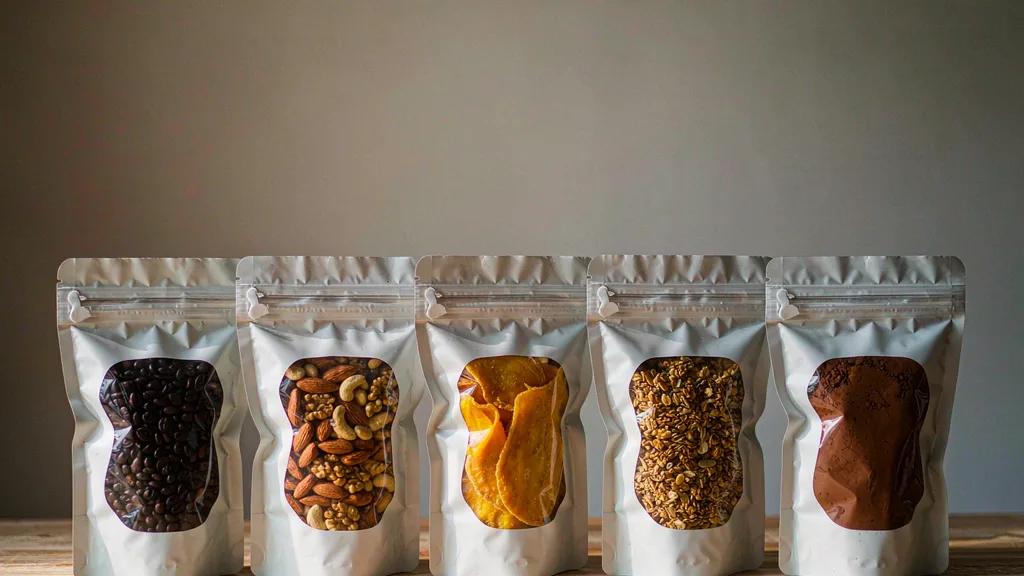
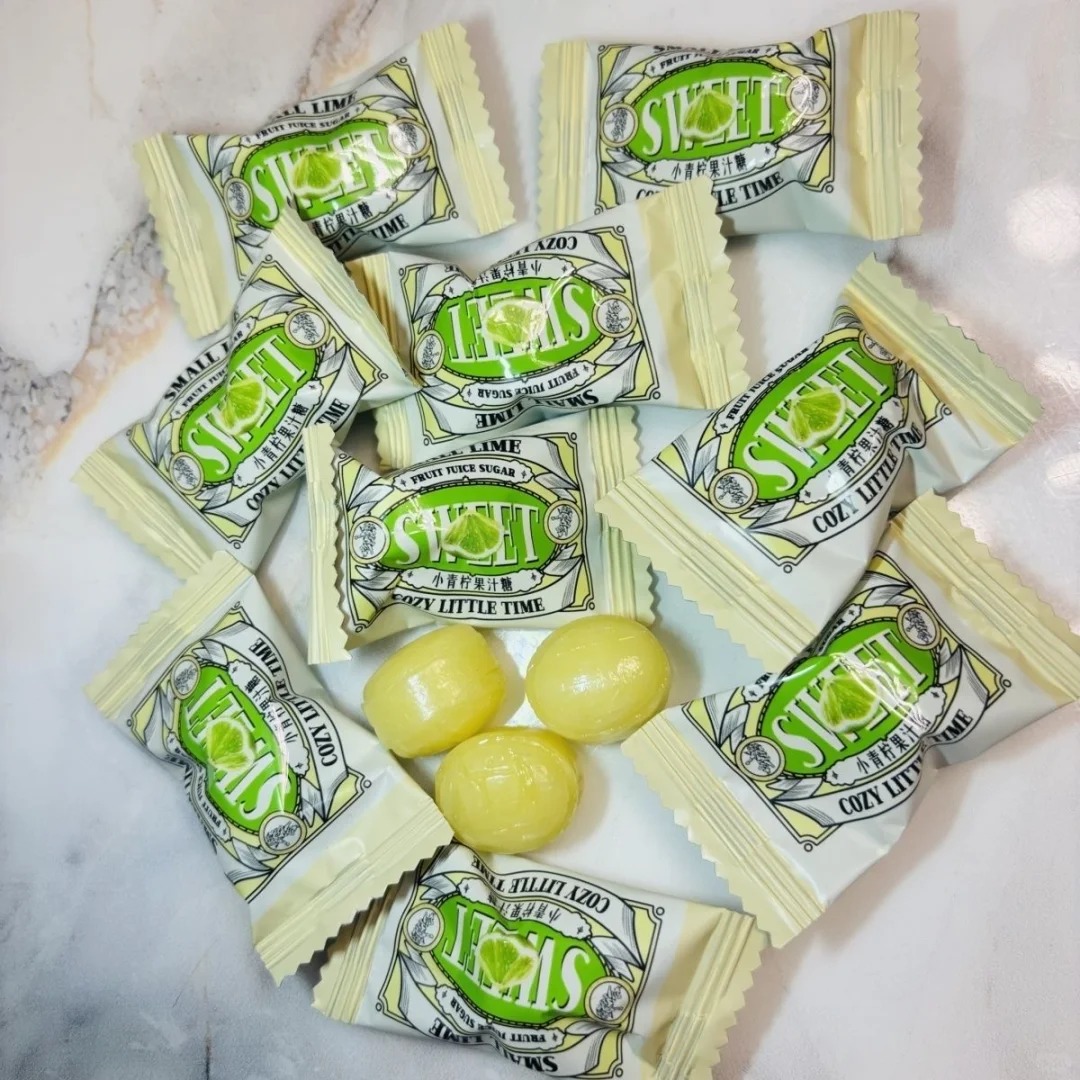
Food contact materials are materials and articles that contact, or may contact, food under normal conditions of use — including pouches, cling film, food containers and food processing equipment. Food contact materials differ fundamentally from ordinary plastics, from regulatory oversight to raw material selection to performance requirements. As a professional food packaging manufacturer, OMOPACK explains this key concept in depth for you.
The fundamental difference between food contact materials and ordinary plastics
Different regulatory systems
Food contact materials are strictly regulated — in China they must meet the GB 4806 series and the GB 9685 additive standard. Exported products must also satisfy target-market regulations such as FDA (US) and EU 10/2011. Ordinary plastics have no such mandatory food safety requirements.
Different raw material standards
Food contact materials must use food-grade raw materials — no recycled or industrial-grade resin. Ordinary plastics can use recycled or industrial-grade materials: cheap, but with no safety guarantee.
Different migration control
The core safety indicator of food contact materials is “migration” — the amount of chemical components migrating into food. Regulations set strict limits on both overall and specific migration. Manufacturers must verify product safety through migration testing.
Which plastics can be used for food contact?
Common food-grade plastics include: PE (resin codes 2 and 4), PP (code 5), PET (code 1), PA (nylon), PS (code 6, not for high heat), etc. Even for the same plastic, only products explicitly labeled “food grade” may contact food. Note that recycling marks (numbers 1-7) only indicate material type — they are not food safety certifications and must be judged together with the specific product.
How to identify food contact materials
Check the product label
Legitimate food contact materials must carry “food contact” wording and an implementing standard number such as “GB 4806.7-2023”. Imported products also need Chinese labels. If a pouch shows “food contact use” + “GB 4806.7-2023”, the product complies with China’s food contact material standards.
Ask for test reports
In B2B purchasing, require third-party test reports from suppliers and verify key indicators such as overall migration, potassium permanganate consumption and heavy metal content. Reputable food packaging manufacturers send samples for testing regularly.
Global food contact material regulations at a glance
China enforces the GB 4806 series, the US follows FDA 21 CFR, the EU relies on EU 10/2011, and Germany has LFGB certification. Exported products must meet target-market regulations. OMOPACK provides cross-border customers with food packaging solutions meeting multiple national standards — see ourFood Export Packaging Certification Guide。
Common misconceptions
Can every plastic pouch hold food?
Only plastic pouches labeled “for food contact” can hold food. Ordinary plastic pouches may contain industrial-grade additives or recycled material that can migrate harmful substances into food.
Is a transparent plastic pouch necessarily food grade?
Transparency has no necessary link to food safety. Non-food-grade plastics can also be transparent — identifying food contact materials comes down to labels and test reports.
Conclusion
Food contact materials are a vital line of defense in food safety, fundamentally different from ordinary plastics in regulation, raw materials, production processes and quality control. Welcome toContact OMOPACK get professional food packaging solutions. You are also welcome to follow our sister site Huasu Packaging for more B2B packaging information.