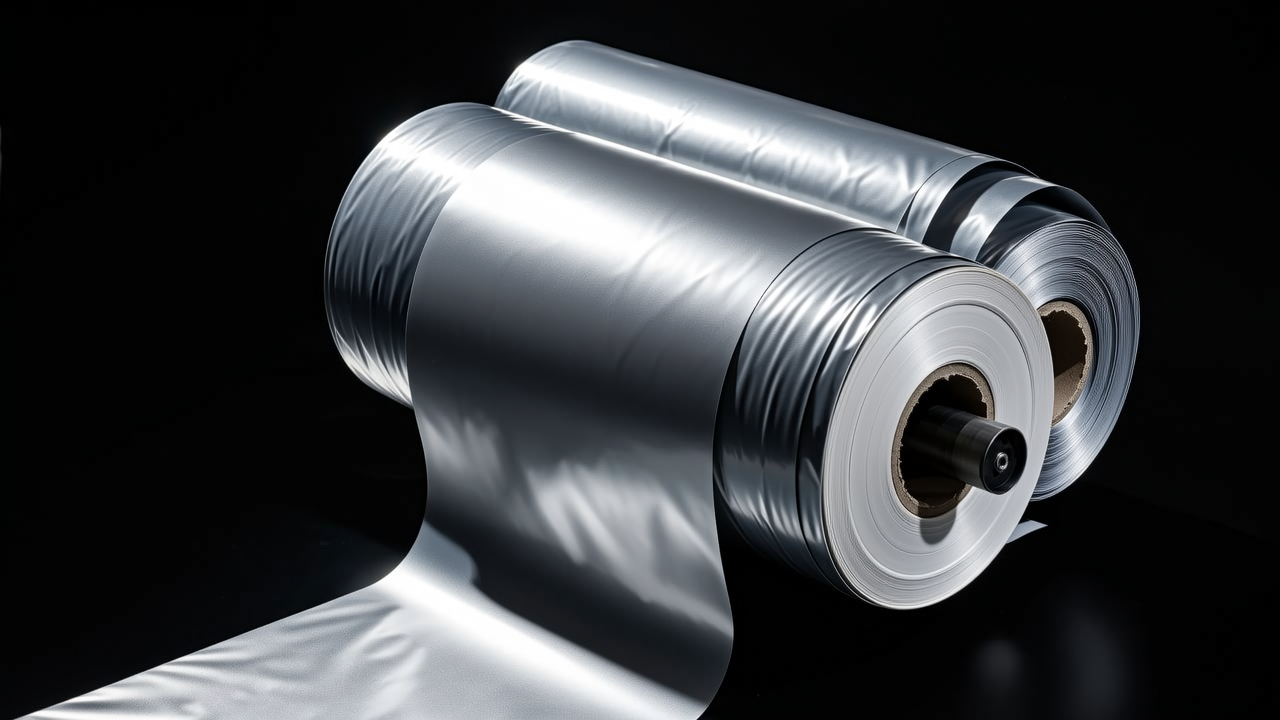
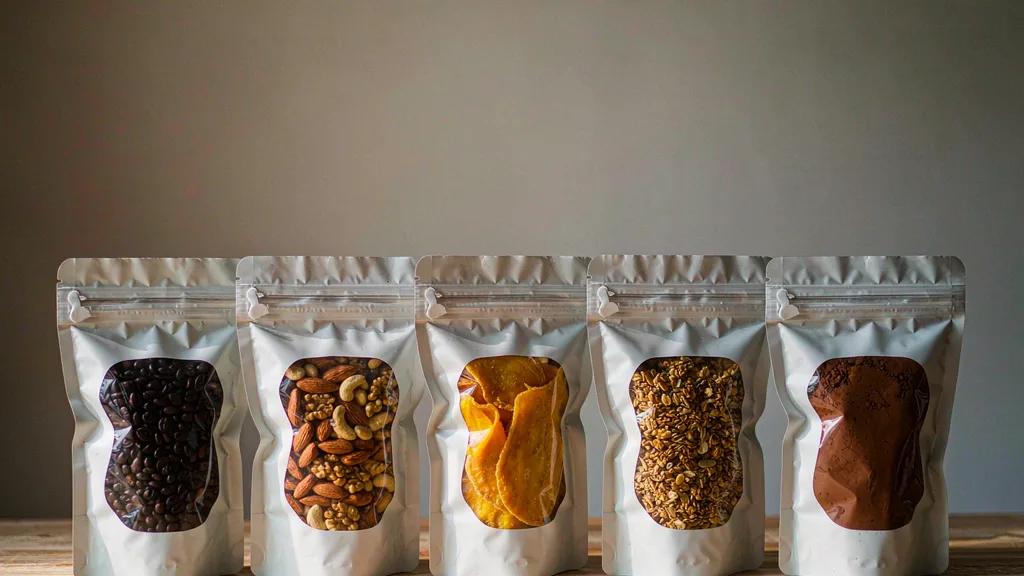
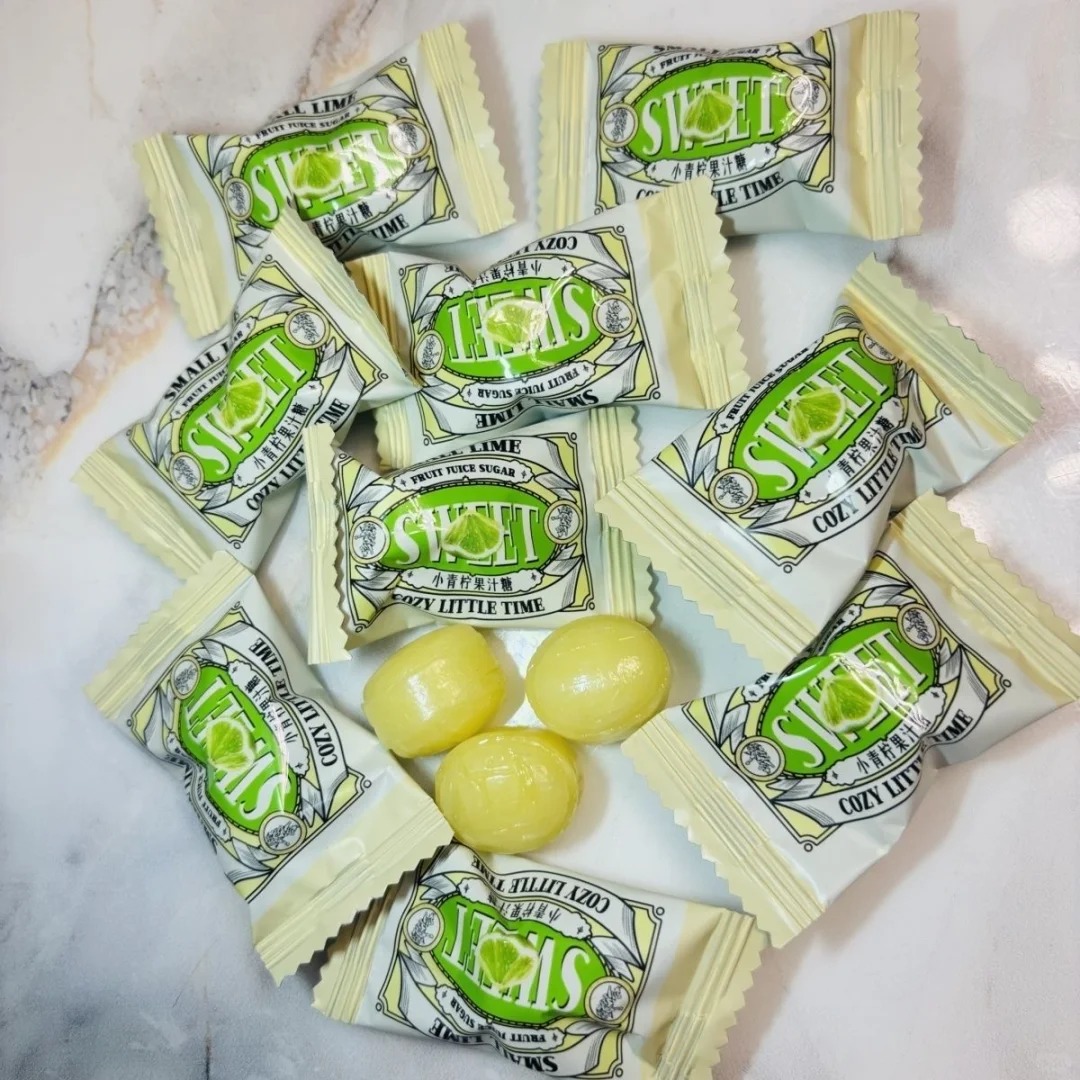
Identifying food-grade plastic is the most common problem food packaging buyers face. With so many plastic products on the market, which are truly food grade? OMOPACK’s QC inspectors share 4 practical identification methods from a factory perspective to help you avoid pitfalls in purchasing. Food-grade plastic means plastic materials that, under normal use conditions, contact food without harming human health.
Method 1: Check the product label and implementing standard
Legitimate food-grade plastic products must show: product name, manufacturer, “food contact” wording, implementing standard GB 4806.7-2023, production date, and specification/quantity. The recycling mark (numbers 1-7) mainly indicates material type and recyclability — it cannot directly prove food safety and must be judged together with the product label.
Method 2: Request and verify test reports
In B2B purchasing, the most reliable method is requiring third-party test reports from suppliers. Reports should include: sensory indicators, overall migration, potassium permanganate consumption, heavy metal content and specific migration. To verify authenticity, check for CMA or CNAS marks, confirm the lab’s qualifications, and look up the report number on the official website.
Method 3: Sensory identification — look, smell, touch
Look at the appearance
Food-grade plastic surfaces should be smooth and flat, free of bubbles, impurities and cracks, with even color. Uneven color or visible spots suggest impure raw material or substandard color masterbatch.
Smell it
The simplest method: qualified food-grade plastic should have no pungent odor. Strong plastic, sour or chemical smells indicate industrial-grade materials or excessive additives.
Feel the texture
Food-grade plastic feels moderate in hand, not sticky, with a smooth surface. If it feels overly greasy, tacky or sheds powder, the material may be problematic.
Method 4: Burn test (auxiliary method)
Different plastics burn differently: PE burns with a yellow-top, blue-bottom flame, drips, and smells of paraffin; PP burns with a petroleum smell; PET burns orange-yellow with black smoke; PVC burns with a green flame and hydrochloric acid smell. The burn test only identifies the plastic type — it cannot judge food-grade status and must be combined with other methods.
Identification summary
The core steps of identifying food-grade plastic boil down to “one look, two smells, three reports”: first look at the product label to confirm “food contact” wording and the implementing standard; second, smell for abnormal odors; third, request test reports and verify key indicators. For food companies, choosing a qualified food packaging supplier is more reliable and efficient than identifying on your own. OMOPACK offers food-grade flexible packaging customization for food companies — see ourPackaging knowledge articles。
Conclusion
Identifying food-grade plastic is the first line of defense in food packaging safety. Combining label verification, test report checks and sensory identification effectively screens qualified food-grade plastic products. Welcome toContact OMOPACK get food-grade flexible packaging solutions. You are also welcome to learn about our sister site Huasu Packaging’s B2B packaging services.