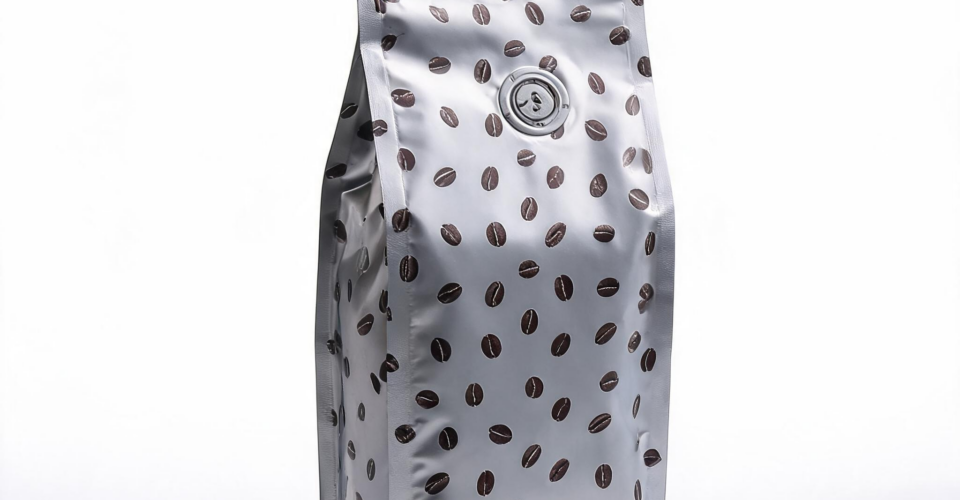
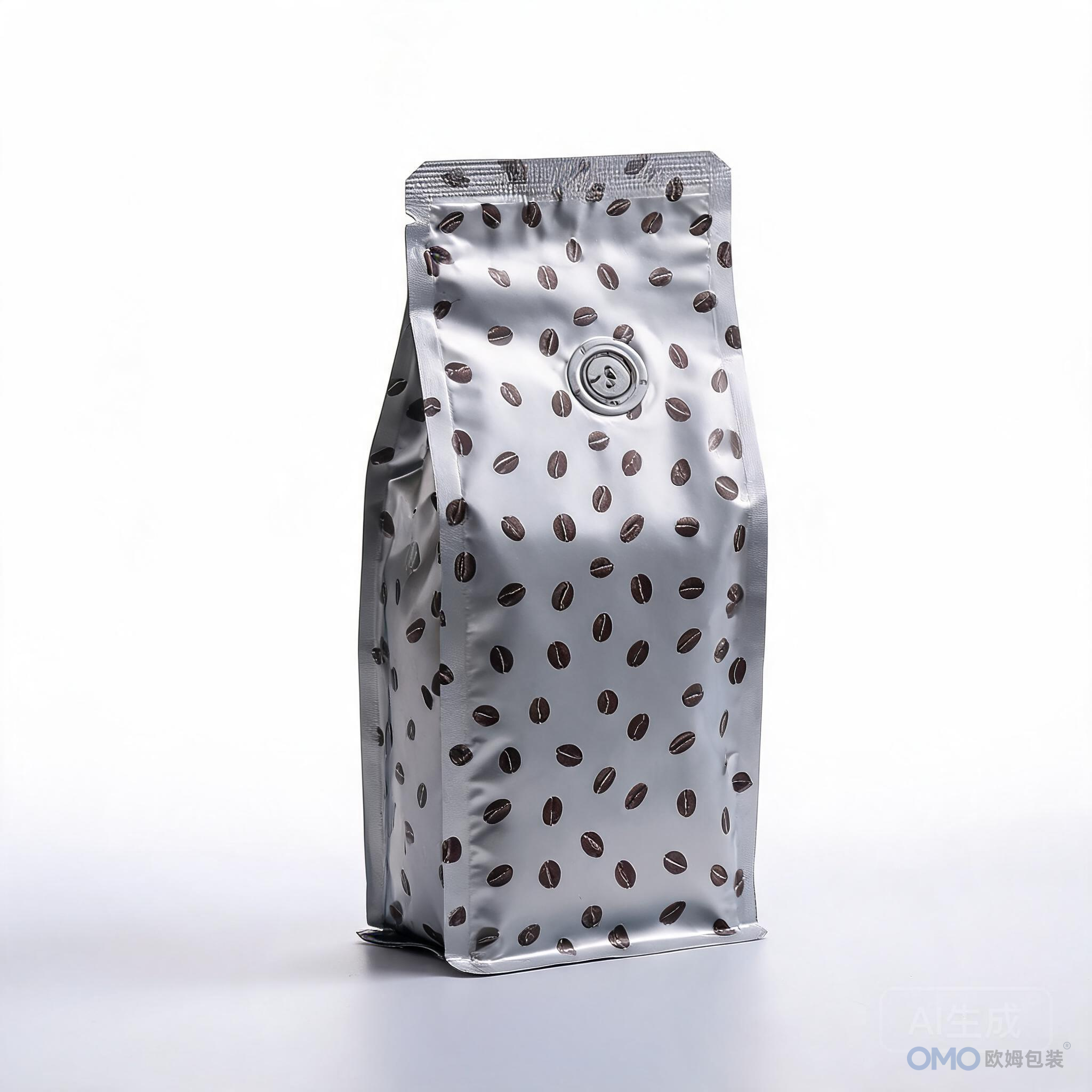
coffee pouches coffee pouches are the packaging investment most worth getting right for coffee brands. The same specialty beans taste completely different in an ordinary plastic bag versus a professional coffee pouch. Many new coffee brands ask: how do I choose a coffee pouch? Why do most coffee pouches on the market carry a small round valve? What does the degassing valve actually do? From a flexible packaging factory’s perspective, this article systematically explains coffee pouch structure, materials, valve principles and buying points — so you get it right the first time.
Why do coffee pouches need high-barrier materials? Starting with coffee’s “natural enemies”
Roasted coffee beans produce large amounts of CO2, and flavor compounds oxidize easily in oxygen — aroma loss and oil rancidity all stem from this. A coffee pouch’s first mission is blocking oxygen and light; its second is venting internal CO2 while keeping outside oxygen out. These two needs directly determine the pouch’s material structure and valve design.
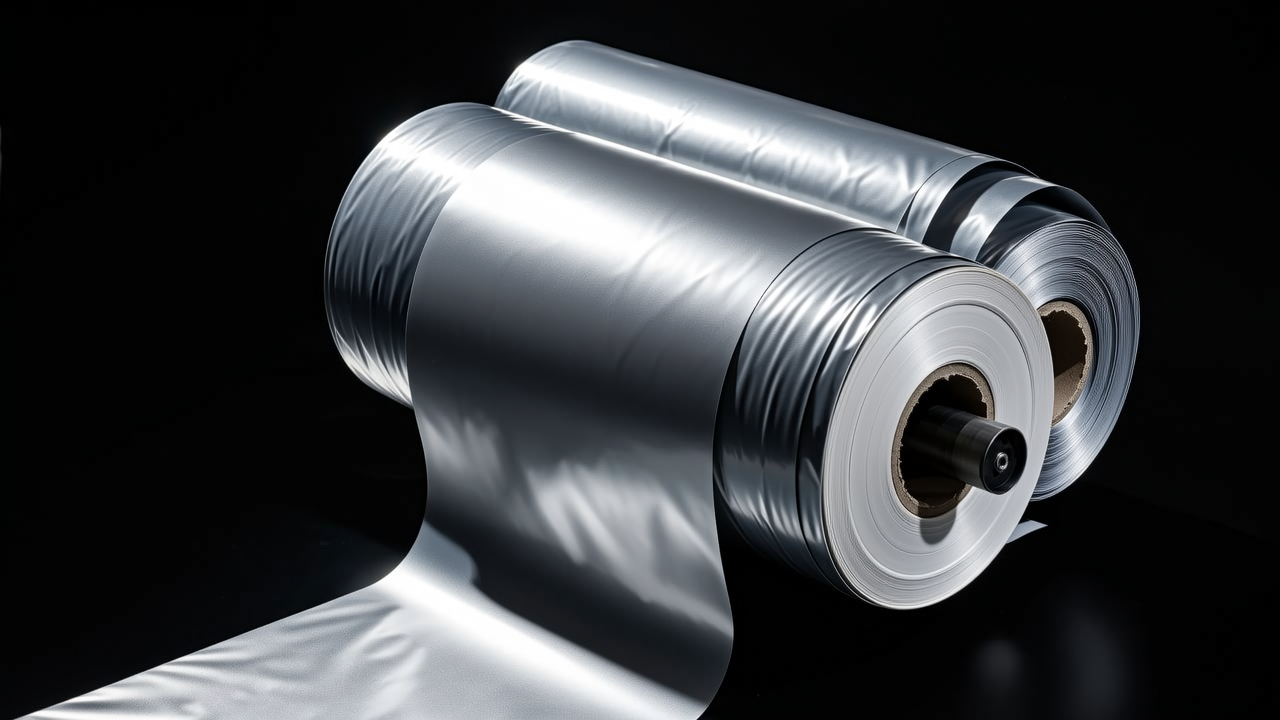
Mainstream coffee bean pouches mostly use three-layer laminates: outer PET or matte film for printing and stiffness so the pouch stands tall and premium on the shelf; middle foil or metallized film for high barrier against oxygen and UV; inner PE or CPP for heat sealing and food safety. Foil laminates are the industry standard for coffee pouches — for a detailed look at foil materials, see our articleComplete Guide to Aluminum Foil Pouches。
Why is the degassing valve the “soul” of a coffee pouch? One-way valve principle explained
Freshly roasted beans keep releasing CO2; in a fully sealed pouch, internal pressure rises — ballooning and deforming the bag at best, bursting the seals at worst. But simply venting through a hole lets oxygen in, accelerating flavor degradation. The degassing valve solves this contradiction perfectly: it is a one-way valve that opens automatically to vent CO2 when internal pressure crosses a threshold, then closes as pressure drops — keeping outside oxygen out.
This is why coffee pouches with degassing valves keep beans fresh — the coffee “breathes” inside the pouch, but only out, never in. When buying, check valve quality: food-grade silicone body, stable opening pressure, no failure after repeated use. Inferior valves cause poor venting and ballooning, or weak sealing that kills freshness. Coffee pouches also usually include zippers for repeated opening — seeThe Complete Guide to Zipper Pouches。
How to choose a coffee pouch? Match by product type
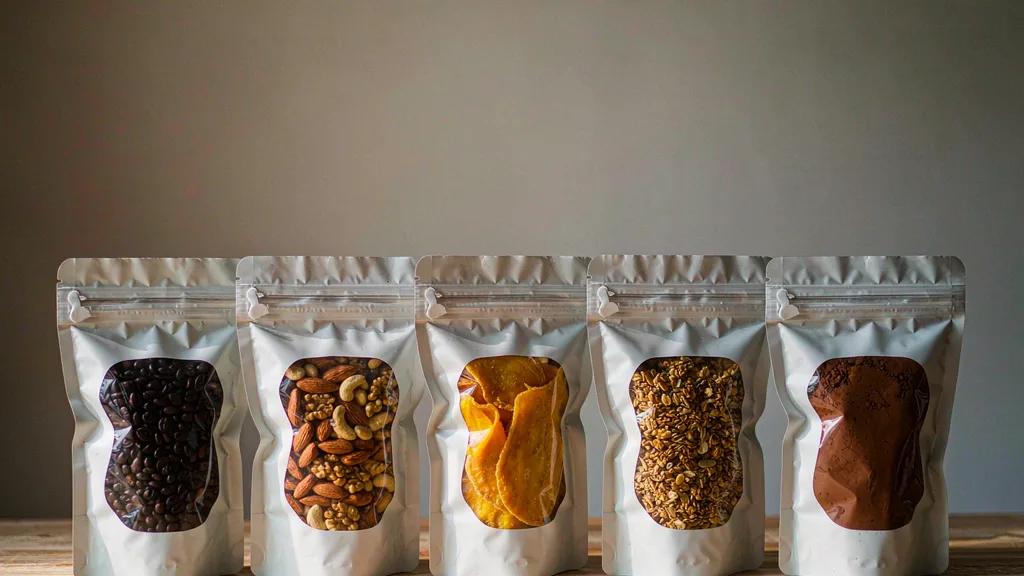
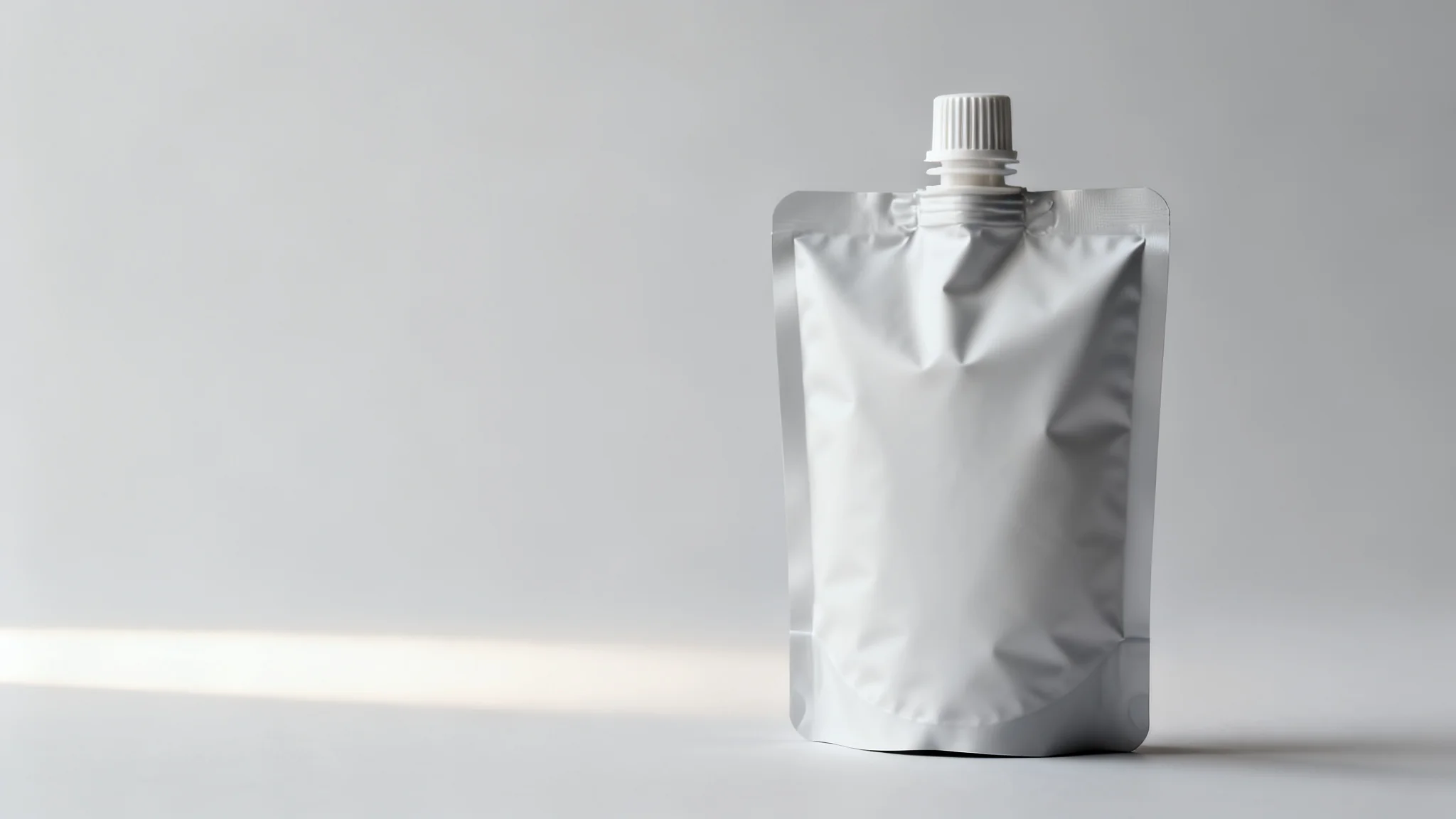
Category 1: specialty coffee bean pouches. Require foil high-barrier structures with one-way degassing valves; stand-up pouches are the first-choice format; common capacities 250g to 1kg, with matte printing and window designs for brand quality. Category 2: ground coffee pouches. Ground coffee has more surface area and oxidizes faster — same need for high barrier plus valve; if vacuum-sealed immediately after grinding, vacuum pouches with one-way valves work. Category 3: drip bag coffee. The drip bag itself is filter paper plus non-woven; the outer pouch is a foil bag with nitrogen flush — the focus is the outer pouch’s barrier and easy-tear design. Category 4: cold brew and coffee concentrate liquids — these need spouted or stand-up pouches with high-barrier structures, demanding more sealing and puncture resistance.
For all categories, use food-grade inks printed between laminate layers (reverse printing) so ink never contacts the coffee. Light blocking is also key in design — dark or foil structures effectively slow coffee oil oxidation.
Summary and Recommendations
Choosing a coffee pouch is essentially balancing three functions — barrier, venting and sealing: high-barrier materials lock in flavor, the one-way valve vents CO2, and zippers or easy-tear openings provide convenience. For coffee brands, packaging is not just a container — it is a freshness system and a brand card. Choose the right structure and valve, and your coffee keeps its best flavor on the shelf and in consumers’ hands.
Need custom coffee pouches? Welcome toContact OMOPACK for sampling and quotes. For more flexible packaging solutions, visit the OMOPACK English website.