What are resealable pouches and heat-sealed pouches? Basic concepts
Resealable pouches and heat-sealed pouches are among the most common flexible packaging formats in daily life, widely used for food, daily necessities, electronics and more. Though functionally similar, they differ clearly in structure, sealing principle and applications. This article fully explains their features, differences and buying points.
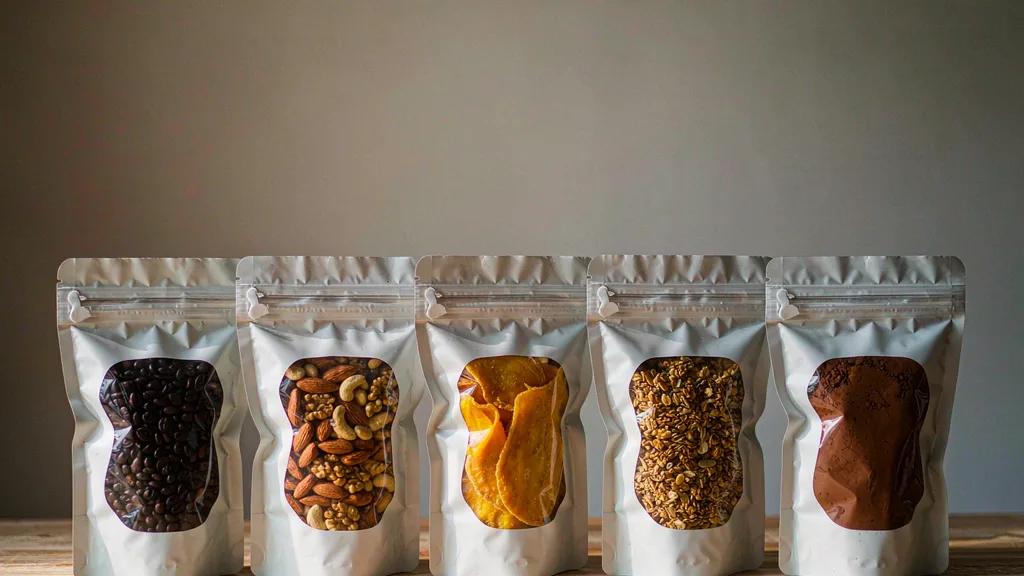
Resealable pouches (also called zipper-top or press-lock pouches) seal via a built-in male-female interlocking profile at the mouth. Two common types: press-to-close — seal by pressing the profile from one end to the other with your hand, lower cost; and slider — a small slider glides along a track to open and close, easier to use but slightly costlier.
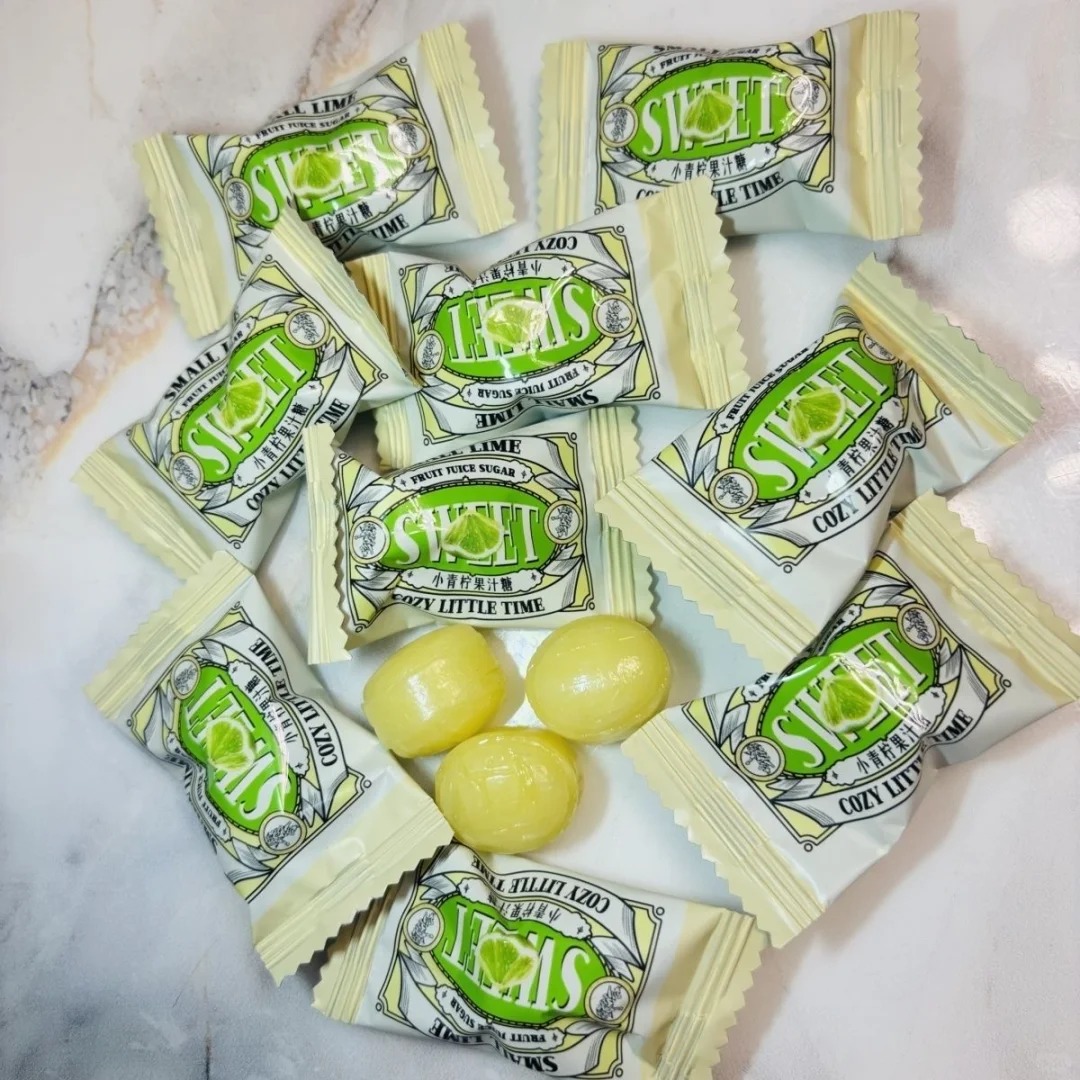
Heat-sealed pouches (also called sealed pouches or flat pouches), by contrast, seal by melting the mouth shut with heat-sealing equipment. The seal is permanent — once opened it cannot be restored — commonly used where tamper evidence or hygiene assurance matters.
Main differences between resealable pouches and zipper pouches
Many consumers mix up resealable pouches and zipper pouches, but there are subtle differences. Broadly, both are resealable formats, yet industry practice distinguishes them:
Resealable pouches (Self-Sealing Bag) usually refers to a simple resealable pouch with the profile at the mouth. The profile is typically co-extruded from PE — thin and light, suited to lighter products. Resealable pouch profiles typically endure 20-50 open-close cycles, fitting everyday low-frequency use.
zipper pouch (Zipper Pouch) usually refers to pouches with a dedicated zipper system (typically a slider zipper or heavy-duty profile). Zipper seals are more complex and sturdy, enduring 100+ open-close cycles — suitable for frequent opening or heavier contents. Zipper pouches are common for nuts, dry goods and pet food consumed over multiple sessions.
Features and applications of heat-sealed pouches
Heat-sealed pouches contrast sharply with resealable pouches: permanent sealing that cannot be restored once opened — both an advantage and a drawback. The upside: higher seal reliability and tamper-evidence, suited to single-use products like instant noodle seasoning sachets, single-serve tea and pharmaceutical powders. The downside: once opened, remaining contents are hard to store without a reseal function.
Seal strength depends on three parameters: temperature, pressure and time. Sealing temperatures vary greatly by material: PE at 110-130°C, PP at 160-180°C, PA above 200°C. This is why laminated pouches typically use PE or CPP as the inner layer — they seal better.
In practice, many food pouches combine heat sealing and resealing. Nut pouches, for example: the bottom and sides are heat-sealed permanently, while a zipper at the top lets consumers open and reseal. This hybrid design balances factory-sealed safety with consumer convenience.
Material selection for resealable and heat-sealed pouches
Resealable pouches usually use PE, which seals well and stays soft — ideal for profile structures. Single-layer PE resealable pouches are the cheapest, fine for general food storage; laminated versions (PET/PE) offer better barrier, print quality and strength for demanding products.
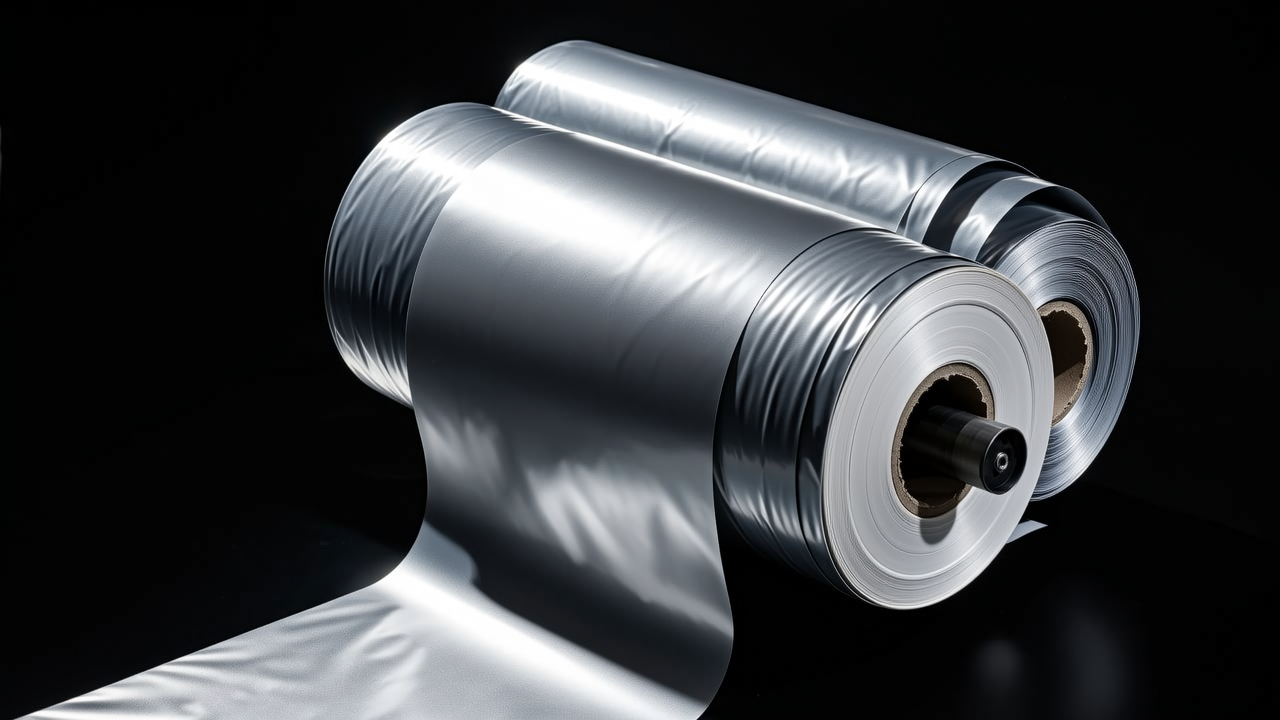
Heat-sealed pouches offer more material variety by product needs. Plain single-layer PE is cheap for general use; PET/PE laminates barrier better against moisture; PA/PE laminates resist puncture and high heat, suiting frozen food or retort; foil laminates provide the best light and barrier protection for demanding storage conditions.
How to choose between resealable and heat-sealed pouches by product
Choosing a pouch type requires weighing product characteristics, use scenarios and budget: for repeated access with medium sealing needs, resealable pouches are economical; for frequent access with heavier products, zipper pouches (heavy-duty profiles) fit better; for long-term storage consumed in one go after opening, heat-sealed pouches are simplest; for both factory sealing and repeated access, choose the “heat seal + zipper” combination.
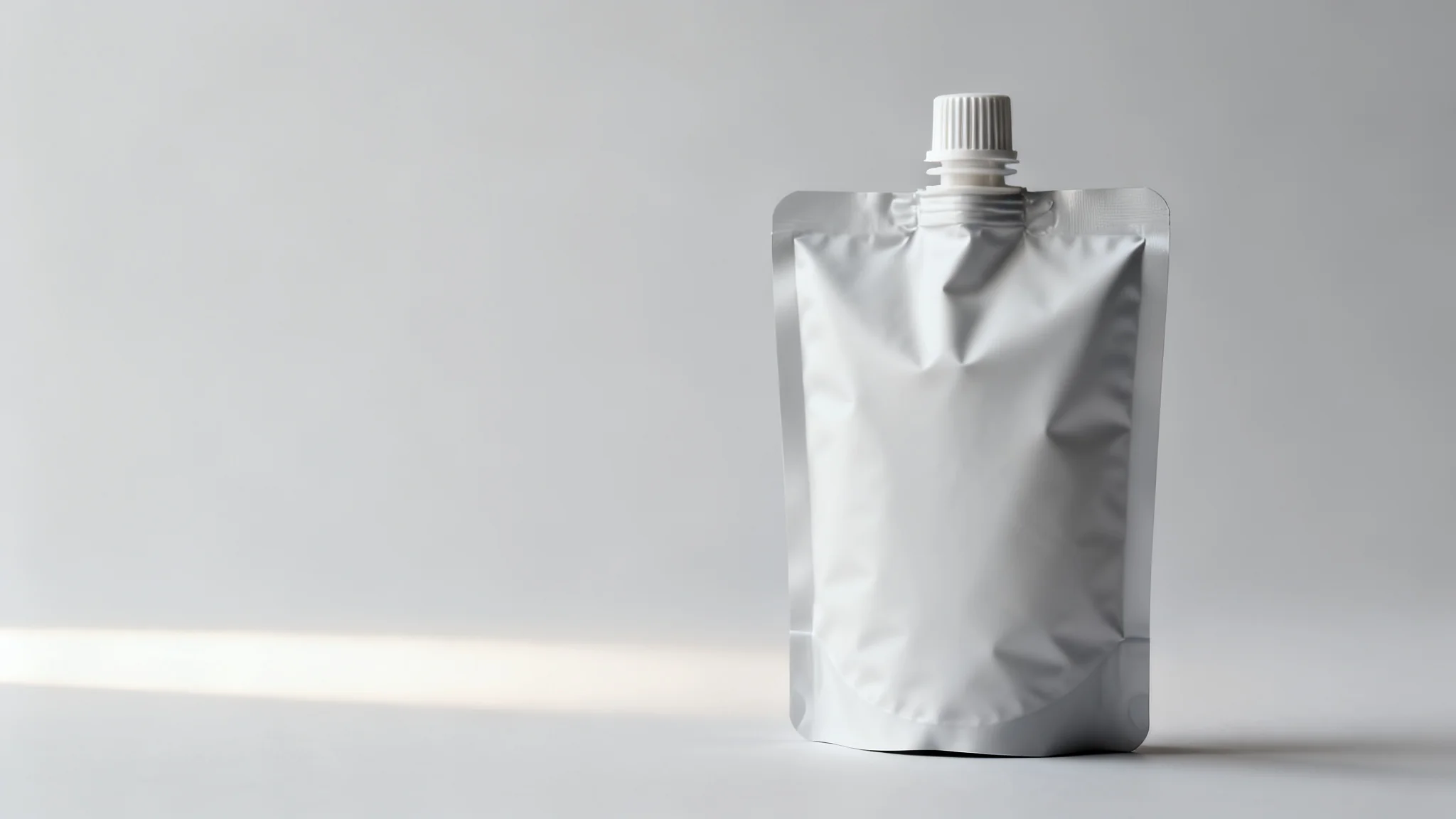
By industry application, snacks and dry goods favor resealable zipper or press-lock pouches; frozen food and liquids mostly use heat-sealed pouches. As consumption upgrades, more products adopt the “heat seal + zipper” hybrid, ensuring transport safety while improving user experience.
OMOPACK offers custom resealable and heat-sealed pouches for various products and budgets. Welcome to contact us for professional advice and samples.