Vacuum packaging principles are not complex: extract the air from the pouch to create a low-oxygen environment, inhibiting microbial growth and food oxidation. But many ask: how long does vacuuming actually preserve food? Does every food suit vacuum packaging? Starting from the principles, this article explains vacuum packaging’s freshness mechanism, storage duration, pouch materials and usage cautions — helping you use vacuum packaging correctly.
1. Why vacuum packaging preserves freshness
Spoilage has three main causes: microbial reproduction, oxidation and moisture loss. Oxygen is essential for most aerobic bacteria and molds and is the culprit in oil oxidation. Vacuum packaging removes oxygen — aerobes cannot multiply and oil oxidation slows dramatically, extending freshness. Note that vacuum packaging does not kill anaerobes (like Clostridium botulinum), so fresh meat still needs refrigeration or freezing. For more on vacuum pouch structures and types, see our earlierComplete Guide to Vacuum Pouches。
2. How long does vacuuming preserve freshness
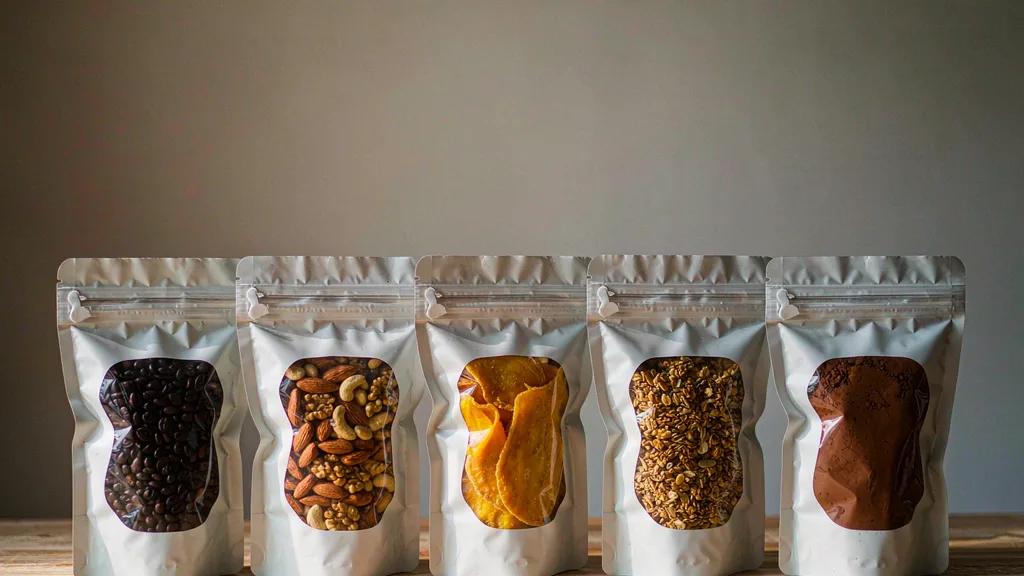
There is no single answer — it depends on food type, storage temperature and packaging barrier. At ambient temperature, vacuum-packed dry goods and nuts last 6 to 12 months; refrigerated, vacuum-packed fresh meat lasts 1 to 2 weeks, 3 to 5 times longer than ordinary packaging; frozen, vacuum packaging prevents freezer burn and meat can last 12 months or more. Remember: vacuum packaging extends freshness, not indefinitely — consume soon after opening.
3. How to choose vacuum pouch materials
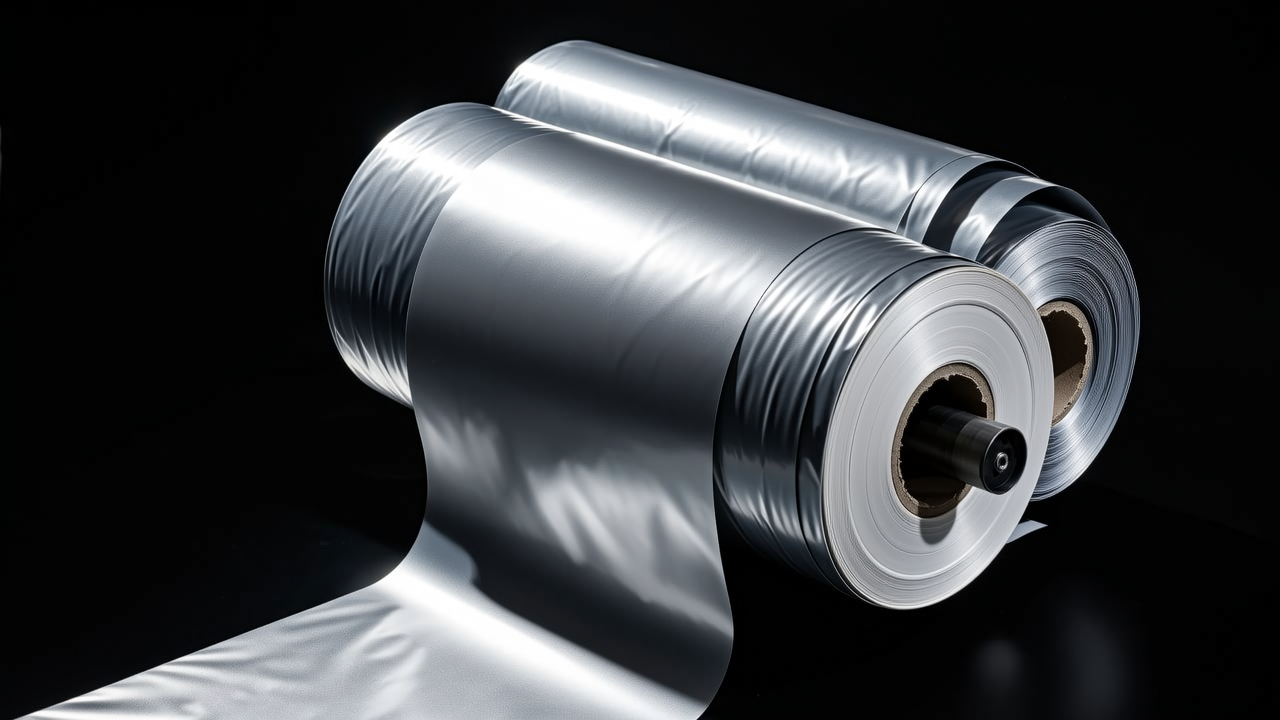
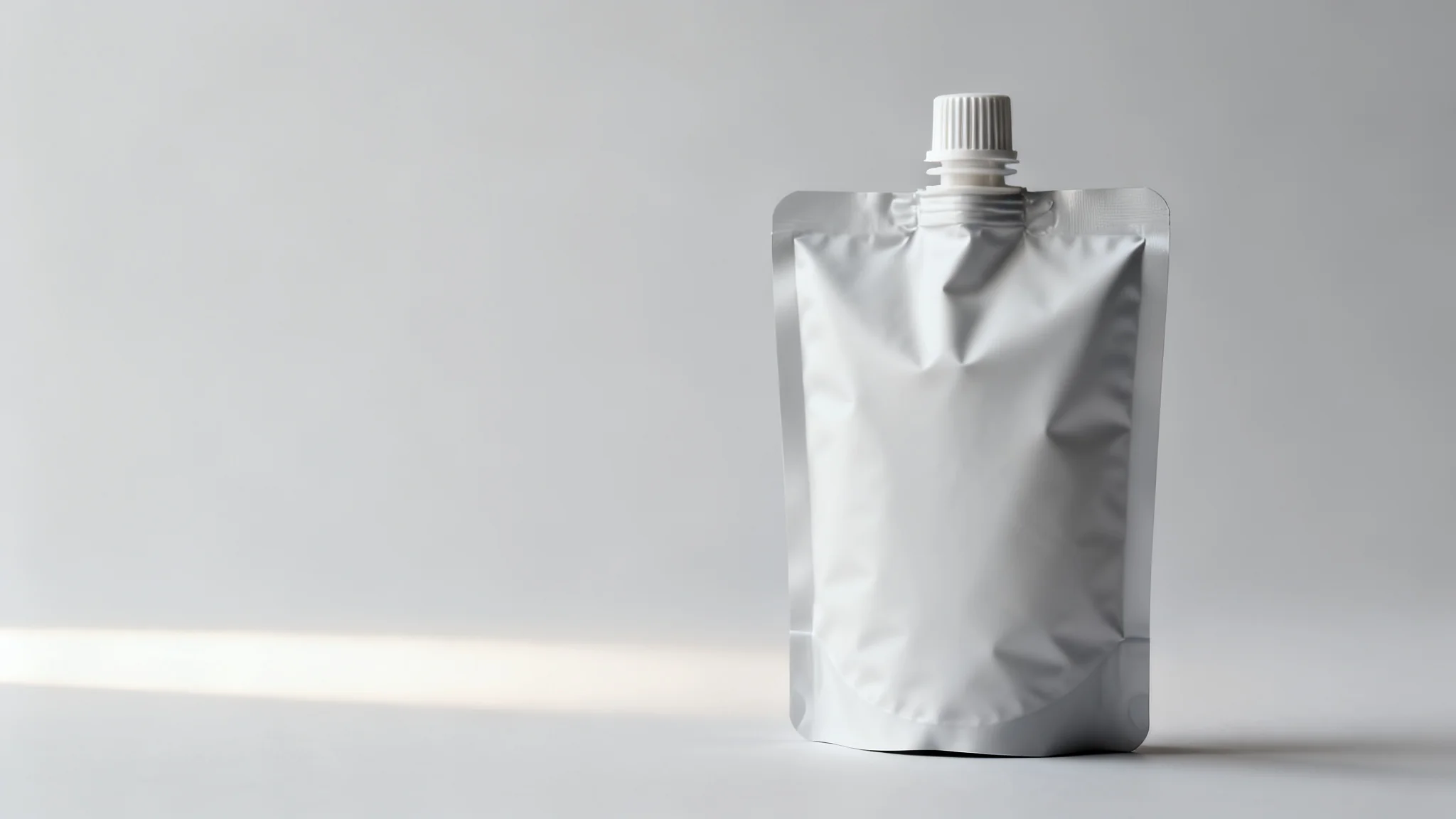
Vacuum freshness depends half on vacuuming, half on the pouch’s barrier. If the pouch’s oxygen transmission rate is too high, vacuuming is wasted effort. Common vacuum pouch combinations: PA/PE, PET/PE, foil laminates. PA/PE is flexible and puncture-resistant, suiting bone-in meat; PET/PE is stiff and transparent, suiting cooked food and dry goods; products needing long-term storage or light protection need high-barrier foil laminates. For how to choose the barrier layer, see the detailed comparison in ourVacuum Pouch Material Selection Guide.
4. Cautions for using vacuum packaging
Household vacuum machines and industrial vacuum packaging machines work on the same principle but differ greatly in parameters. Leave enough seal margin and keep the seal area free of oil and moisture, or the heat seal fails and leaks. Also, higher vacuum is not always better: watery foods over-vacuumed get their juices sucked out, hurting seals; crispy foods should use gentle/slow mode to avoid crushing chips and biscuits. After vacuuming, check that the pouch hugs the contents — visible voids mean insufficient vacuum and re-sealing is needed. OMOPACK provides vacuum packaging customization from household small packs to industrial large bags for food brands.
5. Summary
Vacuum packaging principles are simple, but doing it well is not: choosing the right pouch material, controlling vacuum level and seal quality — that truly extends shelf life. If you are struggling with food freshness packaging, welcome toContact OMOPACK, our engineers will recommend the most suitable vacuum packaging solution per your product characteristics. International customers can also visitomopack.com for our export-grade packaging products.