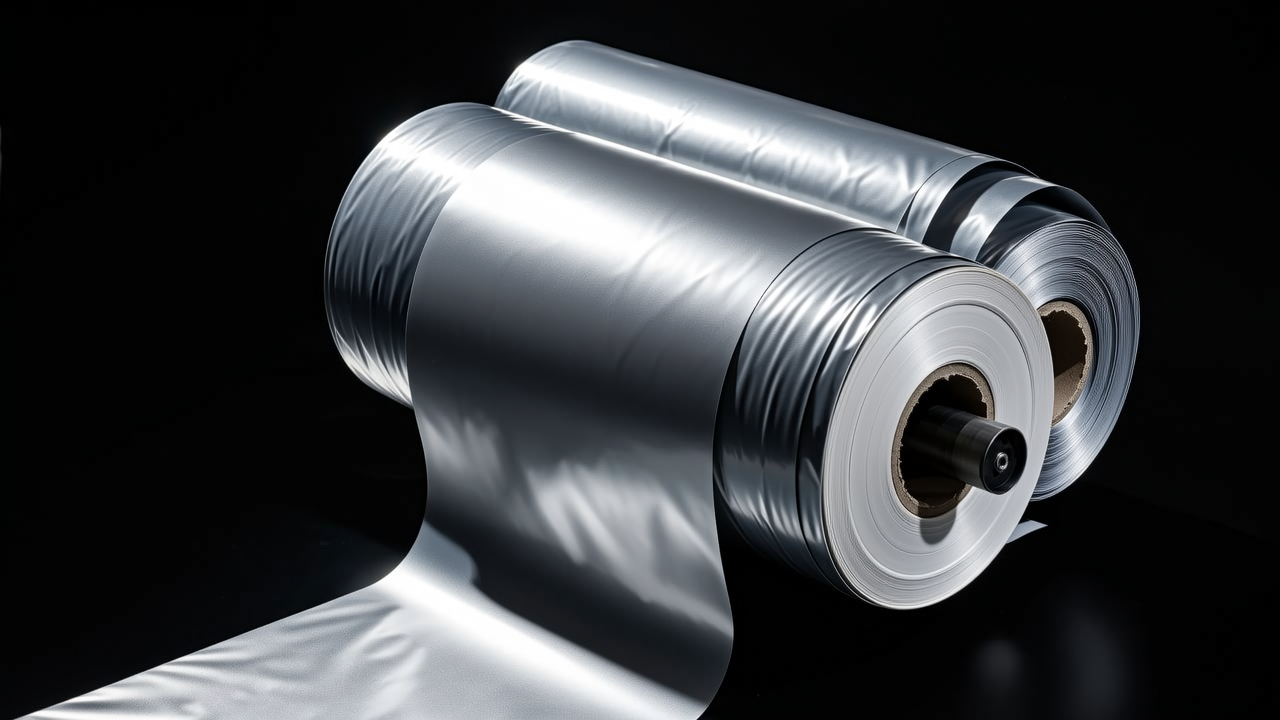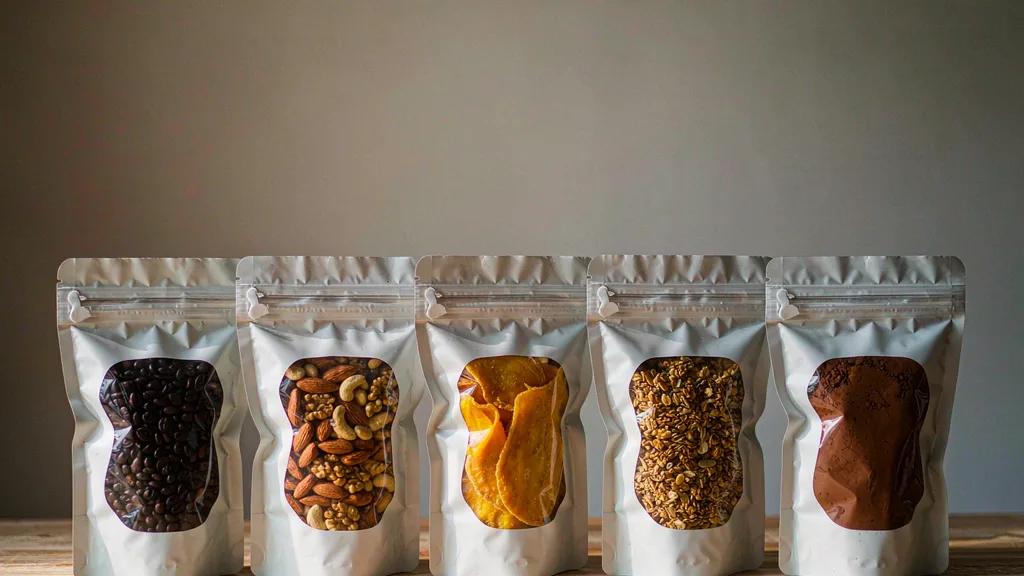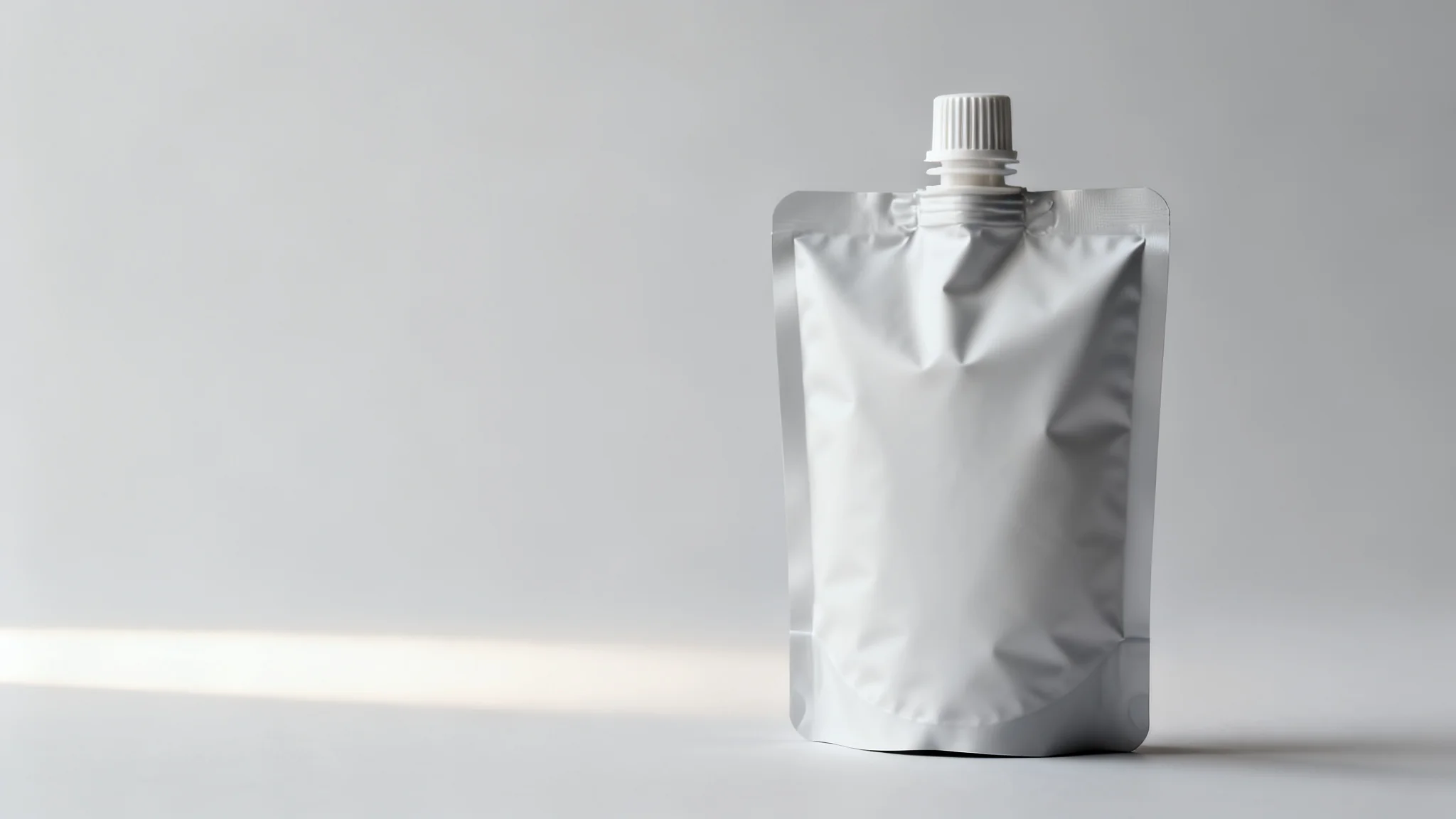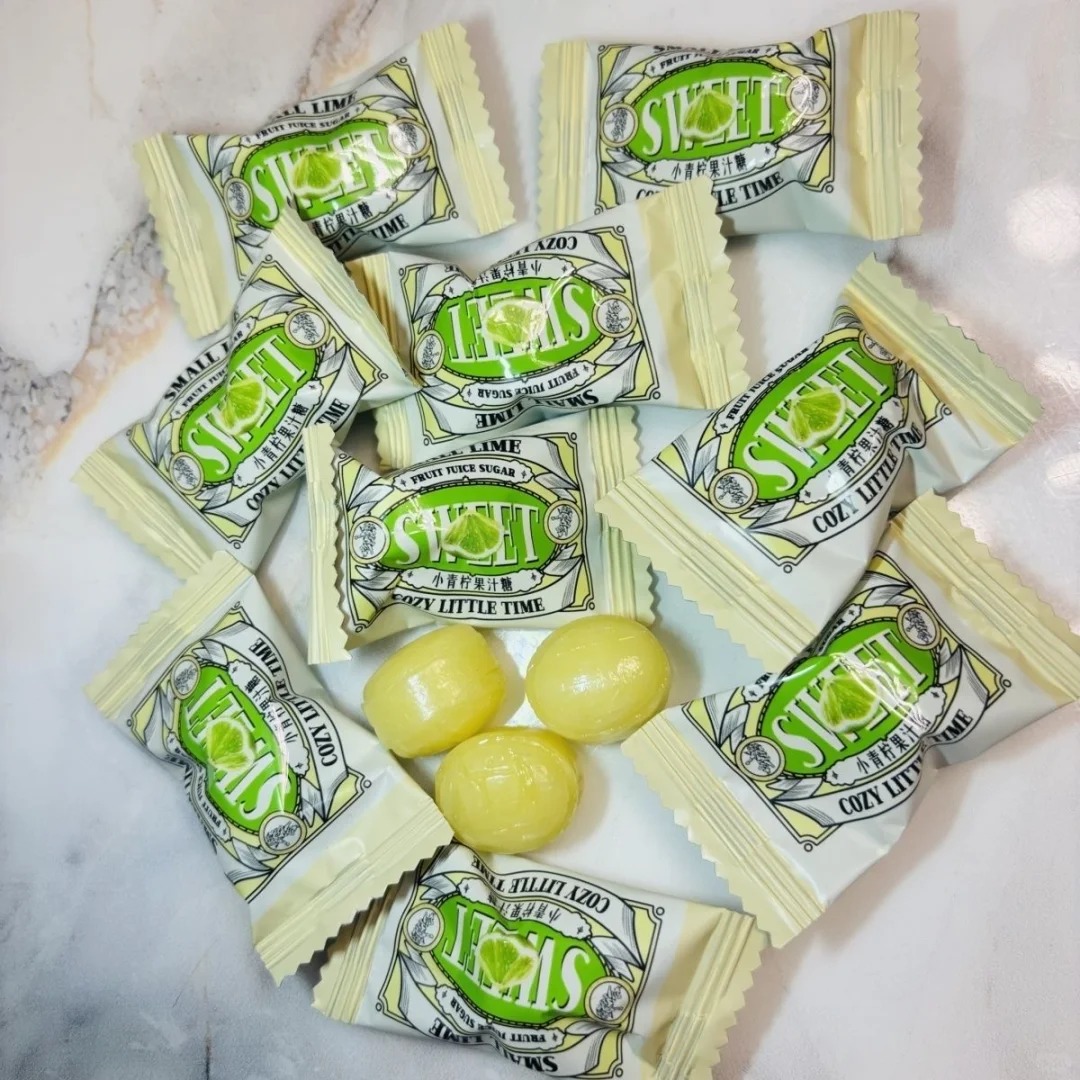
Solvent-Free Lamination is rapidly becoming the preferred lamination technology in flexible packaging, and for good reason: it eliminates solvents, cuts energy use, lowers costs and improves food-safety compliance. This guide explains how solvent-free lamination works, where it beats traditional dry lamination, and what to consider before upgrading your packaging line.
What Is Solvent-Free Lamination?
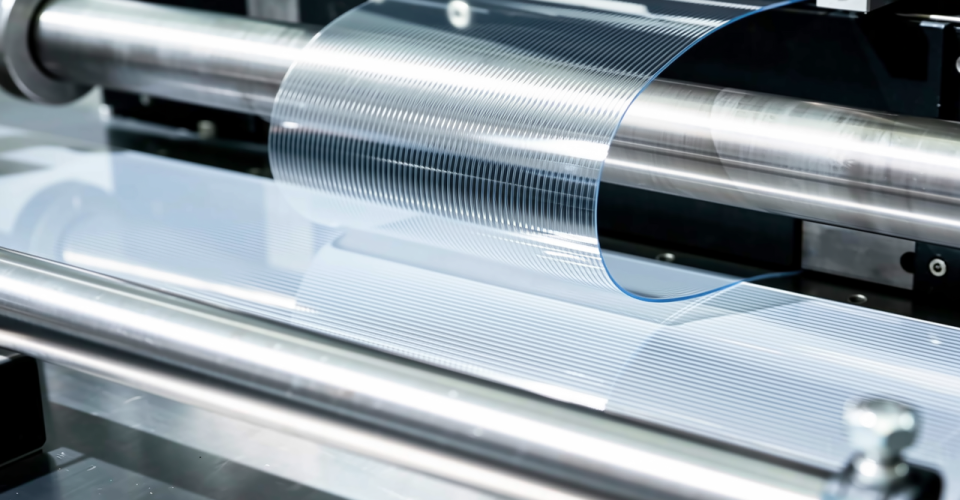
Solvent-free lamination bonds two or more substrate webs using a 100% solids adhesive that contains no organic solvent. The adhesive is heated to reduce viscosity, applied directly to the film, and then nipped together with the second substrate, where it cures through a chemical reaction rather than by evaporating a solvent.
Traditional dry lamination dissolves adhesives in organic solvents such as ethyl acetate, applies the mixture, and then passes the web through a drying tunnel to remove the solvent. Solvent-free lamination removes both the solvent and the drying tunnel from the process — a small change on the machine, but a major change in environmental footprint, safety and cost.
The Core Advantages of Solvent-Free Lamination
Environmental performance comes first. Because no solvent is used, the process emits virtually zero VOCs, which dramatically reduces air-treatment requirements and helps manufacturers stay ahead of tightening emissions rules. The technology also supports the mono-material and recyclable packaging trends that brands and regulators are pushing for.
Safety is another decisive factor. Solvent-free adhesives are non-flammable in the process, lowering fire risk and simplifying warehouse and workshop requirements. Operators are no longer exposed to solvent vapors, which improves working conditions and reduces long-term health risks.
Cost savings are substantial. Buyers typically see 10-20% lower lamination costs because the process consumes no solvent, less energy, and produces less waste. There is no solvent purchase, no drying energy, and lower waste-treatment expense.
Quality is also competitive. The adhesive layer is thinner and more uniform, peel strength is stable, and because there is no solvent, residual-solvent testing — a frequent hurdle in food packaging compliance — becomes a non-issue. This is why more and more food brands ask suppliers whether they use solvent-free lamination.
Solvent-Free vs Dry Lamination: A Practical Comparison
Dry lamination remains the most flexible process. It handles almost any substrate combination, offers high initial tack, and is well suited to demanding structures such as foil laminates that need strong early bonding. Its downsides are rising: energy-hungry drying tunnels, solvent purchase and abatement costs, and stricter environmental permitting.
Solvent-free lamination wins on sustainability, cost and compliance, but it has limits. Initial tack is lower, so reels need a curing period — typically 24 to 48 hours — before slitting and bag-making. It also demands tighter control of web tension, adhesive mixing ratios and workshop temperature and humidity. Very demanding structures, such as heavy-duty laminates requiring extreme bond strength, may still call for dry lamination.
The practical industry answer is not “either/or” but “both”. Most modern plants run dry and solvent-free lines side by side, using solvent-free for standard food and daily-chemical structures and dry lamination for specialty jobs. If you are evaluating suppliers, ask which structures they run solvent-free and which they do not.
Where Solvent-Free Lamination Fits in the Green Packaging Trend
Solvent-free lamination aligns with three converging trends: carbon reduction targets, VOC emissions regulation, and brand supply-chain audits. European buyers, in particular, increasingly treat solvent-free capability as a standard requirement rather than a differentiator, alongside other regulatory developments covered in our guide to European packaging regulations for 2026.
It also pairs naturally with mono-material recyclable structures, where low-temperature, low-odor adhesives help keep the finished film compatible with recycling streams. For brands, the business case goes beyond compliance: sustainable processes are becoming a purchasing criterion for retailers and consumers alike, as we explain in why eco-friendly packaging makes business sense.
Key Considerations Before Switching
If you are planning to introduce solvent-free lamination, plan for three things. First, curing time: schedule 24-48 hours between lamination and converting. Second, environment: maintain stable temperature and humidity in the lamination hall, since curing is moisture- and temperature-sensitive. Third, adhesive handling: A/B component ratios must be dosed precisely, and opened containers should be used within their pot life.
It is also wise to validate the process on your actual structures — film combinations, ink systems and barrier layers all interact with the adhesive — before committing large volumes.
Summary
Solvent-free lamination is one of the most certain upgrade directions in flexible packaging: it is cleaner, safer, cheaper to run and easier to certify for food contact. It is not a universal replacement for dry lamination, but for most food and daily-chemical packaging it delivers the best balance of cost, quality and sustainability. Understanding the process will help you ask better questions and choose a partner who can actually deliver the green credentials your brand needs.
Need a reliable flexible packaging partner with solvent-free capability? Contact OMOpack for custom film structures, lamination and bag-making services.
Explore more packaging knowledge and industry insights at OMOpack.com.