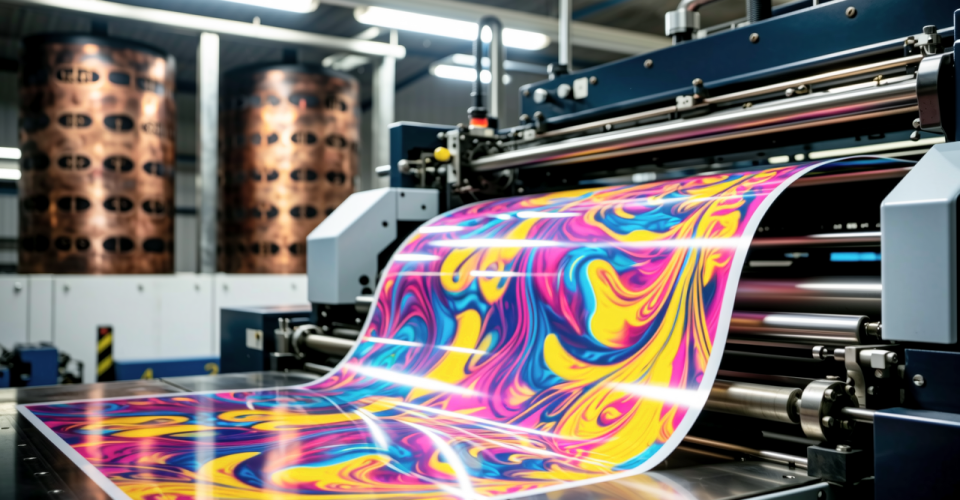
Can digital printing replace traditional printing? It is one of the most common questions in flexible packaging procurement. The honest answer: in some scenarios yes, in others not yet. Digital printing — plate-free, low minimum order quantities, and variable data capability — is transforming small-batch custom packaging, but it complements rotogravure and flexography rather than simply replacing them. This article compares the two approaches on technology, cost, quality and use cases, so you can decide which process fits your order profile. If you are exploring low-volume packaging options, our guide to elevating small brand packaging offers practical starting points.
How Digital Printing Works and Its Advantages
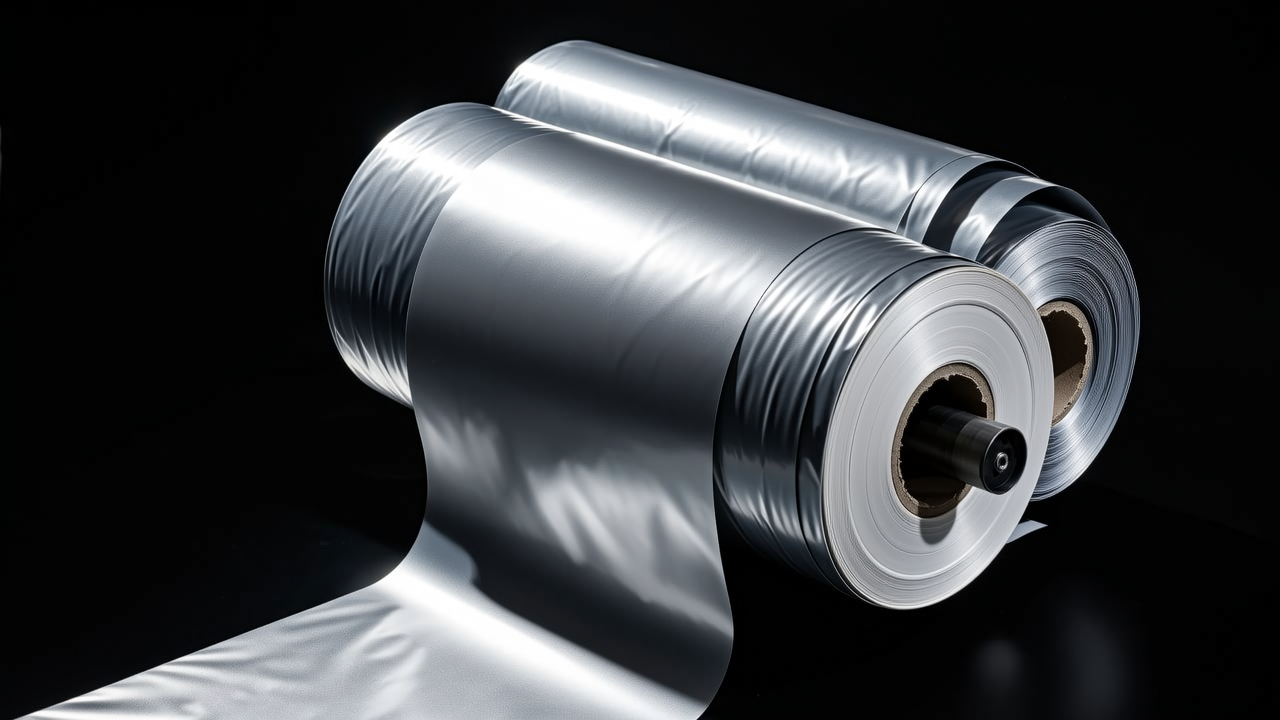
Digital printing transfers the design file directly onto film through inkjet or electrophotographic technology, with no plates required. Rotogravure needs engraved cylinders; flexography needs photopolymer plates; digital printing simply presses print and delivers samples within minutes. Three advantages follow. First, minimum order quantities collapse: gravure typically starts at tens of thousands of meters, while digital runs can start at a few hundred meters or even less. Second, revision costs approach zero — a design change only means updating the electronic file, not re-engraving cylinders. Third, variable data printing makes it possible to print different barcodes, batch numbers or personalized graphics on every meter of film, which is valuable for traceability and personalized marketing. For new product trials, e-commerce small batches and regional limited editions, digital is often the only economical option.
Where Digital Printing Falls Short
Digital printing has real limitations. Color reproduction is the first: gravure offers a wider gamut, denser ink laydown and precise spot colors, and digital still trails in vibrancy and saturation, especially for large-area spot colors and metallic effects. Speed and per-meter cost form the second boundary: digital presses run at a fraction of gravure speed, so the per-meter advantage disappears once volume crosses a threshold where gravure economies of scale take over. Third, ink adhesion and durability need verification — digital inks on certain films still require testing for adhesion, retort resistance and rub resistance, so be cautious with retort-pouch or frozen-food applications. A rough rule of thumb: below roughly 5,000 meters per SKU per year, digital is the most economical; above 20,000 meters, conventional printing wins; in between, request quotes from both processes and compare.
Products That Fit Digital Printing Best
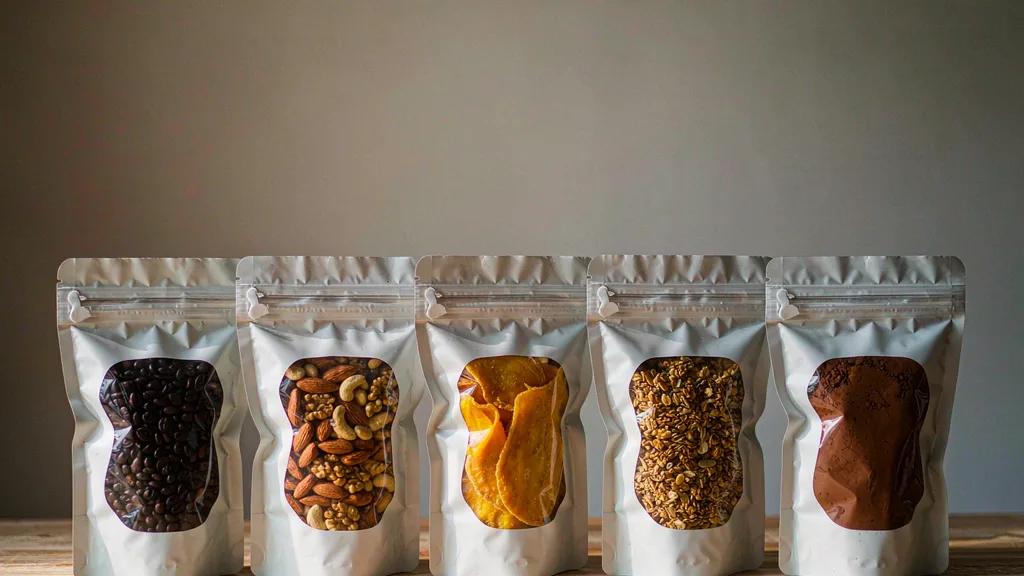
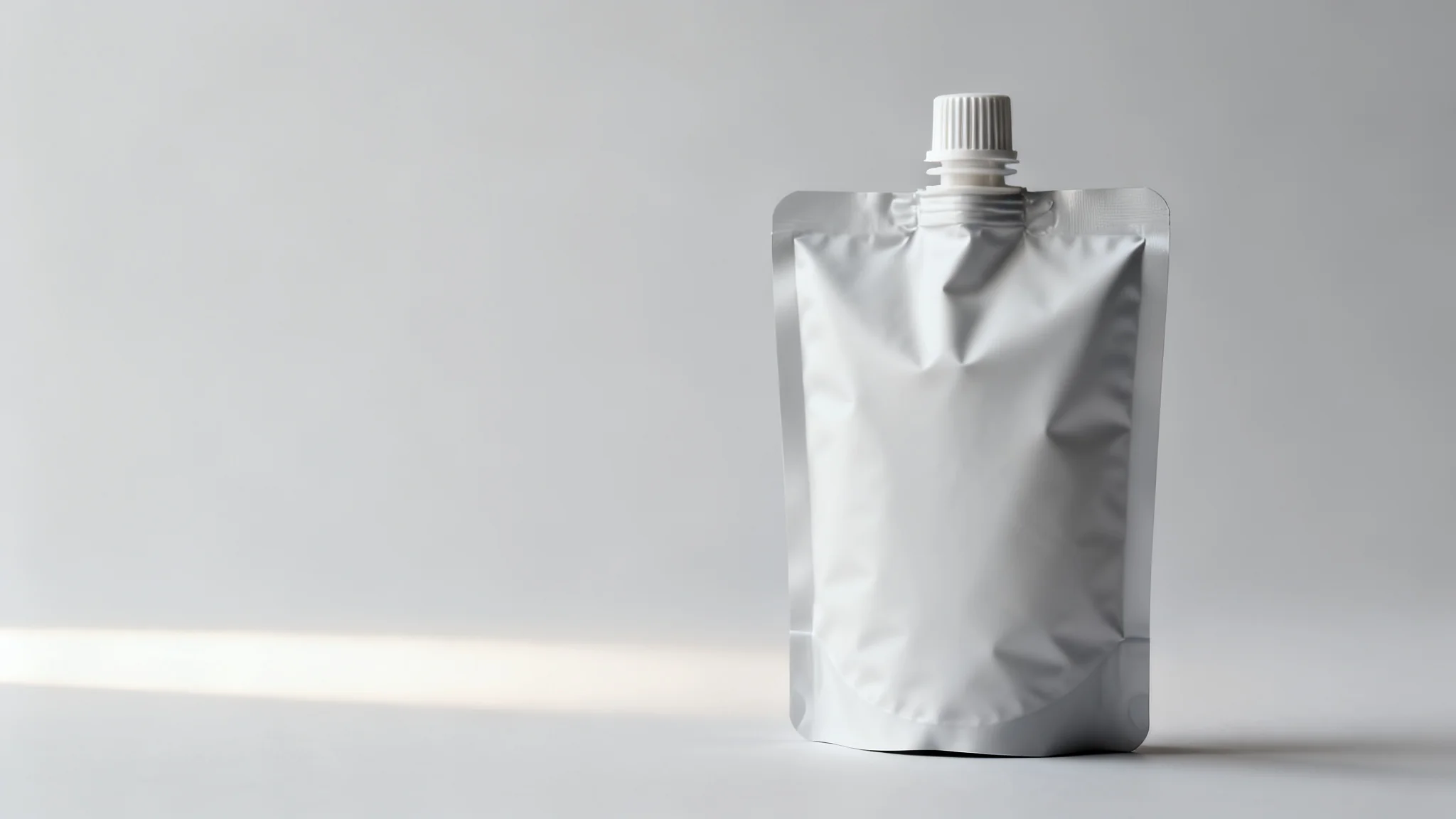
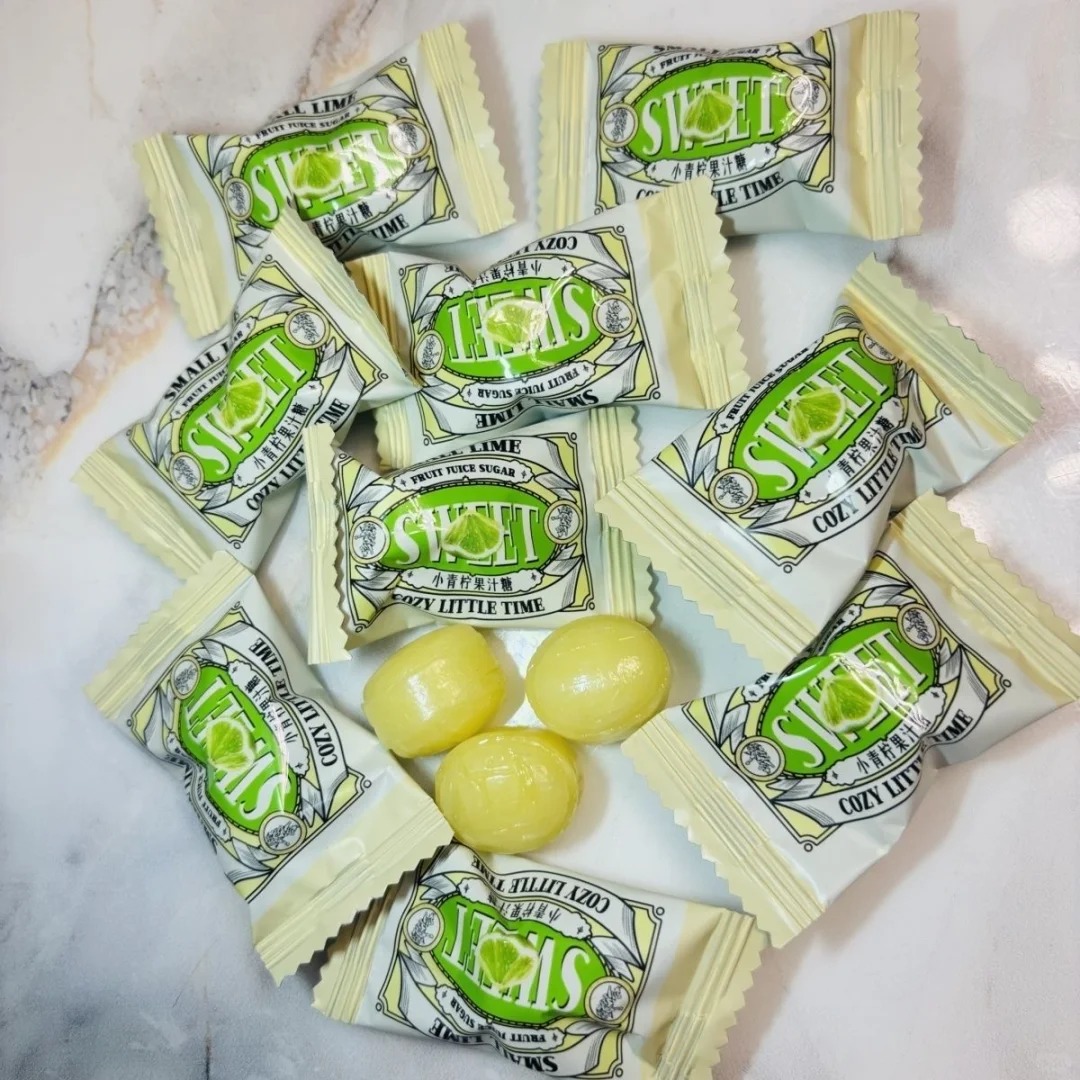
Typical candidates include: new product trial packaging, where brands test the market with a few hundred pouches and iterate quickly; e-commerce small batches driven by livestream sales and community group buying; personalized or limited-edition packaging with unique graphics per unit; multi-SKU portfolios where a brand runs dozens of flavors with small volumes per SKU; and design samples for trade shows or pre-production validation. Specialty coffee brands also use digital printing for small-batch premium bean bags combined with high-end pouch styles — see our food packaging bag selection guide for related pouch choices.
Combining Digital and Conventional Printing
Mature brands usually adopt a hybrid strategy: digital printing for prototypes and market validation, then migration to gravure or flexo once volumes stabilize and unit cost matters more. Others go all-in on digital production, accepting higher per-meter cost in exchange for zero minimums and faster inventory turnover — a model increasingly common among DTC brands. Whichever route you choose, give your supplier three numbers: annual volume, revision frequency and color requirements. The supplier equipment mix determines the most economical recommendation. One practical warning: digital devices differ widely in color gamut and resolution, so always request physical proofs and check color under standard light before committing to a run.
Summary and Recommendations
Can digital printing replace traditional printing? In the short term, no — but in small-batch, personalized, fast-iteration segments, it will keep taking share. Instead of asking which process is better, base the decision on your order structure: small volumes, many SKUs and frequent revisions point to digital; large volumes, single SKUs and extreme cost targets point to conventional; the middle ground deserves quotes from both. OMOpack operates digital, gravure and flexo lines under one roof, so we can produce comparison samples and cost models to help you find the optimal process. Contact OMOpack for a consultation. Visit OMOpack.com for more packaging knowledge and industry insights.