Pet food is one of the fastest-growing consumer categories, and its pouch — the “second salesperson” — directly affects shelf life, shelf appeal and repurchase rates. Cat and dog food are high in oils and active nutrients, demanding barrier, sealing and safety that can exceed some human foods. How do you choose pet food pouches professionally? We start from five key points to build a complete selection framework. If pouch design is new to you, first read ourComplete Guide to Stand-Up Pouches。
Why do pet food packaging requirements run high?
Pet staples and treats generally contain high animal fats and proteins that oxidize and go rancid under light, oxygen and moisture — producing off-odors that hurt palatability and may harm pet health. Pet food shelf life usually runs 12-24 months, longer than many human snacks. Pouches must therefore offer excellent oxygen, light and moisture barrier and stay reliably sealed across the whole shelf life. Pet packaging also faces a special issue: pets have extremely sensitive noses — solvent residue or ink smells in packaging are detected directly and cause food refusal, so hygiene and odor control demands are higher.
Point 1: Barrier determines shelf life
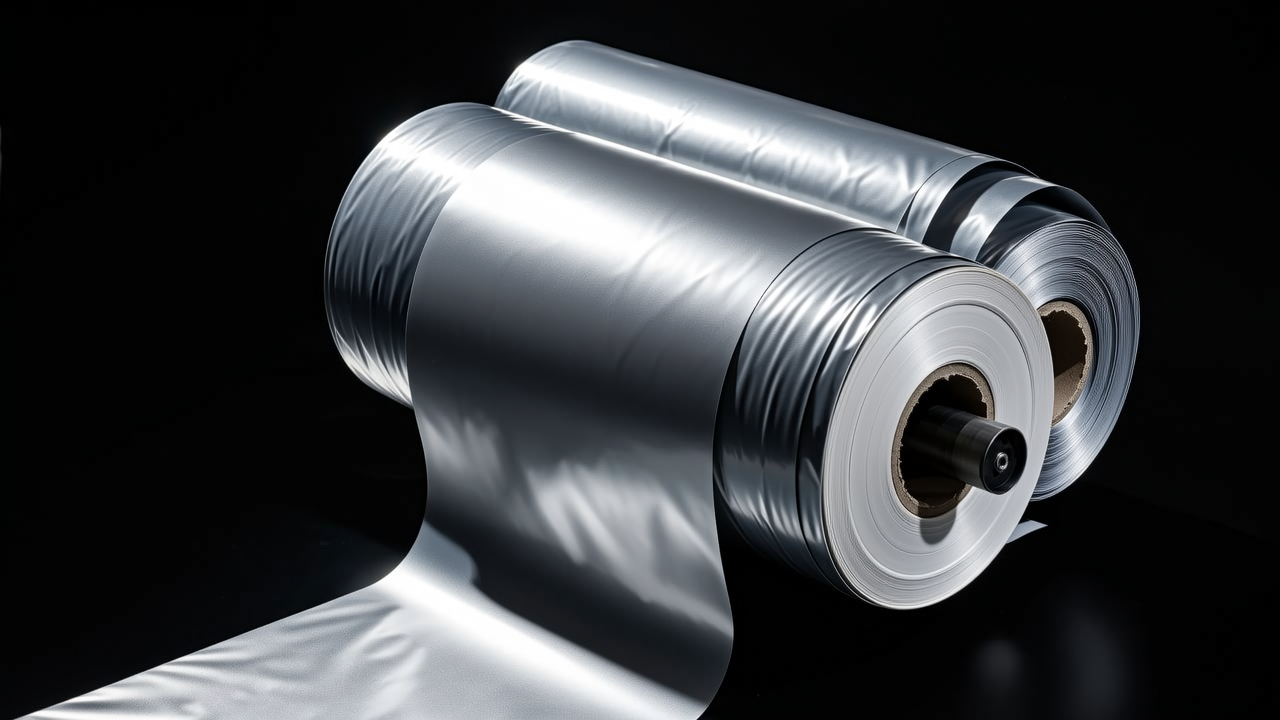
Barrier is the top selection indicator. Mainstream pet food packaging uses multi-layer laminates, with PET/AL/PE foil structures the standard for premium staples and freeze-dried food: the foil layer blocks almost all oxygen, light and water vapor, and with oxygen absorbers steadily extends shelf life to 18-24 months. Mid-range products commonly use PET/metallized/PE — good value for fast-moving extruded food. Note that higher barrier directly raises cost — choose sensibly per product positioning and sales cycle rather than chasing the highest spec. For more barrier layer details, refer to ourVacuum Pouch Barrier Layer Guide。
Point 2: Pouch type decides shelf performance
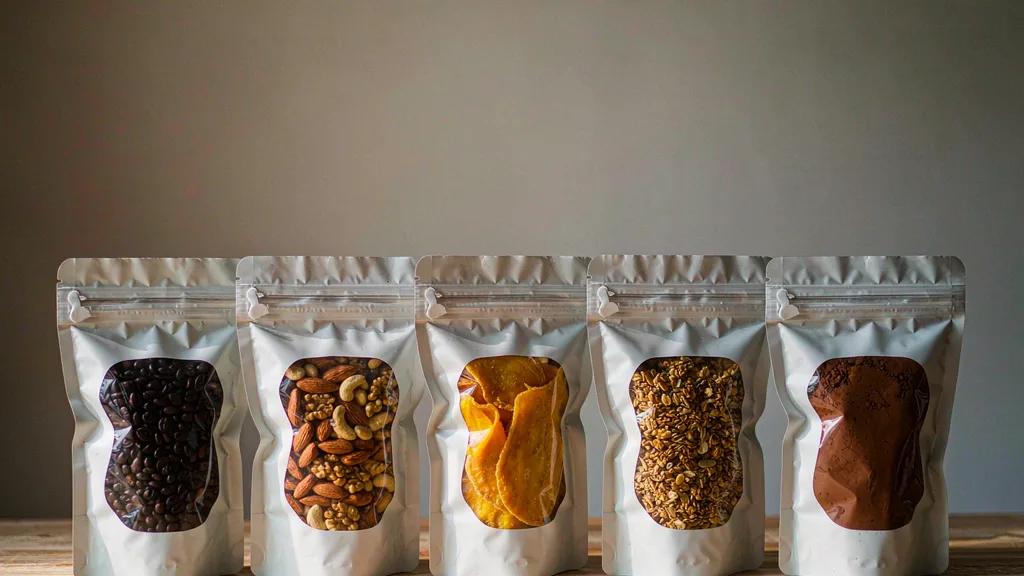
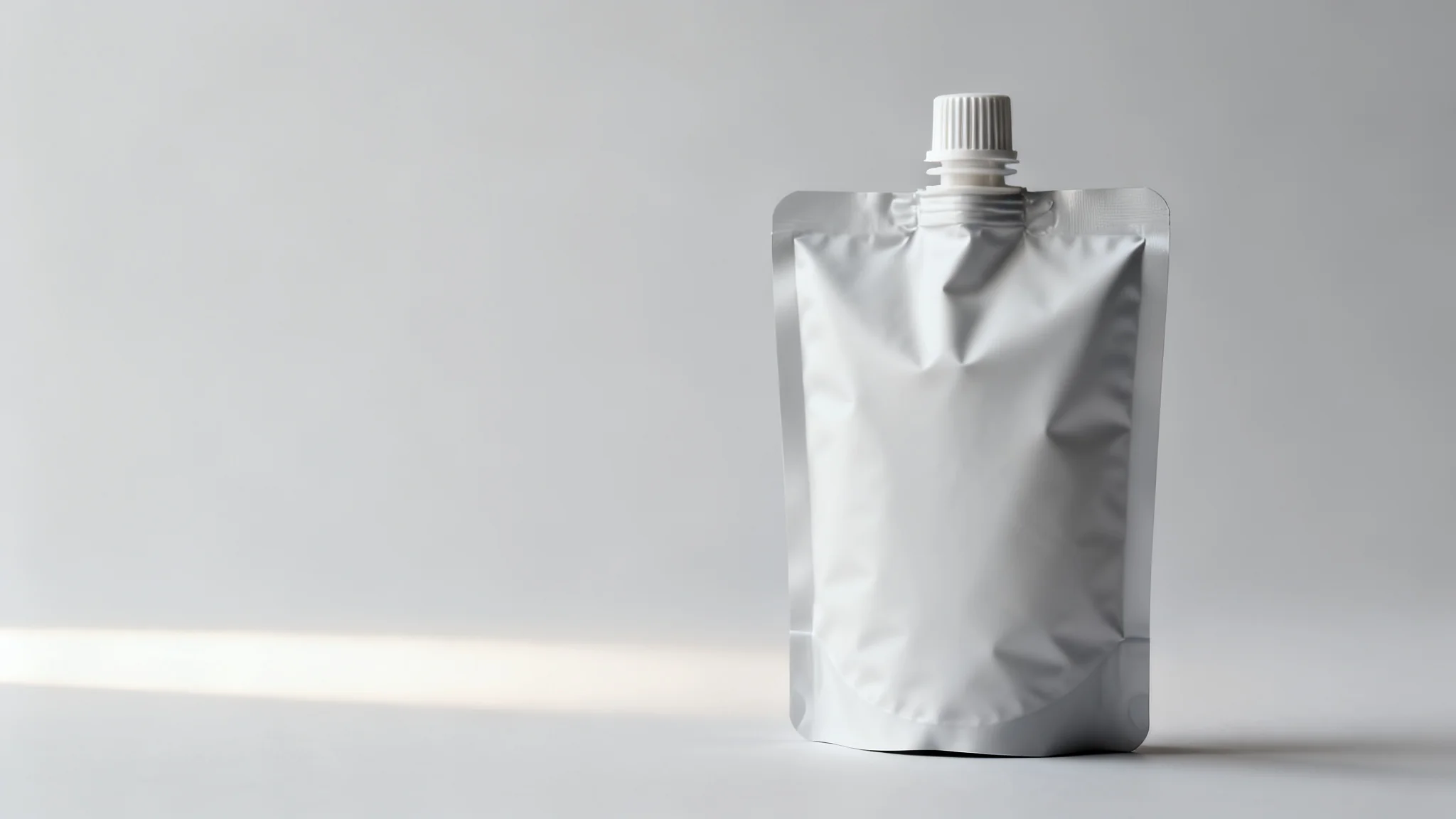
Among the three most common pet food pouch types, each has strengths: stand-up pouches suit small packs and treats — the gusseted base stands well, displays nicely and reseals after use; 8-side seal flat bottom pouches are the mainstream for staples — flat bottom, large capacity, ample print area for complete brand visuals and feeding information; three-side seal pouches cost least, fitting e-commerce simple packs or trial sizes. For premium lines, add window designs or matte lamination for texture that stands out on the shelf.
Point 3: Material safety and food-grade standards
Pet food pouches contact food directly — material safety is non-negotiable. Films, inks and adhesives must be food-grade, meeting GB 4806 food contact standards; printing should use benzene-free, ketone-free eco-inks; lamination should prefer solvent-free processes to control solvent residue and odor at the source. This matters especially in export markets — EU and US customers hold pet food packaging to very strict compliance, and certifications (FDA or EU Declaration of Compliance) are often preconditions for cooperation.
Point 4: Usability and consumer experience
Usability directly drives repurchase rates. Large staple packs should have stand-up zippers or reseal strips for freshness after repeated use; small treat pouches can use easy-tear openings that open cleanly without jagged edges; the information area must clearly show feeding recommendations, ingredient lists and shelf life — every legally required element included. For oversized packs (10kg+), add handles for easier carrying.
Point 5: Balancing cost and scale
Finally, cost control. Packaging typically runs 8%-15% of total pet food cost. Without compromising barrier or looks, you can cut costs significantly by optimizing structure (thinner metallized layers, sensible color counts), choosing the right pouch type and MOQ. Involve the factory in structural optimization at the sampling stage rather than squeezing costs after design finalization — that avoids the embarrassment of “saving pennies and ruining the looks”.
Summary and Recommendations
Pet food pouch selection in one sentence: barrier protects quality, pouch design lifts looks, material safety holds the bottom line, usability wins repurchases, cost balance protects profits. OMOPACK has rich pet food packaging customization experience — mature solutions from material selection and structural design to sampling and mass production — welcome toContact OMOPACK get a tailored packaging solution.
For more packaging knowledge and industry news, visitOMOPACK English website。