When requesting quotes for custom pouches, many people only look at the unit price — how much per bag. Only after actually working together do they discover a pile of “extra fees” beyond the quote: plate-making, setup, revision, die-cutting, waste… These hidden costs add up to far more than expected. Today we will explain all the hidden costs in packaging printing so you are never caught off guard when budgeting.
1. Plate-making fees: the biggest upfront investment
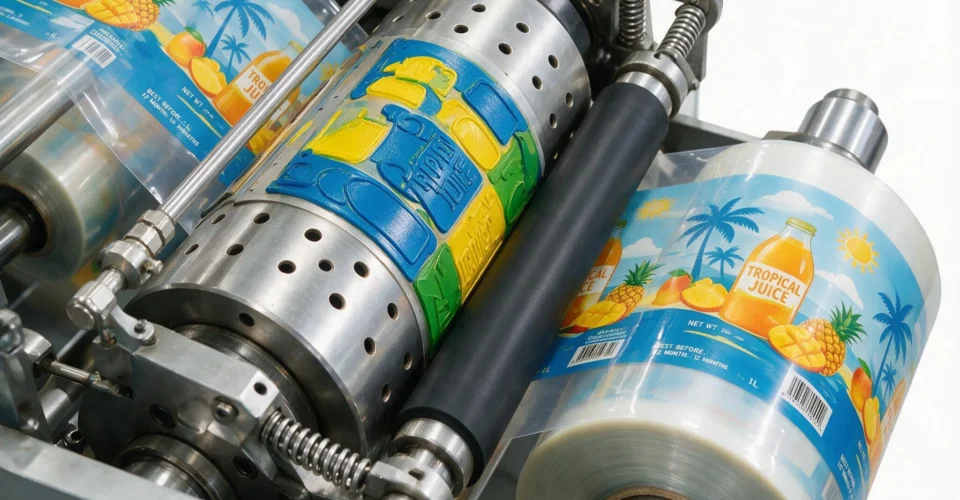
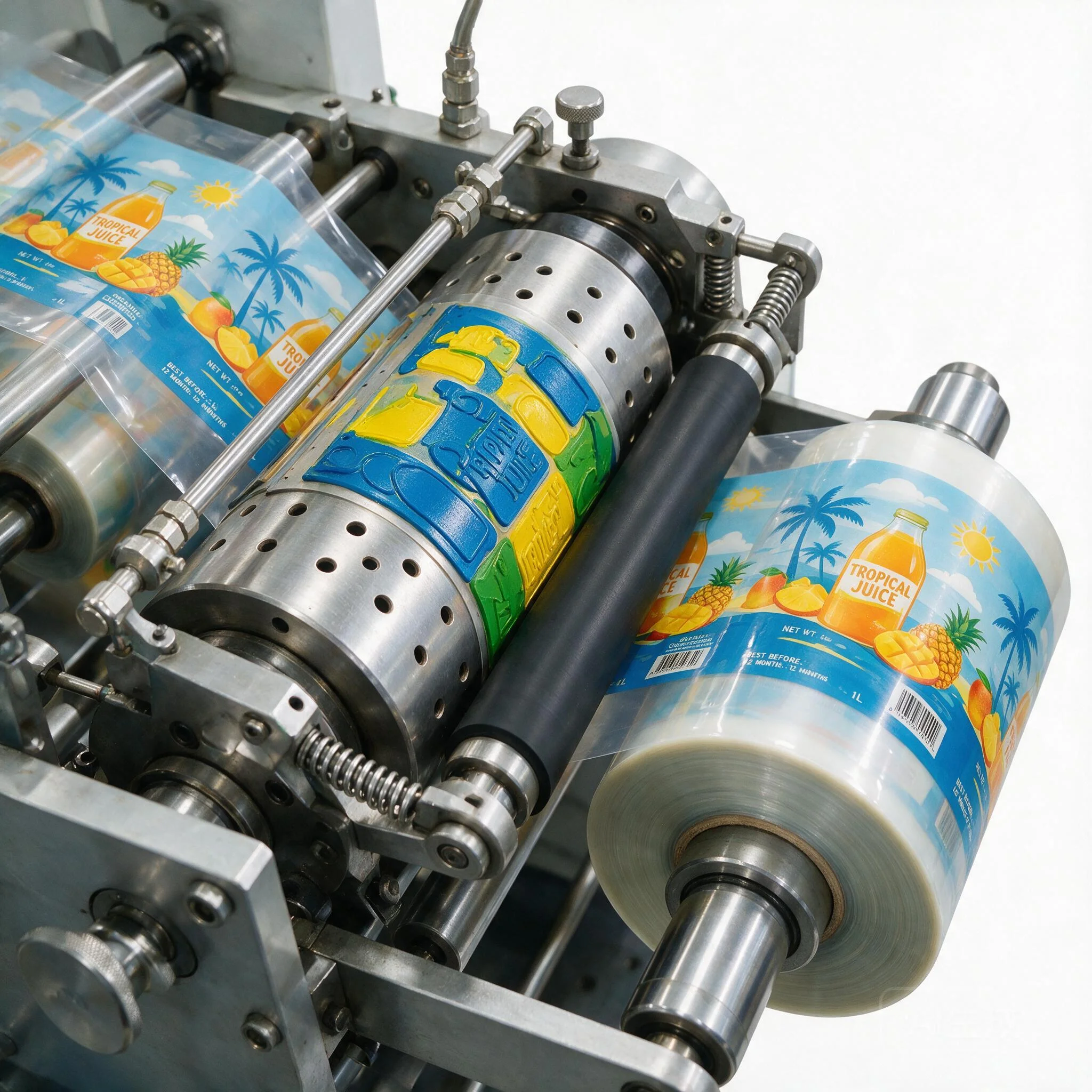
Plate-making is one of the core costs of packaging printing. Different processes make plates differently, so costs vary greatly:
- Gravure plate-making: gravure plates are custom metal cylinders, one per color. A 6-color gravure package needs 6 cylinders, each priced between CNY 500 and 2,000 depending on size and engraving precision. In other words, a 6-color gravure package can incur plate-making fees of CNY 3,000-12,000 alone.
- Flexo plate-making: flexo plates are photopolymer and far cheaper than gravure. Flexo plates are billed by area — an A4-sized plate costs about CNY 200-500 per color. For the same 6-color design, plate fees run about CNY 1,200-3,000.
- digital printing: digital printing needs no plates — its biggest advantage. Files print directly onto the substrate with zero plate cost. For small-batch customization, the plate fees digital printing saves are substantial.
2. Setup/changeover fees: the machine keeps burning money while idle-running
After plate-making, the cylinders or plates are mounted on the press, registration is set, and colors are adjusted — this process is called “setup” or “changeover”. During setup the machine runs but produces no saleable output, and customers bear this cost.
Setup fees are usually billed by running time. The comprehensive hourly cost of running a gravure press (electricity + labor + depreciation + consumables) is about CNY 500-1,500. Setup and changeover typically take 1-3 hours, costing CNY 500-3,000. Flexo presses set up faster — about 30 minutes to 1 hour — so the cost is correspondingly lower.
This is also one reason MOQs are generally high — setup fees are fixed, so if the order is too small, the cost per pouch balloons. For tips on lowering MOQ, refer toTips for Negotiating with Packaging Factories。
3. Revision fees: change the design, pay again
When design files need changes during sampling or production, each revision may incur fees:
- Gravure revisions: once cylinders are engraved, changing the artwork means re-engraving. Changing one color costs at least CNY 500-2,000 — the same as new plate-making. If only text or a partial design changes, some factories offer “repair” services for about CNY 200-500 per color, though repaired cylinders may have shorter life.
- Flexo revisions: photopolymer plates are simpler to revise — just re-make the plate. About CNY 100-300 per color.
- Digital printing revisions: digital printing revisions cost nothing — just fix the file and print. This is a huge advantage of digital printing during sampling and trial-and-error stages.
So my advice is:Before plate-making, make sure the design files are confirmed and final. Ideally, confirm with digital or physical samples first, and only proceed to plate-making once everything is approved. One careful confirmation can save you thousands of yuan in revision fees.
4. Die-cutting fees: the “tooling cost” of pouch forming
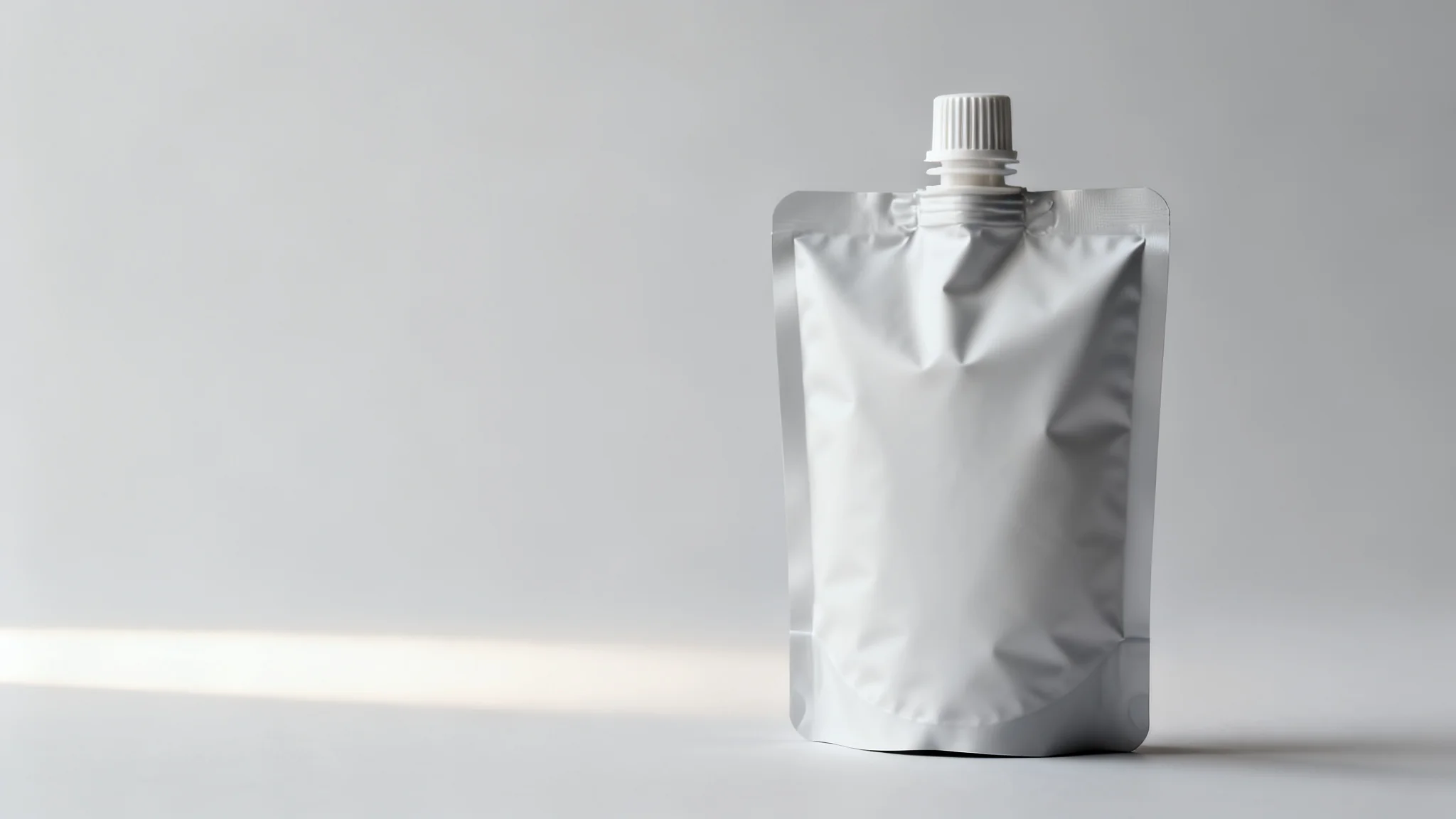
Forming pouches requires cutting dies — especially for specialty shapes like shaped pouches, spouted pouches and 8-side seal pouches. A cutting die is a hand-made tool used on the pouch machine to die-cut the specific pouch shape.
For plain three-side seal or center seal pouches, die fees are about CNY 200-500. Specialty types such as shaped and 8-side seal pouches cost more — about CNY 500-2,000 — because the dies are more complex and require higher precision. A die typically lasts 100,000-300,000 cycles; if you reorder in large volume later, the die fee is waived — but only if the pouch shape stays the same; change it and a new die is required.
5. Waste fees: the “inevitable waste” in production
Waste is inevitable in packaging printing production. These losses include:
- Startup waste: defective output during changeover, usually counted into the “setup fee”.
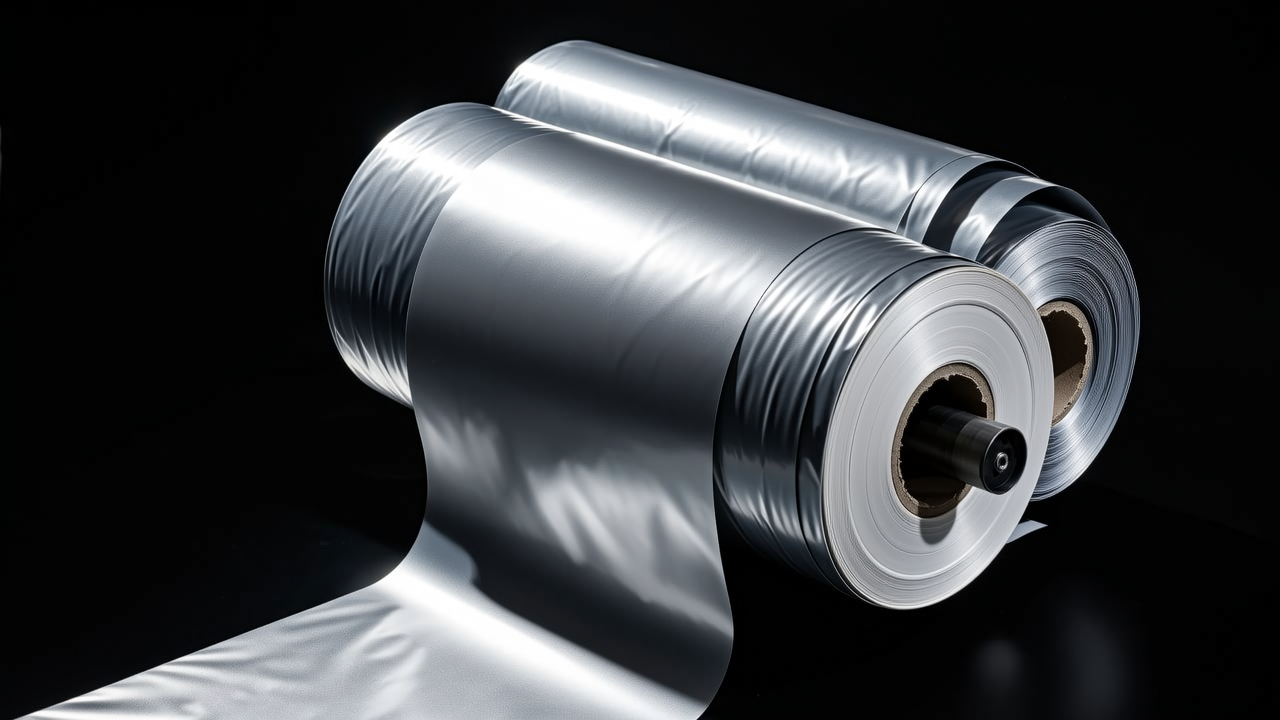
- Splice waste: in printing or lamination, when one roll runs out and the next is spliced on, material near the splice is scrapped. A film roll is about 1,000-3,000 meters, and each splice wastes about 5-20 meters.
- QC sampling waste: samples taken for quality inspection.
- Remnants: leftover material at the end of a roll that is not enough for a complete pouch and cannot be used.
The industry-standard waste rate is about 3%-8%, depending on product complexity and process. Complex 8-color gravure + lamination + pouch-making products can reach 10% waste. Factories usually include this cost in the quote, but clarifying exactly how the waste rate is calculated avoids disputes at settlement.
6. Other easily overlooked costs
- Sampling fees: physical sampling needs small amounts of material and labor, costing about CNY 200-1,000 per sample. Some factories refund sampling fees after bulk orders.
- Testing fees: when third-party test reports are needed (e.g. food-grade testing, migration testing), testing costs are charged separately, about CNY 500-3,000 per item.
- Rush fees: for rush orders squeezed into the production schedule, a rush fee of 20%-50% is typically added.
- Shipping: freight for bulk shipments, especially to remote areas or via dedicated logistics lines, is usually not included in the quote.
Summary: ask about these items before requesting a quote
Next time you request a quote, be sure to clarify the following:
- How much is plate-making? How many colors are included?
- How is the setup/changeover fee calculated?
- How are design changes charged?
- How much is the die fee? Is it free for subsequent reorders?
- What waste rate is used?
- Are sampling fees refundable?
- Does the price include shipping or not?
Only by clarifying these points can the numbers on the quote be a reliable budget. Packaging customization is not a one-off deal — the more thorough the upfront communication, the fewer pitfalls later.
Questions about packaging customization? Welcome to contact OMOPACK and visit Contact Us