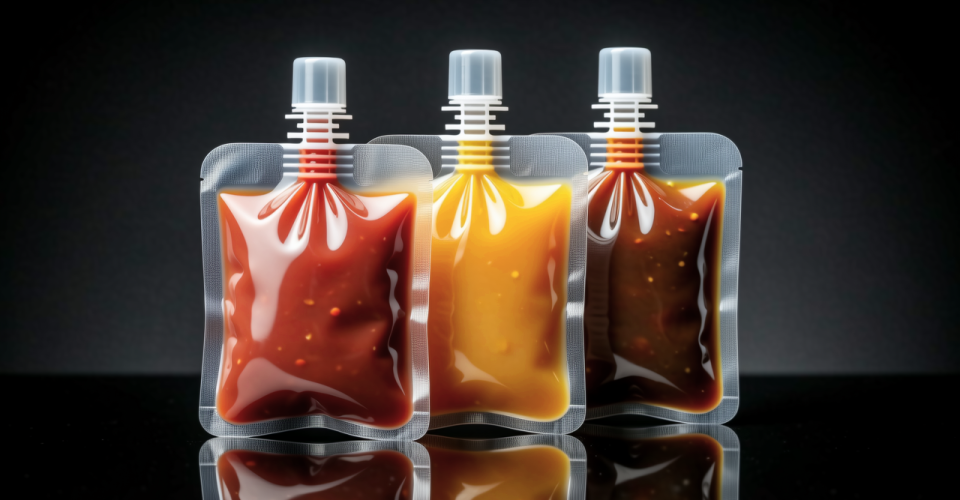
Liquid packaging bags are among the most common packaging formats in the condiment, beverage and home & personal care industries. Soy sauce, fruit juice, dish soap and hand wash all rely on them. But choosing liquid packaging bags is far more demanding than choosing bags for solid goods: liquids flow, they are heavy, they can penetrate the film, and you also have to consider filling methods, seal strength and leak prevention. Many brands hesitate between spout pouches, stand-up pouches and flat pouches when they first move into liquid packaging. This article explains how to choose liquid packaging bags based on the properties of the liquid itself, the best use case for each pouch type, and the critical process points.
How to Choose Liquid Packaging Bags: Start with Three Liquid Properties
The first step in choosing liquid packaging bags is not picking a pouch style; it is analysing the liquid. First, flowability: low-viscosity liquids such as soy sauce and juice fill quickly and put high demands on sealing and leak prevention, while high-viscosity liquids such as honey and shampoo require careful thought about filling ease and residue rates. Second, temperature: ambient filling and hot filling (hot juice, hot sauce) place completely different demands on material heat resistance, and hot filling requires a heat-resistant CPP inner layer. Third, corrosiveness: liquids containing acid, alcohol or oil can corrode or penetrate the film, so you must choose a material combination with good chemical resistance.
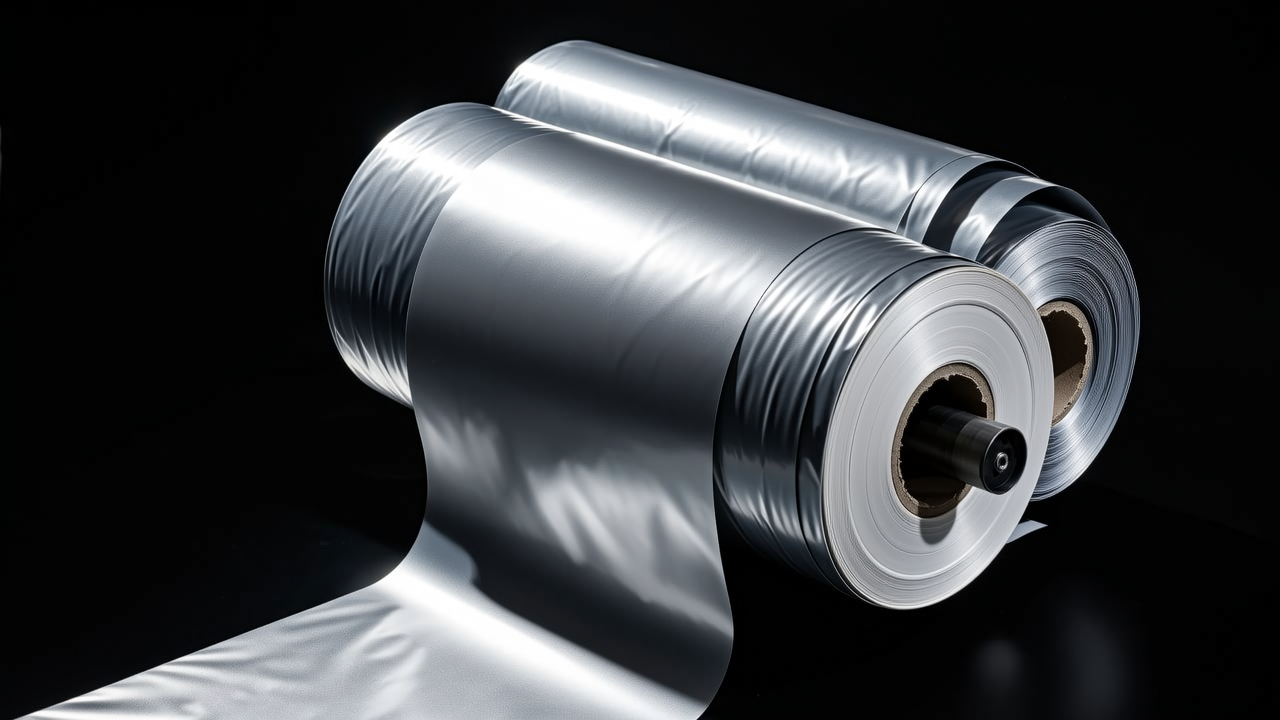
Taking these three points together, the common material structures for liquid packaging bags are “PET/AL/CPP” or “PET/PE”: PET provides stiffness and a print surface, aluminium foil provides barrier and light protection, and CPP or PE works as the heat-seal layer with good media resistance and sealing. For soy sauce and juice with a long shelf life, choose a high-barrier structure with aluminium foil. For fast-moving liquids such as laundry detergent refills, PET/PE keeps the cost under control.
Spout Pouches: The Mainstream Choice for Liquids
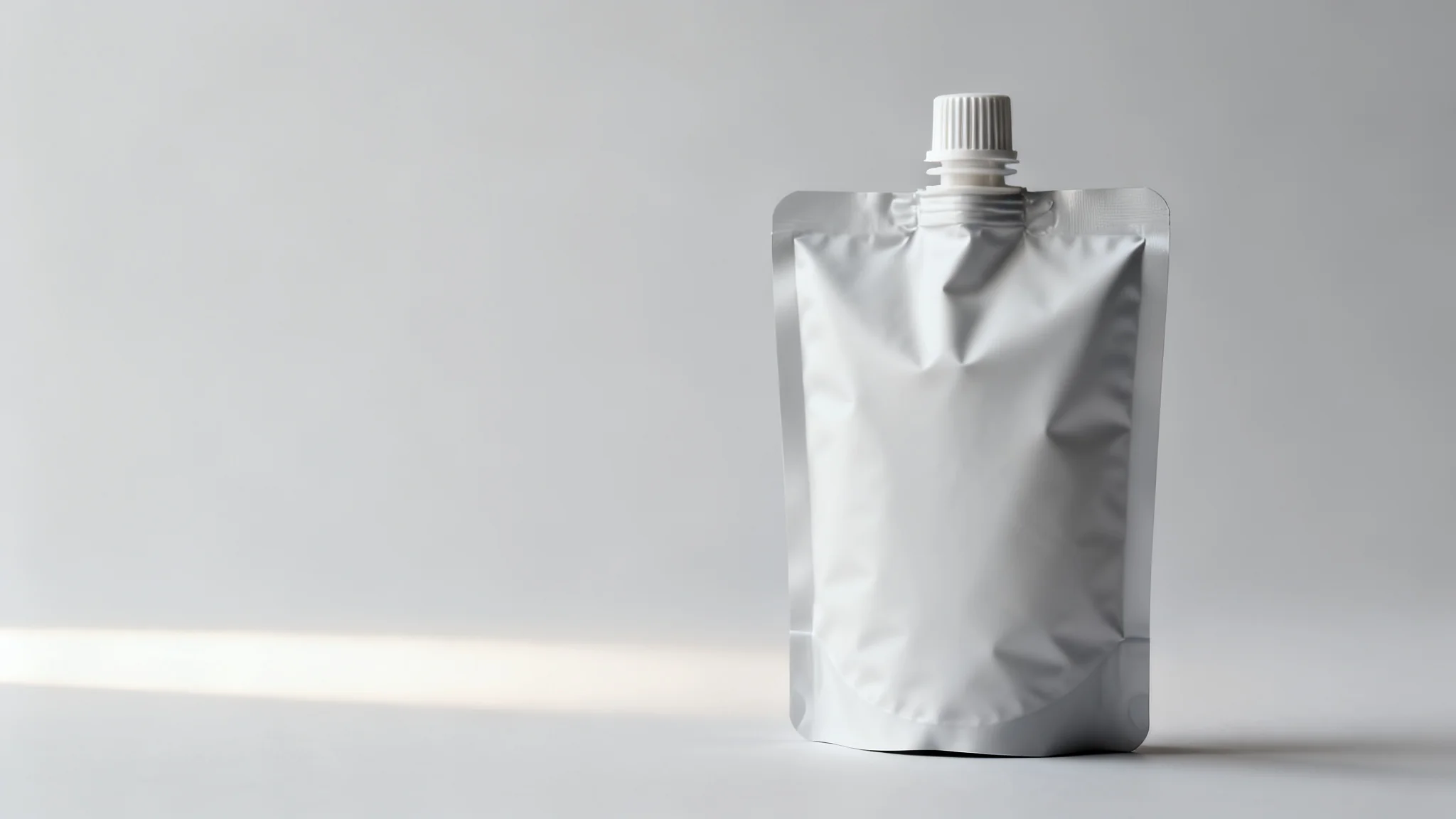
Spout pouches, also known as pouches with a spout and stand-up base, are the most widely used format for liquid packaging, especially for juice, drinks, jelly and personal care products. Their core advantages are self-standing display and resealability: the flat bottom base makes shelf display easy, and the spout can be opened and closed repeatedly, which suits both family multi-use and children drinking directly from the pouch. For a detailed look at spout pouch structures and selection, see our complete guide on freeze-dried food packaging and the related pouch formats we cover.
The critical process point for spout pouches is the heat sealing of the spout and cap: the weld strength between the spout and the bag body must be sufficient, otherwise the pouch can crack at the spout root and leak during transport. Spout diameter also matters: small diameters (about 8 mm) are common for drinks, while large diameters (38 mm and above) suit sauces and personal care products for easy dispensing. In addition, spout pouches require close coordination with the filling line, so confirm the spout type with your filling equipment supplier at the same time.
Stand-up Pouches and Other Liquid Pouch Options
Stand-up pouches without a spout suit single-use or short-cycle liquid products, such as restaurant sauce packs and travel-size toiletries. They cost less than spout pouches, but once opened they cannot be resealed, so liquids with a short shelf life (such as fresh juice) are not suitable. For liquid packaging in stand-up pouches, pay special attention to the bottom seal: the bottom is where liquid pressure is greatest, and poor heat sealing can cause bag bursts during stacking.
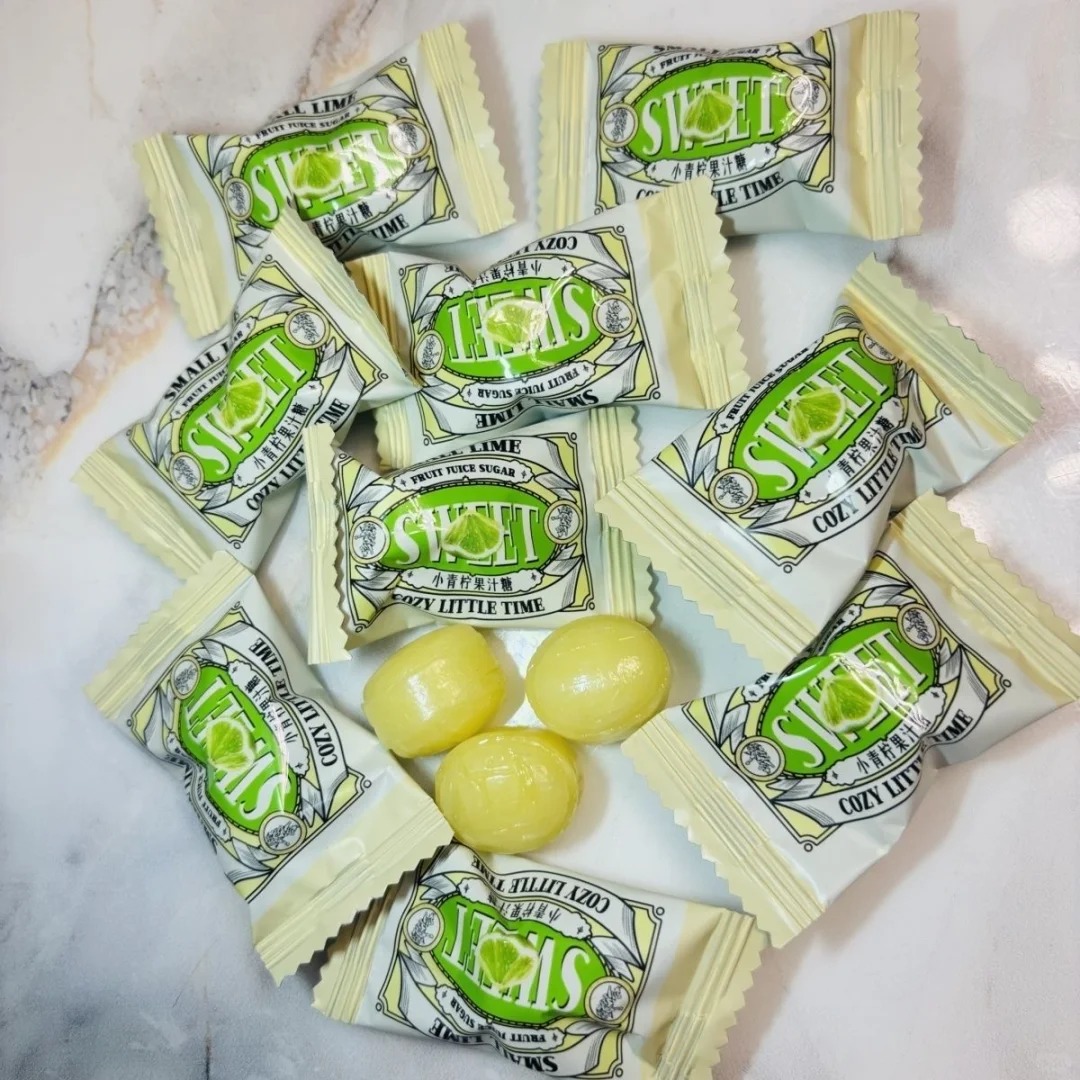
Flat pouches (three-side seal) are generally used only for single-dose liquid packaging, such as soy sauce sachets and shower gel samples, with capacities of 5 to 30 grams. This format places extremely high demands on the puncture resistance and anti-penetration performance of the film, because the seal area is small and the contact area with liquid is proportionally large. When planning export shipments of liquid pouches, remember that sea and air freight impose different packaging requirements; our guide on export packaging design for sea, air and courier shipping covers the essentials.
Three Quality Tests for Liquid Packaging Bags
Liquid packaging bags must pass three types of testing before mass production. The first is seal integrity testing (leak testing): hold the pouch under a set pressure for a specified time and confirm that the seals do not leak. This is the most critical indicator for liquid packaging. The second is drop and stacking testing: simulate transport and warehousing to verify the integrity of the pouch under the impact of liquid weight. The third is media resistance and migration testing: fill the pouch with the actual liquid (or a simulant) and store it at elevated temperature for a set period, then measure overall migration and sensory changes to ensure the liquid flavour is not altered and no harmful substances are released from the material.
In addition, watch the filled appearance of the pouch. Liquids have a high specific gravity, which makes pouches “belly out” after filling. By adjusting the bottom structure and film stiffness, you can keep the filled pouch looking neat on the shelf.
Summary and Recommendations
How to choose liquid packaging bags comes down to a simple logic: first analyse the liquid properties (viscosity, temperature, corrosiveness), then decide the material structure (whether aluminium foil barrier is needed), and finally select the pouch style (spout pouch, stand-up pouch or flat pouch). Whatever the style, the three tests of seal integrity, drop resistance and media resistance are non-negotiable. For liquids that need a long shelf life, prioritise a spout pouch with aluminium foil; for fast-moving products on a tight budget, a PET/PE stand-up pouch is the cost-effective choice.
OMOpack has years of experience in liquid packaging and offers a full range of solutions from spout pouches to stand-up pouches, with free sampling. Contact us for selection advice: contact OMOpack.
Visit OMOpack.com for more packaging knowledge and industry insights.