High-Barrier Packaging Materials Explained: Which Products Need “High Barrier”
In the food packaging industry,high-barrier packaging materials high-barrier packaging materials are the key technology for long-term food freshness. “High barrier” means the material blocks oxygen, water vapor, aroma and light extremely well. So which products need high-barrier packaging? What types of high-barrier materials exist? This article answers each question.
1. What are high-barrier packaging materials?
high-barrier packaging materials are packaging materials with extremely low oxygen transmission rate (OTR) and water vapor transmission rate (WVTR). Materials with OTR below 5 cm³/(m²·24h·atm) are generally called high-barrier. The core purpose of high-barrier packaging is maximizing shelf life while preserving flavor and nutrition. Ordinary polyolefins like PE and PP barrier poorly, while foil, EVOH and PVDC perform excellently.
In practice, a single high-barrier material rarely satisfies processing, cost and other performance needs at once, so laminates are the norm. In multi-layer structures, for example, EVOH sits as a barrier layer between PE or PP substrates, combining barrier with heat sealing. For more on laminates, refer toFood-contact materials guide。
2. Mainstream high-barrier materials and their features
The most widely used high-barrier packaging materials on the market include:
1. Aluminum foil
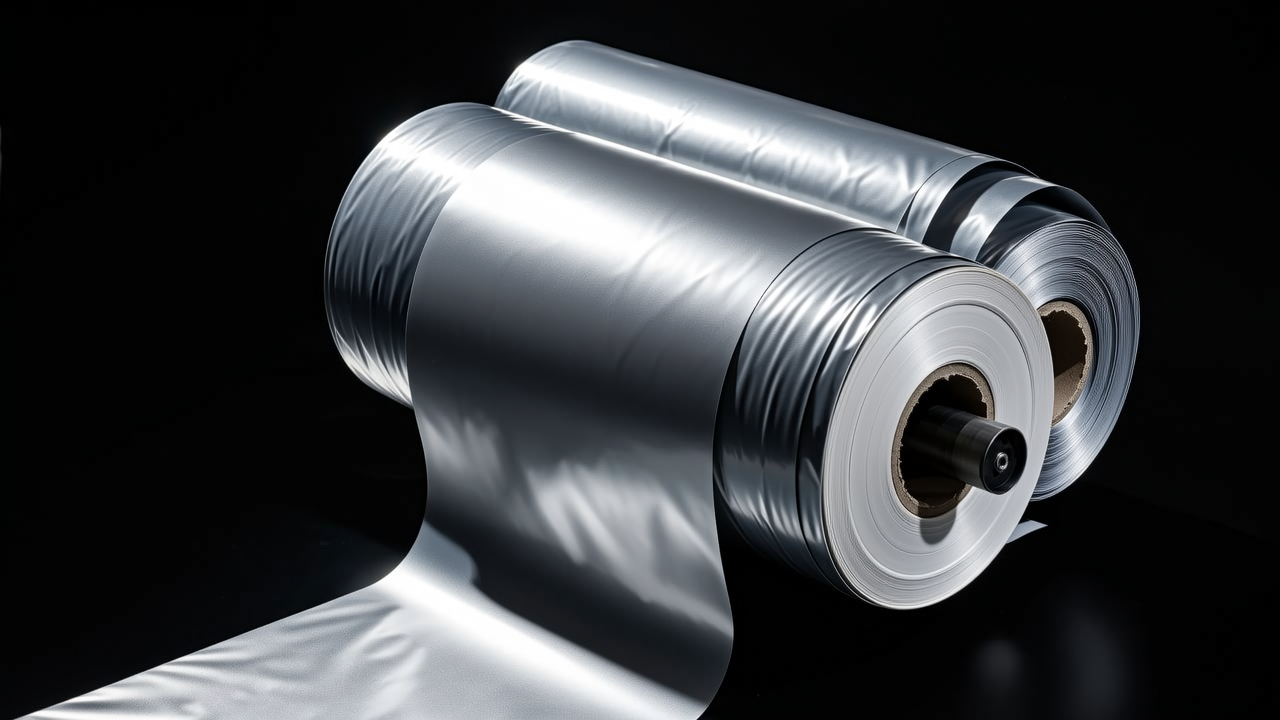
Foil is the best barrier, blocking almost all oxygen, water vapor and light. Its OTR approaches zero — the first-choice barrier for coffee powder, milk powder, pharmaceuticals and other products needing long-term preservation. Foil’s limits: creases into pinholes, opaque so the product cannot be displayed. Foil is usually laminated with PE, PET, etc.
2. EVOH (ethylene-vinyl alcohol copolymer)
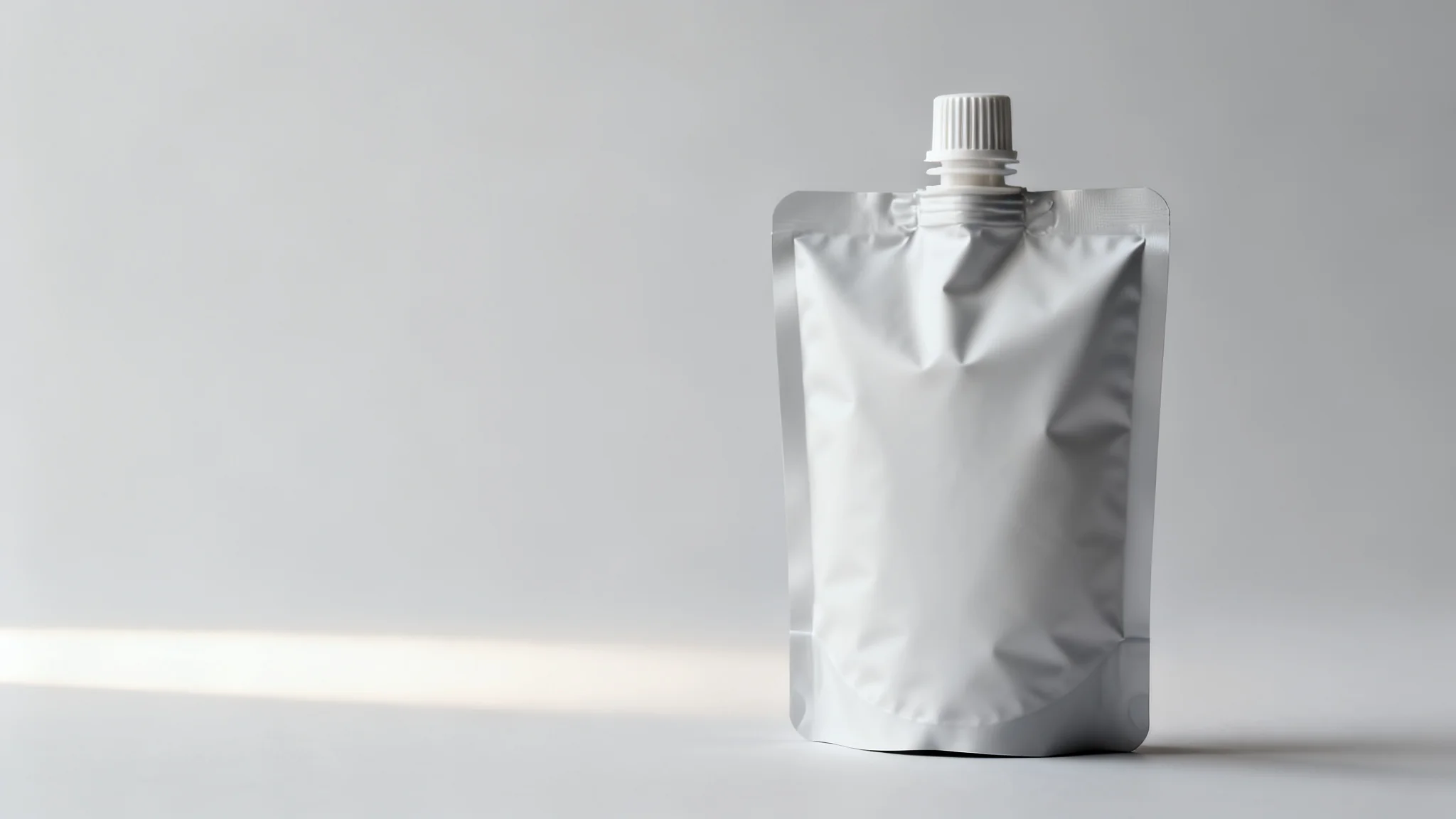
EVOH is recognized as one of the best organic high-barrier materials, with outstanding oxygen and aroma barrier. Its barrier depends heavily on humidity — dropping in high-moisture environments — so it is usually sandwiched between PE or PP layers as a middle barrier layer. EVOH is widely used in retort pouches, meat packaging and sauce packaging.
3. PVDC (polyvinylidene chloride)
PVDC offers excellent water vapor and oxygen barrier that does not vary with humidity — the classic material for ham sausage casings. PVDC’s environmental friendliness draws growing concern: it contains chlorine, and incineration may release harmful gases, though recycling and reuse technology keeps improving.
4. Metallized film
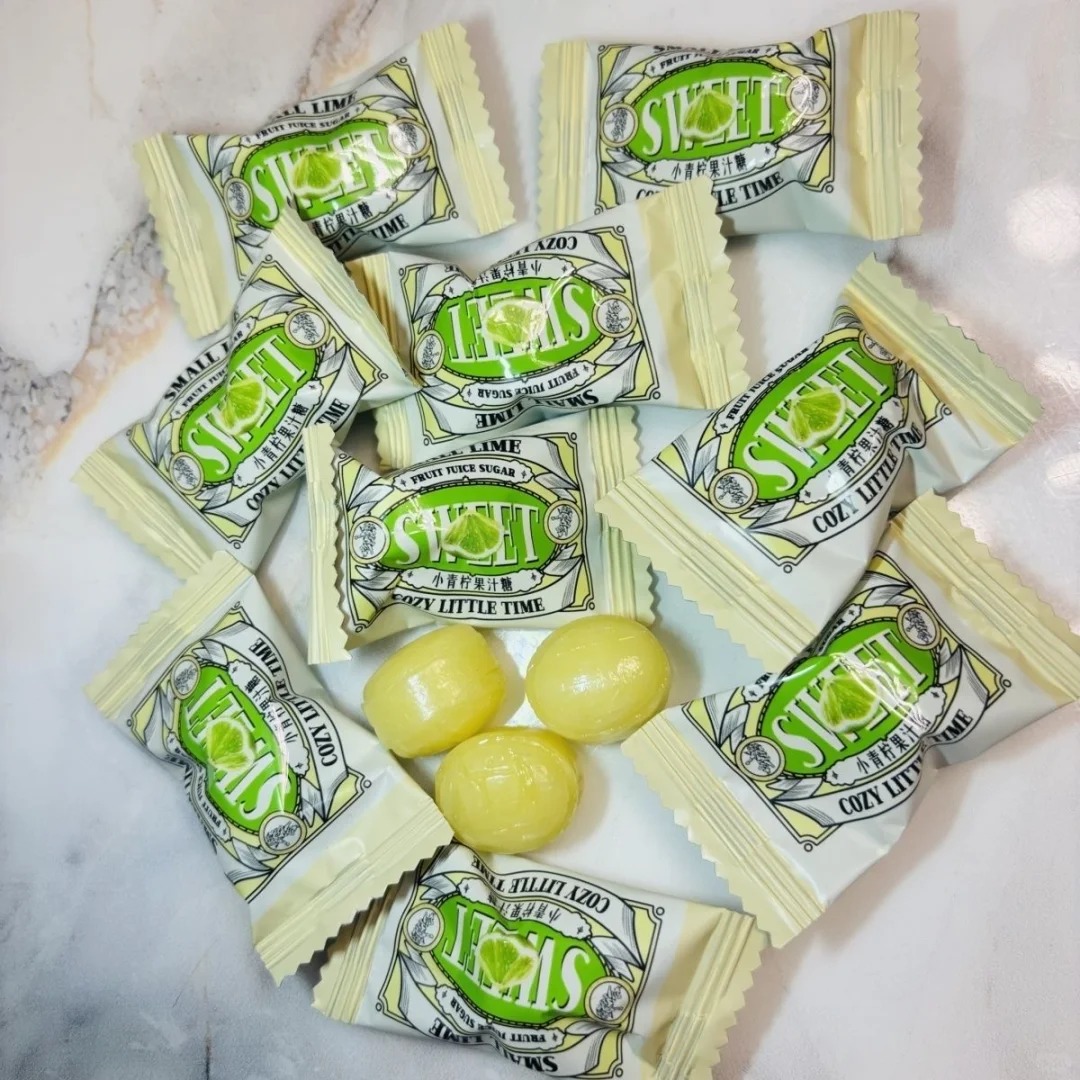
Metallized film is a PET or BOPP film with an ultra-thin aluminum layer vacuum-deposited on its surface — barrier between foil and transparent film. It costs less than foil and has a metallic sheen, widely used in snack and gift packaging.
3. Product categories needing high-barrier packaging
The following categories usually requirehigh-barrier packaging materials:
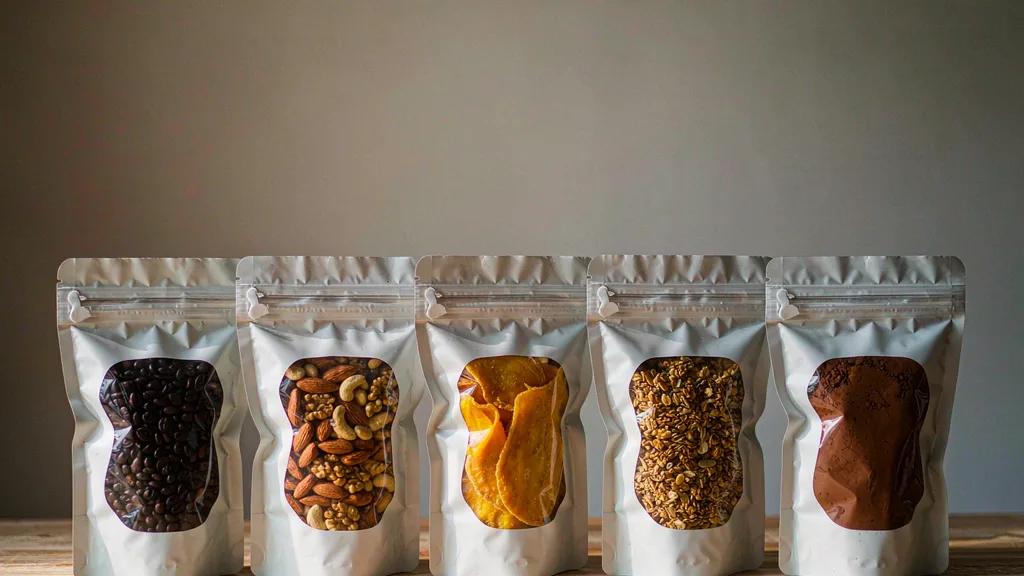
- Coffee and coffee products: coffee beans and powder are extremely oxygen-sensitive, needing foil or EVOH high-barrier packaging with a one-way degassing valve. Coffee releases large amounts of CO2 within 48 hours of roasting, so the packaging must block outside oxygen while venting internal gas.
- Tea and premium foods: green, black and oolong teas easily absorb moisture and odors — high-barrier packaging is key to preserving tea quality.
- Milk powder and baby food: infant formula is extremely sensitive to oxygen and moisture, usually packed in foil pouches or metal cans. For related standards, refer toComplete Guide to Aluminum Foil Pouches。
- Meat and meat products: vacuum-packed or modified-atmosphere meat products need high-barrier packaging to prevent oxidative spoilage.
- Pharmaceuticals and supplements: tablets, capsules and supplements demand extreme moisture and light protection, usually using aluminum-plastic blister packs or foil pouches.
- Sauces and seasonings: ketchup, chili sauce and other seasonings are rich in oils and spices, needing high-barrier packaging to prevent oxidation and flavor loss.
4. Cost and selection of high-barrier packaging
Usinghigh-barrier packaging materials usually raises packaging cost, but the waste reduction from longer shelf life often offsets the investment. When choosing high-barrier packaging, consider:
- Product shelf-life requirements: the longer the shelf life, the higher the barrier requirement
- Storage conditions: ambient storage needs higher barrier; cold-chain storage is relatively less demanding
- Cost budget: foil offers the highest barrier but also the highest cost; EVOH is the compromise; metallized film offers the best value
- Transparency needs: choose transparent EVOH barrier to display the product; choose foil when display is not needed
- Environmental requirements: recyclable mono-material solutions (e.g. all-PE + EVOH) will be the future trend
As consumers demand longer shelf life and higher quality, high-barrier packaging demand will keep growing. Mono-material high-barrier technology in particular is advancing fast, promising better recyclability while maintaining barrier performance.
Need custom high-barrier packaging for your product? Contact OMOPACK, our technical team can provide an optimized high-barrier packaging solution based on your product characteristics, shelf-life requirements and budget. Visit our international site OMOpack.com for more packaging technology information.