In food packaging customization,How to choose flexible packaging materials choosing flexible packaging materials is the top challenge buyers face. Common flexible packaging materials — PE, PP, PET, PA (nylon) and foil — each have unique properties and applications. This article details the 5 major materials to help you choose packaging wisely.
1. PE (polyethylene) — the most versatile flexible packaging material
PE is the most-used flexible packaging material, with good flexibility and heat sealing. LDPE (low-density polyethylene) is soft and transparent — the first choice for the heat-seal layer of laminates; HDPE (high-density polyethylene) is stiffer, often used for shopping bags and frozen food packaging. PE performs excellently in cold, staying flexible below -18°C — ideal for frozen food packaging. PE is relatively cheap with high value, the base material of most food packaging.
PE’s main limits: poor heat resistance (melting point about 110°C) — not for retort packaging — and average barrier, easily passing oxygen and moisture. PE is therefore usually laminated with PET, PA or foil. To understandHow to choose flexible packaging materials flexible packaging materials, first note that almost no single material meets every requirement — lamination is the mainstream solution.
2. PP (polypropylene) — the ideal choice for high heat
PP’s standout advantage is heat resistance — melting point about 160°C, withstanding 121°C retort sterilization. CPP (cast polypropylene) offers high transparency and good sealing — the core material for retort pouches and microwaveable food packaging. BOPP (biaxially oriented polypropylene) is strong with excellent printability, widely used as the outer print layer of laminates.
PP’s limits: it turns brittle in the cold, unsuitable for freezing environments, and it is less flexible than PE with lower tear strength. InHow to choose flexible packaging materials material selection, if the product requires high-temperature sterilization or microwave heating, PP should be one of the first choices. More food packaging material knowledge can be found inFood-contact materials guide。
3. PET (polyester) — the first choice for transparency and strength
PET is known for excellent transparency, high strength and good barrier. PET film’s clarity approaches glass — ideal for packaging that displays the product. PET barriers oxygen and CO2 well, making it a preferred material for beverage bottles and vacuum packaging. In laminates, PET usually serves as the outer layer, providing printability and structural strength.
PET’s limits: poor heat resistance (crystallizes and turns brittle when heated) and weak heat sealing — it must be laminated with sealing materials like PE or CPP. InHow to choose flexible packaging materials material selection, if the product needs strong shelf display, PET is an excellent outer-layer choice.
4. PA (nylon) — the “hidden champion” of puncture resistance
PA nylon is not the most-used flexible packaging material, but it is irreplaceable in specific scenarios. PA’s standout strengths are puncture and oil resistance — ideal for food with sharp contents like bones and shells. PA barriers oxygen and aroma better than PE and PP, and handles high heat, so it works in retort packaging. PA is usually laminated with PE, combining PE’s sealing with PA’s puncture resistance in complementary strengths.
5. Aluminum foil — the ultimate barrier solution
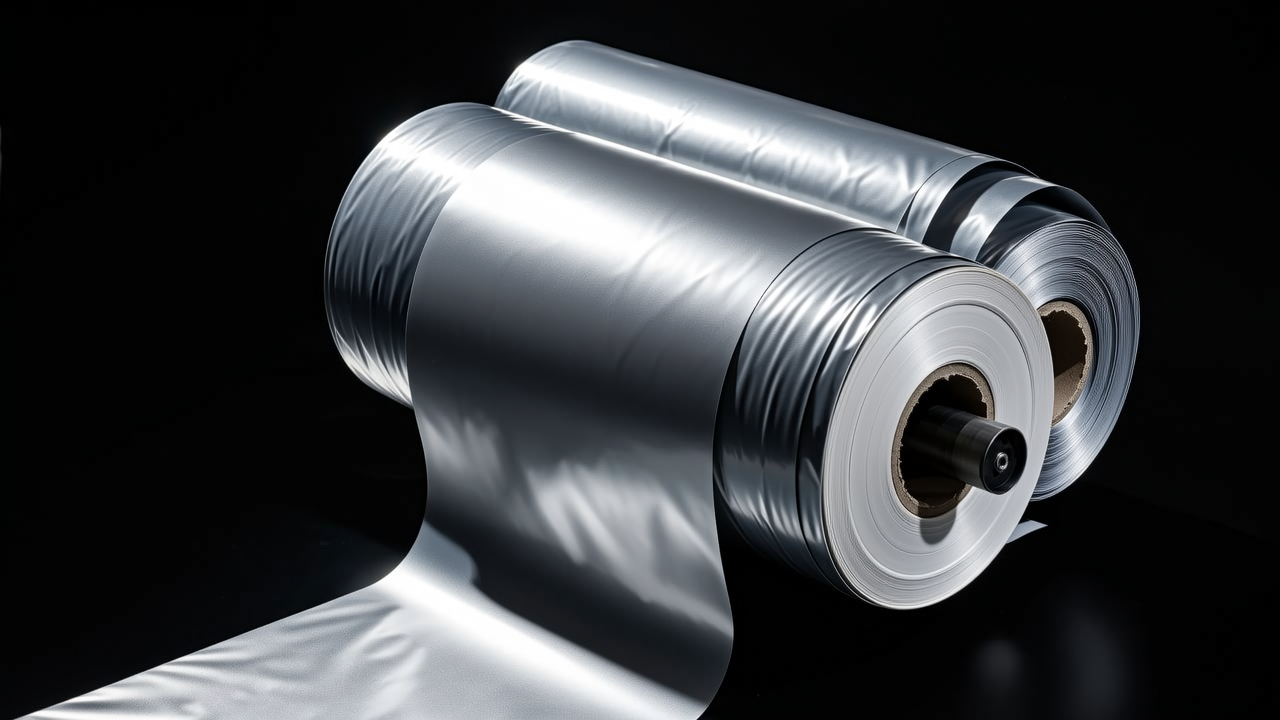
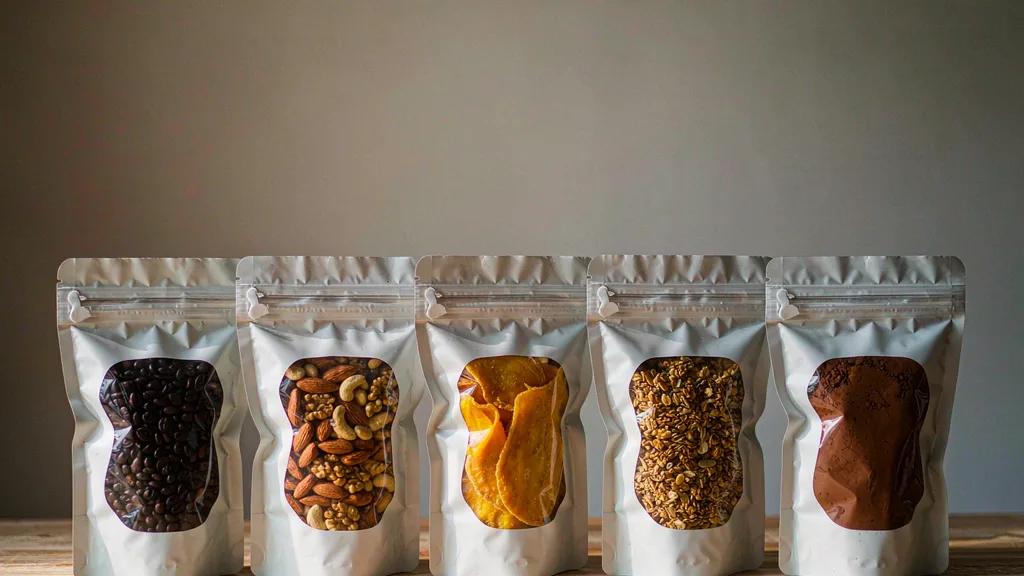
Foil is the best barrier of all flexible packaging materials, blocking almost all oxygen, water vapor and light. Foil packaging maximizes food shelf life, suiting extremely oxygen-sensitive foods. Foil’s limits: it creases into pinholes and cannot heat-seal — it must be laminated with plastic film. Foil pouches are common for coffee powder, tea, milk powder and pharmaceuticals needing long-term preservation.
For more on foil pouches, refer to ourComplete Guide to Aluminum Foil Pouches。
6. A decision method for flexible packaging material selection
SummaryHow to choose flexible packaging materials decision logic can follow these steps:
- Determine the use temperature: frozen — choose PE; ambient — several materials work; high heat — choose PP or PA
- Analyze the contents’ characteristics: oily foods need oil resistance; sharp foods need puncture resistance
- Assess shelf-life requirements: long shelf life needs high-barrier materials like foil or EVOH
- Consider the packaging format: stand-up, three-side seal and zipper pouches have different material requirements
- Calculate packaging cost: combine material cost, processing cost and shipping cost
There is no standard answer in flexible packaging material selection — the key is finding the solution that best fits the product. Most high-quality food packaging uses 2-4 layer laminates, leveraging each material’s strengths.
Still struggling with flexible packaging material selection? Contact OMOPACK, our technical team can provide professional material selection advice and free sample testing. Welcome to visit Huasu Packaging for more packaging solutions. Visit our international site OMOpack.com for packaging knowledge in English.