

vacuum-bag-material-guide

What Material Should Vacuum Pouches Use? Barrier Layer Selection Is the Key to Vacuum Packaging Success

What Materials Are Used in Vacuum Pouches? Barrier Layer Choice Is the Key to Vacuum Packaging Success

What materials are used in vacuum pouches directly determines the fresh-keeping effect and service life of vacuum packaging. Many customers new to vacuum packaging assume any plastic bag can be vacuum sealed — then end up with leaks or substandard shelf life. As a professional vacuum pouch manufacturer, we want to explain this clearly from the material structure perspective: the core of a vacuum pouch is not the “vacuuming” action itself, but the choice of barrier layer material. This article breaks down common vacuum pouch material combinations, the role of each layer, and how to choose for different foods.
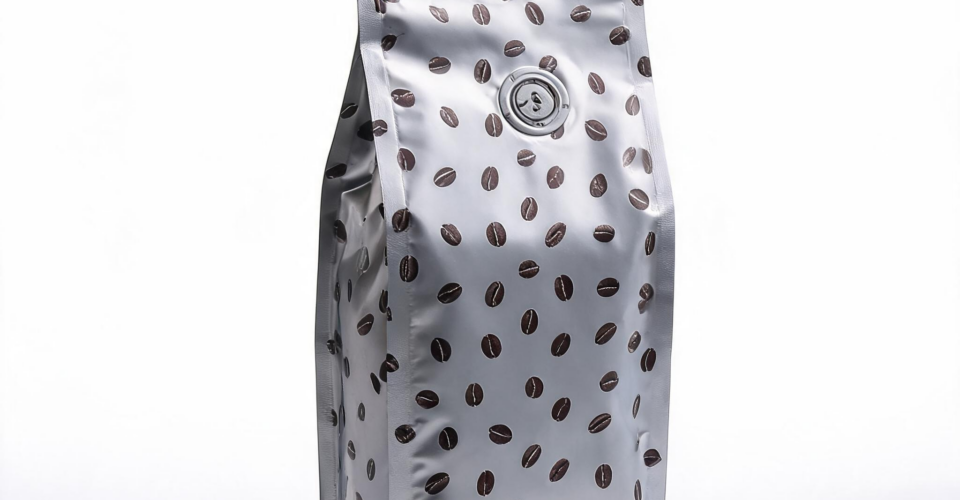
The Complete Guide to Coffee Pouches: How to Choose Coffee Bean Packaging and Why the Degassing Valve Is the Soul

The Complete Guide to Coffee Pouches: How to Choose Coffee Bean Packaging and Why the Degassing Valve Is the Soul

The coffee pouch is the most worthwhile part of a coffee brand’s packaging investment. The same specialty coffee beans, packed in an ordinary plastic bag versus a professional coffee bean pouch, will differ dramatically in flavor preservation. Many new coffee brands ask: how do I choose a coffee pouch? Why do most coffee pouches on the market have a small round valve? What exactly does the degassing valve do? From a flexible packaging factory perspective, this article clearly explains coffee pouch structure, materials, degassing valve principles and buying points to help you choose right the first time.

Resealable Pouches and Heat-Sealed Pouches Fully Explained: What’s the Difference from Zipper Pouches?

What are resealable pouches and heat-sealed pouches? Basic concepts

Resealable pouches and heat-sealed pouches are among the most common flexible packaging forms in daily life, widely used for food, daily necessities, electronics and more. Although the two pouch types share functional similarities, they differ clearly in structural design, sealing principle and suitable scenarios. This article gives a complete explanation of the features, differences and buying points of resealable and heat-sealed pouches. Resealable pouches (also called zipper pouches or press-lock pouches) seal through a built-in male-female interlocking structure at the pouch mouth. Common resealable pouches come in press-to-close and slider types: press-to-close pouches require pressing along the zipper to seal.

Why Are 8-Side Seal Flat Bottom Pouches So Popular? Structural Advantages and Market Analysis

Why Are 8-Side Seal Flat Bottom Pouches So Popular? A Full Analysis from Structure to Market

In the packaging market of recent years, the 8-side seal flat bottom pouch (also called 8-side seal pouch or flat bottom pouch) is one of the most eye-catching pouch types. From specialty coffee beans to premium snacks, from pet food to tea gift boxes, 8-side seal flat bottom pouches are almost everywhere. Why has this pouch type quickly become the industry’s “hot favorite”? Where exactly are its structural advantages? Which products suit it? This article fully analyzes the popularity of 8-side seal flat bottom pouches from four dimensions: structure, shelf performance, user experience and production process.

Low-Temperature Frozen Packaging Materials: The Shield from Cold Storage to Home Freezer

Low-Temperature Frozen Packaging Materials: Full-Chain Protection from Cold Storage to Home Freezer

With the rapid growth of prepared meals, frozen food and cold-chain logistics, demand for low-temperature frozen packaging materials is growing fast. From the production workshop to cold storage, from cold storage to transport vehicles, and finally to the consumer’s freezer, packaging materials face multiple challenges including low-temperature embrittlement at -18°C or even -40°C, moisture permeation and mechanical impact. This article explains the technical essentials, material selection and testing standards of low-temperature frozen packaging to help food companies build reliable frozen packaging solutions.

PA Nylon Pouches: The Hidden Champion of Retort Packaging

What Are PA Nylon Pouches? Uncovering the “Hidden Champion” of Retort Packaging

In the food flexible packaging field, one material is rarely seen directly by consumers yet plays an irreplaceable role behind countless heat-sterilized foods — this is PA (polyamide, commonly known as nylon) film pouches. With outstanding heat resistance, puncture resistance and oil resistance, PA nylon pouches have become the first choice for retort packaging and packaging for foods with bones or sharp edges. The core material of PA nylon pouches, polyamide, is an engineering plastic whose molecular chains contain amide groups that form strong hydrogen bonds, giving the material excellent mechanical properties.

Vacuum Pouches: Principles, Materials and Buying Guide

Vacuum Pouches: Principles, Materials and Buying Guide

Vacuum pouches are one of the most common packaging forms in daily life — from cured sausage in the supermarket to frozen seafood delivered by e-commerce, from household vacuum fresh-keeping bags to large industrial vacuum pouches. Vacuum packaging extends food shelf life by extracting air from the pouch, but do you know how critical the material selection is? This article fully explains the principles, material selection and usage tips for vacuum pouches.

How to Choose Baby Food Packaging Materials? How Much Stricter Are the Safety Standards Than Adult Food?

How to Choose Baby Food Packaging Materials? How Much Stricter Are the Safety Standards Than Adult Food?

Babies’ organs are not fully developed, and their immune and metabolic systems are far more fragile than adults’, making them more sensitive to chemicals that may migrate from food contact materials. Choosing the right baby food packaging materials is therefore critical, and the safety standards are far stricter than for adult food. Both Chinese national standards and international standards impose additional safety requirements and testing items for baby food packaging. Understanding these differences not only helps food companies produce compliantly, but is a basic safeguard for infant health.

Innovation Trends in Home & Personal Care Flexible Packaging: From Functionality to Sustainability

Innovation Trends in Home & Personal Care Flexible Packaging: From Functionality to Sustainability

The flexible packaging market for home & personal care products (laundry detergent, shampoo, body wash, etc.) is undergoing unprecedented change. Consumers’ multiple demands for convenience, aesthetics and eco-friendliness are driving home & personal care flexible packaging from single-function toward multi-functional, intelligent and sustainable development. This article explores the latest innovation trends in home & personal care flexible packaging, providing valuable reference for industry practitioners.

Are There Low-Cost Options for Small-Batch Custom Packaging? 5 Options Compared

Low-Cost Options for Small-Batch Custom Packaging? 5 Options Compared

In the startup or new-product trial stage, many brands face a common challenge: the high cost of small-batch custom packaging. Traditional custom packaging usually has a high MOQ — from thousands to tens of thousands of units — which is a heavy burden for small and medium businesses and startups with limited budgets. So is there a low-cost way to do small-batch custom packaging? The answer is yes. This article systematically compares 5 viable low-cost customization options to help you get professional-quality packaging within budget.

Please enable JavaScript in your browser to complete this form.
=