Nut Packaging Bags: Why Nitrogen Flush Is a Must
Nut Packaging Bags: Why Nitrogen Flush Is a Must
Nut packaging bags have one job above all others: keeping oxygen away from the product. Nuts are packed with unsaturated fats that oxidize quickly, wh

OMOPACK-Plastic Packaging Factory | Flexible packaging manufacturer
Flexible packaging manufacturer
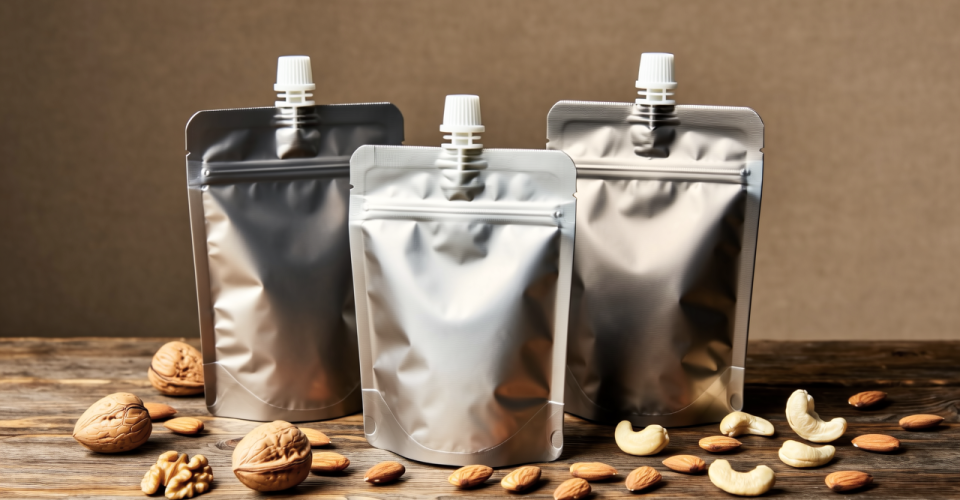
Nut Packaging Bags: Why Nitrogen Flush Is a Must
Nut packaging bags have one job above all others: keeping oxygen away from the product. Nuts are packed with unsaturated fats that oxidize quickly, wh
Mono-material PE pouches deliver coffee and food freshness while staying recyclable. Learn how mono-PE structures work, how they compare to foil laminates, and how to choose the right supplier.
Baby Food Packaging: Complete Guide to Safety Standards
Baby food packaging is never just a stricter version of ordinary food packaging. Because infants have immature metabolic systems and a much low
What Is Nitrogen-Flush Packaging? Why Does Coffee Need Nitrogen Flush Freshness Preservation?
When buying coffee beans, you may notice many specialty coffee pouches are puffed up like balloons — that is nitrogen-flush packaging. Nitrogen flushing is a packaging process that injects high-purity nitrogen into the pouch before sealing, displacing oxygen and then sealing. For oxygen-sensitive products like coffee, nitrogen flushing is the core means of extending shelf life and preserving flavor. This article explains the principle of nitrogen-flush packaging and why coffee depends on it.
Vacuum Packaging Principles: How Long Does Vacuuming Preserve Freshness? Explained in One Read
The principle of vacuum packaging is not complicated: remove the air inside the pouch to create a low-oxygen environment, inhibiting microbial growth and food oxidation. But many people ask: how long can vacuuming preserve freshness? Is all food suitable for vacuum packaging? Starting from the principles, this article explains the fresh-keeping mechanism of vacuum packaging, storage duration, pouch materials and usage precautions to help you use vacuum packaging correctly.
The Complete Guide to Custom Coffee Pouches: How to Choose Materials, Pouch Types and Processes
Custom coffee pouches are an unavoidable step for coffee brands from startup to scale. A good coffee bean pouch must both lock in the coffee’s aroma and freshness and carry the brand’s visual image on the shelf. Faced with many combinations of materials, pouch types and processes, many brands do not know where to start. Based on the actual needs of coffee packaging, this article lays out the complete decision path for custom coffee pouches to help you choose right the first time and avoid repeated sampling and trial and error.
High-Temperature Packaging Materials: From 121°C Retort to Microwave Heating
High-temperature packaging materials are among the most technically demanding and widely used functional packaging in the food industry. From 121°C retort sterilization of canned food to ready-meal trays heated directly in the microwave, different high-temperature scenarios impose completely different requirements on packaging materials. This article systematically sorts out the classification, selection logic and common misconceptions of high-temperature packaging materials to help buyers make the right decisions.
What Is the Safest Material for Food Packaging Pouches? A Factory Practitioner Tells the Truth
“What is the safest material for food packaging pouches?” is one of the most asked questions by consumers and buyers. As a frontline practitioner in a flexible packaging factory, I first want to correct a misconception: there is no absolutely “safest” material — only the “most suitable” combination. Safety depends on whether the material itself is compliant, whether it is produced to standard processes, and whether it matches the actual characteristics of the food. This article explains the safety logic of food packaging materials from a factory perspective.
The Truth About Bisphenol A (BPA): Which Packaging Is at Risk and How to Avoid It
BPA is one of the most discussed topics in food packaging in recent years. From plastic water cups to the inner coating of cans, the “BPA hazard theory” has made many consumers wary of plastic packaging. As a flexible packaging factory, we want to clarify this topic in one article: where exactly does BPA hide in packaging, how big is the risk, and how to avoid it at the source. A rational understanding of BPA matters more than blind panic.
How to Choose Pet Food Pouches? 5 Key Points for Cat and Dog Food Packaging
Pet food is one of the fastest-growing consumer categories in recent years, and the pet food pouch — as the “second salesperson” — directly affects shelf life, shelf appeal and repurchase rate. Cat and dog food are high in oil content and rich in nutritionally active ingredients, so their packaging barrier, sealing and safety requirements are even higher than some human foods. How do you choose pet food pouches professionally? We build a complete selection framework from five key points. If you are not yet familiar with pouch type design, you can start with our complete stand-up pouch guide.