Nut packaging bags have one job above all others: keeping oxygen away from the product. Nuts are packed with unsaturated fats that oxidize quickly, which is why nitrogen flush has become the industry standard rather than a premium extra. This guide explains why nuts spoil, what film structures protect them, how nitrogen flushing works, and how to choose the right nut packaging bags for your brand.
Why Do Nuts Spoil So Fast?
Nuts contain 45 to 70 percent fat, most of it unsaturated. When unsaturated fatty acids meet oxygen, they oxidize — the chemical reaction that produces rancid flavors and destroys vitamin E and other nutrients. Light accelerates the process, and moisture causes softening and mold growth. In open storage at room temperature, most nuts keep for only one to three months. With a high-barrier bag plus nitrogen flushing, shelf life extends to twelve months or more.
That is why the four pillars of nut packaging are oxygen barrier, light protection, moisture control, and gas flushing. Miss any one of them and the shelf life shrinks fast, no matter how fresh the nuts were at filling.
Best Film Structures for Nut Packaging Bags
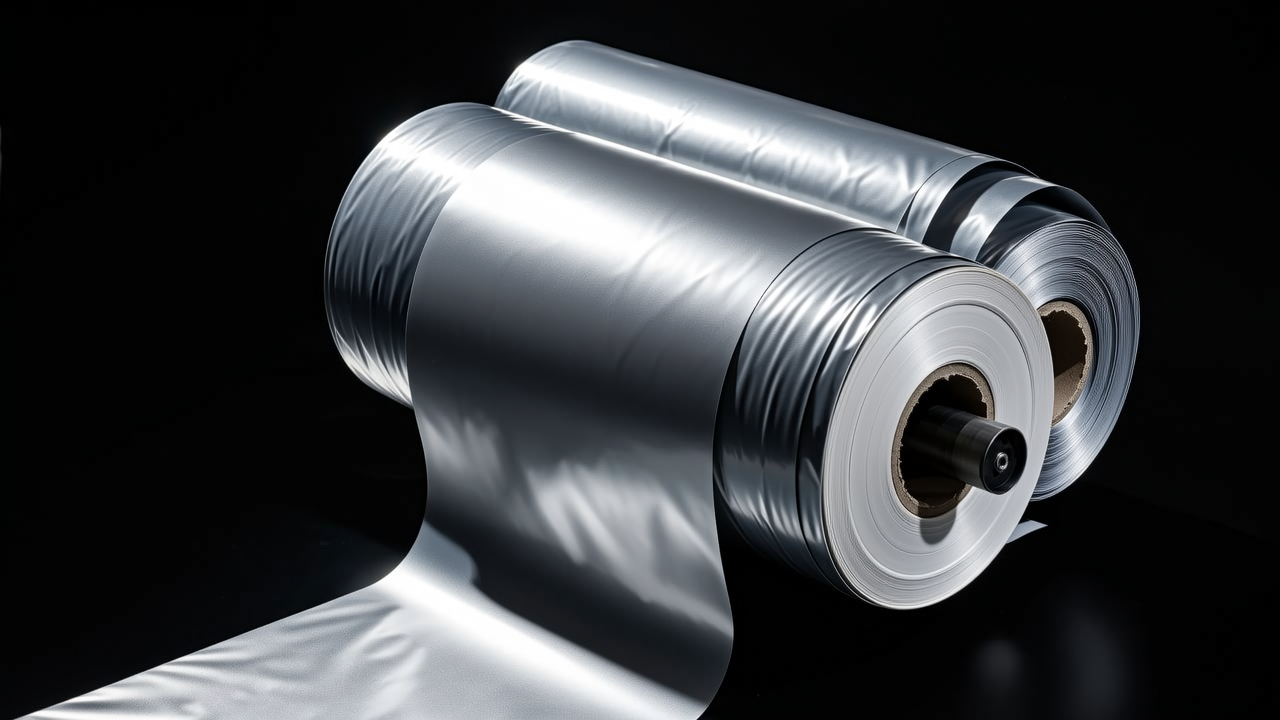
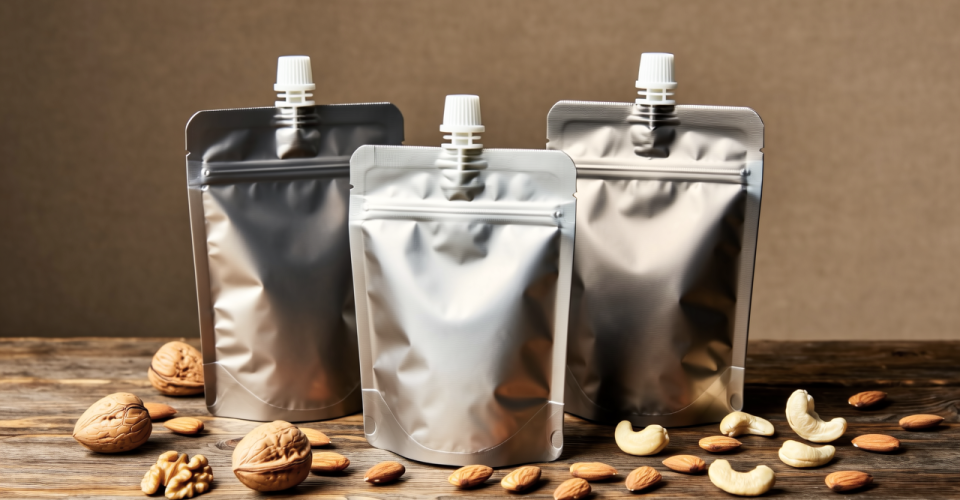
Nut packaging bags are almost always multi-layer laminates. The premium option is PET/AL/PE: the aluminum foil layer provides outstanding barrier against oxygen, light, and water vapor, making it the right choice for gifting lines and long shelf-life products. The economical option is a metallized structure such as PET/VMPET/PE, which delivers good barrier performance at a lower cost for fast-moving consumer goods.
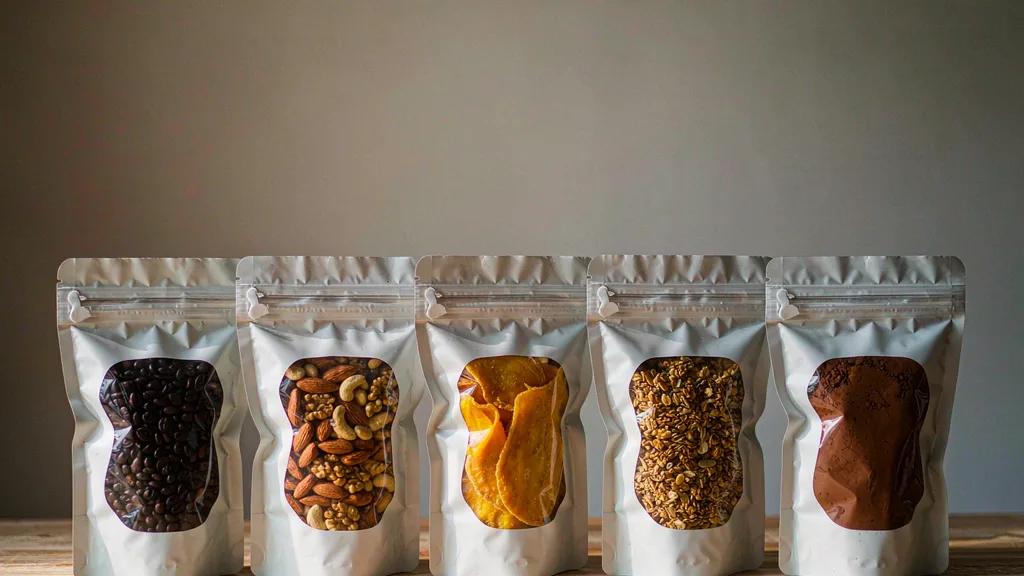
Closures matter just as much as the barrier. Many nut bags add a zipper or a stand-up bottom for reclosure and shelf display; for a full rundown of zipper pouch options, see our food packaging guide for related structure and safety considerations. Regardless of structure, heat-seal strength must be verified — a weak seal quietly destroys the nitrogen flush effect and lets oxygen creep in over time.
How Nitrogen Flush Works
Nitrogen flushing replaces the air inside the bag with nitrogen before sealing, pushing residual oxygen below 2 percent. Nitrogen is inert, tasteless, and safe for food contact, so it does not react with the nuts. It also creates a slight positive pressure inside the bag, which makes the package look full and attractive on the shelf.
In practice, nitrogen flushing is often paired with an oxygen absorber: the flush removes most of the oxygen, and the absorber mops up the remainder, pushing residual oxygen below 0.5 percent. This dual approach is the same logic used in coffee packaging, and it is the most reliable way to protect oxygen-sensitive products during long distribution cycles.
How to Choose Nut Packaging Bags
Work through four decisions. First, set the shelf-life target: twelve months or more calls for an aluminum foil structure; six months or less can use metallized film. Second, define the residual oxygen requirement — typically below 2 percent after flushing, and lower for premium products. Third, verify sealing and leak performance with factory test data rather than trusting a sample photo. Fourth, choose the bag format: stand-up pouches, zipper pouches, and easy-tear designs all affect shelf appeal and repeat purchases. If your target market is export, regulatory differences can influence material choices, so check our comparison of US and EU packaging requirements before finalizing the structure.
Summary and Recommendations
Nut packaging bags live or die by four factors: oxygen barrier, light protection, moisture control, and nitrogen flushing. Aluminum foil structures are the safest choice, nitrogen plus oxygen absorbers is the strongest gas strategy, and the bag format should follow your sales channel. Always run a sample with accelerated shelf-life testing before committing to mass production — real data beats marketing claims.
OMOpack offers end-to-end customization of nut packaging bags, from material selection and structure design to nitrogen-flush process validation, with low minimum order quantities and free sampling. Reach out through our contact page, or explore more solutions on our Chinese site at omopack.com.