Among packaging materials for food and home & personal care products,foil pouches have long been synonymous with premium packaging. From specialty coffee beans to premium supplements, from baby food to pharmaceuticals, foil pouches are everywhere. This article analyzes foil pouches’ core advantages, main types and buying points from the dimensions of materials science and real application. To learn morePackaging Knowledge, visit the OMOPACK knowledge base.
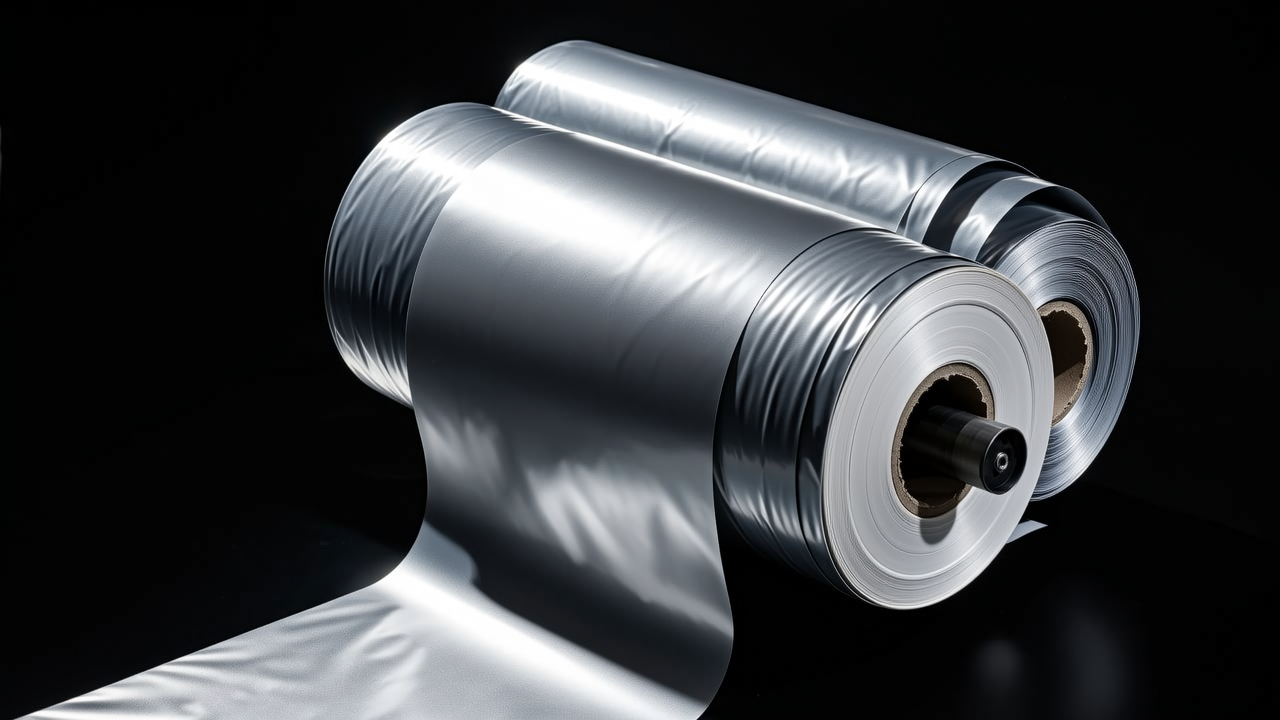
A foil pouch is a laminated pouch using aluminum foil as the barrier layer, typically built from multiple film layers via lamination. A typical structure: outer layer (PET or PA for printing and strength), middle layer (foil for barrier) and inner layer (PE or CPP for heat sealing). This multi-layer structure gives foil pouches their unique all-round performance. Welcome toContact OMOPACK get foil pouch samples and quotes.
Three core advantages of foil pouches
Foil pouches are so widely used in premium packaging thanks to three advantages:
First, ultimate barrier performance.Foil is among the best barrier options of all food packaging materials. Pure aluminum’s oxygen transmission rate (OTR) can drop below 0.1 cm³/m²·24h·atm and water vapor transmission rate (WVTR) below 0.1 g/m²·24h. Foil pouches can therefore block almost all oxygen, moisture and harmful gases, maximizing product shelf life.
Second, complete light protection.Many food components are extremely light-sensitive — light accelerates fat oxidation, destroys vitamins and destabilizes pigments. Foil pouches are completely opaque, providing an absolute “dark” environment for light-sensitive products. Compared with transparent packaging using UV absorbers, foil pouches offer more thorough, stable light protection unaffected by material aging.
Third, a premium brand image.Foil pouches’ unique metallic texture and gloss effectively boost shelf appeal. They are not just protective material but a carrier of brand image. Many premium brands choose foil pouches precisely because they convey a high-quality, high-value brand signal.
Main types of foil pouches and their applications
By application needs, foil pouches come in several design variants:
Three-side seal foil pouches are the most common type, suiting powder, granule or lump products such as coffee powder, milk powder and seasonings. The simple three-side seal structure seals reliably — the most economical choice for small-pack mass production.
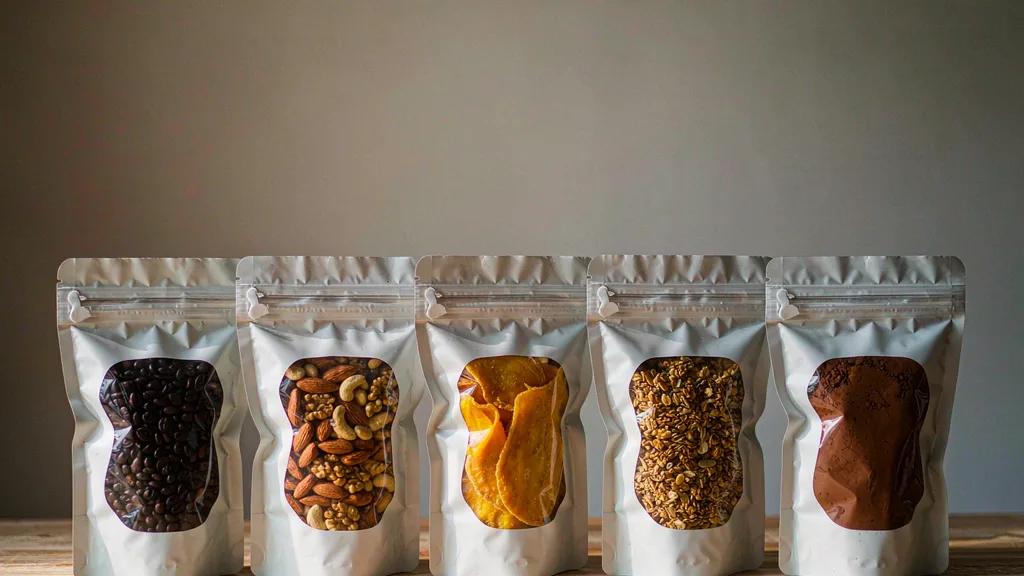
Stand-up foil pouches (with bottom seal) stand upright on the shelf, combining display and practicality. Suitable for products needing shelf display, such as nuts, dried fruit and pet treats. A zipper can be added at the bottom for repeated opening and resealing.
Foil pouches with degassing valves are the standard for coffee packaging. Roasted coffee beans keep releasing CO2; in an ordinary sealed pouch, the gas would burst the bag. The degassing valve vents gas one-way while blocking outside air — preserving coffee freshness and preventing pouch inflation.
Retort foil pouches are purpose-built for ready-to-eat foods needing high-temperature sterilization. The PA/AL/CPP structure keeps packaging integrity and sealing under 121°C high-temperature, high-pressure conditions. Widely used in prepared foods, soup sachets and ready meals.
Common questions in foil pouch customization
During foil pouch customization, buyers often run into these issues:
Minimum order quantity (MOQ).Foil pouch production involves gravure plate-making, lamination, curing and other steps, each with fixed startup/shutdown costs — so independently printed foil pouches typically have MOQs above 5,000-10,000 pieces. Small-batch needs can use digital or gang printing to lower the MOQ.
Seal quality.Sealing a foil pouch melts and bonds the PE or CPP seal layer; if temperature, pressure or time are off, you get weak seals or over-sealing. Foil thickness also affects sealing — overly thick foil blocks heat conduction.
Puncture resistance.Foil has great barrier but limited puncture resistance. If contents have sharp corners (bone fragments, desiccant packs), choose high-strength foil pouches with a PA layer, or add cushioning space in the design.
Foil pouches vs. other high-barrier materials
As packaging technology advances, several foil alternatives have appeared: metallized films (VMCPP/VMPET), PVDC-coated films, EVOH coextruded films and silicon/aluminum oxide deposited films (transparent high-barrier films).
Compared with metallized films, foil pouches offer superior, more stable barrier. The metallized layer has micropores and structural defects, and its barrier drops after long storage or rubbing. Foil’s metal layer is continuous — its barrier does not decay over time.
Against transparent high-barrier films, foil pouches still win clearly on light and oxygen barrier. Transparent high-barrier films (SiOx-coated PET) offer good clarity, but their barrier drops significantly under high heat and humidity, and they currently cost noticeably more than foil laminates.
To be fair, foil pouches have limitations too. Foil-containing pouches cannot go in the microwave, and foil is less recyclable than all-plastic packaging. In some countries, recycling foil laminates poses technical challenges.
Need foil pouch quotes or technical consultation? OMOPACK provides full-process foil pouch customization from selection and design to production.
Contact the OMOPACK Team Now > | EN: Visit Our Website