What is the EU plastic packaging tax?
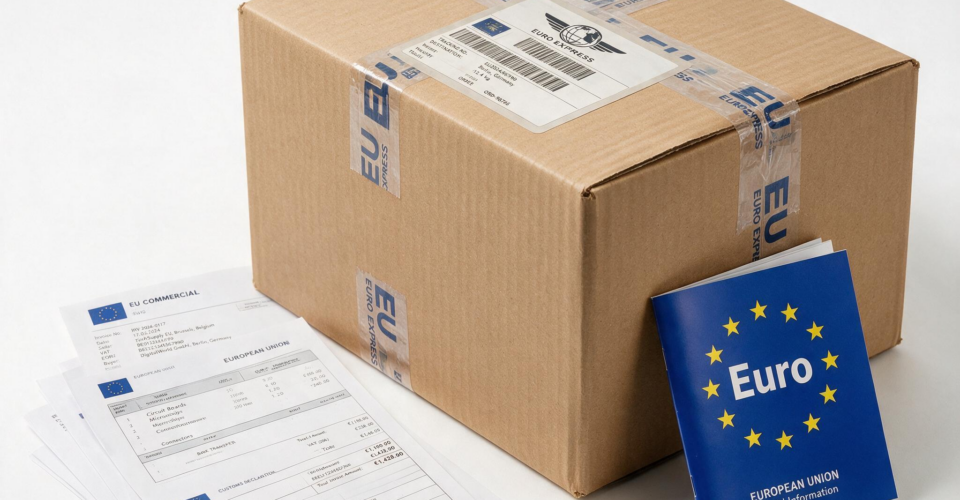
The EU Plastic Packaging Tax took effect on 1 January 2021 — an innovative environmental levy on unrecycled plastic packaging waste. The tax targets not plastic producers or exporters directly, but EU member states, which pay into the EU budget in proportion to their unrecycled plastic packaging waste. The actual tax cost, however, cascades through the supply chain and ultimately affects every business involved in plastic packaging, including Chinese exporters. Understanding how this tax works and its real impact is vital for Chinese companies planning or already exporting to the EU.
The levy rate is EUR 800 per tonne of unrecycled plastic packaging waste. Each member state calculates its liability from total annual plastic packaging waste minus the amount actually recycled. The core purpose is to incentivize member states to raise recycling rates, cut landfilling and incineration, and drive the circular economy. The UK introduced a similar UK Plastic Packaging Tax in April 2022, initially GBP 200 per tonne, later adjusted to GBP 210.82. The UK mechanism resembles the EU’s, targeting plastic packaging produced in or imported into the UK with less than 30% recycled content. SeeGlobal Packaging Regulations Comparison Guide for more.
Real impact on Chinese exporters
The EU plastic packaging tax affects Chinese exporters on multiple levels. The most direct: EU customers may require suppliers to provide packaging with a certain recycled content to lower the customers’ own tax liability in member states. This pushes up export packaging costs — packaging with PCR (post-consumer recycled) material typically costs 15-30% more than virgin-only material, depending on material type and recycled content. Companies also must supply extra compliance documents and test reports proving recycled content and safety. Industry statistics show that since 2024, inquiries from EU customers for eco-friendly packaging have grown about 45% year on year.
In the medium to long term, the EU plastic packaging tax is reshaping competition in the export packaging market. Suppliers able to offer recycled-content packaging hold a clear competitive edge in the EU; those unable to meet environmental requirements risk losing orders. Beyond the tax itself, the EU’s upcoming Packaging and Packaging Waste Regulation (PPWR) will tighten requirements further, including full recyclability or reusability of all packaging by 2030. For Chinese food packaging exporters, adapting to these changes is not just a compliance matter — it is essential to maintaining and improving market competitiveness.
Response strategies for companies
Facing the EU plastic packaging tax, Chinese companies can adopt these strategies. First, transition gradually to packaging with recycled content — start at no less than 30% PCR and raise the ratio over time. Second, optimize packaging design to cut unnecessary plastic and use lightweight designs that reduce material while keeping protection. Third, consider mono-material solutions — all-PE or all-PP structures are easy to recycle and effectively lower customers’ tax burden. Fourth, strengthen communication with EU customers to understand their sustainability goals and compliance requirements, and offer tailored eco-packaging solutions. For more on eco-friendly packaging materials, refer tothe Eco-Friendly Packaging Solutions page。
From a supply-chain management perspective, companies also need traceable material management systems. Proving recycled content requires complete supply-chain traceability documents — supplier certificates, batch records and third-party test reports. Choose certified recycled material suppliers, such as those with GRS (Global Recycled Standard) or ISCC PLUS certification, to simplify downstream customer audits. Companies can also co-develop tailored eco-packaging solutions with customers, controlling cost while meeting compliance.
Future trends
The EU plastic packaging tax is just one example of tightening global plastic packaging regulation. Worldwide, more and more countries and regions are enacting similar eco-packaging rules: Canada’s federal plastics registry, Japan’s Act on Promotion of Plastic Resource Circulation, South Korea’s extended producer responsibility system — all pushing the packaging industry toward sustainability. In this global trend, making environmental compliance part of corporate strategy is not optional; it is mandatory. Companies should closely watch the legislative progress of the EU PPWR, whose new requirements will take effect over the coming years.
For Chinese companies exporting to the EU long-term, now is the best time to build sustainable packaging capabilities. Start from these angles: develop in-house eco-material technical reserves, work with upstream suppliers on EU-compliant eco-packaging solutions, join industry exchanges and standard-setting, and make sustainability a core brand value. Companies that prepare early will gain a significant competitive advantage in this global green transition.
Want to know how the EU plastic packaging tax affects your business? Welcome toContact Us, get professional compliance consulting and packaging solutions.