In modern food packaging,PET material PET may be the most familiar yet most unfamiliar material of all. The water bottle you pick up daily, the snack packaging on supermarket shelves, even the microwave tray — PET may be behind all of them. But few people truly understandPET material properties, categories and suitable scenarios. From chemical structure to factory application, this article decodes this “all-purpose” packaging material from every angle.
What is PET? Starting from the chemical structure
PET stands for polyethylene terephthalate, a thermoplastic polyester. Its molecular structure forms through polycondensation of terephthalic acid and ethylene glycol — this regular molecular arrangement gives PET excellent mechanical properties and chemical stability.
In the packaging industry,PET material PET is so widely used thanks to the following core properties:
PET’s five core advantages
1. High transparency: PET film reaches over 90% light transmittance, close to glass — ideal for packaging that displays the product.
2. Excellent barrier: PET’s barrier to oxygen, carbon dioxide and water vapor beats PE and PP, effectively extending food shelf life.
3. Good mechanical strength: PET has excellent tensile strength and tear resistance, so pouches made from it resist damage.
4. Chemical resistance: PET tolerates most oils, acids and organic solvents well, suitable for oily foods and home & personal care products.
5. Food-grade safety: PET is an FDA- and national-standard-certified food contact material, free of bisphenol A, releasing no harmful substances under normal use.
PET’s three main forms in food packaging
Many people think PET is only for beverage bottles; in factPET material it has three completely different application forms in food packaging:
1. PET bottles — the most classic form
PET bottles are the form consumers know best. From 500ml water bottles to 2L cola bottles, PET bottles — light (only 1/10 the weight of glass), shatterproof and cheap — have almost monopolized the beverage packaging market. Data shows over 500 billion PET bottles are produced and used worldwide every year.
PET bottles are formed by injection stretch blow molding (ISBM): biaxial stretching aligns the PET molecules, greatly boosting bottle strength and transparency.
2. PET film — the core material of flexible packaging
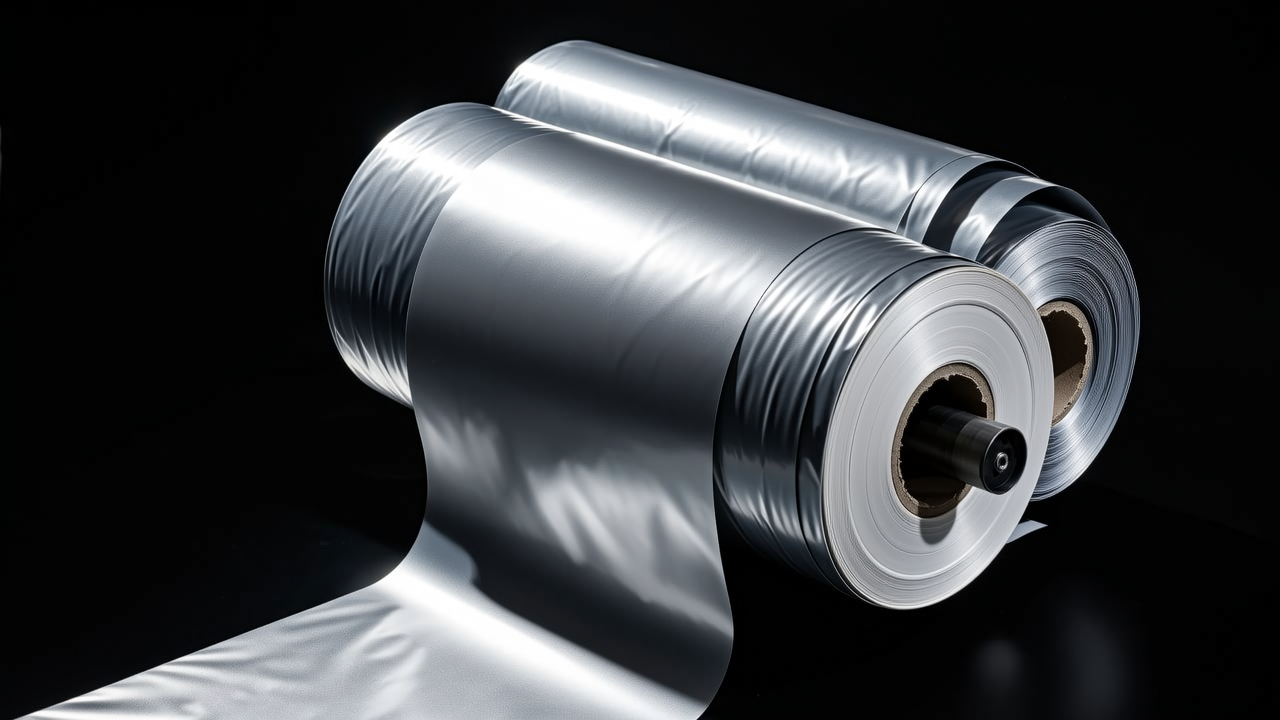
PET film is an indispensable layer in flexible packaging laminates. In laminated pouches, PET usually serves as the outer or middle layer, providing strength and barrier. Common structures include:
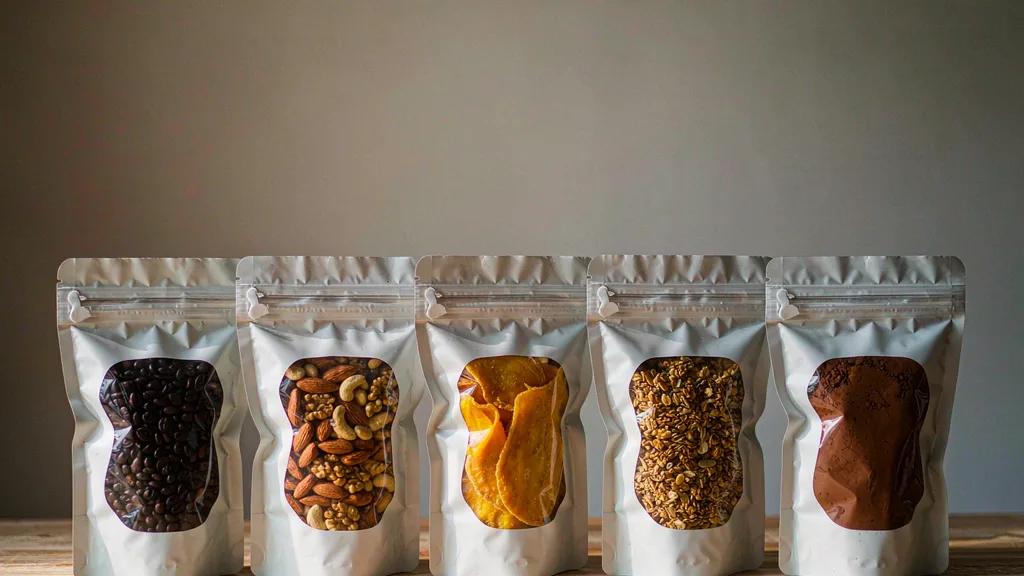
PET/AL/PE (foil laminate pouch for high-barrier packaging)
PET/VMPET/PE (metallized laminate pouch for moisture-proof packaging)
PET/CPP (transparent retort pouch for high-temperature sterilization)
3. PET trays — the mainstay of thermoformed packaging
PET sheet can be thermoformed into various trays and meal boxes, widely used for fresh meat, bakery foods and ready meals. CPET (crystallized PET) trays can even withstand oven and microwave heating.
PET vs. other packaging materials
In real-world selection, buyers often need to comparePET material PET with other materials such as PE, PP and PA. Here is a comparison across key dimensions:
| Comparison dimension | PET | PE | PP | PA (nylon) |
|---|---|---|---|---|
| Transparency | ★★★★★ | ★★☆☆☆ | ★★★☆☆ | ★★★☆☆ |
| Oxygen barrier | ★★★★☆ | ★★☆☆☆ | ★★★☆☆ | ★★★☆☆ |
| Heat resistance | ★★★☆☆ | ★☆☆☆☆ | ★★★★☆ | ★★★★★ |
| Low-temperature resistance | ★★★★☆ | ★★★★★ | ★★☆☆☆ | ★★★★★ |
| Cost | ★★★☆☆ | ★★★★★ | ★★★★☆ | ★★☆☆☆ |
As the table shows, PET excels in transparency and barrier — the first choice for “transparent with barrier needs” scenarios. If your product needs to display contents and has shelf-life requirements, PET is nearly the optimal choice.
For more material comparisons, read our Food Contact Materials Explained and Stand-up Pouch Material Selection Guide。
PET recycling and the environment
With environmental awareness growing, PET recycling has become an industry focus. PET is one of the most maturely recycled plastics — resin code “1” stands for PET.
PET recycling flow: collection -> sorting -> washing -> shredding -> repelletizing. Recycled rPET (recycled PET) can produce fibers (polyester clothing), non-food containers, and even — after rigorous processing — food packaging again (subject to FDA and EU food safety assessments).
However, PET in laminated flexible packaging bonds tightly with foil and other materials, making separation costly and recycling difficult — one reason the industry keeps exploring mono-material packaging solutions.
From an environmental standpoint, when choosing PET packaging, prioritize recyclable designs and avoid over-lamination to reduce recycling difficulty at the source.
Tips for buying PET pouches
If this is your first time buying PET pouches, these points are worth noting:
1. Confirm the temperature requirements of the application
Ordinary PET film handles about -40°C to 70°C and is not for retort. If the product needs 121°C sterilization, choose CPET or specially rated materials.
2. Barrier needs decide the laminate structure
Ordinary PET has an oxygen transmission rate of about 50-100 cm³/m²·24h·atm; for higher barrier, add an aluminum foil or EVOH layer to the laminate.
3. Watch food contact safety compliance
Ensure PET meets GB 4806.7 (National Food Safety Standard — Plastic Materials and Articles for Food Contact). Exported products also need FDA or EU 10/2011 compliance.
If you are looking for a professional custom PET pouch supplier, welcome to Contact OMOPACK get samples and quotes. We have years of PET/PE/PA laminated packaging production experience, supporting the full process from sampling to mass production. Our English official website www.omopack.com also provides one-stop packaging solutions for overseas customers.
From beverage bottles to laminated food pouches, PET has proven itself the “cross-category king” of packaging. Transparent, safe, high-barrier, recyclable — these properties make PET an irreplaceable core material in modern packaging. Whether you are a food brand founder, procurement manager or packaging designer, understanding PET helps you make better packaging decisions.