Is Biodegradable Packaging a Gimmick? 3 Truths from Insiders
Is biodegradable packaging a gimmick, or a genuine solution for the plastic waste crisis? This question sparks endless debate among food brands, retailers and consumers. Some claim biodegradable bags still sit intact in soil for years; others say “compostable” is just a marketing label used to justify higher prices. As a flexible packaging manufacturer that works with PLA, PBAT and other eco-materials every day, OMOpack believes the truth sits somewhere in the middle. This article shares three insider truths about biodegradable packaging so brands can make rational, informed decisions instead of following hype.
Truth One: Biodegradable Does Not Mean “Disappears in Nature”
The biggest misunderstanding about biodegradable packaging is that it will vanish quickly if thrown into the environment. In reality, mainstream biodegradable resins such as PLA (polylactic acid) and PBAT require specific industrial composting conditions — controlled temperature, humidity and microbial activity — to fully decompose. Buried in ordinary soil or dropped in the ocean, PLA can take years or even decades to break down. The familiar triangle symbol and “biodegradable” wording on a package do not guarantee it will degrade in a backyard compost bin. This is why our previous guide on biodegradable packaging degradation time emphasizes real-world data over marketing claims. Biodegradable packaging only delivers environmental value when a matching collection and composting infrastructure actually exists.
Truth Two: The Environmental Ledger Must Cover the Full Life Cycle
Judging whether a package is eco-friendly by “can it degrade?” alone is dangerously one-dimensional. A proper assessment must consider the whole life cycle: where the raw material comes from, how much energy the production consumes, transport emissions, in-use performance, and the end-of-life treatment route. Biodegradable materials are often made from corn starch or other biomass, which sounds renewable — but farming, refining and processing those crops also consume land, water and energy. Meanwhile, conventional PE film comes from petroleum, yet its mature recycling infrastructure can give it a surprisingly competitive environmental footprint when the material is actually recycled. That is why regulators in the EU and elsewhere increasingly evaluate packaging with life-cycle assessment (LCA) methodology rather than a simple “is it biodegradable” checkbox. Brands that ignore this full-picture view may invest in a material story that does not survive scrutiny.
Truth Three: Performance Gaps Are More Concrete Than Marketing Suggests
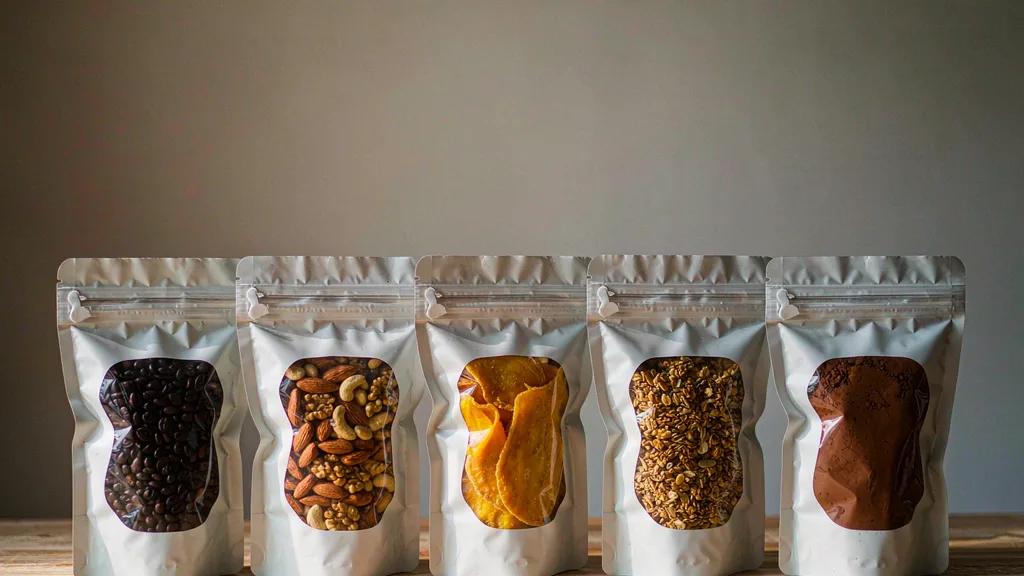
Packaging exists to protect the product. If a biodegradable structure cannot preserve freshness, the environmental argument collapses. Biodegradable resins have real performance limitations: PLA has weak heat resistance and deforms with hot food; PBAT offers modest oxygen and moisture barrier compared with aluminum-foil laminates. For oxygen-sensitive products such as coffee, nuts and tea, switching to a fully biodegradable structure can shorten shelf life and increase food waste — which is arguably worse for the environment than a recyclable high-barrier package. The realistic industry approach is gradual substitution: try biodegradable structures first for short-shelf-life, low-barrier products, while keeping high-barrier laminates for long-shelf-life goods or exploring recyclable mono-material alternatives. As explained in our guide to PBAT and biodegradable packaging, material selection should start from the product’s real protection requirements, not from the label on the bag.
How Brands Should Respond Without Falling for Hype
Faced with the controversy, brands should answer three questions before choosing a biodegradable route. First, do your target customers actually value biodegradability, or do they care more about freshness, convenience and shelf appeal? Second, can your product’s shelf life and storage conditions tolerate a weaker barrier material? Third, do your sales channels — supermarkets, e-commerce, export markets — have the composting or recycling facilities to support the claim? Answering these questions honestly prevents marketing departments from being led by buzzwords. For most fast-moving consumer goods brands, the more pragmatic green path today combines source reduction, lightweighting and recyclable design, with targeted biodegradable applications in suitable niches, gradually raising the overall environmental profile of the packaging portfolio.
Summary and Recommendations
Biodegradable packaging is not a gimmick — but it is also not a silver bullet. It is one option in the sustainable packaging toolbox, valuable only when applied in the right scenario with the right supporting infrastructure. The real differentiator is a brand’s systematic thinking about packaging sustainability. OMOpack helps clients evaluate biodegradable, recyclable and mono-material solutions, balancing performance, cost and environmental goals. If you are assessing an eco-packaging upgrade for your products, contact OMOpack and our technical team will propose a practical roadmap based on your product characteristics. Visit OMOpack.com for more packaging knowledge and industry insights.