Small Brand Packaging: 5 Low-Cost Ways to Elevate Products
Small brand packaging often struggles to look premium on the shelf. Startups and emerging food, beverage and snack brands pour money into product development, only to see their products ignored because the packaging feels cheap. Big corporations can afford famous design agencies and expensive custom tooling — small brands usually cannot. Does that mean premium packaging is out of reach on a limited budget? Not at all. Elevating packaging design is less about total spend and more about smart choices in materials, structure, color, detail and storytelling. OMOpack has helped dozens of growing brands upgrade their packaging, and this article shares five low-cost methods that make small brand packaging look far more expensive than it is.
Method One: Upgrade Materials for a Better First Touch
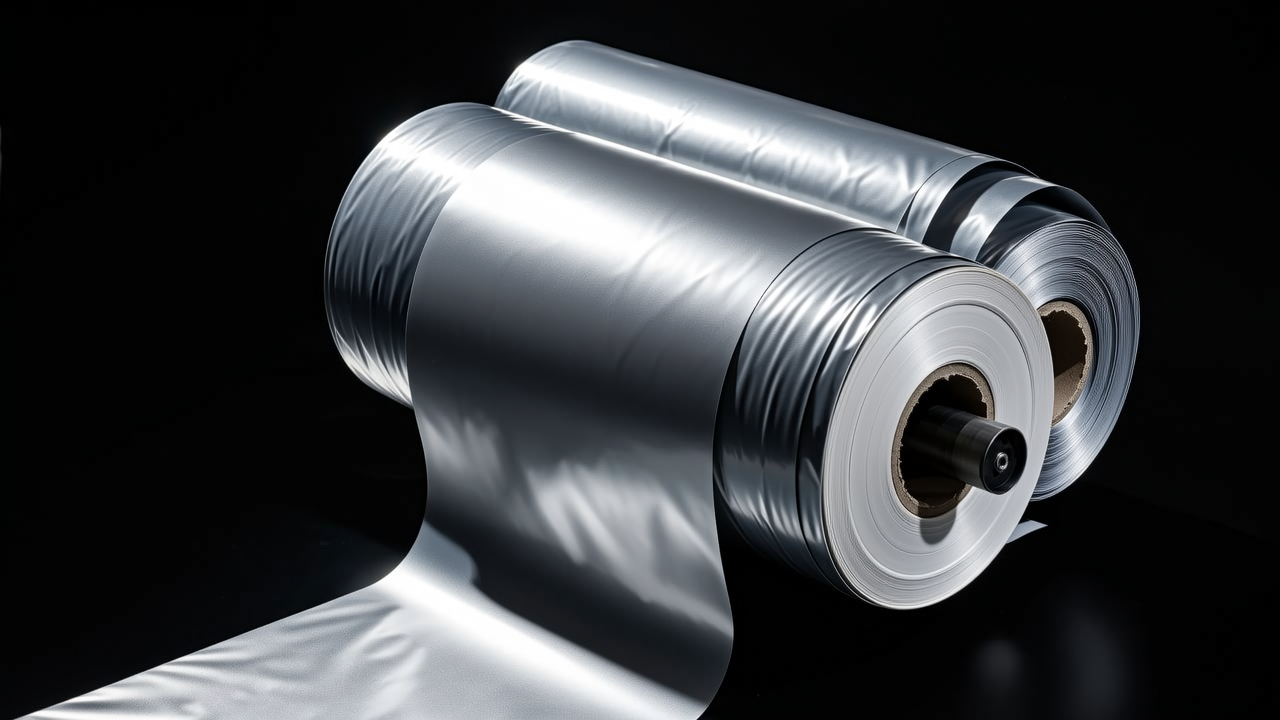
The moment a shopper picks up your product, touch begins scoring the experience. Matte finishes feel more premium than glossy ones; a thicker, stiffer structure feels more substantial than a flimsy thin bag; soft-touch lamination and textured surfaces can make ordinary film look expensive. When the budget is tight, upgrading the substrate delivers more perceived value per dollar than complex printing. Swapping a plain PE pouch for a matte laminated structure, or a thin stand-up pouch for a reinforced stiff-bottom version, adds modest cost while transforming the weight and feel in hand. For a deeper look at structure and material options, see our complete guide to nut packaging bags, which explains how structure and barrier choices affect both cost and shelf presence.
Method Two: Choose a Distinctive Pouch Structure
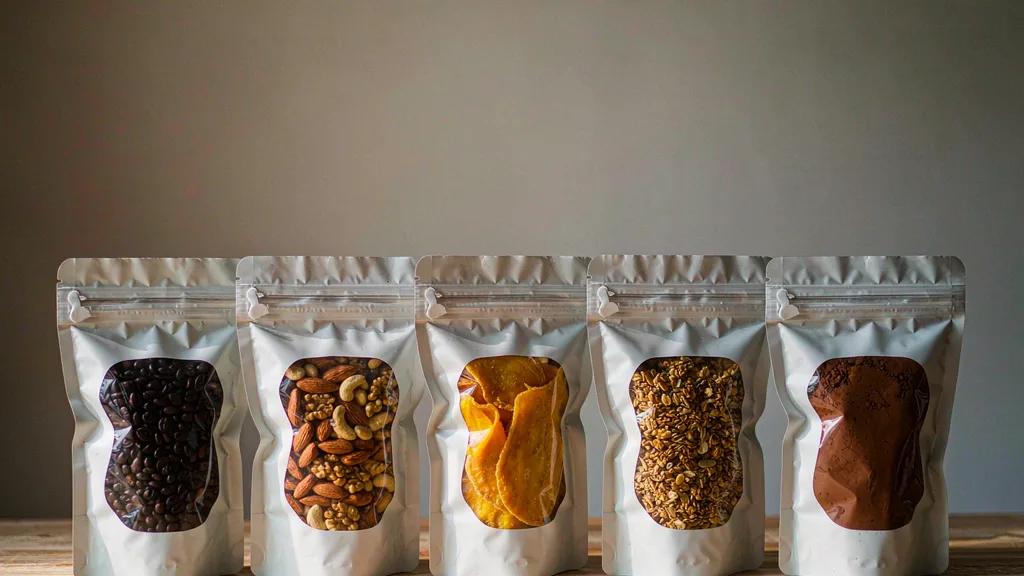
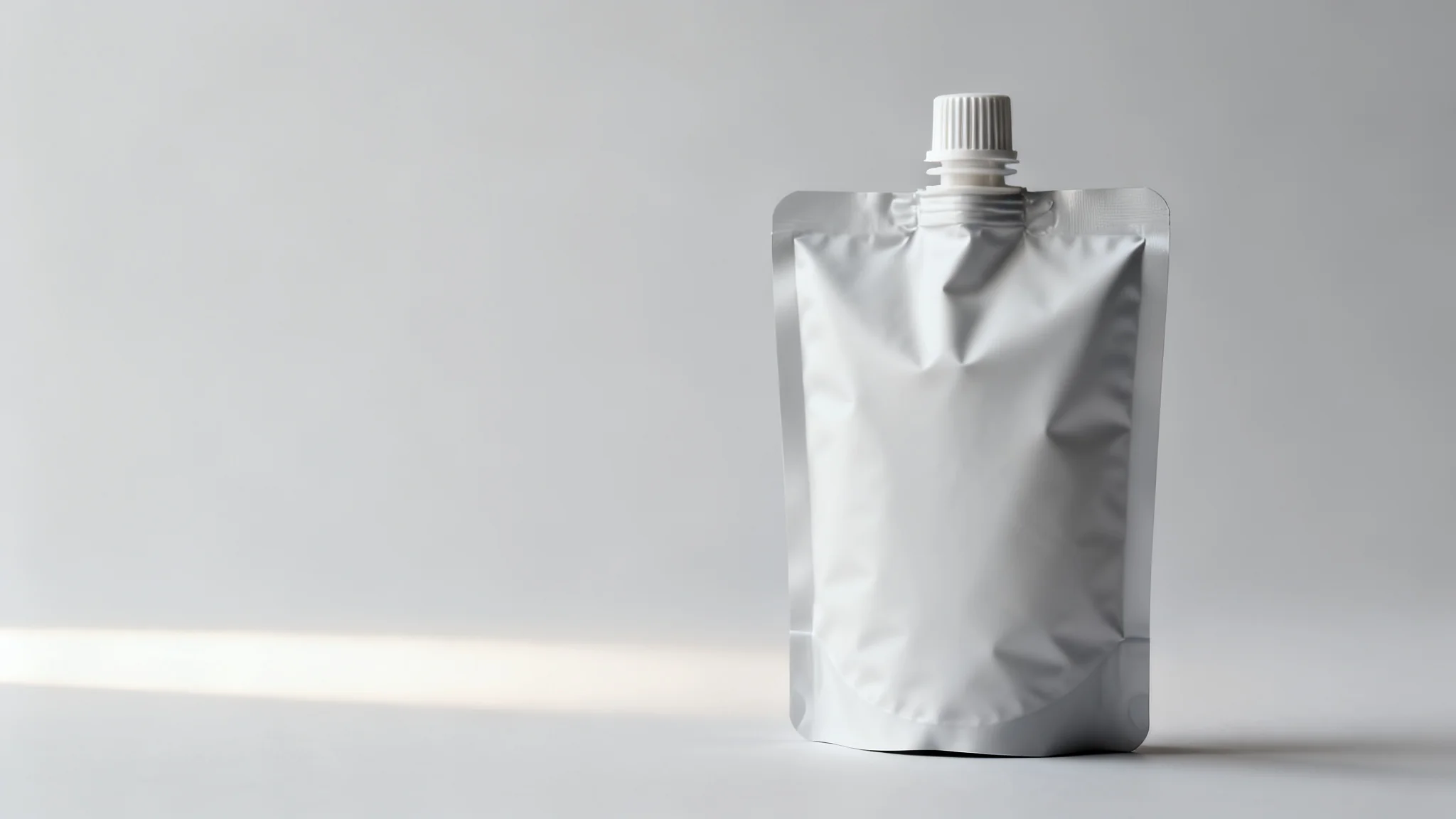
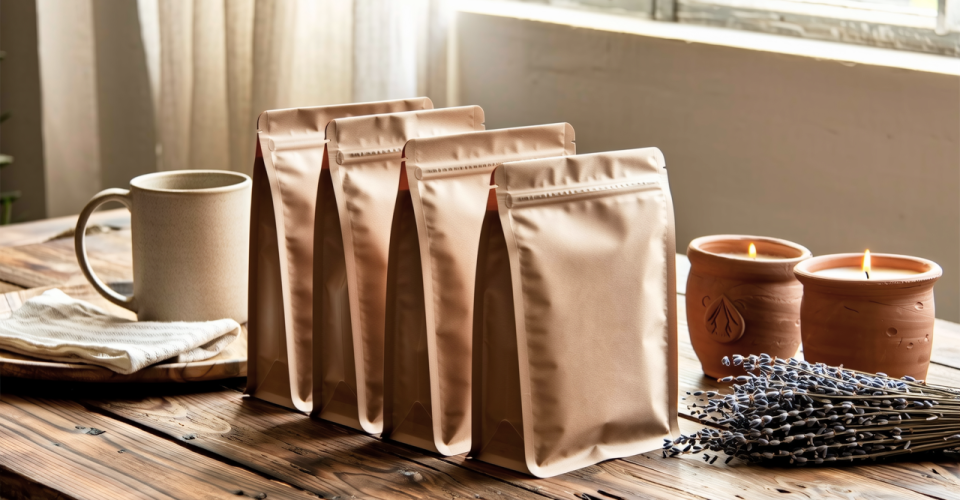
On a crowded shelf, the pouch shape is the fastest way to be remembered. Flat three-side-seal bags look generic; stand-up pouches, flat-bottom (eight-side-seal) bags, shaped pouches and pouches with zippers or spouts immediately read as a step up. The flat-bottom bag in particular — with its stable base, squared sides and clean top seal — visually approaches premium boxed packaging while costing only slightly more than a standard stand-up pouch. Choosing a recognizable structure gives a small brand a free upgrade in perceived value. Of course, the structure must fit the product’s filling process and protection needs; talk to your manufacturer early so the design stays producible and cost-effective.
Method Three: Use Color and White Space with Restraint
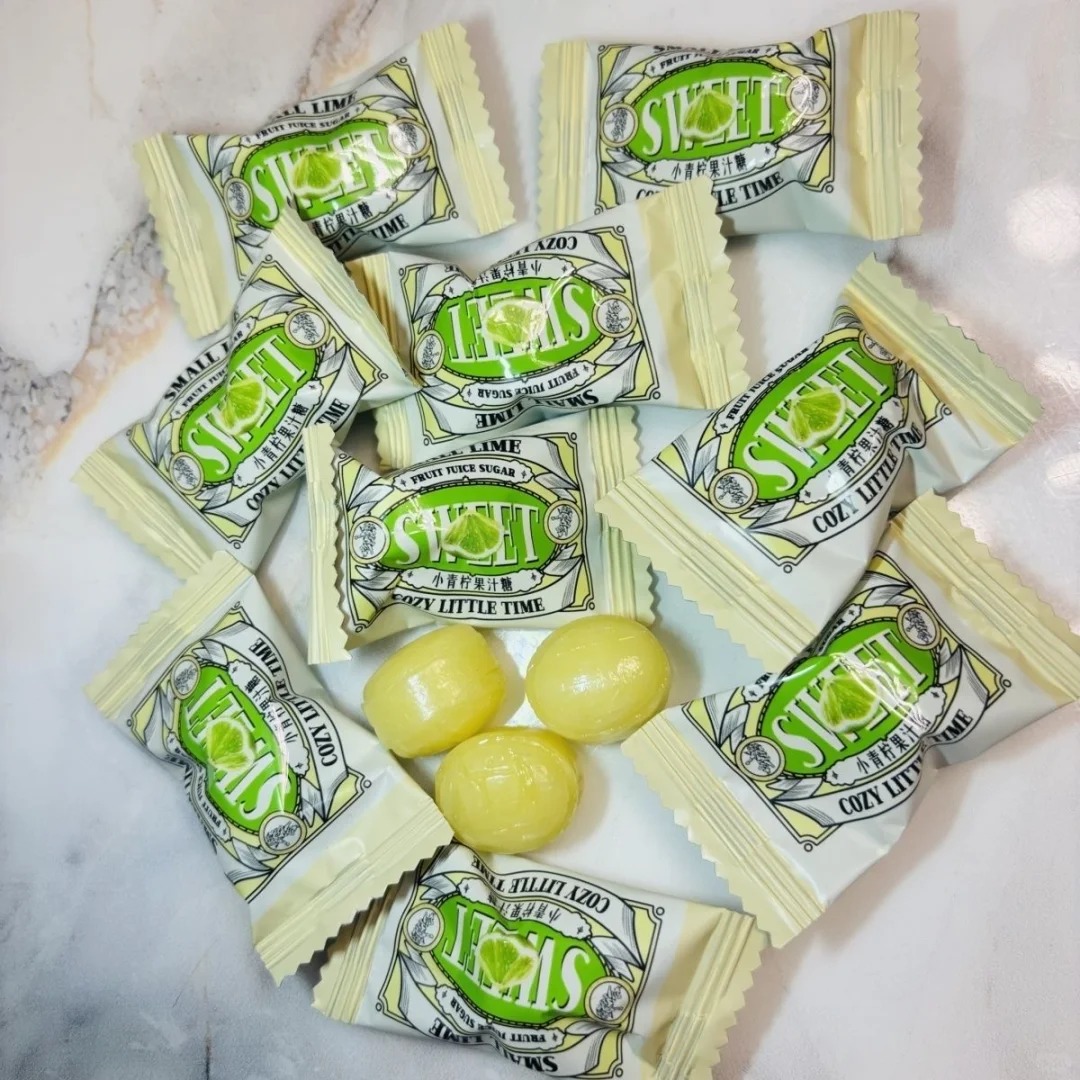
Cheap-looking packaging is usually information overload: cluttered fonts, noisy colors and crowded elements. Premium packaging does the opposite — it practices restraint. One of the fastest ways for a small brand to look high-end is to subtract: limit the palette to two colors, leave generous white space, feature one strong visual element, and choose clean sans-serif typography. A black-and-white base with a single accent color almost never fails, and it costs no more to print than a busy design. Because color rendering depends heavily on the printing process, always confirm color values during sampling so mass production does not drift into a duller, cheaper-looking version. These principles are covered in more detail in our guide to baby food packaging standards, where clarity and trust matter even more.
Method Four: Add Selective Finishing Details
Selective finishing is the cheapest way to create a premium focal point. Spot UV gloss, hot-foil stamping, embossing, or a matte film with glossy accents all add sophistication at a controllable cost when used sparingly. A single spot-UV treatment on the logo — making it catch the light against a matte background — instantly raises perceived quality. A fine embossed line or a clean tear-notch detail improves the unboxing experience and translates into brand goodwill. The trick for small brands is to pick one or two signature effects and use them consistently, rather than applying every effect everywhere. Focused finishing is both more affordable and more elegant than scattered decoration.
Method Five: Let Copy and Storytelling Carry the Brand
Packaging is also the brand’s conversation with the consumer. A sincere brand story, a confident slogan, or an original illustration detail can bring a package to life — and small brands have the advantage of authenticity and closeness to their customers. Weaving that personality into the copy often moves people more than expensive decoration. Clear product information, origin stories and usage guidance also add professionalism and reduce customer-service friction. Every word on the package is brand equity; small brands should treat copywriting as a design discipline, not an afterthought.
Summary and Recommendations
Elevating packaging is about spending where it counts: materials for feel, structure for memory, color for character, finishing for detail, and copy for warmth. Small brands with tight budgets can absolutely achieve premium-looking packaging by combining these five methods. OMOpack offers one-stop service from design consultation and sampling to mass production, helping emerging brands jump to a higher packaging tier within budget. If you are planning a packaging upgrade, contact OMOpack and share your product and budget — our team will give you a practical, honest proposal. Visit OMOpack.com for more packaging knowledge and industry insights.