BPA is one of the most discussed topics in food packaging in recent years. From plastic cups to can linings, the “BPA is harmful” narrative has many consumers doubting plastic packaging. As a flexible packaging factory, we want to set the record straight in one article: which packaging actually contains BPA, how big the risk is, and how to avoid it at the source. Rational understanding beats blind panic.
What is BPA? Which packaging materials use it?
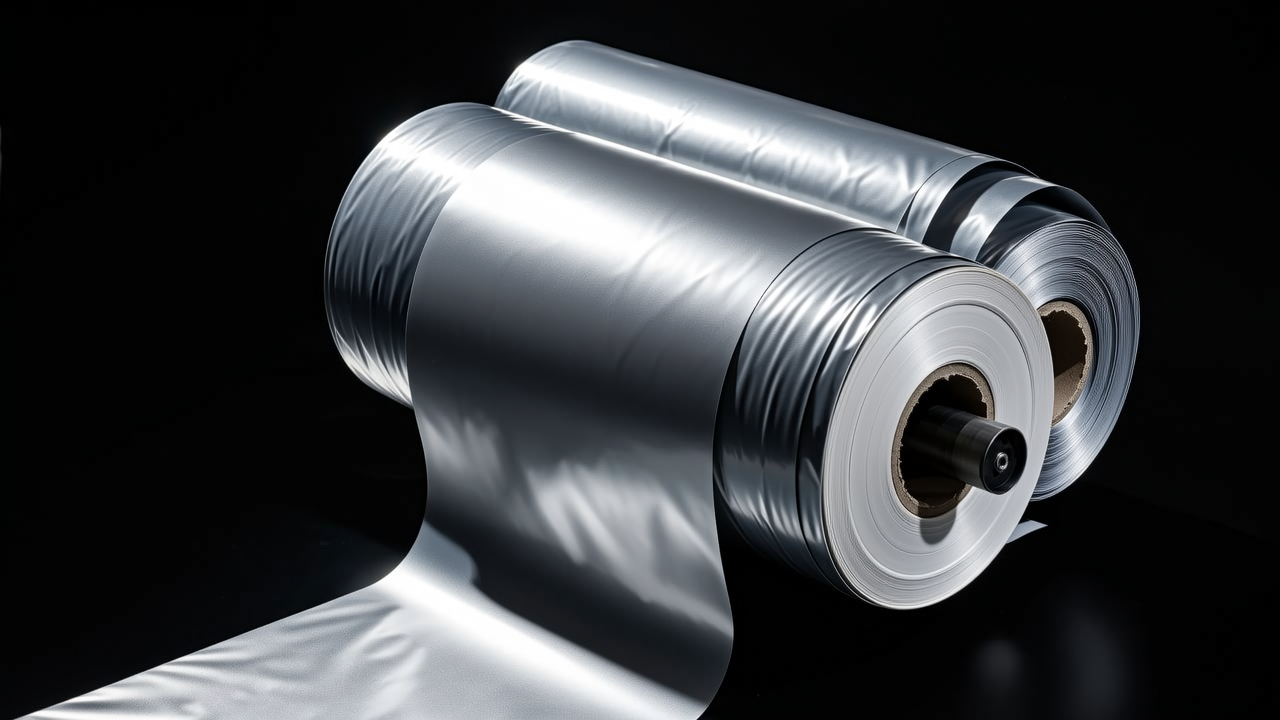
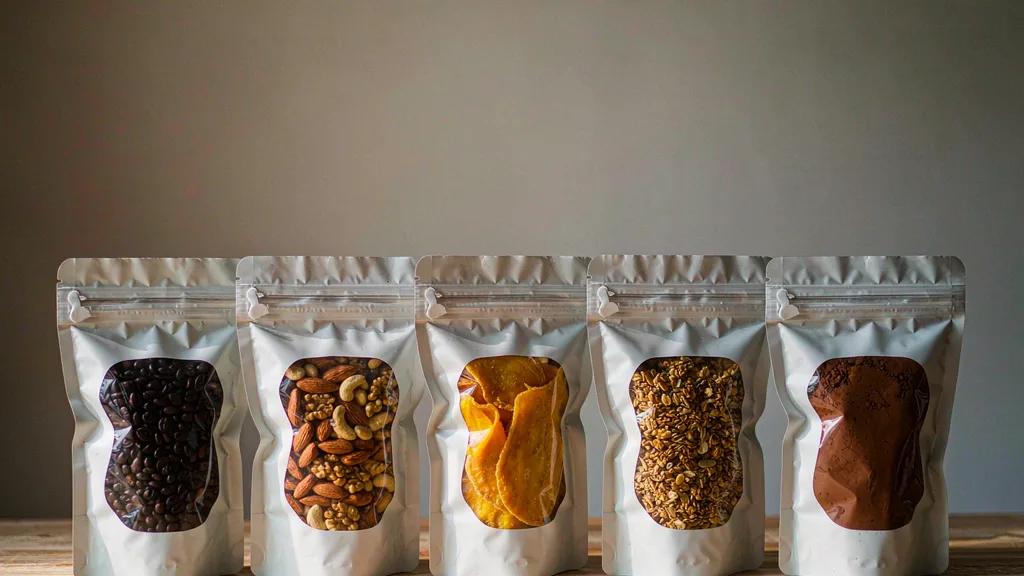
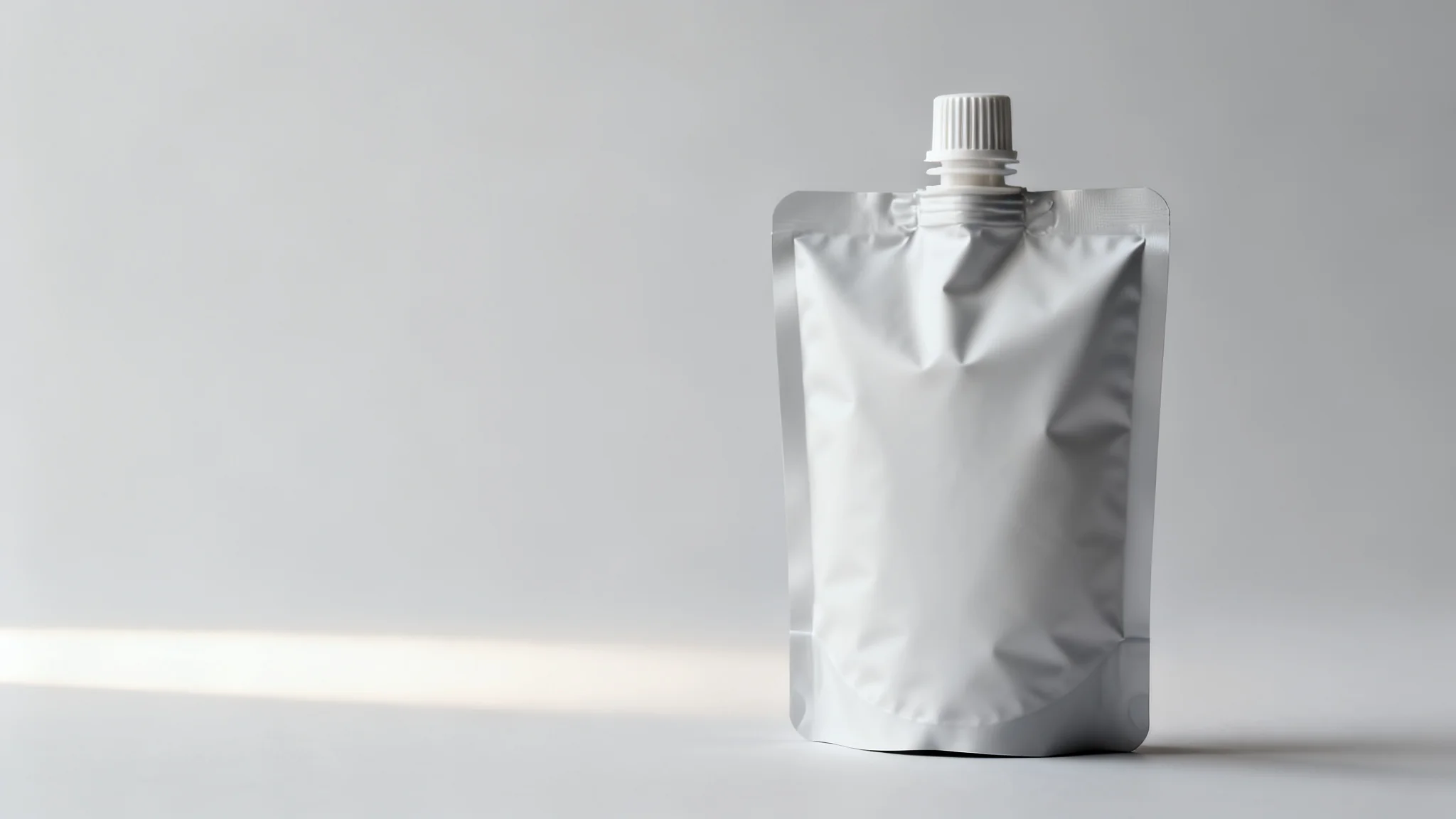
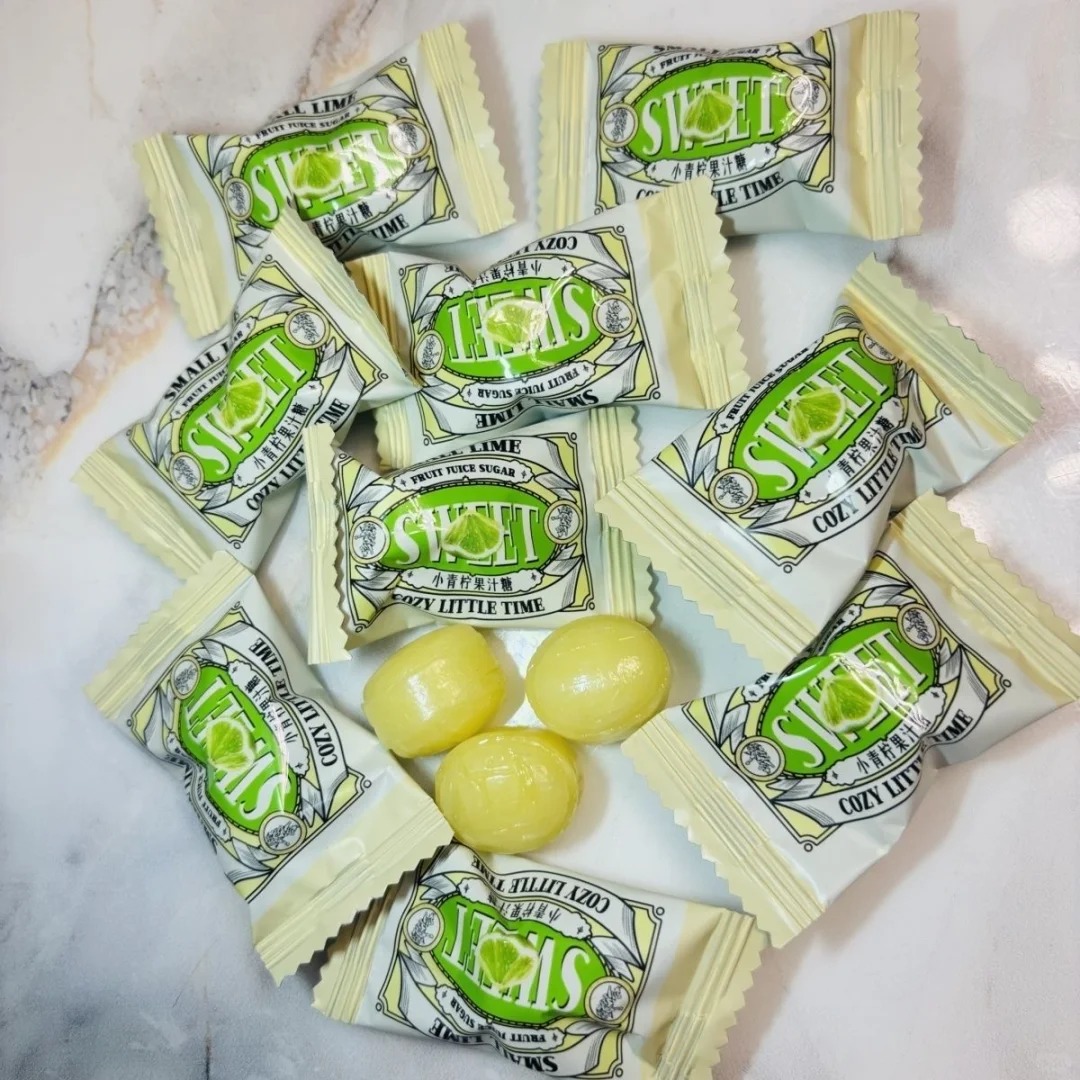
BPA is an organic compound used mainly as a raw material for polycarbonate (PC) and epoxy resins. In packaging, BPA appears in PC water bottles and baby bottles, and in the epoxy linings of metal and beverage cans. Importantly, ordinary food flexible pouches — PE, PP, PET laminates, foil pouches — basically do not use BPA in production. In other words, the food pouches people touch most daily are exactly the category with the lowest BPA risk. For food contact material basics, refer to our earlierWhat Does Food Contact Material Mean article.
How big is the BPA risk really?
BPA is an endocrine disruptor. The EU banned it in baby bottles in 2011, further tightened migration limits in food contact materials in 2024, and plans a full ban on BPA in food contact materials. China’s GB 9685 also sets explicit BPA migration limits. Objectively, the risk comes from long-term, low-dose accumulation — not “poison on contact”. For ordinary consumers, the key is avoiding high-risk scenarios, not treating all plastic packaging as a threat.
Which products are most likely to trip the BPA trap?
Two categories trip most people: PC food containers — especially when holding hot water, hot soup or oily food, since heat accelerates BPA migration — and metal can inner coatings, where older epoxy linings may contain BPA. Concerned consumers can prefer glass or stainless steel containers, or products explicitly marked “BPA Free”. For packaging buyers, the risk lies in suppliers not disclosing material formulations — exactly why we always advise buyers to demand complete material declarations and test reports. For identifying food-grade plastics, refer toHow to Identify Food-Grade Plastic for practical methods.
How does a flexible packaging factory ensure BPA-free products?
For a flexible packaging factory, BPA control is straightforward: first, the raw materials used — PE, PP, PET, PA, foil — inherently contain no BPA; second, inks and adhesives use BPA-free formulations, confirmed at the supplier end; third, supplier test reports are kept per batch for a traceable quality archive; fourth, finished products undergo migration test sampling per GB 9685 — let data speak. When OMOPACK produces food pouches, all materials meet food contact material regulations, and we can provide corresponding test reports and material declarations.
Buying advice for consumers
First, don’t believe the rumor that “all plastic is toxic” — look for food-grade marks and reputable manufacturers. Second, avoid storing hot or oily liquids in PC containers for long periods. Third, choose containers explicitly marked microwave-safe for microwave heating. Fourth, when buying packaging for baby food, choose brands explicitly marked BPA Free. Packaging safety is a system — materials, processes and use habits together determine safety; do every link right and the risk is controllable.
Contact Us
If you need BPA-free, food-contact-regulation-compliant pouch solutions — stand-up, zipper or foil — welcome to contact OMOPACK. We provide samples, material declarations and test reports for worry-free purchasing. English materials for overseas customers are available at our English website omopack.com。