Packaging Is Not Just About Looks: The Real Differentiator Is Invisible Structural Engineering

Packaging is not just looks: structural engineering is what sets products apart
Packaging Is Not Just About Looks: What Truly Sets Products Apart Is Structural Engineering

Many brands fall into a misconception when making packaging: putting all their focus on “visual design”. Refined color schemes, eye-catching illustrations and trendy layouts — all just to win that first glance on the shelf.

Admittedly, good-looking packaging does quickly attract consumer attention. But for consumer goods that are mass-produced, shipped long distances and sold long-term:Looks decide whether the product gets seen; structural engineering decides whether it lands steadily, mass-produces efficiently and earns repeat purchases.

Plenty of failed cases on the market were never about looking bad — they lost on unprofessional structure. Many seemingly exquisite packages, once they enter the factory line and supply chain, become hidden costs for the company:

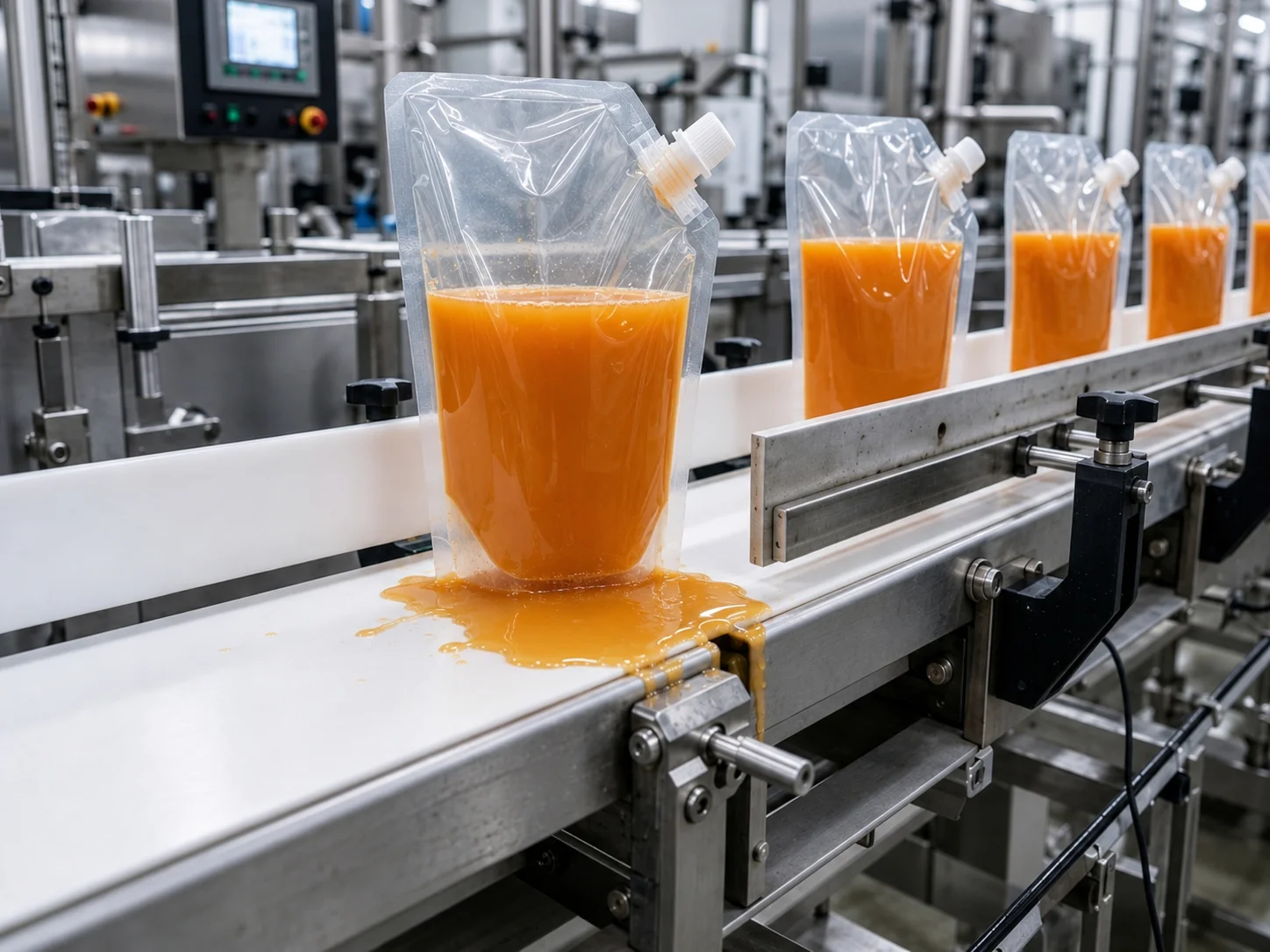
Dry-goods pouches for rice, nuts and the like burst or leak frequently after stacking and long-haul shipping, causing whole batches to be returned and scrapped — a single loss can reach tens or even hundreds of thousands of yuan. Innovatively designed liquid spouted pouches develop weak seals and edge cracking on automated filling lines, contaminating workshop equipment, delaying capacity and wasting large amounts of raw material.
The root cause of these problems is not a design mistake but the neglect of the packaging’s core skeleton — structural engineering — in the design stage

. In the packaging industry, two completely different logics coexist: ordinary packaging factories “do the looks first, then patch together structure”, while professional industrial packaging providers “define the structural process first, then do visual polish”. Truly landable, durable, low-cost mass-produced packaging is never a flat rendering — it isa systematic engineering project uniting packaging strategy consulting, structural engineering and visual design

1. What is packaging structural engineering? The hardcore “underlying skeleton” of packaging

If graphic design is the packaging’s “outer garment”, structural engineering is its “skeleton and muscle”.

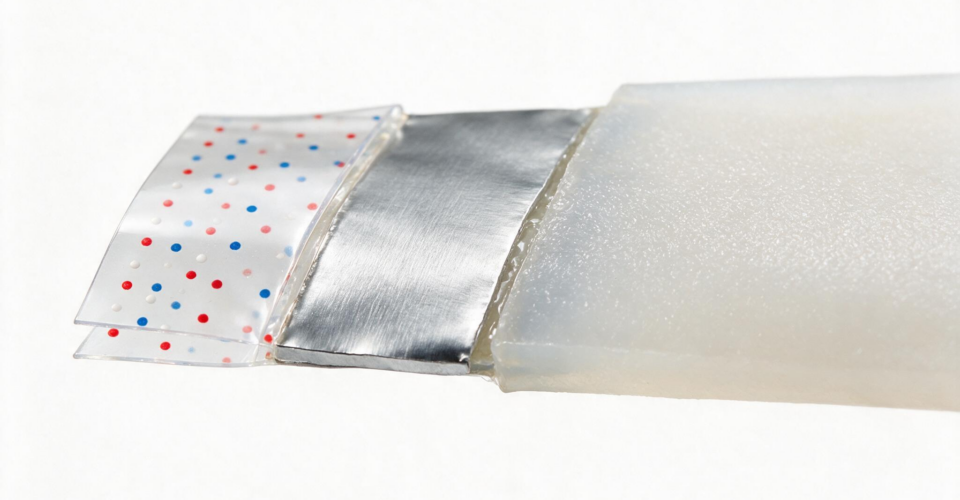
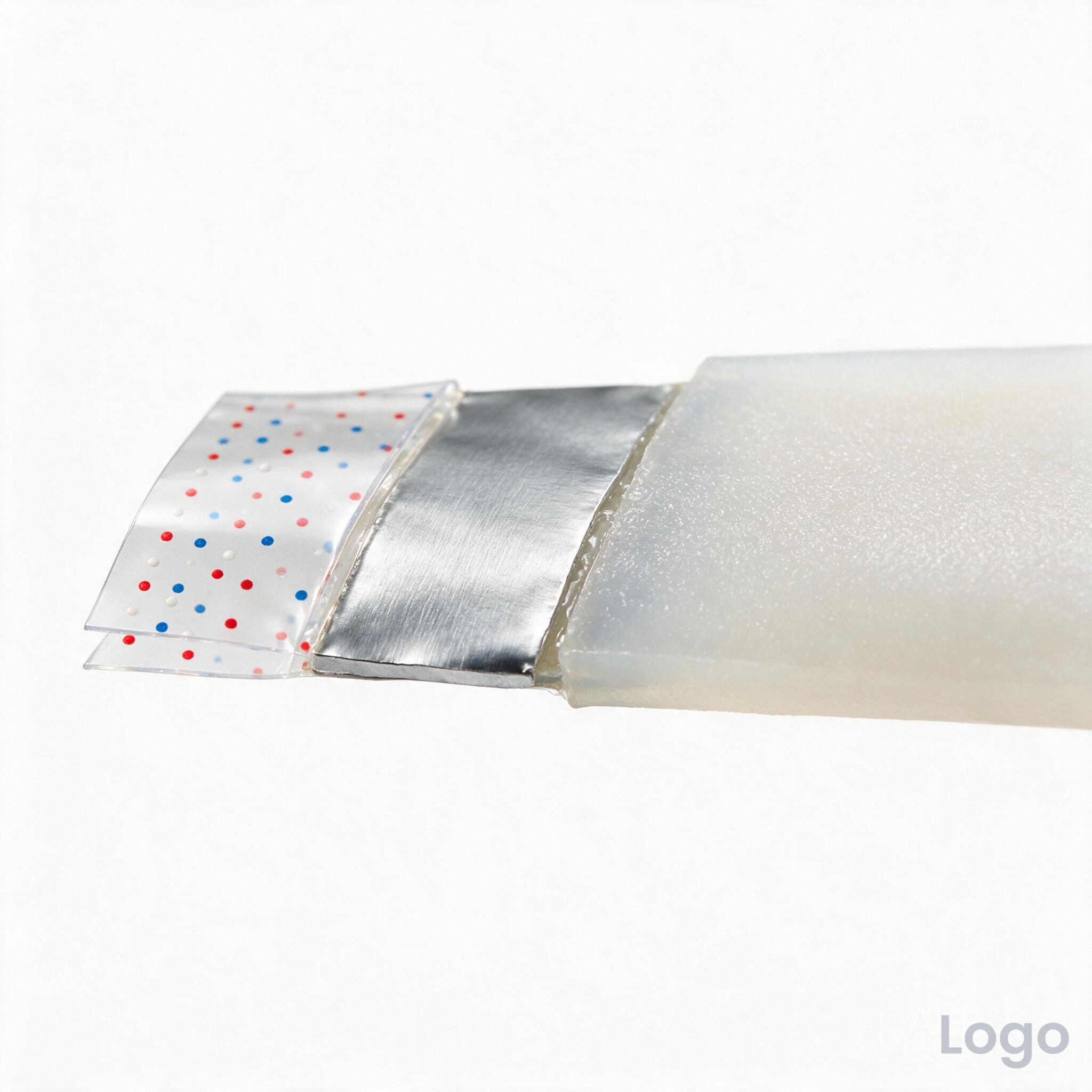
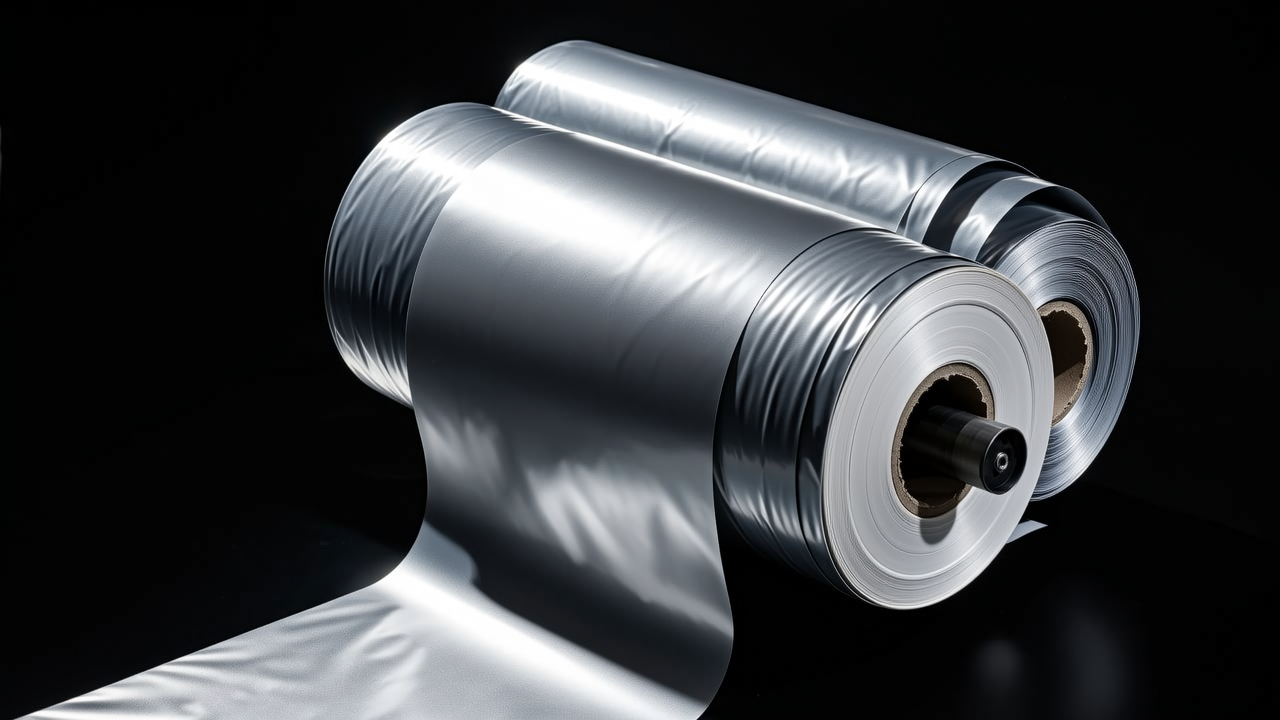
The core value of structural engineering lies in relying onmechanics, material properties and production-line compatibility logic, and through precision calculation finalizing all core packaging parameters: length-width-height ratios, seal edge width, bottom extension dimensions, multi-layer laminate structures, and the joining specifications for accessories such as zippers and spouts.

It is the unique core bridge that transforms flat creativity into packaging that factories can produce efficiently, logistics can handle, and consumers can use comfortably. Without solid structural support, no matter how beautiful the design, packaging is nothing but a castle in the air.

We use two mainstream packaging categories to break down the hardcore structural engineering details that decide product success or failure.
2. Dry-goods stand-up zipper pouches: the golden logic of holding the shelf and surviving logistics

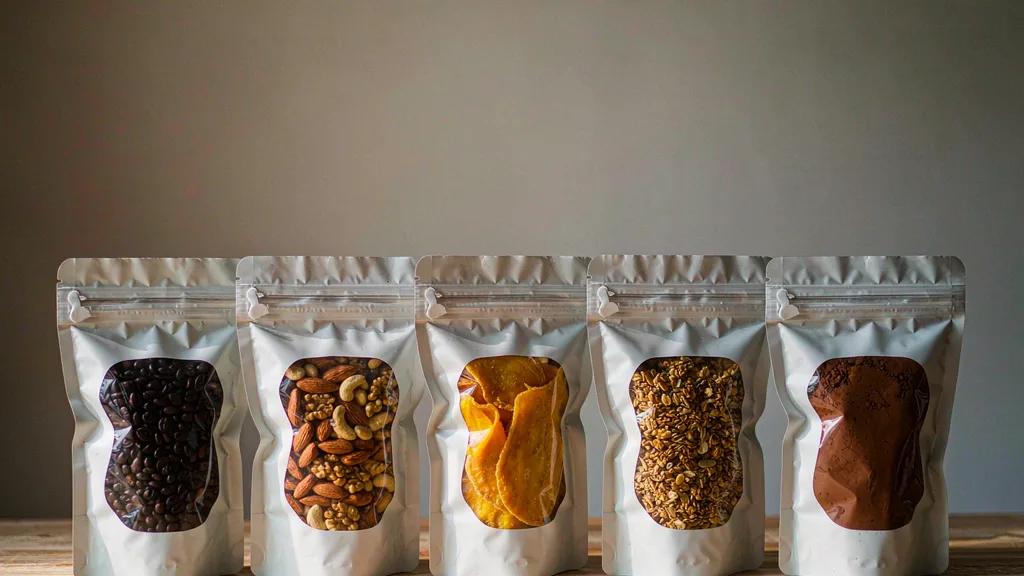
Dry products such as rice, nuts and pet food mostly use stand-up zipper pouches. This seemingly ordinary universal packaging — if dimensions or structure are off by a hair, shelf display and logistics safety suffer directly.

1. Precise proportions: making packaging “stand steady and never topple” on the shelf

Many brands face the same problem: with the same pouch design, competitors’ filled pouches stand tall and neat while yours lean forward, tip back and wobble. The core gap lies inthe bottom gusset (bottom flattening structure) engineering design.
Professional engineers calculate precisely based on the product’s density, weight and flowability: rice is dense and heavy, nuts have large voids and are light — the two require completely different bottom extension dimensions and opening arcs. If the reserved bottom width is insufficient, the pouch bottom cannot fully spread to support the load, the center of gravity shifts, and the pouch topples or deforms when stacked — directly undermining product quality perception and purchase intent.

2. Mechanical balance: seals that hold firmly and tear open easily

Dry-goods pouches, especially heavy-filled ones, experience strong internal impact forces during logistics tossing and stacking compression, making bag rupture and product leakage all too common.
Structural engineering appliesmicron-level precision to zipper placement and top heat-seal width: too narrow a seal edge cracks in transit; too wide compresses pouch capacity, wastes material and adds cost.
It also pairs with precisely designed easy-tear notch curves for a dual experience: rock-solid sealing on the logistics side, preventing leaks and damage; effortless opening on the consumer side, with zippers that reseal again and again — balancing practicality and user experience, reducing negative reviews and lifting repurchase rates.

3. Liquid and pastespout pouch spouted pouches: sub-millimeter precision workmanship that holds the leak-proof line

For liquid and paste products such as detergent refills, juice and sauces, packaging structure has almost zero tolerance for error. Liquids are highly fluid and penetrative — a mistake in any step of automated high-pressure filling, temperature variation or transport compression can leak and scrap the entire batch, causing huge losses.
Many people assume spouted pouch leakage means pouch body damage; in realityover 90% of leak problems occur at the weld seam dead corners between the spout and the film
. A rigid injection-molded spout and a soft multi-layer laminated film are two materials with completely different physical properties. To make them fit seamlessly and stay sealed long-term, you cannot rely on a generic template — dedicated structural design is required. Engineers finely adjust the spout slot dimensions and heat-seal blade profiles so the film melts evenly during sealing and firmly wraps the spout joint.
Spouted pouches refined through precision structural work not only fit high-speed automated filling lines and boost mass-production efficiency, but also withstand temperature swings, stacking pressure and long-haul tossing — thoroughly solving leakage, contamination and scrappage across the supply chain.

4. Both looks and strength: OMOPACK’s full-chain solutions

Good-looking packaging lifts brand appeal; reliable structure protects company profits. In OMOPACK’s modern clean workshop, we consistently follow the “structure first, aesthetics second” packaging philosophy, solving industry pain points at the root: hard-to-land packaging, easy damage, low mass-production efficiency and high waste.

1. Packaging strategy consulting: tailor-made solutions

We deeply research product properties, filling equipment, warehousing/logistics and sales scenarios, distinguish dry/liquid and ambient/cold-chain environments, and precisely match film materials, laminate structures and pouch formats — preventing mismatch issues at the source.

2. Structural engineering refinement: precision testing to eliminate failure

Through professional engineering blueprints and precision dimensional and mechanical calculations, combined with repeated sampling and live testing on our own production lines, we ensure packaging perfectly fits automated lines with efficient, stable mass production — while guaranteeing compression resistance, leak-proofing and drop resistance, greatly reducing logistics damage and product return rates.

3. Visual design: aesthetics that power brand premium

On the foundation of feasible structure, proven processes and stable mass production, we incorporate youthful, differentiated visual design so packaging combines solid performance with shelf-stopping looks — uniting practicality and brand quality in both directions.

Conclusion

Industrial packaging leaves no room for luck — every seemingly “perfectly landed” product stands on rigorous structural engineering and mature process adaptation. Packaging that only competes on looks is a flash in the pan;looks that catch the eye, structure that backs it up, processes that deliver — only then can products move from the production line, through warehouses and shelves, to consumers’ hands with full stability and control, letting the brand go further and steadier in market competition.
If you are facing pouch toppling, bag bursting or leaking, high mass-production waste or poor line compatibility, welcome to contact OMOPACK — we providefree packaging structure diagnostics, tailored solution design and sampling services, helping brands thoroughly solve packaging supply-chain pain points.
Please enable JavaScript in your browser to complete this form.
=