Many brands fall into a misconception when making packaging: putting all their focus on “visual design”. Refined color schemes, eye-catching illustrations and trendy layouts — all just to win that first glance on the shelf.
Admittedly, good-looking packaging does quickly attract consumer attention. But for consumer goods that are mass-produced, shipped long distances and sold long-term:Looks decide whether the product gets seen; structural engineering decides whether it lands steadily, mass-produces efficiently and earns repeat purchases.
Plenty of failed cases on the market were never about looking bad — they lost on unprofessional structure. Many seemingly exquisite packages, once they enter the factory line and supply chain, become hidden costs for the company:
Dry-goods pouches for rice, nuts and the like burst or leak frequently after stacking and long-haul shipping, causing whole batches to be returned and scrapped — a single loss can reach tens or even hundreds of thousands of yuan. Innovatively designed liquid spouted pouches develop weak seals and edge cracking on automated filling lines, contaminating workshop equipment, delaying capacity and wasting large amounts of raw material.

The root cause of these problems is not a design mistake but the neglect of the packaging’s core skeleton — structural engineering — in the design stage。
. In the packaging industry, two completely different logics coexist: ordinary packaging factories “do the looks first, then patch together structure”, while professional industrial packaging providers “define the structural process first, then do visual polish”. Truly landable, durable, low-cost mass-produced packaging is never a flat rendering — it isa systematic engineering project uniting packaging strategy consulting, structural engineering and visual design。
1. What is packaging structural engineering? The hardcore “underlying skeleton” of packaging
If graphic design is the packaging’s “outer garment”, structural engineering is its “skeleton and muscle”.
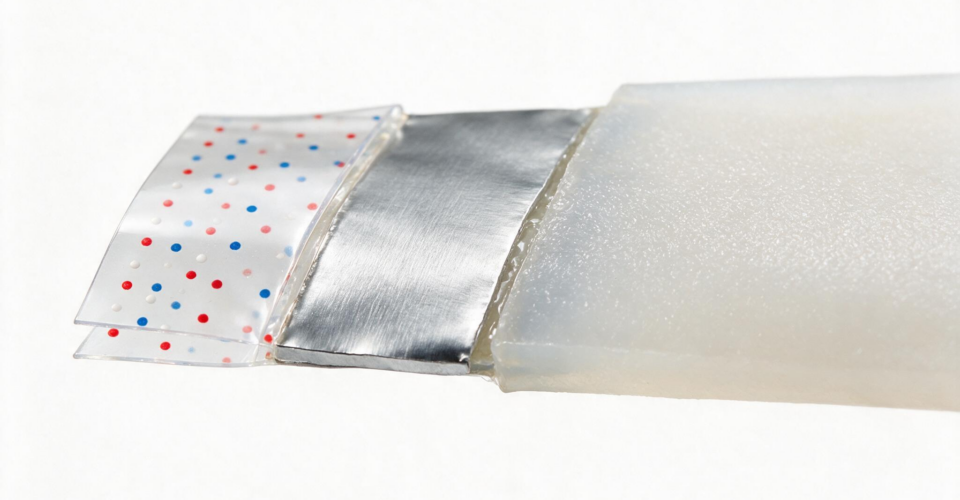
The core value of structural engineering lies in relying onmechanics, material properties and production-line compatibility logic, and through precision calculation finalizing all core packaging parameters: length-width-height ratios, seal edge width, bottom extension dimensions, multi-layer laminate structures, and the joining specifications for accessories such as zippers and spouts.
It is the unique core bridge that transforms flat creativity into packaging that factories can produce efficiently, logistics can handle, and consumers can use comfortably. Without solid structural support, no matter how beautiful the design, packaging is nothing but a castle in the air.
We use two mainstream packaging categories to break down the hardcore structural engineering details that decide product success or failure.