What Eco-Friendly Packaging Materials Are There? A Full Guide to the Classification System
As global environmental awareness rises and plastic restriction policies advance, eco-friendly packaging materials have become one of the hottest topics in the packaging industry. Behind the seemingly simple concept of “eco-friendly packaging”, however, lies a system of many material types and technical paths. Biodegradable, recyclable, compostable — these terms are often mixed up, yet each has different definitions, standards and applications.
From the perspectives of materials science and environmental policy, this article systematically sorts the main categories of eco-friendly packaging materials, helping brands, buyers and consumers build a clear framework and make wise choices.
Category 1: Biodegradable packaging materials
Bio-based biodegradable materials
Bio-based biodegradable materials are plastics made from renewable biomass resources (corn starch, sugarcane, cellulose, etc.) through microbial fermentation or chemical synthesis. The most representative include:PLA (polylactic acid), made by fermenting corn starch, currently the most widely used bio-based biodegradable plastic — high transparency, good processability, suitable for transparent cups, trays and film packaging;PHA (polyhydroxyalkanoate), synthesized by microorganisms under specific conditions, degradable in marine environments, but higher production costs;PBS (polybutylene succinate), with good heat resistance and processability, usable in heat-resistant packaging scenarios.
Petroleum-based biodegradable materials
Petroleum-based biodegradable materials, though made from oil, can biodegrade under specific conditions. The most typical isPBAT (polybutylene adipate terephthalate), with excellent flexibility and film-forming properties, often blended with PLA for biodegradable plastic bags and packaging film. PBAT degrades into CO2 and water under industrial composting, but degrades slowly in natural conditions.
Limitations of biodegradable materials
Note that biodegradable materials are not a “zero pollution” solution. Most need specific industrial composting facilities (above 58°C, 50%-60% humidity, 60-180 days) to fully degrade; in natural environments they decompose at roughly the same rate as ordinary plastics. Moreover,the recycling and treatment system for biodegradable plastics is not yet well established worldwide, and if mixed into ordinary plastic recycling streams, they will degrade the recycled plastic quality.
Category 2: Recyclable packaging materials
Mono-material packaging
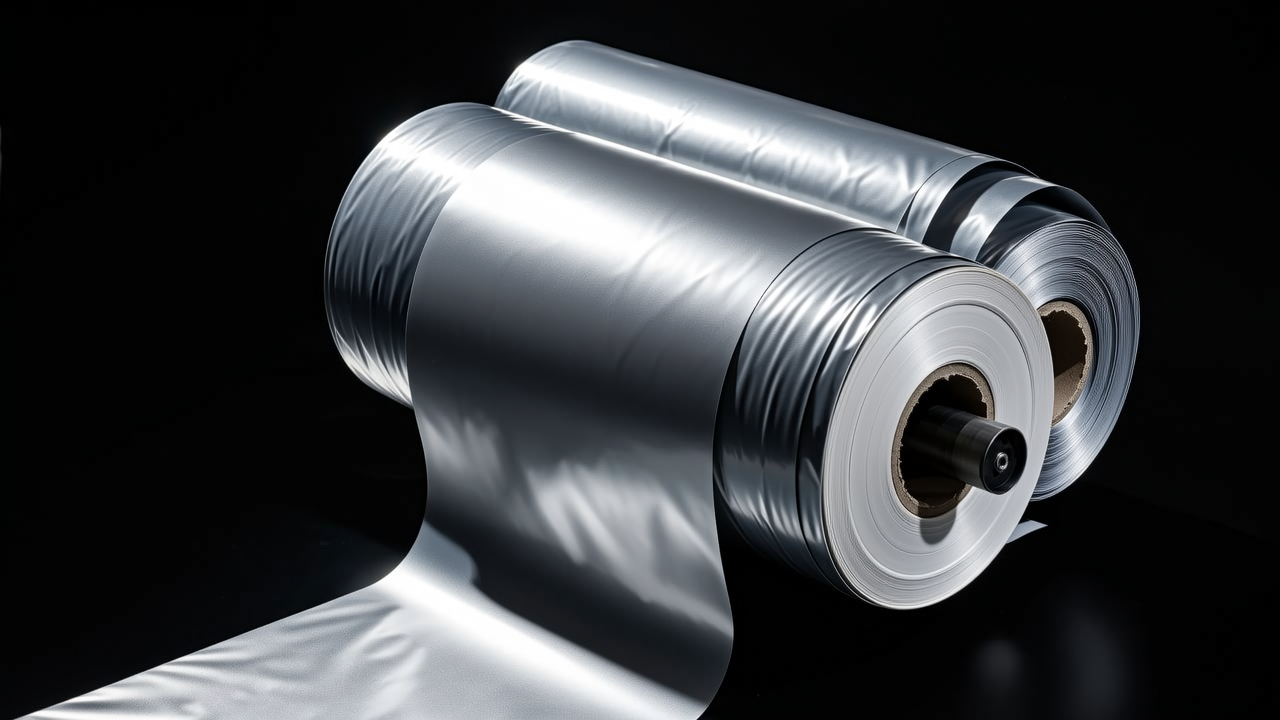
Traditional laminated flexible packaging combines different materials (PET/AL/PE), which are hard to separate and recycle. Mono-material packaging uses a single polymer (all-PE or all-PP structures) as the main body, achieving different functional layers through material modification so the whole package recycles as one. This is one of the most important environmental trends in flexible packaging —mono-material PE packaging can reach over 90% recyclability, far above the under-20% of traditional laminates.
Packaging with recycled content
Packaging with recycled content (PCR/PIR) uses post-consumer recycled plastic (PCR) or post-industrial recycled plastic (PIR) to partially replace virgin resin. PCR comes from recycled bottles and containers collected after consumer use, cleaned, shredded and repelletized for packaging production. Currently,multiple global consumer goods giants have committed to raising PCR usage to 25%-50% by 2030. Food-grade PCR still faces strict food safety regulatory limits, though FDA and EFSA are gradually relaxing access conditions.
Key principles of recyclable design
Packaging recyclability depends not only on materials but on design. “Recyclable-friendly design” should follow these principles: use mono-materials or easily separable materials; avoid hard-to-remove labels and coatings; reduce colored pigments (carbon black especially interferes with optical sorting); use water-based inks and easily washable adhesives.
Category 3: Compostable packaging materials
Industrial vs. home composting
Compostable packaging materials biodegrade under specific conditions. By degradation conditions, they split into industrial composting and home composting.Industrial composting certifications (e.g. EN 13432, ASTM D6400)require over 90% degradation within 180 days at temperatures above 58°C, with degradation products non-toxic to soil. Home composting certifications (e.g. TUV HOME, AS 5810) require the same degradation at ambient temperature — a stricter standard, and few materials currently pass home composting certification.
Market status of compostable packaging
Compostable packaging is mainly used in short-term scenarios: produce packaging, single-use tableware, coffee capsules. Representative materials include PLA, PHA and starch-containing degradable composites. However,the market penetration of compostable packaging remains low, mainly limited by high costs (50%-150% more than ordinary packaging), insufficient composting infrastructure and low consumer awareness.
Category 4: Source-reduction and low-carbon packaging
Down-gauging and weight reduction
Reducing material use while maintaining packaging performance is the most direct environmental strategy. Through material modification and process optimization, film thickness can drop 10%-30% without sacrificing strength. For example, MDO (machine direction orientation) PE technology cuts PE layer thickness 20%-40% while keeping heat seal performance.Material reduction means not only fewer resources consumed but also lower transport carbon emissions.。
Bio-based virgin plastics
Bio-based PE, bio-based PP and similar materials use sugarcane ethanol or vegetable oil as feedstock but are not biodegradable — their environmental value lies in feedstock renewability. Bio-based PE’s carbon footprint is 40%-70% below petroleum-based PE, with physical properties identical to traditional PE, slotting seamlessly into existing recycling systems. This is a typical “drop-in” solution.
How to choose the most suitable eco-friendly packaging solution for your product
There is no “one-size-fits-all” answer in eco-packaging. Brands should weigh these factors: product shelf life and storage conditions — high-barrier products are unsuited to biodegradable materials; target-market environmental regulations — EU exports need PPWR and EPR, US exports need FDA and EPEAT; consumer acceptance of and willingness to pay for eco-packaging — eco-packaging usually costs more, but some consumers will pay; local recycling infrastructure — without local composting facilities, compostable packaging is not the optimal choice.
The most recommended approach: reduce first, then optimize materials, and finally consider certification and labeling. In most cases, cutting unnecessary layers and volume beats switching to eco-materials — more effective and more economical.
OMOPACK is committed to sustainable packaging solutions for brand customers, covering mono-material packaging, PCR-material packaging, source-reduction design and other eco-options.Contact Us, get professional eco-packaging selection advice and custom solutions.