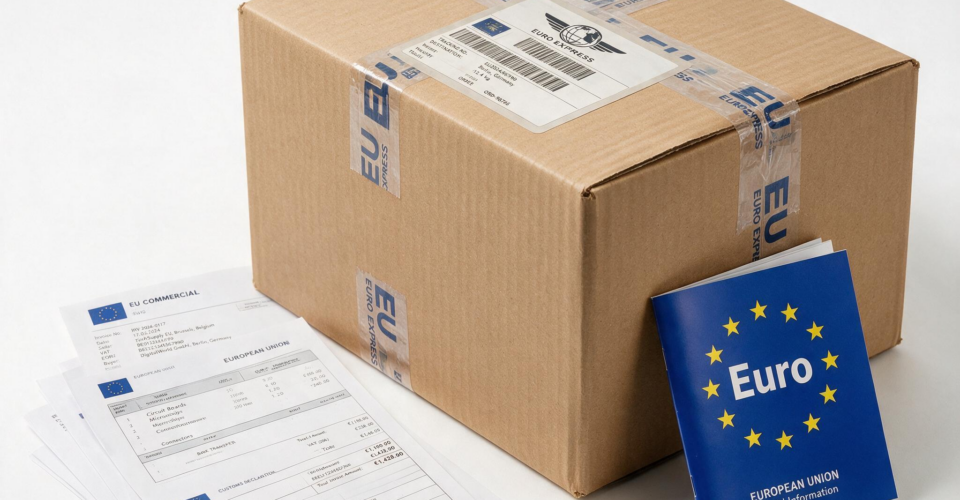
How to Design Cross-Border E-Commerce Packaging? 5 Core Principles

How to Design Cross-Border E-Commerce Product Packaging? 5 Core Principles

Cross-border e-commerce competition has extended from the product itself to packaging. The first thing overseas consumers see when receiving a package is the packaging; platforms like Amazon and TikTok Shop also have clear packaging requirements. A good cross-border e-commerce product packaging design is not just “good-looking” — it must simultaneously satisfy four dimensions: logistics, cost, compliance and brand experience. Based on practical experience from a flexible packaging factory, this article summarizes 5 core principles for cross-border e-commerce product packaging design.

EU EPR Packaging Compliance Guide: Full Registration and Reporting Process for Exporters

EU EPR Packaging Compliance Guide: The Full Registration and Reporting Process for Exporters

For companies exporting to the EU market, EPR (Extended Producer Responsibility) is no longer an “option” but a compliance threshold for entering the European market. Since 2023, major countries such as Germany and France have progressively tightened packaging law enforcement; companies that fail to complete EPR registration and reporting face delisting, fines and even sales bans. What exactly is EU EPR? Which countries must packaging exporters register in? What is the full registration and reporting process? Based on our hands-on experience serving cross-border clients, this article provides a complete guide.

amazon-packaging-requirements

Amazon Packaging Requirements Explained: SIOC vs Frustration-Free Packaging

Amazon Packaging Requirements Explained: How to Choose Between SIOC and Frustration-Free Packaging

Amazon packaging requirements are rules every cross-border seller must understand before listing products. SIOC and Frustration-Free Packaging are the two most frequently mentioned concepts. Many sellers are confused when they first hear these terms — not knowing the difference or which one their product should use. Drawing on our practical experience serving cross-border clients, this article explains these two concepts in Amazon packaging requirements in plain terms.

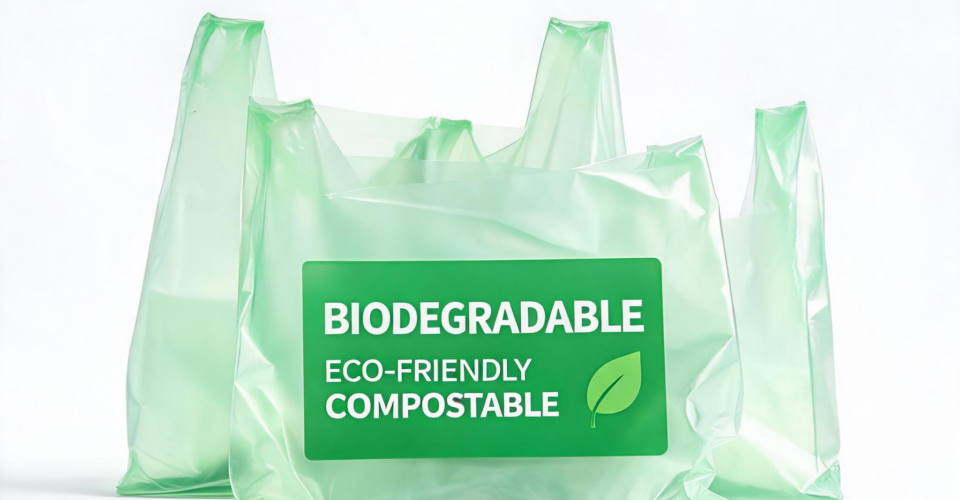
How to Tell Real Biodegradable Plastic Bags from Fakes? 5 Practical Methods to Avoid Traps

How to Tell Real Biodegradable Plastic Bags from Fakes? 5 Practical Methods to Avoid Traps

As the plastic ban advances nationwide, “biodegradable plastic bags” have become a buzzword in supermarket, delivery and e-commerce packaging. But the market is full of mixed quality: some bags genuinely decompose under specific conditions, while others are just ordinary PE bags with new marketing claims and a higher price. How to tell real biodegradable plastic bags from fakes is a question consumers and buyers cannot avoid. This article combines frontline production and testing experience to give you 5 practical identification methods that require no professional equipment.

The Complete Guide to PLA: An In-Depth Look from Polylactic Acid to Packaging Applications

What is PLA? A comprehensive introduction to polylactic acid

PLA (Polylactic Acid) is a bio-based plastic made from renewable plant resources such as corn starch, cassava or sugarcane, by fermenting them into lactic acid and then polymerizing it. As one of the most commercially successful biodegradable materials, PLA is showing increasingly important application value in food packaging. It not only offers the processing performance of traditional plastics, but also unique biodegradable properties, making it a popular solution to plastic pollution.

Complete Classification of Eco-Friendly Packaging Materials: Biodegradable / Recyclable / Compostable Explained at a Glance

What Eco-Friendly Packaging Materials Are There? A Full Guide to the Classification System

With rising global environmental awareness and continuing plastic-restriction policies, eco-friendly packaging materials have become one of the hottest topics in the packaging industry. Yet behind the seemingly simple concept of “eco-friendly packaging” lies a system of many different material types and technical paths. Biodegradable, recyclable, compostable — these terms are often used interchangeably but actually have different definitions, standards and applications. This article systematically sorts out the main categories of eco-friendly packaging materials from the perspectives of material science and environmental policy.

What Is Mono-Material Packaging? Why Is It One of the Biggest Trends in Flexible Packaging?

What Is Mono-Material Packaging? Why Is It One of the Biggest Trends in Flexible Packaging?

Driven by tightening global environmental regulations and rising consumer eco-awareness, mono-material packaging is becoming one of the most influential trends in the flexible packaging industry. Mono-material packaging means the entire packaging structure is made of a single plastic material (such as all-PE or all-PP structures), rather than traditional multi-layer structures of different materials. The driver behind this change is a practical problem: traditional laminated packaging uses PE, PET, foil and nylon in combination, making recycling difficult.

China’s Plastic Ban Progress: Latest Policy Interpretation for 2025-2026

China’s Plastic Ban Progress 2025-2026: Latest Policy Interpretation and How Companies Should Respond

In recent years, the plastic ban has kept tightening — from the national “14th Five-Year Plan for Plastic Pollution Control” to local implementation rules, the plastic packaging industry is undergoing unprecedented policy change. This article provides the latest interpretation of China’s plastic ban progress in 2025-2026, analyzes the practical impact on packaging companies and brands, and offers actionable response strategies.

Are Biodegradable Plastic Pouches Really Eco-Friendly? A Rational Analysis from a Factory Practitioner

Are Biodegradable Plastic Pouches Really Eco-Friendly? A Rational Analysis from a Factory Practitioner

In recent years, “biodegradable plastic pouches” have frequently appeared in news reports and e-commerce packaging options. As consumer environmental awareness rises, more brands are adopting biodegradable packaging. But as packaging industry practitioners, we are often asked: are biodegradable plastic pouches really eco-friendly? The answer is not as simple as the advertising suggests. This article rationally analyzes the environmental truth of biodegradable plastics from a packaging factory perspective.

Please enable JavaScript in your browser to complete this form.
=