When working with packaging factories, negotiation is what procurement professionals dread most — especially for a first cooperation. MOQ won’t come down, payment terms won’t budge, and only after quoting do you find your price is higher than others’. In fact, negotiation in the packaging industry follows patterns. This article shares 7 practical tips to help you secure more favorable terms when negotiating with packaging factories.
Tip 1: Don’t push for a price cut right away
Many novice buyers’ first words are “can you make it cheaper?” In the packaging industry, this is actually not the best strategy. Factory quotes usually already leave some profit margin, but if you only talk about price and never about cooperation, the factory will think you care about price alone, not quality — and will quote more cautiously.
A better approach: first learn about the factory’s production capacity, equipment and quality control system. Show genuine long-term cooperation intent so the factory sees you as a valuable customer. On that basis, when you discuss price, the factory is far more willing to offer discounts.
Tip 2: Start the negotiation from MOQ
MOQ (minimum order quantity) is one of the biggest hurdles in packaging customization. If your first order cannot meet the factory’s standard MOQ, try:
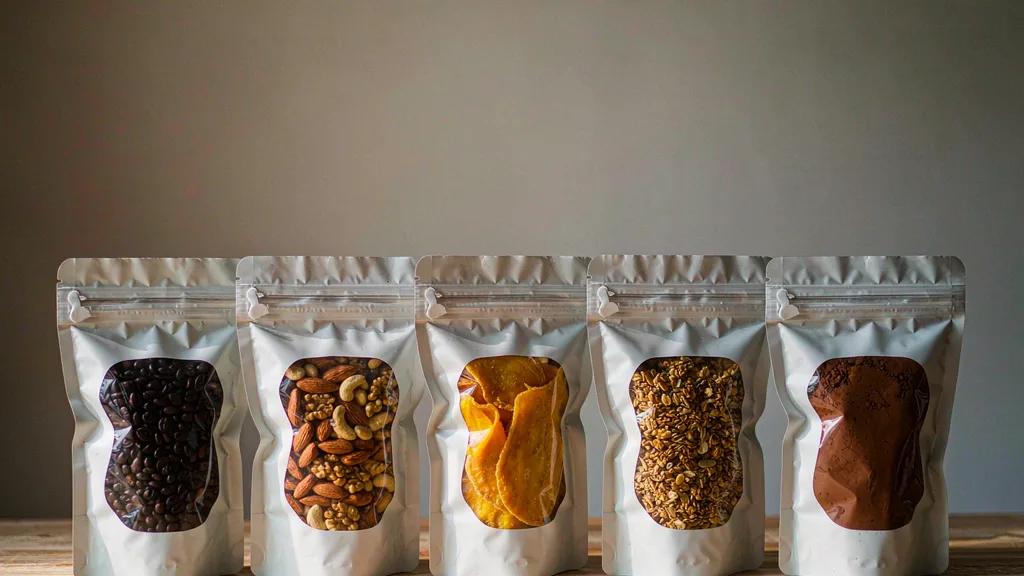
- Combine products to reach MOQ: for example, combine different pouch types and sizes in the same material into one order, sharing cylinders and materials.
- Use stock materials: ask the factory to use ready stock materials, cutting material customization costs — factories are more willing to lower MOQ.
- Choose digital printing: digital printing has no plate-making or plate-change costs, so MOQ can drop to a few hundred or even dozens of pieces.
- Bear the plate-making fee: if the MOQ cannot be lowered, proactively offer to bear the full or partial plate fee — the factory will have room to give ground on MOQ.
Tip 3: Define your bottom line on payment terms
Common payment terms in the packaging industry:
- New customers: usually 30% deposit + 70% balance before shipment. This is the industry standard and hard to negotiate down.
- Returning/long-term customers: can negotiate 30% deposit + 70% on 30-day monthly settlement, or even better terms.
- Large orders: if the order value is very high, you can negotiate installment payments — for example, paying by batch.
One thing to note: don’t ask the factory for credit terms on the very first cooperation. The risk of extending credit to a new customer is high, and that risk cost eventually ends up in the quote. Build trust over two or three orders first, then negotiate credit terms — it will go more smoothly.
Tip 4: Negotiate “total cost” instead of “unit price”
Many people make the mistake of only looking at the pouch unit price. But total packaging cost includes: unit price x quantity + plate-making fees + die fees + shipping + sampling + testing. A factory may offer a low unit price but make it up in other fees — the final total may not be a good deal.
During negotiation, clarify every line on the quote, then ask the factory to quote total cost “including plate fees and shipping” — this makes it easier to compare suppliers fairly.
Tip 5: Leverage the off-season/peak-season timing
The packaging industry has clear peak and off seasons:
- Peak season: Chinese New Year gift packaging demand, Mid-Autumn mooncake packaging, Singles’ Day e-commerce packaging — during these periods factory capacity is fully booked, prices are hard to negotiate and lead times are long.
- Off season: March-April and July-August are relative off seasons when factory capacity utilization is low — placing orders then makes it easier to get good prices.
If you plan your procurement cycle ahead and order in the off season, prices can usually be negotiated to 85-95% of peak-season quotes. Off-season factories also deliver faster with more meticulous quality control.
Tip 6: Negotiation opportunities at the sample approval stage
Many buyers think sample approval is just a QC step, but it is also a negotiation point. If the samples are fully satisfactory, use the moment to negotiate prices for follow-up orders. The factory has invested a lot of effort in the sample stage and would rather keep a satisfied customer than hunt for new ones.
At sample approval you can say: “The sample quality is excellent and our demand will keep growing. If you can give us a better price, we can sign an annual framework agreement.” At this moment the factory’s willingness to cooperate is at its peak.
Tip 7: Establish expectations of long-term cooperation
The packaging industry values stable orders most. If you can demonstrate the value of long-term cooperation, the factory will offer concessions greater than any one-off negotiation:
- Annual agreements: commit to an annual purchase volume and ask for tiered pricing (the larger the volume, the lower the unit price).
- Exclusive supply: source a certain category exclusively from that factory and ask for the best price.
- Early payment: prepay the full year or pay each batch in advance in exchange for price discounts.
- Volume upgrades: upgrading from low-end products to premium lines also makes factories willing to concede on price.
Summary: negotiation is fundamentally about win-win cooperation
Profit margins in the packaging industry are thin. Factories are not unwilling to cut prices — they need a reason: large volumes, fast payment, proximity, long-term cooperation. In negotiation, focus on “what value can I bring the factory” instead of “can you make it cheaper” — you will find the outcome far better than you imagined.
Questions about packaging procurement? Welcome to contact OMOPACK and visit Contact Us