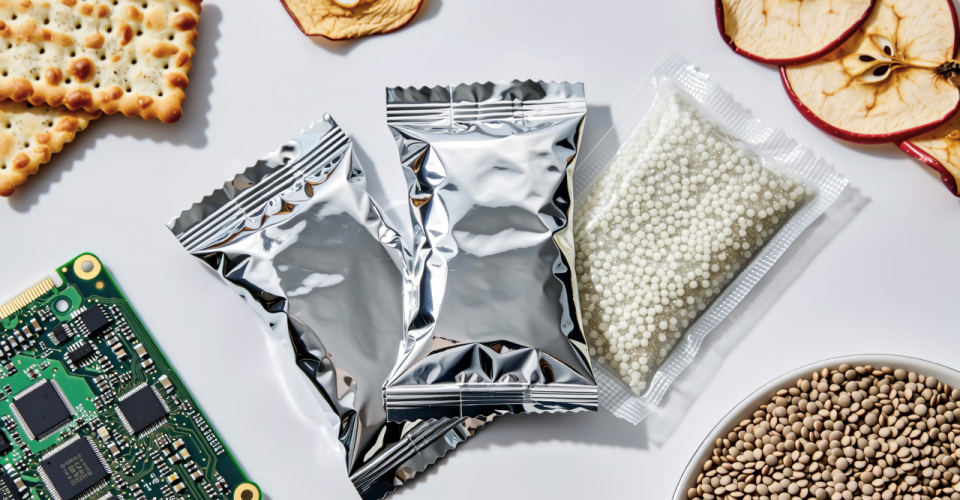
Moisture-Proof Packaging Bags are everywhere — but the bags that protect food and the bags that protect electronics are built on completely different logic. Choose the wrong one and you risk spoiled products, corroded components or failed inspections. This guide explains how moisture-proof packaging bags work, which materials matter, and how to match the bag to the product.
How Moisture-Proof Packaging Bags Work
Moisture-proof packaging is all about blocking water vapor. The key performance indicator is the water vapor transmission rate (WVTR), measured in grams per square meter per 24 hours. The lower the WVTR, the better the bag resists moisture.
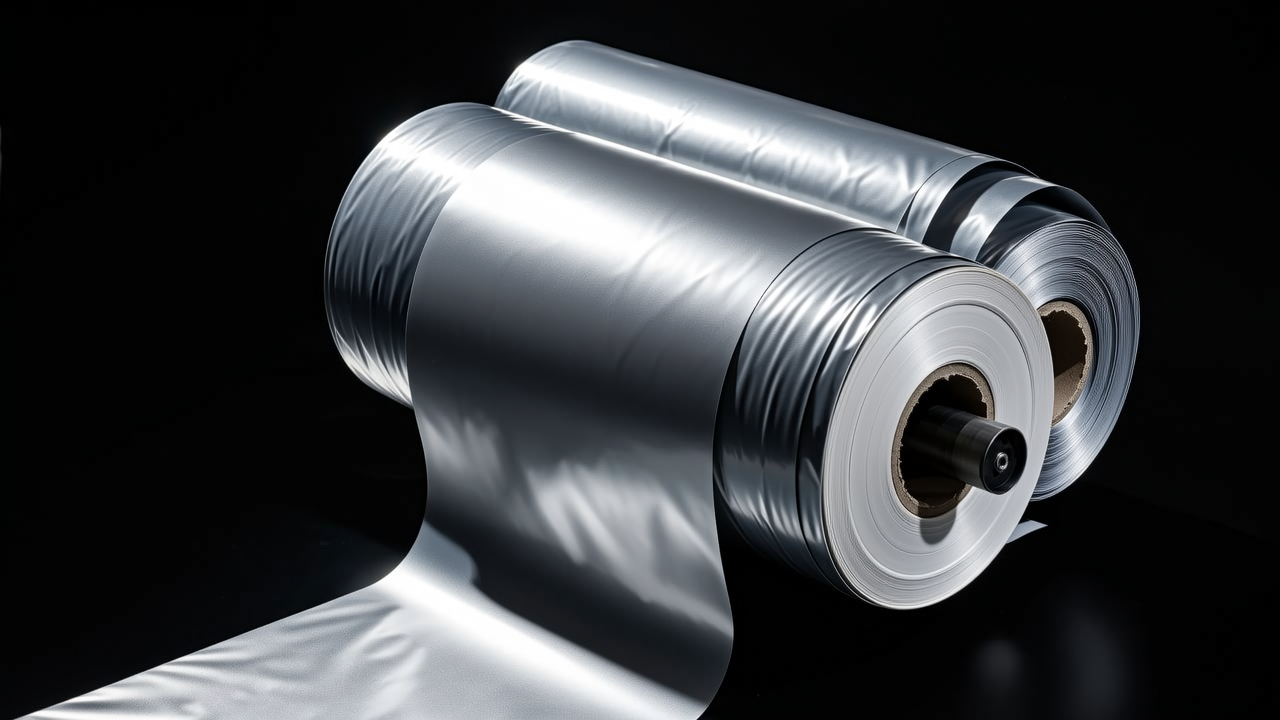
Materials rank roughly as follows: aluminum foil offers near-zero WVTR, followed by metallized film, then PET and nylon, with PE and PP at the bottom of the ranking. That is why demanding applications almost always use foil or high-barrier structures — see our guide to freeze-dried food packaging for an extreme example of moisture-sensitive product protection.
Food Packaging: Keep Quality and Shelf Life
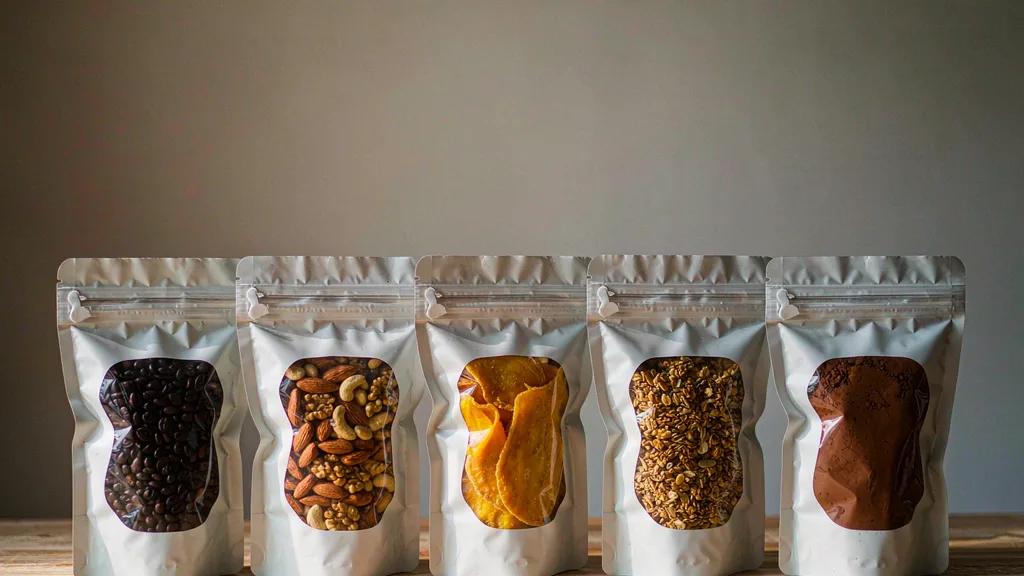
For food, moisture is the enemy of texture, flavor and safety. Low-water foods — nuts, biscuits, snacks, tea, milk powder and freeze-dried products — absorb moisture quickly, losing crispness and risking mold growth.
The standard food solution combines a high-barrier bag with a food-grade desiccant: the bag blocks outside vapor, while the desiccant absorbs residual moisture inside. Products like freeze-dried food demand the highest barrier levels in the food category, with foil laminates as the norm rather than the exception.
Food moisture-proof bags must also meet food-contact regulations: compliant materials, safe inks, and certified desiccants that cannot leak. Moisture control is the goal; food safety is the boundary.
Electronics Packaging: Prevent Functional Failure
Electronics fail differently. A circuit board, sensor or connector that absorbs moisture can short-circuit, oxidize or suffer solder corrosion — damage that is often permanent and expensive. Electronics packaging therefore aims for maximum reliability over long storage periods, often years, including harsh marine shipping conditions.
The classic electronics setup is the “three-piece system”: an aluminum foil moisture-barrier bag, a desiccant pouch, and a humidity indicator card (HIC) that shows whether the bag has stayed dry. Leak testing after sealing is standard practice, because a pinhole can silently destroy the entire protection scheme.
Because failure costs are high, electronics moisture-proof bags almost always use foil laminates with strong puncture resistance, rather than plain PE bags.
Choosing the Right Moisture-Proof Packaging Bag
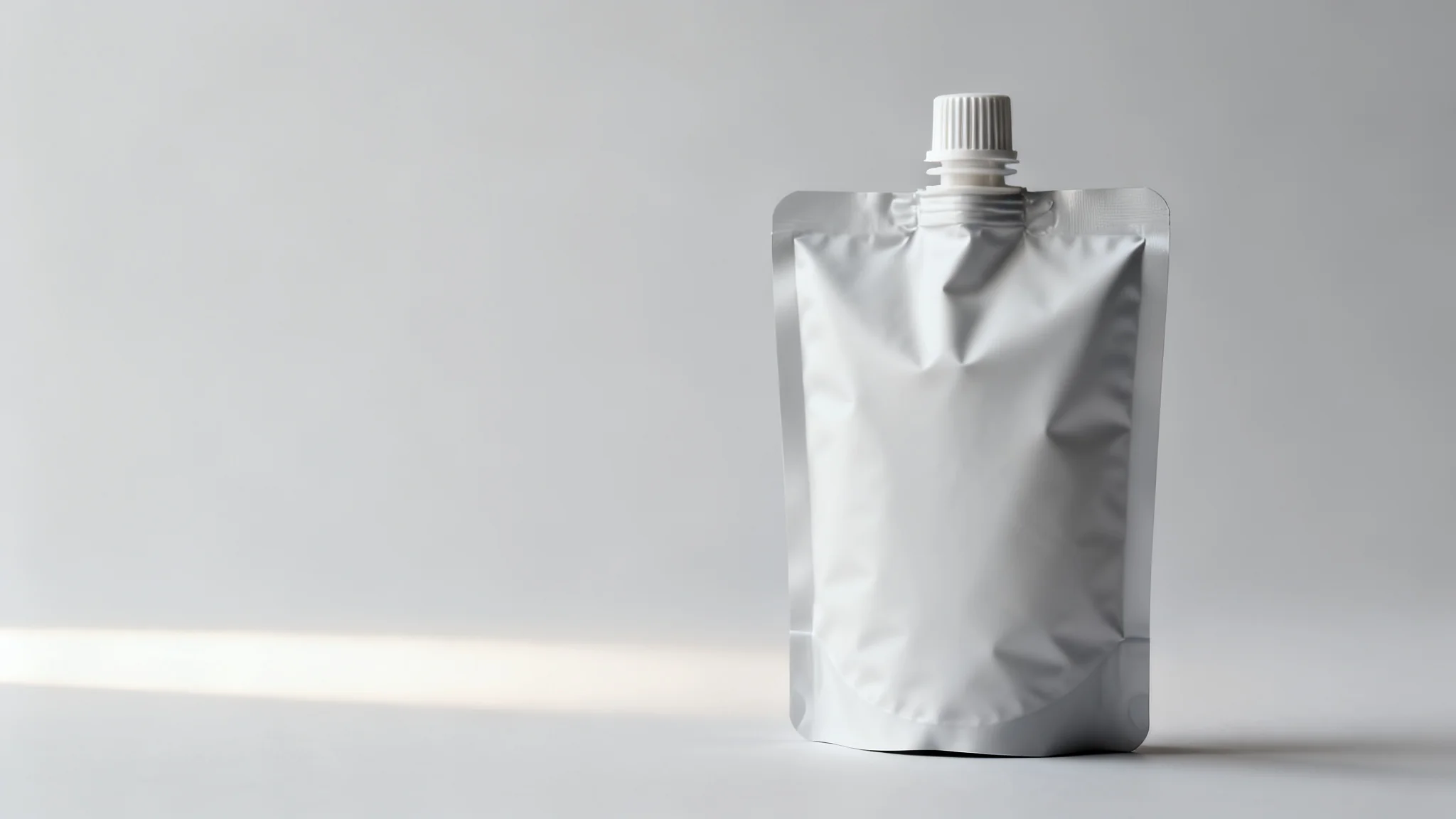
Barrier levels, from low to high: PE/PP bags for short-term, low-requirement protection; metallized bags for medium barrier at good cost; aluminum foil bags for high barrier and long-term storage; and foil-plus-nylon laminates for the toughest jobs where moisture barrier and puncture resistance both matter. Liquid packaging presents related sealing challenges — see our guide to liquid packaging bags for a comparison of sealing systems.
Four things to check when buying: WVTR test reports from a third-party lab; seal quality, since a weak heat seal defeats any barrier film; size and layout, leaving room for desiccant and a proper seal area; and certifications, including food-grade compliance for food use and target-market documents for export.
Common Mistakes
Thicker is not more moisture-proof — barrier comes from material, not thickness. Desiccants must be sized to the bag volume and storage period; too little is useless, too much wastes space and money. And moisture-barrier bags should not be reused after opening, because barrier performance drops sharply once the seal is broken.
Summary
There is no universal moisture-proof bag. Food applications demand compliant, quality-preserving protection; electronics demand extreme, long-term reliability. Define your product’s real requirements, choose the right barrier grade, and complete the system with desiccants, indicator cards and seal testing — that is how moisture-proof packaging actually works.
Need custom moisture-proof packaging for food or industrial products? Contact OMOpack for material selection, structure design and production.
Explore more packaging knowledge at OMOpack.com.