Export packaging design is a discipline that too many brands underestimate. A beautiful retail package that performs perfectly on a domestic shelf can fail completely after two weeks in a shipping container. Export packaging design must balance three competing demands: protection against the physical shocks of transit, compliance with the regulations of the destination market, and control of the total landed cost. The right design depends heavily on the shipping mode. Sea freight, air cargo and express courier each impose different stresses on packaging, and each has its own cost structure. In this guide we break down the differences and give exporters a practical framework for choosing the right export packaging for every channel.
Sea Freight: The Brutal Reality of Containers
Sea freight moves the majority of global trade, and it is also the hardest environment for packaging. A standard 40-foot container can carry hundreds of cartons stacked many layers high. Cartons at the bottom of the stack carry the weight of everything above them, sometimes for weeks at a time. Temperature and humidity inside a container fluctuate dramatically, especially on routes that cross the equator or pass through cold zones. Condensation, known as container sweat, can wet cardboard and weaken corrugated boxes. For these reasons, export packaging design for sea freight starts with compression strength: the box must withstand a stacking load far greater than what a domestic warehouse would ever create.
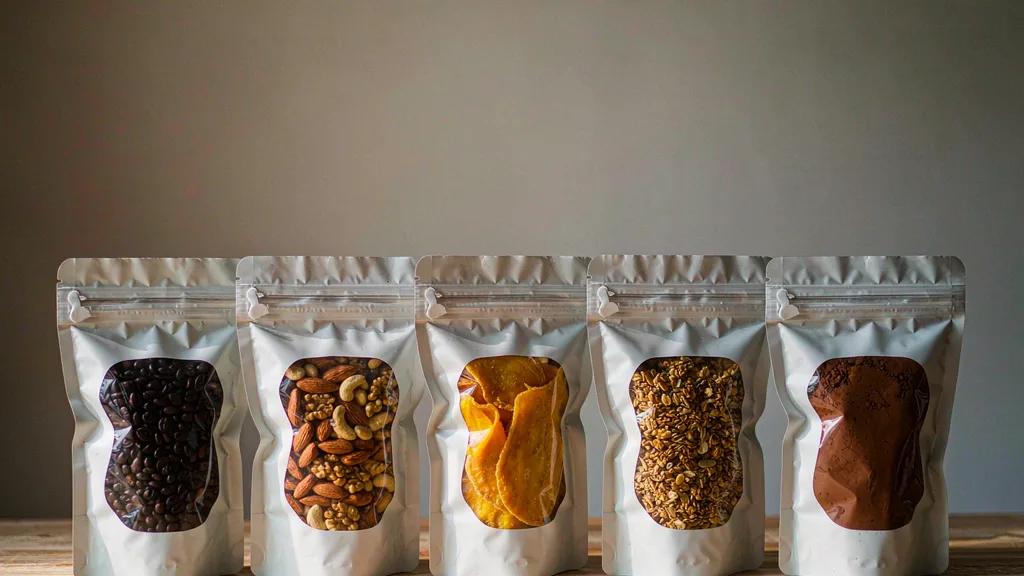
Inside the carton, the product itself needs additional protection. Flexible pouches and bags should be wrapped or separated so that sharp edges of adjacent products do not puncture the film. Desiccants are often added to absorb moisture during the voyage. If the product is sensitive to oxygen, high barrier pouches combined with vacuum or nitrogen flushing provide the first line of defense, and the outer carton provides the second. Labels must also survive the journey: print with durable inks and apply labels that resist rubbing, because a scuffed barcode can delay customs clearance or cause the shipment to be rejected.
Air Cargo: Lightweight Protection at a Premium
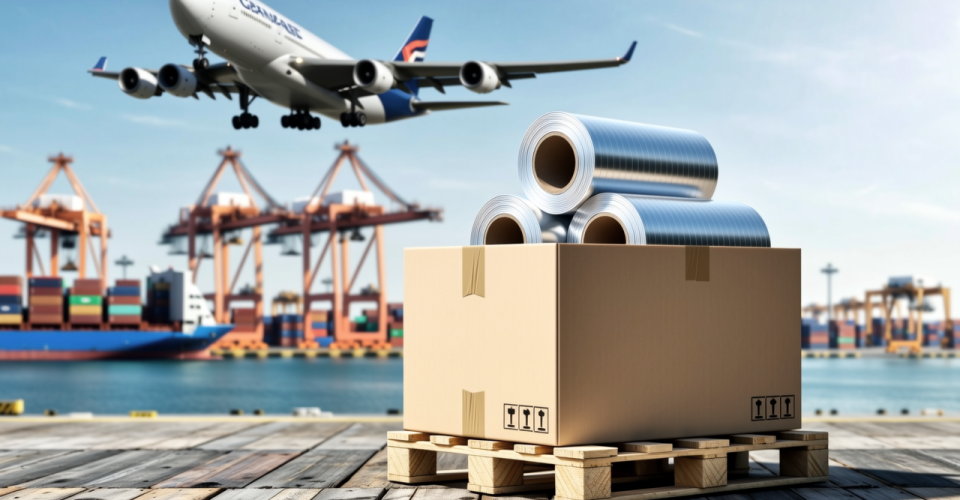
Air cargo is priced per kilogram, which changes the packaging calculation completely. The goal of export packaging design for air freight is to minimize weight while still protecting the product through a shorter, gentler journey. Air freight is faster than sea freight, so packaging spends less time exposed to humidity and temperature swings. However, cargo is handled multiple times at airports, and the risk of impact damage is real. Lightweight but rigid structures, such as honeycomb board or molded pulp corner protectors, protect edges without adding much weight. Inside the package, inflatable air pillows and foam inserts absorb shocks while weighing almost nothing.
Brands shipping by air are usually moving high-value, time-sensitive goods: electronics, fresh food, medical devices or promotional samples. For food products, air freight often serves premium channels where freshness commands a higher price. In these cases, the packaging should protect the product and reinforce the premium image. A well-designed pouch with a clean, minimal aesthetic tells the buyer that the product inside was handled with care. Keep the outer packaging simple but presentable, because some air freight shipments move directly from the airline to the end customer without re-packing.
Courier and E-commerce: The Last Mile Is the Hardest Mile
Express courier shipping is the final stage of most export journeys and the one with the highest handling intensity. Parcels are sorted, tossed and stacked multiple times in distribution hubs. The last mile, from the local courier depot to the consumer’s door, involves vehicles, weather and human handling that are difficult to control. E-commerce parcels are also subject to “porch drop” conditions: they may sit outside in rain or direct sunlight for hours before the recipient arrives. Waterproof or water-resistant packaging, secure sealing and clear handling labels all become essential.
Regulatory requirements also differ by destination. The United States and the European Union have distinct rules for food contact materials, labeling and packaging waste, and exporters must design accordingly. Our comparison of US versus EU packaging requirements explains the key differences, while our guide to the EU PPWR regulation covers the new packaging waste rules that every exporter to Europe must understand before 2030.
Cost Control: Packaging as a System, Not a Single Box
Experienced exporters treat packaging as a system: the pouch, the carton, the pallet and the void fill must work together. Choosing a slightly more expensive pouch material can reduce carton weight, lower freight cost and cut product damage claims, which often saves money overall. The same logic applies to dimensions. Oversized boxes waste space and money in every shipping mode, because couriers and airlines bill by volumetric weight. Right-sizing your carton, using the correct box strength for the stacking height, and matching the inner pouch barrier to the actual transit time are the three highest-leverage decisions in export packaging design.
Working with a packaging manufacturer that understands export is a major advantage. A good supplier will ask about your destination markets, shipping mode and transit time before recommending a structure, and will test the packaging accordingly. They should also provide documentation such as food contact declarations and test reports that support your compliance work.
Build a Packaging Strategy for Every Export Channel
No single packaging solution fits every export channel. A cost-effective sea freight carton, a lightweight air cargo unit and a consumer-friendly courier parcel each deserve their own design. Start by mapping your channels, measuring your damage rates and calculating your true landed cost. Then design each packaging tier with its specific stresses in mind. Small improvements in material selection, carton dimensions and sealing methods translate directly into fewer returns, happier customers and healthier margins.
Want to optimize your export packaging design? Talk to our engineers about barrier structures, carton specifications and compliance support. Reach us through our contact page for a free consultation, and browse OMOpack.com for more export packaging knowledge and industry updates.