When people talk about biodegradable packaging, PLA usually gets all the attention — but PBAT material is the quiet workhorse that makes flexible eco-friendly packaging actually usable. This PBAT material guide explains what PBAT is, how it degrades, why it is almost always blended with PLA, and where it fits in your packaging strategy. If you are evaluating compostable bags, films, or pouches, understanding PBAT is essential before you commit to a material structure.
What Is PBAT Material?
PBAT stands for poly(butylene adipate-co-terephthalate), a petroleum-based biodegradable polyester produced by copolymerizing butylene adipate and butylene terephthalate. Its molecular chains are flexible, giving the resin mechanical properties close to low-density polyethylene (LDPE). That flexibility is exactly why PBAT material is often described as the “biodegradable version of PE.”
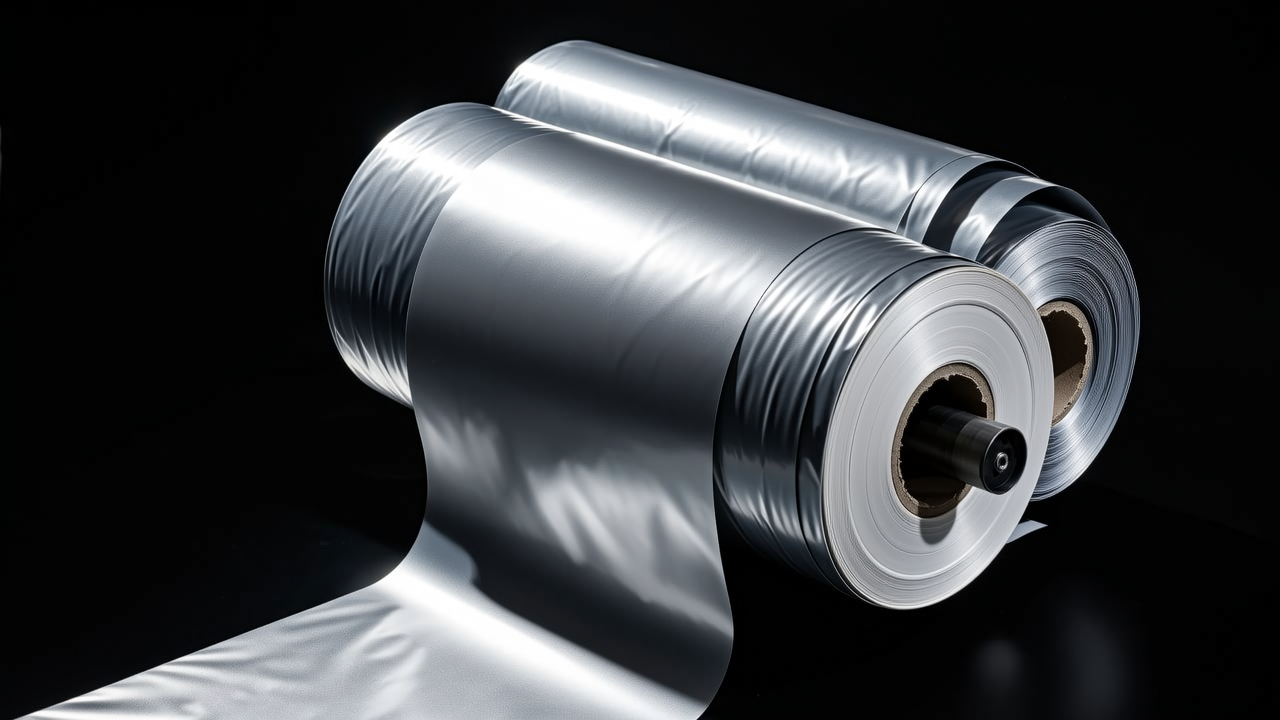
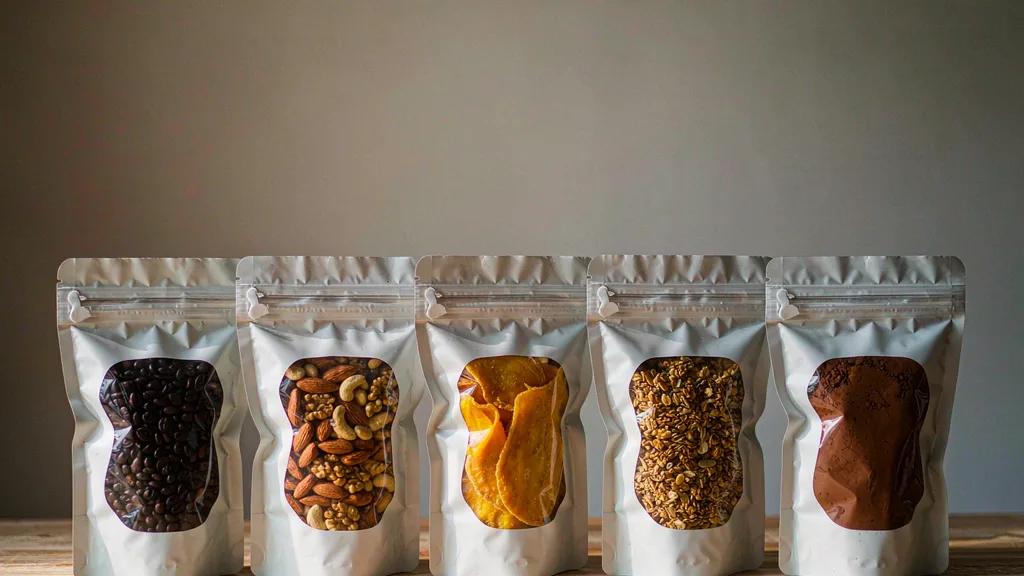
Unlike PLA, which is rigid and brittle, PBAT can be blown into thin, tough films without cracking. This makes it the preferred resin for biodegradable shopping bags, trash bags, courier pouches, and food packaging films. In practical terms, PBAT provides the toughness, while PLA provides the stiffness — which is why the two are so rarely used alone.
How Does PBAT Material Degrade?
PBAT material breaks down through hydrolysis and microbial digestion of its ester bonds. Under industrial composting conditions — controlled temperature, humidity, and microorganism activity — PBAT typically achieves more than 90 percent biodegradation within 180 days, in line with standards such as GB/T 38082 and EN 13432.
There is an important caveat: PBAT requires proper composting conditions. Discarded in the open environment or in a landfill, degradation slows dramatically. This is true of all compostable plastics, and it is a point every brand should communicate honestly rather than overpromising “it disappears anywhere.” For a deeper look at real-world degradation timelines, see our article on how long biodegradable packaging takes to degrade.
PBAT and PLA: A Natural Partnership
Pure PBAT film lacks stiffness, and pure PLA film is too brittle for most bag applications. Blending them solves both problems: PLA contributes rigidity and heat resistance, while PBAT contributes flexibility and impact strength. Most compostable shopping bags, produce bags, and food service films on the market use a PLA/PBAT blend, typically in ratios between 70/30 and 40/60 depending on the application.
This synergy is why a complete view of compostable packaging requires understanding both resins. The blend ratio directly affects film strength, sealing performance, cost, and compostability certification, so work with your supplier to tune the formula to your product’s weight and puncture requirements.
Applications and Limitations of PBAT
Typical PBAT applications include compostable shopping bags, garbage bags, courier packaging, food wrap films, agricultural mulch film, and — blended with PLA — food containers and cutlery. Processing is straightforward: standard blown-film and cast-film lines can run PBAT blends with minor adjustments, which keeps the barrier to entry low for converters.
The limitations are equally clear. PBAT has poor heat resistance (Vicat softening temperature around 60°C), modest barrier properties, and a cost premium of roughly 30 to 50 percent over conventional PE film. It suits ambient-temperature, short-shelf-life products rather than long-life or high-barrier applications. If you are weighing sustainability claims across different material families, our comparison of US and EU packaging requirements helps clarify the regulatory side of choosing certified compostable structures.
Choosing the Right PBAT-Based Packaging
Three checks will help you select a PBAT-based package with confidence. First, verify the formulation: confirm the PLA/PBAT ratio and any additives against your required film strength and sealing performance. Second, verify certification: the finished film should meet GB/T 38082, EN 13432, or ASTM D6400 as applicable to your target market, with third-party test reports available. Third, verify the end-of-life story: make sure your customers know how to compost the packaging correctly, because collection and industrial composting infrastructure still determines the real-world outcome.
Summary
PBAT material is the flexible, degradable backbone of modern compostable packaging — the “other half” that makes PLA-based solutions practical. It degrades reliably under industrial composting, blends naturally with PLA, and processes on existing film lines. The trade-offs are heat resistance, barrier performance, and price, so match the structure to the product rather than chasing a generic “eco” label.
OMOpack specializes in customized flexible packaging, including certified compostable and recyclable structures. Contact us at OMOpack contact page for material recommendations, sampling, and compliance support, or visit our Chinese site at omopack.com.