Custom coffee pouches are an unavoidable step for coffee brands from startup to scale. A good coffee bean pouch must both lock in coffee’s aroma and freshness and carry the brand’s visual identity on the shelf. Facing the many combinations of materials, pouch types and processes, many brands don’t know where to start. Starting from the real needs of coffee packaging, this article maps the complete custom coffee pouch decision path — helping you choose right the first time and avoid repeated sampling.
Step 1: Define your coffee product’s packaging needs
Before customizing coffee pouches, answer three questions: what coffee, what shelf life, and where it sells. Whole beans, ground coffee and drip bags have different requirements: beans need venting and light blocking; ground coffee demands stronger barrier; drip bags must match filter bag and outer pouch together. On shelf life, long-term freshness over 12 months needs high-barrier foil structures; short-shelf-life products or fast-turnover channels can use lower-cost material combinations.
Sales channels also shape the choice: e-commerce needs transport compression resistance and opening experience; retail shelves need display effect and shelf life; gift channels value appearance and texture most. Think the needs through first — selection has a basis afterward.
Step 2: How to choose coffee pouch materials?
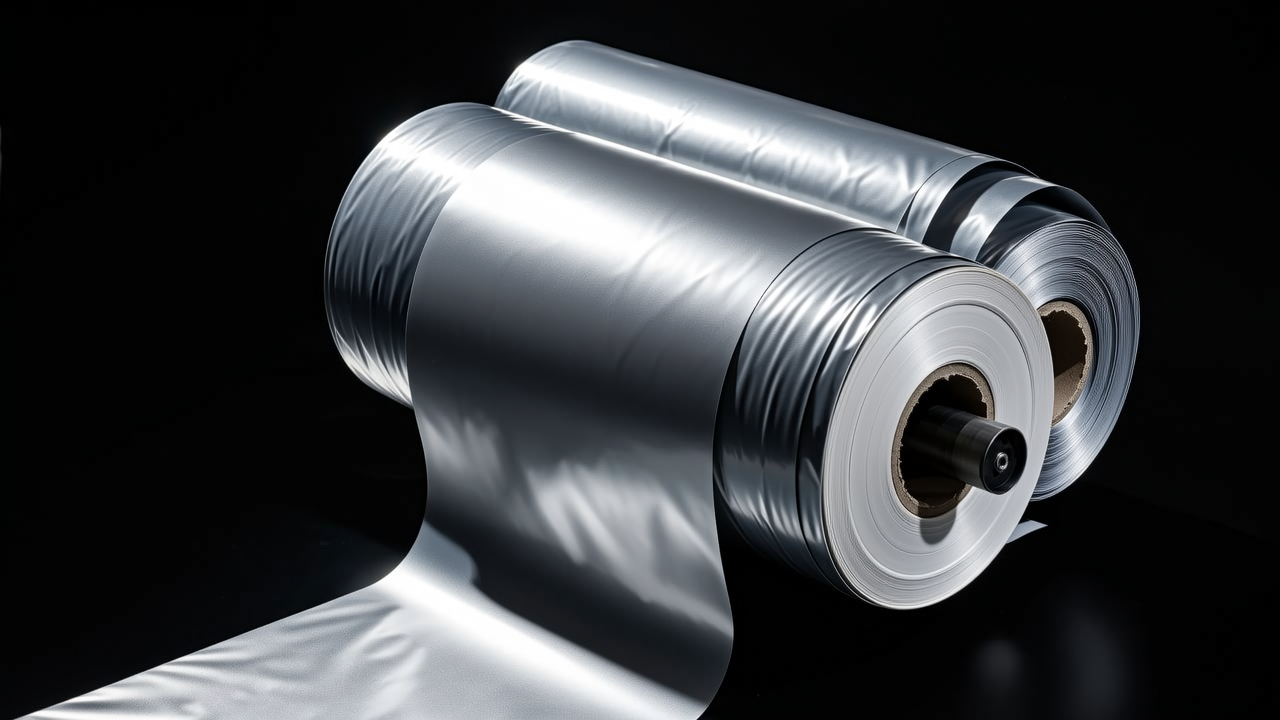
The classic coffee pouch material is foil laminate — PET/AL/PE or PET/AL/PA/PE — where the foil layer provides excellent oxygen and light barrier, the first choice for long-term freshness. For value, metallized film can replace pure foil — cheaper but slightly lower barrier, fitting medium-shelf-life products. Mono-material PE structures win on recyclability, suiting eco-positioned brands, but barrier must be reinforced with functional coatings.
The core material logic is “barrier needs decide the structure”. Roasted beans keep releasing CO2 while oxidizing easily — oxygen barrier, light barrier and venting are all indispensable. If you are not yet familiar with material fundamentals, refer to our earlierComplete Guide to Coffee Pouches, which explains materials and structures more systematically.
Step 3: How to choose the pouch type? The valve is the soul
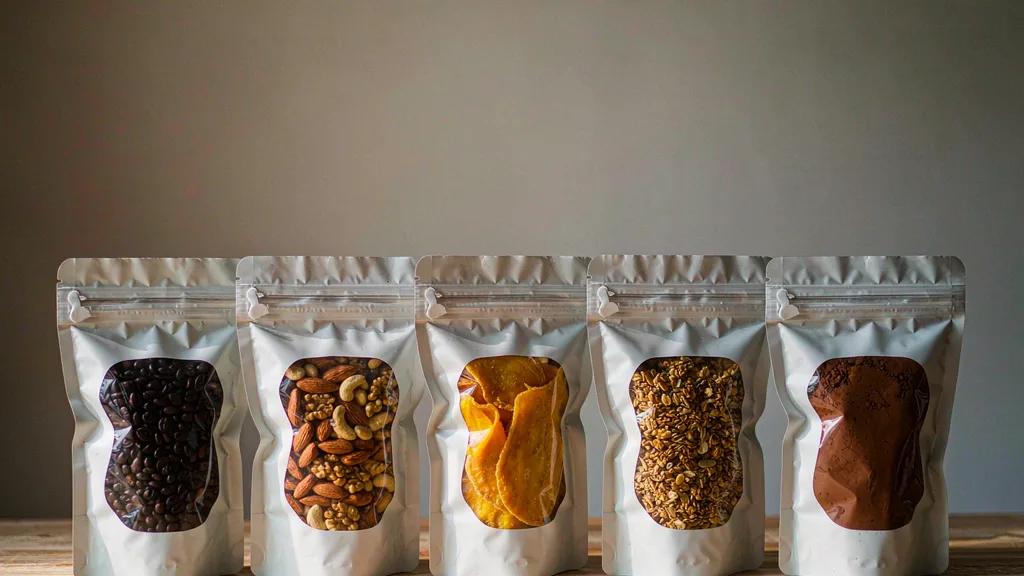
Common coffee pouch types: flat pouches, stand-up pouches, 8-side seal pouches. Flat pouches cost least, fitting entry-level or channel packs; stand-up pouches display upright with better shelf effect; 8-side seal pouches have flat bottoms and large capacity, fitting large family packs. Match pouch type to weight, channel and brand positioning — no absolute good or bad, only fit.
Whatever the type, freshly roasted coffee almost always needs a degassing valve. The one-way valve vents the CO2 released by the beans while blocking oxygen — the core component preserving coffee flavor. Valve style, position and freshness-indicator options are details to confirm when customizing. Easy-tear openings, zippers and other accessories also affect the experience and are worth planning together.
Step 4: Printing processes and visual presentation
Coffee is a high-premium, strongly visual category — print quality directly shapes brand texture. Gravure printing offers saturated colors and suits large volumes — the mainstream coffee pouch process; digital printing has no MOQ limit, fitting small-batch trials and new product tests. Request color cards and sample confirmations when customizing, paying special attention to dark backgrounds, gradients and foil stamping effects.
On design, coffee packaging commonly uses dark backgrounds with gold and white — conveying premium quality. Prepare print files per factory specifications with bleed and safe margins to avoid cut-off. For the first cooperation, start with a small batch to confirm color, material feel and seal quality before scaling.
Step 5: Customization process and cost control
The complete custom coffee pouch process: needs discussion, structural design, sample confirmation, mass production, QC and delivery. Sampling typically takes 3-7 days; mass production runs 15-25 days; rush orders can be negotiated with the factory. On cost, the main price drivers are material structure, pouch type complexity, color count and order quantity — higher MOQs mean lower per-pouch cost.
Practical cost-control advice: simplify structures within barrier needs, merge color counts, optimize pouch dimensions to reduce material waste. Choosing a factory with coffee packaging experience significantly cuts communication and trial-and-error costs.
Summary: choosing the right factory matters more than choosing the right solution
Custom coffee pouches are a highly professional system — materials, pouch types and processes are interlocked. Instead of agonizing over each link, find a factory familiar with coffee packaging and let the professional team translate your needs into solutions. Good suppliers proactively ask about your roast volume, sales channels and shelf-life goals — not quote on first contact.
OMOPACK is deep in coffee packaging, providing one-stop service from structural design, sampling to mass production, familiar with degassing valves, zippers, easy-tear openings and other accessory configurations, and recommending optimal material solutions for different coffee categories. Welcome toContact Us, for free sampling and professional selection advice.
For more flexible packaging solutions, please visitOMOPACK English website。