PCR recycled plastic — post-consumer recycled plastic — is becoming an important decarbonization path in the packaging industry. More and more brands use PCR in packaging to cut carbon footprints and honor sustainability commitments, and regulations in markets like the EU are pushing up recycled content ratios. So what exactly is PCR recycled plastic, which packaging can it be used in, and is it compliant for food contact? This article explains it all in one read.
1. What is PCR recycled plastic: from waste bottles to recycled pellets
PCR stands for Post-Consumer Recycled — recycled material extracted from plastic products collected after consumer use. Everyday PET and HDPE products like water bottles, beverage bottles and home & personal care bottles go through collection, sorting, washing, shredding, melting and pelletizing to become PCR pellets ready for production. Unlike PIR (post-industrial recycled material, from factory offcuts), PCR’s sources are more scattered with more impurities — harder to process and costlier, but more valuable in the decarbonization story because it genuinely reduces post-consumer waste going to landfills and the environment. PCR’s carbon footprint is typically 30% to 50% below virgin plastic — the fundamental reason brands pay a premium for it.
2. Main application scenarios for PCR recycled plastic
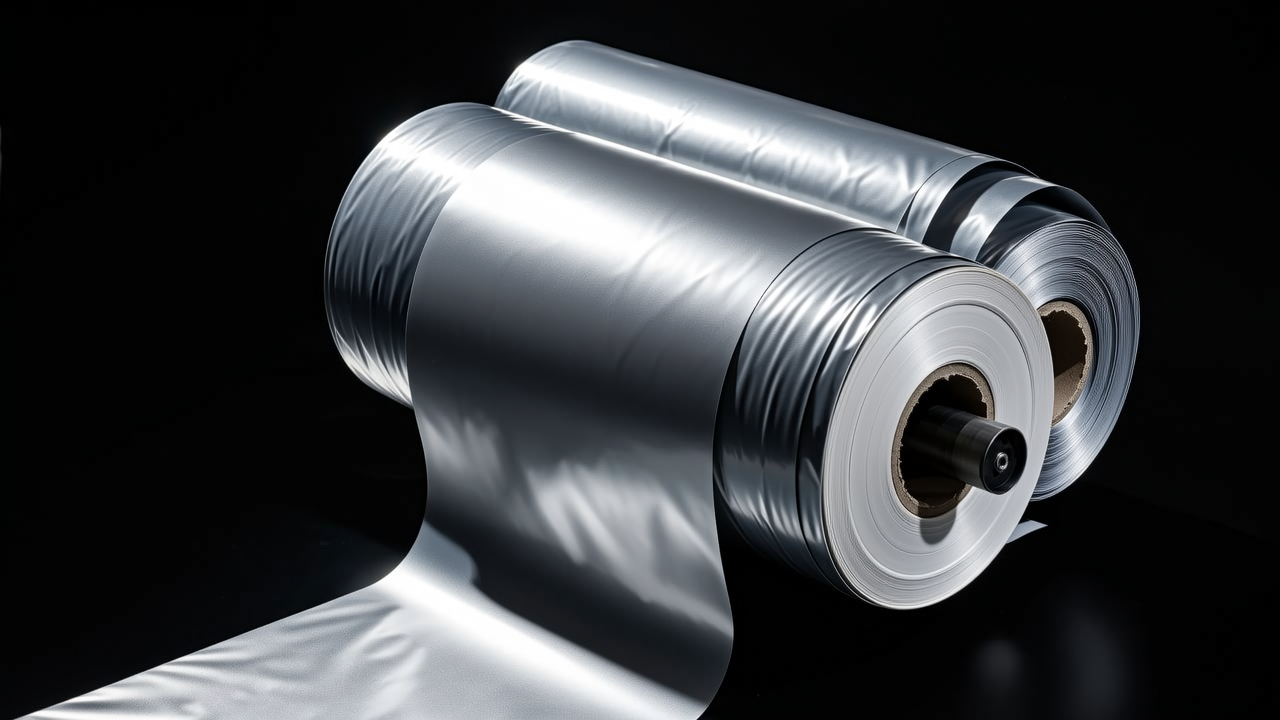
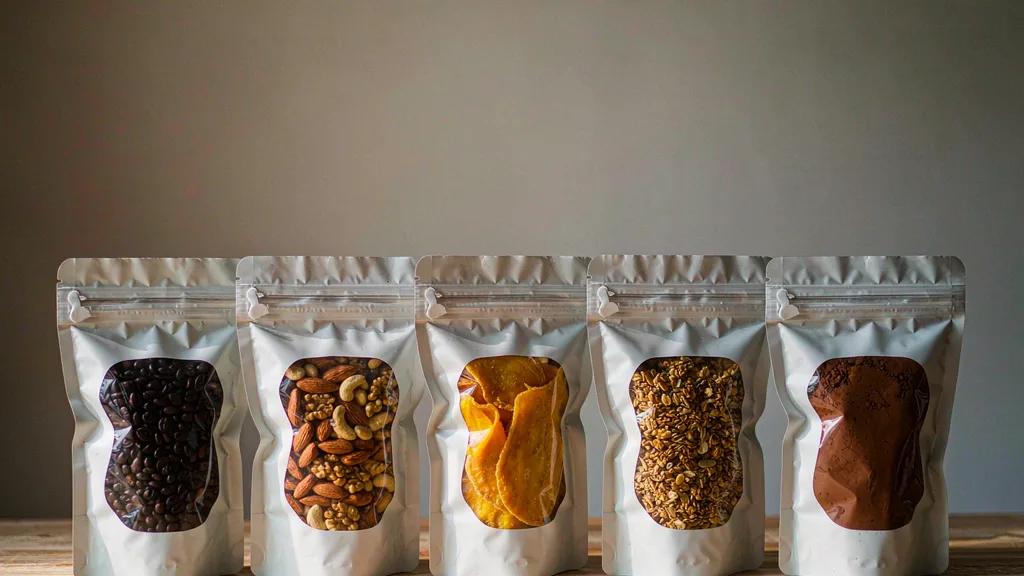
PCR currently concentrates on non-food-contact packaging: home & personal care packaging like shampoo, body wash and laundry detergent bottles is the largest application, with many international brands committed to a certain PCR ratio; logistics and industrial packaging like courier bags, garbage bags and shrink film also use PCR heavily; apparel tags and electronics packaging are growing fast too. In flexible packaging, PCR film development is advancing quickly — some brands already offer laminates with 30% to 50% PCR for dried fruit, snacks and other categories with moderate barrier needs. A reminder: PCR’s batch stability trails virgin resin — color, melt index and impurity levels can fluctuate — so confirm material specifications and batch reports with the supplier before use.
3. Performance challenges and quality control
PCR recycled plastic trails virgin resin in performance — a reality that must be faced. First, color: post-consumer recycled material has been heated repeatedly and tends yellow, needing masterbatch or dark designs to mask it. Second, mechanical degradation: molecular chain scission during recycling lowers strength, toughness and elongation, raising burst risk in films. Third, impurities and odor: residual contaminants can release off-odors during processing and storage, affecting contents quality. Quality control hinges on strict supplier management: require traceable recycled material certificates and per-batch melt index and impurity reports; on the factory side, gate incoming inspection, extrusion parameters and finished-product testing. Quality-first brands should run small-batch trials before scaling up.
4. Regulatory boundaries for food contact applications
Whether PCR can be used in food contact packaging is one of the industry’s most-asked questions — and the answer varies by market. In the EU, recycled plastics for food contact need EFSA assessment and listing; approved recycled PET processes are relatively mature, while approved recycled PE and PP are limited. In the US, the FDA issues no-objection letters for recycling processes, requiring companies to submit decontamination efficiency data proving safety. In China, management of recycled plastics in food contact materials is also tightening — confirm compliance with current national standards before use. Overall, food contact use of PCR has a high bar; non-food-contact applications are the safer direction today. Interested brands should talk to compliance teams and packaging suppliers early to avoid post-launch compliance risk.
5. Summary and Recommendations
PCR recycled plastic is an important decarbonization tool for packaging, already scaled in home & personal care, logistics and some flexible packaging fields — but its color, performance and regulatory boundaries all demand serious attention. For brands planning PCR, start with non-food-contact packaging, choose suppliers with stable recycled material sources and complete test reports, and validate with trials before mass production. OMOPACK keeps tracking sustainable packaging technology; for more eco options like mono-material and biodegradable, read ourMono-Material Packaging Industry Trend Analysis, and you are also welcome toContact OMOPACK for custom advice. For more information, visitOMOPACK English website。